
Your Helmet Isn't Protecting Your Face: UV Risks for Aussie Cyclists
Australian cyclists face extreme UV exposure. Your helmet covers your head, but what about your face, ears, and neck? Learn the real risks and how to protect yourself.
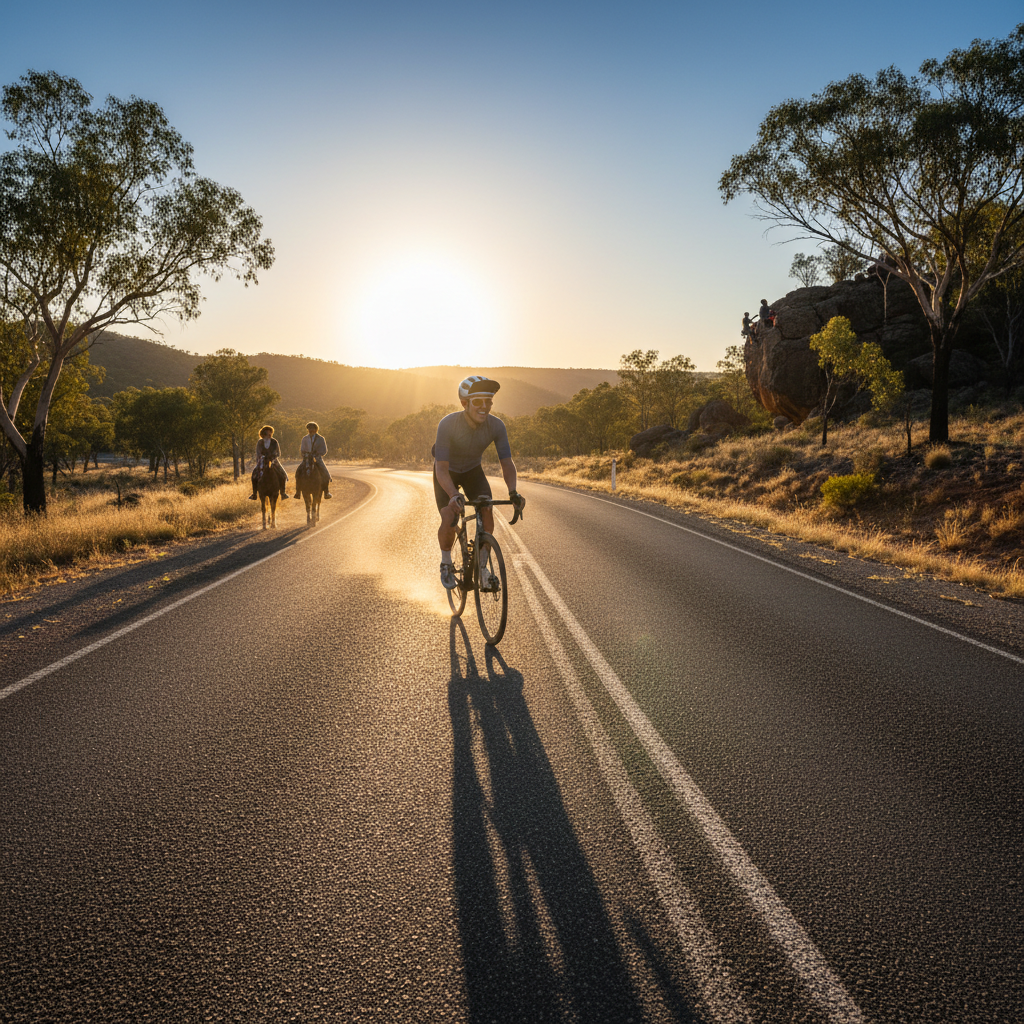
Your Helmet Isn't Protecting Your Face: UV Risks for Aussie Cyclists
Australia. Land of sun, surf, and serious cycling. We love hitting the open road, the trails, the beach paths. But let's get real: our sun is brutal. Your helmet is brilliant for impact protection, but it leaves a massive vulnerability wide open – your face, ears, and neck. And when you're out there clocking kilometres, the UV exposure can be cumulative and dangerous.
The Unseen Danger: UV Rays on Your Ride
We all know wearing a helmet is the law and a no-brainer for safety. But that law doesn't mention Sun Smart. In Australia, the UV index regularly hits extreme levels, especially during peak daylight hours. Even on a cloudy day, UV rays can penetrate and cause damage. For cyclists, this presents a unique set of problems:
Face Exposure: Your face is directly exposed to the sun's rays for the entire duration of your ride. This is prime real estate for premature aging, sunspots, and, most critically, skin cancer.
Ears: Those often-forgotten lobes are notorious for skin cancers. They're also exposed, especially if you don't wear a hat under your helmet (which most cyclists don't, for good reason – heat buildup).
Neck: Whether it's the back of your neck or the sides, these areas cop a beating, particularly when you're leaned over your handlebars.
Cumulative Damage: You might not get a sunburn on every ride, but the UV damage is accumulating. This long-term exposure is what significantly increases your risk of skin cancer later in life.
Why Your Helmet Isn't Enough
Your helmet is designed to absorb impact and protect your skull. It's not designed to shield you from the sun's ultraviolet radiation. The vents that keep you cool also let UV rays slice in. The open sides? You guessed it – sun exposure.
Think about it: you wouldn't go to the beach without sunscreen and a hat, right? Yet many cyclists are out for hours with only their helmet between their skin and a UV index that can be in the triple digits.
Understanding Australian UV Conditions
Australia has some of the highest UV radiation levels in the world. This isn't an exaggeration. Our ozone layer is thinner, and we're closer to the equator. This means:
Year-Round Risk: While summer is the most dangerous, significant UV can be present even in winter months, especially north of Sydney.
High UV Index: Regularly seeing UV index ratings of 7 and above is common, classifying it as 'High'. Reaching 11 and above ('Extreme') happens frequently in many parts of the country.
Long Riding Days: Especially during daylight saving, you might be out riding from late afternoon into the evening, often still in strong UV conditions. The sun might be lower, but it's still potent.
The Real Risks: It's More Than Just a Burn
Sun exposure for cyclists isn't just about looking a bit older than your years. The risks are significant and potentially life-threatening:
1. Skin Cancer
This is the big one. Basal cell carcinoma, squamous cell carcinoma, and melanoma are all linked to UV exposure. Cyclists, particularly those who ride regularly in exposed conditions, are at a higher risk. The face, ears, and neck are all common sites for these cancers, directly correlating with areas not adequately protected by a standard cycling helmet.
2. Premature Aging
Want to look like a well-worn leather wallet before your time? Prolonged UV exposure breaks down collagen and elastin in your skin, leading to wrinkles, leathery texture, and sunspots. This is particularly noticeable on the parts of your face and neck that get the most sun on your rides.
3. Sunburn
While not as serious as skin cancer, repeated sunburns do damage your skin and increase your overall risk of more severe problems down the line. It's also just plain uncomfortable and can disrupt your training.
4. Eye Damage
While not directly skin-related, UV rays can also damage your eyes, contributing to cataracts and other vision problems. While sunglasses help, the indirect light and light reflecting off surfaces can still be a concern.
Objections Handling: Why You Need More Than Just a Helmet
I get it. You're thinking:
"I wear sunscreen." Great, but how consistent are you? Does it last a 4-hour ride? Does it run into your eyes and sting? Did you remember your ears?
"I don't ride in the harshest sun." Are you sure? The UV can be high even when it doesn't feel scorching hot.
"It looks silly." Health and safety should always trump aesthetics.
"I'll just wear a cap under my helmet." This is a bad idea. A cap under a helmet restricts airflow, makes you hotter, and can compromise the helmet's fit and safety. Plus, many caps offer minimal neck and ear coverage.
Practical Solutions for UV Protection on Your Bike
You need to supplement your helmet's protection. Here's what works:
1. Sunscreen – The Basics (and How to Do It Right)
Choose Broad Spectrum: Ensure it protects against both UVA and UVB rays.
High SPF: Aim for SPF 30 or higher, preferably SPF 50+.
Water/Sweat Resistant: crucial for cycling.
Apply Generously: Don't skimp. Cover all exposed skin – face, ears, neck, and even the back of your hands.
Reapply: This is where most people fail. You must reapply sunscreen regularly, especially on longer rides or if you're sweating heavily. Factor this into your ride plan.
2. Sun-Protective Clothing
Long Sleeves: Lightweight, breathable, UPF-rated cycling jerseys can make a huge difference.
Arm Warmers/Sleeves: A good option for cooler mornings or adaptable sun protection.
Neck Gaiters/Buffs: Excellent for protecting the neck and lower face. Look for lightweight, breathable, UPF-rated ones.
3. Shade Solutions for Your Helmet
This is where you can significantly up your game. Standard cycling helmets don't offer face or ear coverage. But what if your helmet could? Specialized helmet brims are designed to do just that. They attach to your helmet, providing crucial shade to your face, eyes, and ears without compromising airflow or safety.
The Da Brim Advantage
We developed Da Brim precisely because we understand this gap in protection. Our helmet brims attach securely to most cycling helmets, instantly giving you shade for:
Your Face: Reducing glare and UV exposure to your sensitive skin.
Your Eyes: Helping to prevent UV damage and reducing the need for sunglasses in some conditions.
Your Ears: Protecting those often-overlooked areas.
Your Neck: Providing shade for the upper part of your neck.
They're lightweight, easy to install, and crucially, they don't impede ventilation. Check out how to install – it's a five-minute job. You can explore our range of options in our Products section.
Your Sun Safety Checklist
Before every ride, ask yourself:
[ ] Is the UV index High, Very High, or Extreme?
[ ] Have I applied broad-spectrum SPF 50+ sunscreen to all exposed skin (face, ears, neck)?
[ ] Is my sunscreen water/sweat resistant?
[ ] Will I be out for long enough to need to reapply sunscreen?
[ ] Am I wearing long sleeves or UPF-rated arm protection?
[ ] Do I have adequate shade for my face and ears (e.g., a helmet brim)?
[ ] Are my sunglasses providing good UV protection for my eyes?
Step-by-Step: Optimising Your Sun Protection
1. Assess the Day: Check the Bureau of Meteorology or your weather app for the UV index. If it's 3 or above, consider extra precautions.
2. Apply Sunscreen (Properly): At least 20 minutes before you head out, apply a generous amount of SPF 50+ broad-spectrum, sweat-resistant sunscreen to your face, ears, and neck. Don't forget your scalp if you have thinning hair or a parting.
3. Gear Up: Put on your chosen sun-protective clothing. If using a Da Brim, a quick check to ensure it's securely attached to your helmet is key.
4. Ride Smart: Be mindful of the time of day and the sun's position. Take breaks in the shade if possible during longer rides.
5. Reapply: On rides longer than two hours, or if you've been sweating heavily, reapply sunscreen. Carry a small travel-sized tube or use sunscreen sticks designed for easy application on the go.
More Questions? We've Got Answers.
We're passionate about helping cyclists stay safe, on and off the road. For more information on how to better protect yourself from the sun, or to explore our products, check out our FAQ or head straight to our Blog for more articles and tips. Ultimately, protecting yourself from the harsh Australian sun is as crucial as wearing a helmet.
Don't let the sun dictate your health. Ride smart, ride protected. Your future self will thank you.