
Your Helmet Isn't Enough: Sun Safety for Tradies in the Australian Sun
Working outdoors in Australia means dealing with serious UV. Your hard hat protects your head, but what about your face, neck, and ears? This guide covers essential sun safety for tradies.
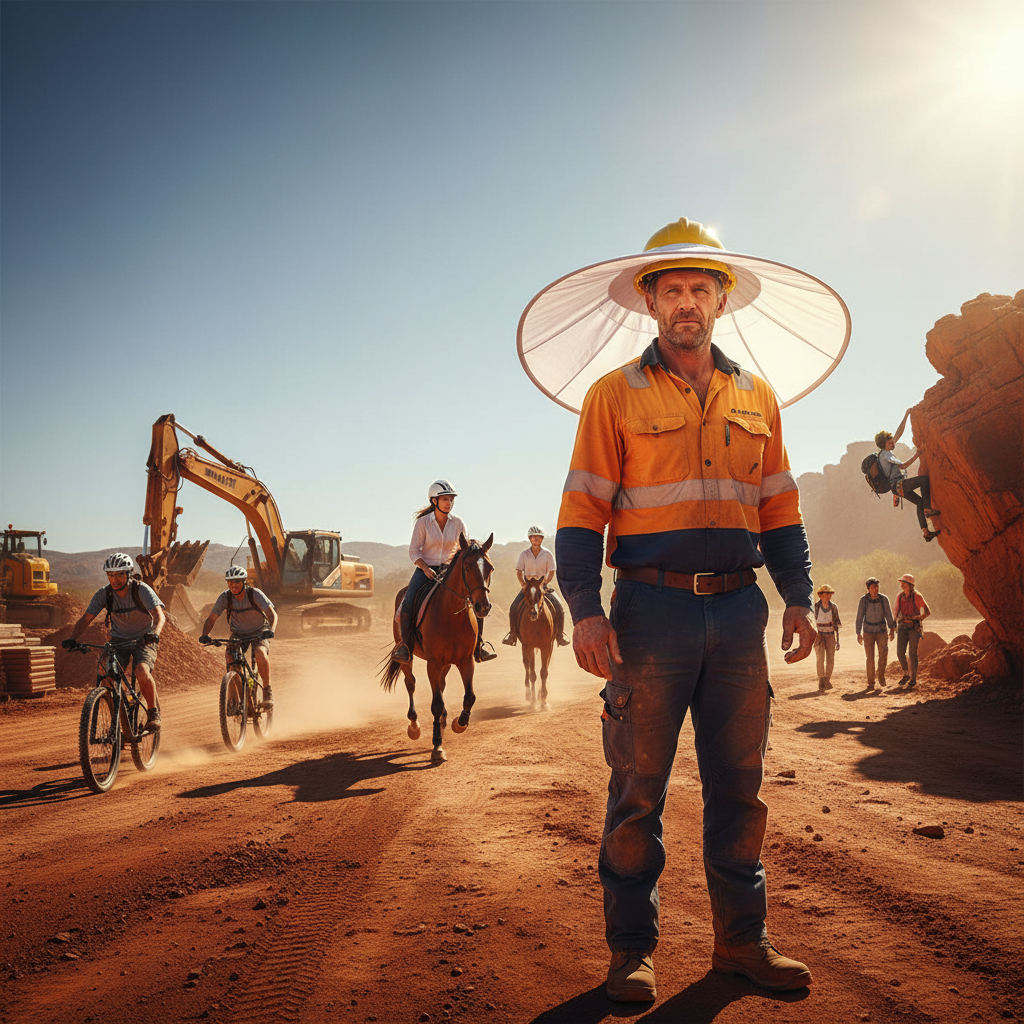
Your Helmet Isn't Enough: Sun Safety for Tradies in the Australian Sun
Let's cut to the chase. You’re a tradie working outdoors in Australia. We all know the drill: the sun can be brutal, the UV index climbs higher than a scaffold, and the days can be long and punishing. Your hard hat is essential, a non-negotiable piece of safety gear that protects you from falling objects and impacts.
But here’s the unvarnished truth: your hard hat alone isn’t enough to protect you from the sun.
Think about it. How much of your face, neck, and ears does a standard hard hat actually cover? Not much. And those areas are prime targets for sun damage, including painful sunburn, premature ageing, and, most importantly, skin cancer. As Australians, we have one of the highest rates of skin cancer in the world. Fact.
As outdoor workers, you’re at significantly higher risk. You’re exposed for hours on end, day after day, year after year. The cumulative effect of this exposure is serious. Ignoring sun safety isn't just a minor oversight; it's a significant workplace health and safety issue. This isn't about being soft; it's about being smart and staying in the game for the long haul.
Deconstructing the Problem: Why Helmets Aren't Always Enough
Standard hard hats are designed for impact protection, not solar radiation. They offer zero protection to:
Your Face: Especially the sensitive skin on your cheeks, nose, and forehead.
Your Ears: Often left exposed, leading to painful burns and long-term damage.
Your Neck: The back of your neck is a classic spot for sunburn, and it’s a common melanoma site.
Think about it – the brim of a typical hard hat is usually quite small, offering minimal shade. Even if you wear sunscreen (which you absolutely should), it can sweat off, you forget to reapply, or you miss spots. Then there’s the issue of constant sun glare, which can strain your eyes and reduce visibility, creating its own set of hazards on a worksite.
The Australian Sun: A Different Beast
We’re not talking about a mild European sun here. Australian conditions are extreme:
High UV Index: Even on cloudy days, UV radiation can be dangerous. In summer, the UV index frequently reaches 10 and above, well within the critical ‘very high’ and ‘extreme’ categories. The recommended advice from health authorities is to seek shade when the UV index is 3 or above.
Intense Heat: Beyond UV, the sheer heat can lead to dehydration and heatstroke, which are critical dangers in themselves. Sunburn exacerbates these issues.
Long Working Days: Many tradie jobs involve long hours spent exposed to the elements, multiplying your daily UV dose.
Ignoring sun safety in these conditions isn't just picking at a scab; it’s actively digging a hole.
Beyond the Hard Hat: Practical Sun Protection for Tradies
Okay, so what’s the solution? It’s about layering your protection. It’s not one or the other; it’s a combination of strategies. You wouldn't go to a building site without your boots, would you? Sun protection needs to be treated with the same seriousness.
1. Headwear Reinforcements: Adding Brim and Shade
This is where you take your existing safety gear and make it work harder. We’re talking about accessories that attach to your helmet to extend its protective coverage.
A properly designed helmet brim extension can make a world of difference. It’s not about looking fancy; it’s about practical, extended shade. The key is to add a brim that extends significantly further than the standard hard hat, effectively creating a canopy over your face, ears, and neck.
Consider this:
Extended Front Brim: Shading your face and eyes from direct sun and glare. This is crucial for visibility and preventing painful sunburn on your nose and cheeks.
Side and Rear Coverage: Protection for your ears and the back of your neck – areas often forgotten and highly susceptible to damage.
Some people might think, "Why bother? I’ve always managed." The answer is simple: you’re managing a risk, but you’re not mitigating it effectively. Why accept a higher risk of skin cancer when a simple, practical solution exists?
If you're unsure about how to integrate these into your existing helmet setup, it's straightforward. We've put together a quick guide on How to Install your added brim, ensuring it's secure and won't compromise your primary head protection.
2. Sunscreen: The Non-Negotiable Base Layer
Even with added brim protection, sunscreen is your first line of defence.
SPF 50+: Always use broad-spectrum SPF 50+ sunscreen. Don't skimp on this.
Apply Generously: Most people don't use enough. You need about a teaspoon for your face alone.
Reapply Religiously: Every two hours, or more often if you're sweating heavily or have been in water. Set a reminder on your phone if you need to.
Don't Forget the Unseen: Ears, neck, lips, back of hands – these are all vulnerable spots.
Sunscreen is cheap insurance against a lifetime of potential skin problems. It’s a core part of any sun safety strategy.
3. Clothing: Covering Up
Long Sleeves and Trousers: Whenever possible, wear light-coloured, loose-fitting clothing made from UPF fabric. This creates a physical barrier.
Collar Up: If your shirt has a collar, wear it up to protect the back of your neck, even if you have a brim.
4. Eyewear: Protecting Your Vision
Sunglasses: Wear sunglasses that meet Australian standards (AS/NZS 1067). They should block 99-100% of UV radiation. Wraparound styles offer the best protection.
Goggles: For specific tasks, safety goggles can also offer UV protection and should be worn in conjunction with other sun safety measures.
Glare from the sun can be a serious hazard, impairing your vision and increasing the risk of accidents. Protecting your eyes is as important as protecting your skin.
5. Hydration and Breaks: Managing Heat Stress
Sun safety isn't just about UV. The heat itself is a danger.
Drink Water Constantly: Don't wait until you're thirsty. Dehydration can set in quickly.
Take Regular Breaks: Seek shade during the hottest parts of the day. Even a few minutes in a cool, shaded area can make a difference.
Know the Signs of Heatstroke: Dizziness, nausea, confusion, and lack of sweating are serious. Seek medical help immediately.
Implementing a Sun Safety Plan: A Tradie's Checklist
Making sun safety a habit requires a system. Here’s a simple checklist to integrate into your daily routine:
[ ] Before Work: Apply SPF 50+ sunscreen to all exposed skin (face, neck, ears, hands). Ensure your helmet has adequate brim coverage for the day's conditions.
[ ] During Work: Reapply sunscreen every two hours. Drink water consistently. Take regular shade breaks, especially during peak UV times.
[ ] At Lunch Break: Reapply sunscreen again. Take a longer break in a shaded, cool area if possible.
- [ ] End of Day: Check for any missed spots that might have burned. Apply moisturiser or after-sun lotion if needed.
This isn't rocket science. It's about building simple, effective habits that protect your health.
Common Objections and How to Handle Them
We hear it all. Let's address them head-on:
"It’s too hot and uncomfortable with extra gear."
Fair point, but think about the discomfort of a bad sunburn, or worse, the long-term consequences of skin cancer. A lightweight, well-designed brim attachment won't significantly add to your discomfort. The relief it provides by shielding you from direct sun glare and heat is often greater than any perceived added burden. We have Products designed for comfort and effectiveness.
"I’ve never had skin cancer, so I’ll be fine."
This is a dangerous gamble. Skin cancer doesn't discriminate. Years of cumulative exposure catch up. Many melanomas develop years after the initial UV damage. It's not about what's happened in the past; it's about protecting your future. Don't wait for a diagnosis to start taking sun safety seriously.
"Sunscreen is greasy and washes off."
While some sunscreens can be unpleasant, there are many high-quality, non-greasy, sweat-resistant options available. Finding the right one for you is key. And as we’ve stressed, reapplication is crucial. Our products are designed to work in conjunction with quality sunscreens.
"It’s extra cost I don’t need."
Consider the cost of dealing with skin cancer – doctor's visits, treatments, time off work, not to mention the emotional toll. Investing a small amount in effective sun protection now is far cheaper than the potential medical bills and lost earnings later. Check out our Products page for effective solutions.
The Bottom Line: Protect Your Most Valuable Asset
Your health and your ability to work are your most valuable assets. You wouldn’t run a bulldozer without checking the brakes, so don’t work in the Australian sun without adequate sun protection. Your helmet is essential for impact safety, but it needs augmentation.
Implementing a layered sun safety strategy—including extended brim protection, diligent sunscreen use, appropriate clothing, and eye protection—is crucial for anyone working outdoors in Australia. It’s practical, it’s necessary, and it’s about your long-term well-being.
Don't leave your skin to chance. Invest in your health. It's the smartest job you'll ever do.
For more information on specific product suitability and installation, visit our FAQ or browse our range on the Products page. For ongoing tips and updates, check out our Blog.