
Your Helmet Isn't Enough: Shielding Against Australia's UV Assault
Outdoor workers and athletes in Australia face relentless UV. Your helmet is a start, but you need more. Here's the no-nonsense guide to staying safe.
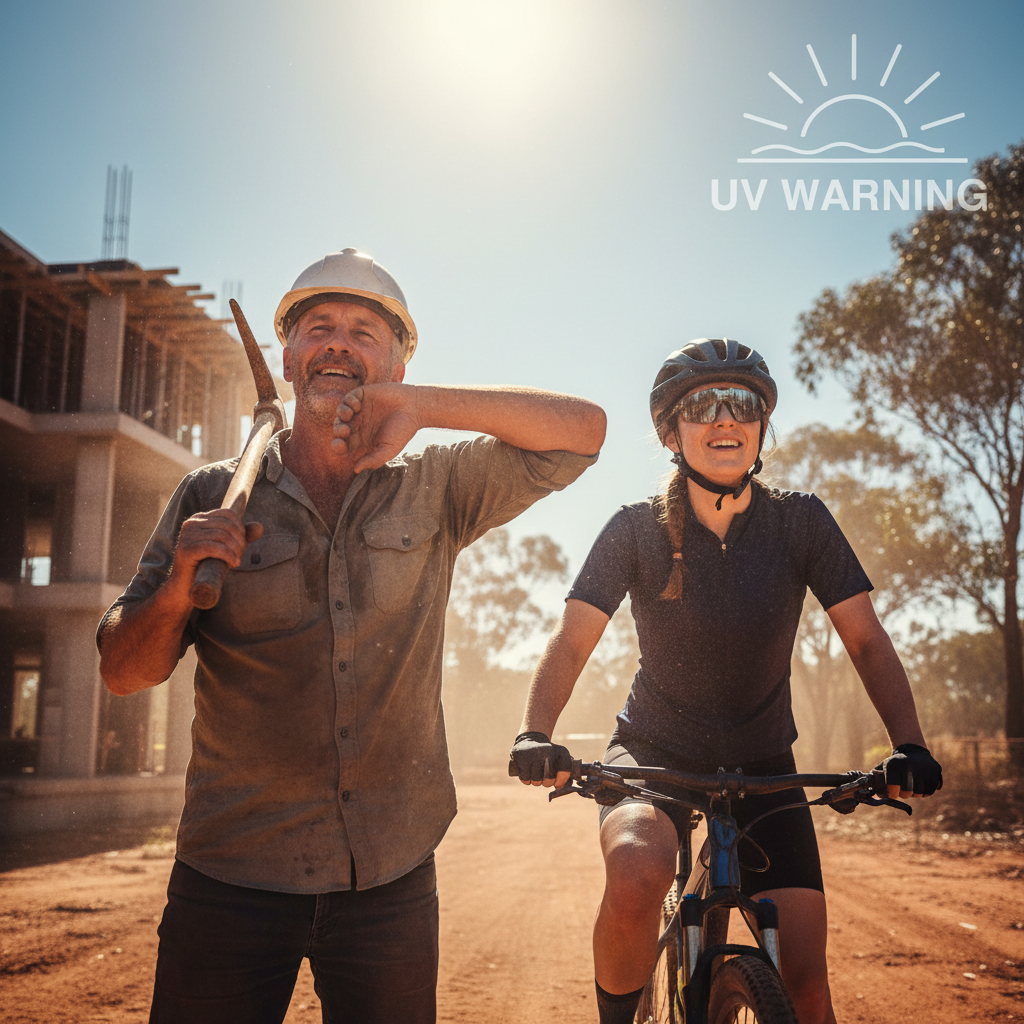
Your Helmet Isn't Enough: Shielding Against Australia's UV Assault
Australia. Beautiful. Outdoorsy. And absolutely brutal when it comes to the sun. If you're one of the many Australians working or playing outdoors – think tradies, farmers, construction crews, cyclists, runners, surfers, and gardeners – you're constantly battling UV radiation and the heat. We’re not talking about a little sunburn here. We’re talking about serious, long-term health risks.
The Harsh Reality: UV Risks for Outdoor Australians
Let's cut to the chase. You wear a helmet. Good. It protects your head from impact. But what about the relentless UV rays that bake your face, neck, and ears, day in and day out? Overexposure to ultraviolet (UV) radiation is the primary cause of skin cancer, including deadly melanomas. And Australia has one of the highest rates of skin cancer in the world.
Why Australia is Different (and Dangerous)
Our ozone layer is thinner over the Southern Hemisphere. This means more harmful UV radiation reaches the ground. Combined with our intense sunshine, long daylight hours, and often clear skies, it’s a recipe for disaster if you’re not protected. The UV Index can hit extreme levels for much of the year, not just in summer. Don't fall for the myth that you're safe on cloudy days; UV rays penetrate cloud cover.
Beyond Skin Cancer: Other Dangers
Premature Aging: Wrinkles, leathery skin, sun spots. Yep, that’s the UV doing its damage, long before you think about cancer.
Eye Damage: Cataracts and other eye conditions are linked to cumulative UV exposure.
Heat Stress and Exhaustion: The sun doesn't just zap you with UV. It cooks you. Dehydration, heat exhaustion, and even heatstroke are serious risks, especially when combined with physical exertion and wearing protective gear like helmets.
Your Helmet: A Crucial First Step, But Not the Whole Solution
Your helmet is designed for impact. It’s a vital piece of safety equipment. However, most helmets offer very little protection for your face, neck, and ears – areas that are highly exposed to UV and where skin cancer often develops. The sides and back of your head, ears, and the delicate skin on your face are vulnerable. Prolonged exposure can lead to skin damage and increase your risk of skin cancer.
Many people think their helmet is enough. It's not. It's like wearing a seatbelt but forgetting to close the car door. You need a comprehensive sun protection strategy.
The Objection Handling: “But I’m Tough, I Can Handle It.”
This is common, especially among people who work or play outdoors. You’re used to the sun. You’ve never had bad sunburns (or you think you haven’t). Here’s the reality:
Cumulative Damage: UV damage is cumulative. It adds up over years. You might not see the immediate effects, but the damage is happening beneath the surface. What seems normal now can lead to problems in 10, 20, 30 years.
Skin Cancer Doesn't Discriminate: It doesn’t care how tough you are, what your job is, or how long you've been exposed. Anyone can get it.
It’s About Prevention, Not Just Reaction: We don’t wait for a crash to wear a seatbelt. Sun protection is the same. It's about proactively preventing damage.
The Objection Handling: “Sunscreen is Greasy/Annoying/Washes Off.”
Sunscreen is a necessary component, but we get it. Reapplying every two hours, especially when you’re sweating heavily or working in dust, can be a pain. That’s precisely why a multi-layered approach is best. Relying solely on sunscreen is often insufficient for prolonged, high-exposure situations. This is where physical barriers become absolutely essential.
Your Go-To Sun Protection Checklist
Forget just slapping on some sunscreen. You need a robust defence system. Here’s your daily armour:
High-Coverage Helmet Accessory: This is non-negotiable. Think of it as an extension of your safety gear.
Broad-Spectrum Sunscreen (SPF 30+ or 50+): Apply generously to all exposed skin. Don’t forget ears, neck, and scalp if you have thinning hair.
Long-Sleeved, UPF-Rated Clothing: Lightweight fabrics designed to block UV are better than just any old long sleeves.
Wide-Brimmed Hat (When Helmet Isn't Required/Practical): For breaks or less hazardous activities. Ensure it shades your face, neck, and ears.
UV-Protective Sunglasses: Look for 100% UVA/UVB protection.
Stay Hydrated: Crucial for regulating body temperature and preventing heat stress.
Seek Shade: Whenever possible, especially during peak UV hours (usually 10 am to 3 pm).
Check the UV Index: Be aware of daily forecasts and adjust your protection accordingly.
The Game Changer: Enhancing Your Helmet’s Protection
This is where we get practical. Your helmet needs a serious upgrade for sun defence. Standard helmets leave too much vulnerable skin exposed. We're talking about shields that integrate seamlessly with your existing safety helmet.
Imagine a robust, lightweight brim that attaches directly to your helmet. It's designed to work with your head protection, not against it. This isn't about comfort; it's about essential UV and glare reduction for your most exposed areas.
Benefits of a Helmet Brim Accessory:
Extended Shade: Provides significant shade for your face, ears, and the back of your neck.
Glare Reduction: Helps reduce squinting, improving visibility and reducing eye strain.
Durability: Made to withstand tough outdoor conditions.
Ease of Use: Designed for quick attachment and detachment.
Purpose-Built: Unlike a flapping hat that can be a hazard, a secure brim is designed for active use.
We developed our own range of helmet brims specifically for this purpose. You can find them here: Products.
How to Get the Most Out of Your Sun Protection Gear
It's not just about having the gear; it’s about using it correctly. If you've just picked up a helmet brim accessory, here's a quick guide – or check out our detailed steps: How to Install.
Basic Installation and Use:
1. Understand Your Helmet: Familiarise yourself with the attachment points on your specific safety helmet.
2. Align the Brim: Position the brim accessory over the front of your helmet, aligning its mounting system with the helmet's features.
3. Secure Firmly: Attach the brim according to its specific mechanism. This might involve clips, straps, or integrated systems. Ensure it feels solid and won't shift during activity.
4. Check Coverage: Once attached, assess the amount of shade it provides for your face, ears, and neck. Adjust if possible.
5. Combine Strategies: Remember, the brim is part of a system. Apply sunscreen to any remaining exposed skin gaps, wear other protective clothing, and stay hydrated.
Frequently Asked Questions About Sun Protection for Outdoor Professionals & Athletes
We get a lot of questions. Here are a few common ones, but you can find more comprehensive answers here: FAQ.
Q: Can I wear a cap under my helmet for sun protection?
A: A thin cap might offer minimal shade, but it can interfere with your helmet's fit and effectiveness. It also often leaves your ears and neck exposed. A dedicated helmet brim accessory is a much safer and more effective solution.
Q: How often should I reapply sunscreen when working outdoors in Australia?
A: At least every two hours. If you're sweating heavily or wiped it off, reapply immediately. However, don't rely solely on sunscreen – physical barriers are key.
Q: Is UPF clothing really necessary?
A: Yes. Standard cotton clothing has a low UPF rating and lets a lot of UV through, especially when wet or stretched. UPF-rated clothing is specifically designed to block UV rays and offers significantly better protection.
Q: Does a helmet brims make me hotter?
A: While it adds another layer, the primary purpose is UV protection, which prevents the sun's heat from directly hitting and heating your skin and head. Many brims are designed with airflow in mind. The reduction in UV exposure often outweighs any perceived increase in trapped heat, and the reduction in glare can make you feel more comfortable and focused.
Don’t Wait to Protect Yourself
Australia’s sun isn't a friend to unprotected skin. Your helmet is essential for safety, but it’s only one part of the puzzle. Don’t let convenience or a false sense of invincibility put you at risk of skin cancer and heat-related illnesses. Make a commitment to comprehensive sun protection.
Assess your current gear: Are you truly covered? What gaps exist?
Invest in the right accessories: Consider solutions that extend your helmet’s protective capabilities.
Build a habit: Make sun safety as routine as putting on your helmet.
Your health and well-being are on the line. Don't gamble with them. For more on our sun protection solutions tailored for Australian conditions, head to Products or check out our Blog for more tips and insights.
Stay safe, stay protected.