
Your Helmet Isn't Enough: Shielding Against Australian UV for Outdoor Pros
You think your helmet keeps you safe? It's only half the story. Discover the real UV risks for Australian outdoor workers and athletes, and how to truly protect yourself beyond the shell.
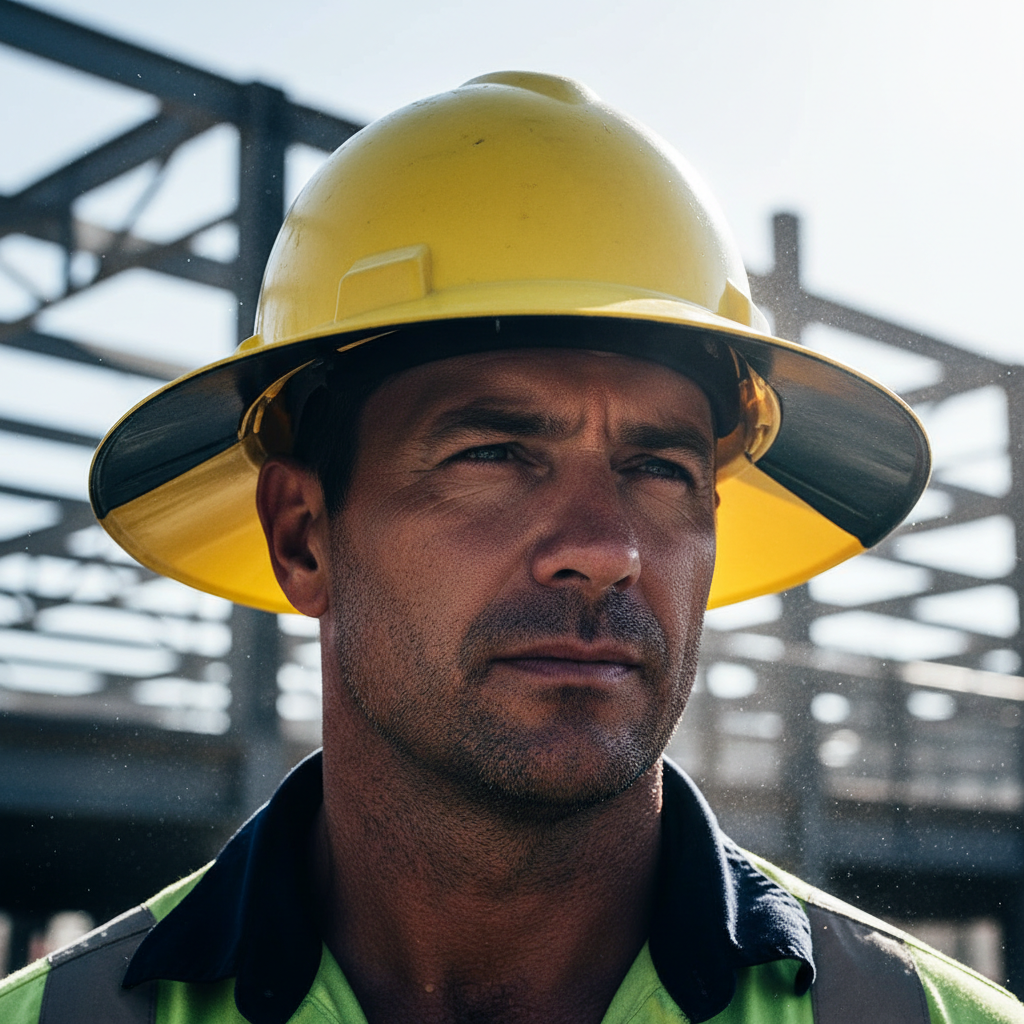
You’re out there, doing the hard yards. Whether you’re on a construction site, a farm, a sports field, or out on the road cycling, your helmet is your primary piece of safety gear. It protects you from impact. But what about the relentless Australian sun? It’s a silent danger, and your helmet, in its standard form, offers surprisingly little protection against its damaging UV rays.
Let’s get straight to it: Australia has some of the highest UV radiation levels in the world. We’re talking about a UV index that regularly hits the ‘extreme’ category, even on days that don’t feel particularly hot. Those long summer days, combined with our clear skies and proximity to the equator, mean you’re exposed for a significant amount of time. And if you’re working outdoors or training intensely, that exposure adds up, fast.
The Hidden Dangers: UV Exposure Beyond Your Helmet
Your helmet might cover your head, but it leaves a lot of vulnerable skin exposed. Think about it: your face, ears, neck, and even the back of your hands are all directly in the firing line for UV radiation.
Short-term effects are obvious: sunburn. Painful, red, and uncomfortable. But the long-term consequences are far more serious.
Premature skin ageing: Wrinkles, leathery skin, sunspots – these aren’t just cosmetic issues. They’re signs of DNA damage.
Eye damage: Cataracts and macular degeneration can be accelerated by prolonged UV exposure.
Skin cancer: Australia has one of the highest rates of skin cancer globally. Melanoma, basal cell carcinoma, squamous cell carcinoma – these are real risks for anyone spending significant time outdoors.
For outdoor workers and athletes, these risks aren't abstract. They’re a daily reality.
Outdoor Workers: The Unseen Hazard
Construction workers, landscapers, farmers, tradies – your work environment is often a constant sun exposure zone. Even with breaks, overcast days (UV rays penetrate clouds), and the perception of it being 'not that hot', the UV damage is occurring. Your hard hat is designed for impact, not for blocking UV. The brim, if it has one, is usually too short to shield your face effectively, and many helmets offer virtually no protection for your ears or neck.
Athletes: Pushing Your Limits, Exposing Your Skin
Cyclists, runners, cricketers, surfers, outdoor fitness enthusiasts – you’re spending hours under the sun, often sweating and pushing yourselves. While you focus on performance and endurance, the cumulative UV exposure is a serious health concern. Many helmets designed for sport, like cycling or cricket helmets, offer minimal brim coverage. The focus is on aerodynamics, ventilation, and protection against impact, not broad-spectrum UV defence.
Understanding the Threat: UV Index and Your Skin
We’ve all seen the UV index on the weather report. In Australia, it’s not just a number; it’s a warning. Anything above 3 is considered a risk, and we regularly see it hit 11 and above, which is classified as ‘extreme’.
| UV Index Level | Description | Risk of Harm |
|---|---|---|
| 1-2 | Low | Minimal |
| 3-5 | Moderate | Some sun protection advised |
| 6-7 | High | Sun protection essential |
| 8-10 | Very High | Sun protection essential |
| 11+ | Extreme | Sun protection critical |
Remember, UV radiation is invisible. You can’t feel it when it’s damaging your skin. Even on a cool, breezy day, if the UV index is high, the damage is occurring. This is why relying solely on feeling hot or seeing direct sun isn't enough.
The Flaws in Standard Helmet Design (When it Comes to UV)
Let’s be blunt. Most helmets, whether for work or sport, are not designed with comprehensive sun protection as a primary feature.
Limited Brim Coverage: The standard brims are often too small to cast a shadow over your entire face, let alone your ears and neck.
Openings and Gaps: Ventilations holes, gaps between the helmet and your head, and the way the helmet sits can still allow sun to reach your scalp and face.
Material Permeability: While not as common for hard hats, some sports helmet materials might allow a small amount of UV through, even if not enough to cause immediate sunburn.
This isn't a criticism of helmet manufacturers; their primary responsibility is impact protection. But it leaves a critical gap in your daily safety regimen.
Beyond the Basics: Practical UV Protection Strategies
So, what can you actually do? You can’t exactly stop working or training. Relying on sunscreen alone is a good start, but it's not always practical or sufficient for long days under intense UV.
This is where intelligent additions to your existing gear come in.
Your Protection Checklist:
[ ] Assess the UV Index daily: Make it a habit. Don't rely on temperature alone.
[ ] Seek Shade Whenever Possible: Even short breaks can help.
[ ] Wear UV-Protective Clothing: Long sleeves and pants are crucial.
[ ] Protect Your Eyes: Wear sunglasses with good UV protection.
[ ] Sunscreen Application: Apply liberally and reapply frequently (every 2 hours, or more often if sweating or swimming). This is non-negotiable.
[ ] Enhance Your Helmet's Coverage: This is the often-overlooked step.
Enhancing Your Helmet: The Practical Solution
You already have the helmet. You know its limitations regarding UV. The sensible next step is to augment its protection. This is where products designed to extend the coverage of your existing helmet become essential.
Imagine a brim that attaches to your helmet, providing shade to your face, ears, and neck. This isn’t about reinventing the wheel; it’s about making your current safety gear work harder against the sun. For many outdoor workers, a simple addition can make a massive difference. For athletes, it means continuing to train without compromising long-term skin health.
How to Achieve Better Helmet UV Protection:
This isn't complicated or expensive. It’s about smart, practical upgrades.
1. Identify a UV-Enhancing Attachment: Look for a solution that is designed to be compatible with your type of helmet.
2. Ensure Secure Attachment: The last thing you want is something that detaches and becomes a hazard itself. It needs to be robust and reliable.
3. Verify Full Coverage: Does the attachment extend shading to your face, ears, and neck? This is key.
4. Consider Ventilation and Visibility: It shouldn't impede airflow or block your vision.
We understand the initial hesitation. You might think, "I already wear a helmet, isn’t that enough?" Or, "Another piece of gear? That sounds like a hassle." We're here to tell you that the hassle of applying more sunscreen every hour, or dealing with a sunburn, far outweighs the simplicity of adding effective UV coverage to your helmet. And if you're thinking about compatibility, don't worry. There are solutions that integrate seamlessly with common helmet types.
Explore Products designed specifically to give your helmet the sun protection it’s missing. These are not bulky add-ons; they are practical extensions that work with your existing safety equipment. Installation is straightforward, and the benefits are immediate and long-lasting.
Don’t Let the Sun Win
Your helmet is brilliant for impact. It’s your first line of defence. But without addressing UV radiation, you’re leaving a significant part of your health exposed. In Australia, the sun is not your friend, especially during those long outdoor workdays or intense training sessions. Make an informed decision. Protect yourself comprehensively.
Long-term health: Reduce your risk of skin cancer and premature ageing.
Comfort: Avoid painful sunburns that can affect your ability to work or train.
- Compliance (for some industries): Some workplaces require robust sun safety measures.
Don't wait for a sunburn or worse. Upgrade your sun protection strategy today. Learn more about how to install your helmet brim and see the difference it makes. If you have questions, our FAQ page has answers. For more tips on staying safe outdoors, check out our Blog. Your skin will thank you for it. Remember, UV protection is not an optional extra when you’re working or playing under the Australian sun; it’s fundamental. And a standard helmet, by itself, is not enough.