
Your Helmet Isn't Enough: Dodging Deadly UV Rays on Australian Roads
Cycling in Australia is a dream, but the sun is a nightmare. Your helmet offers head protection, but it leaves you exposed. Learn how to ride safe from UV damage.
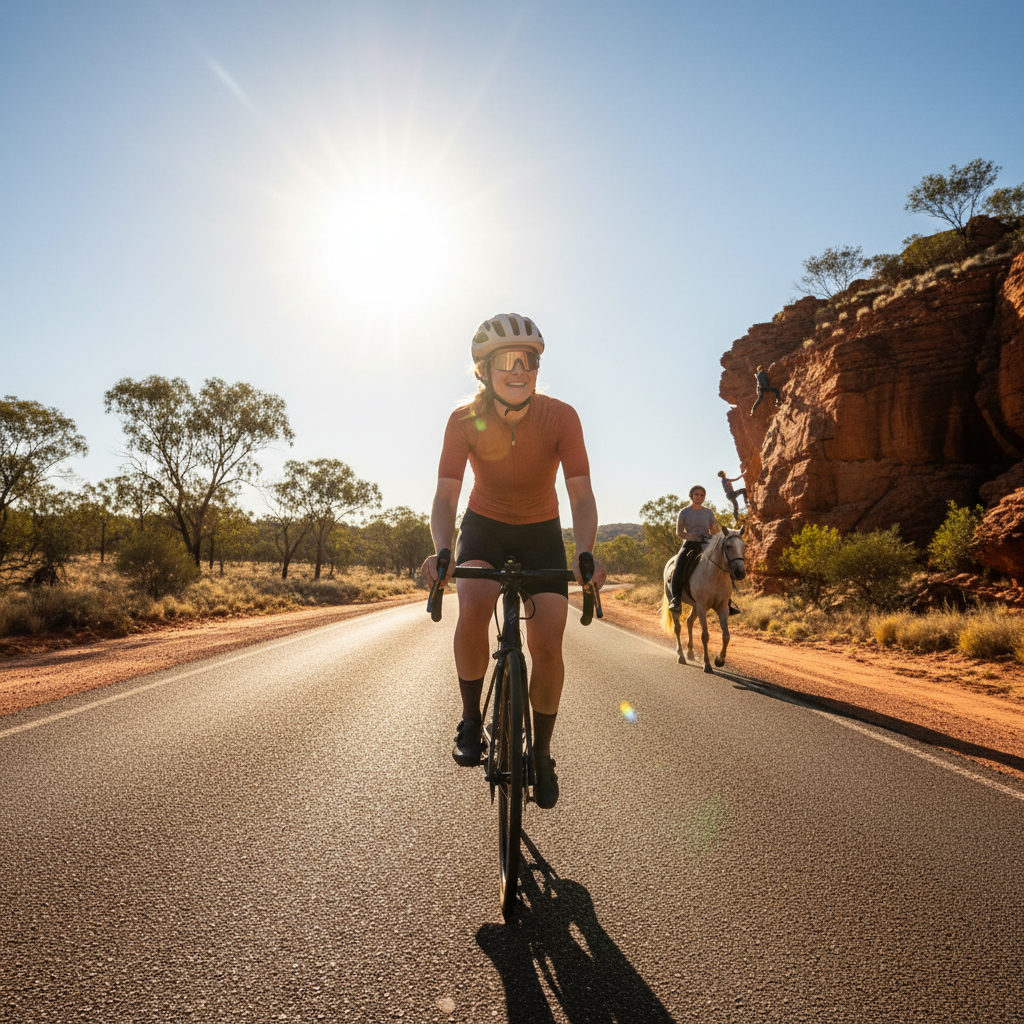
Your Helmet Isn't Enough: Dodging Deadly UV Rays on Australian Roads
Australia. We love it. And for many of us, that love extends to hitting the road on our bikes. Commuting, training, or just exploring – cycling here is world-class. But let's be brutal: so is our sun. You might think your helmet is the ultimate shield, and for falls, you'd be right. For the relentless Australian sun? Not so much.
We’re notoriously exposed in this country. The UV Index regularly hits extreme levels, even on cloudy days. Long days in the saddle, especially during our scorching summers, mean hours of cumulative UV exposure. This isn't just about getting a bit red. We’re talking serious, long-term health risks: skin cancer, premature ageing, and heat-related illnesses.
Your helmet protects your skull. It won't protect your face, neck, or ears from the sun's damaging rays. It's time to get practical about sun safety on your bike, not just helmet safety.
The Harsh Reality: UV Exposure on a Bike
Think about it. When you're riding, especially on open roads or trails, you are directly facing the sun for extended periods. Unlike walking or standing, you’re in constant motion, often with little to no shade. Australian conditions amplify this:
High UV Index: We frequently experience UV Index ratings of 6 and above, often reaching 10 or 11, classified as 'Very High' or 'Extreme'. Even during winter, UV levels can be significant, especially in northern parts of the country.
Heat: Australia’s summer temperatures can soar, making cycling not just a UV risk but a heatstroke risk. Dehydration and heat exhaustion can set in quickly when you’re under the direct sun.
Long Riding Days: Many cyclists enjoy longer rides, clocking up hours. The longer you're out, the more UV doses you accumulate. A weekend century ride, for example, can be a significant UV assault.
Reflection: Water, sand, and even roads reflect UV rays, increasing your overall exposure. If you ride near these surfaces, you’re getting baked from above and below.
What’s Actually At Risk?
Let’s break down the specific risks you face by not protecting your exposed areas:
Skin Cancer: This is the big one. Australia has one of the highest rates of skin cancer in the world. Cumulative UV exposure is the primary driver. Your nose, ears, lips, scalp (especially if you have thinning hair), and neck are prime targets. Melanoma, the deadliest form, can develop from sun damage.
Premature Ageing: Want to look older than you are? Sun exposure speeds up the ageing process of your skin, leading to wrinkles, sunspots, and loss of elasticity. It’s essentially cosmetic damage, but it’s a sign of underlying cellular damage.
Sunburn: Beyond being uncomfortable and painful, sunburn is a direct indicator of skin damage. Repeated sunburns significantly increase your risk of skin cancer.
Heat Stroke & Dehydration: While not directly UV damage, the conditions that promote high UV exposure – hot, sunny days – are the same conditions that lead to dangerous heat-related illnesses. Dehydration can impair your judgment and physical performance, making riding unsafe.
Eye Damage: Prolonged UV exposure can contribute to cataracts and other eye conditions. Your eyes are vulnerable too, even if you’re wearing sunglasses.
Common Objections & Why They Don’t Cut It
I’ve heard it all. You’ve probably thought some of it too. Let’s tackle these head-on:
"I’m only riding for a short time."
Even a 30-minute ride during peak UV hours (around 10 am to 3 pm) can deliver a significant UV dose. Cumulative exposure over time is the real enemy. A few short rides add up surprisingly fast.
"I wear sunscreen."
Great! Sunscreen is a vital part of sun safety. But how often do you reapply during a long ride? Does it cover your ears, neck, and lips perfectly? Sweat and wind can rub it off. It’s a good layer of defence, but not a foolproof one, especially for endurance rides. Plus, many people don’t apply enough or miss spots.
"I have dark skin. I don't burn."
While individuals with darker skin tones have a higher natural SPF, they are still susceptible to UV damage and skin cancer. The risk might be lower, but it's not zero. Furthermore, UV damage contributes to skin ageing regardless of perceived burn risk.
"My helmet shades my face."
Helmets offer some shade, yes. But that shade is limited. Your ears, the sides of your face, your forehead above the visor, your neck, and your hands are often left completely exposed. It’s like using an umbrella in a hurricane – it helps a bit, but you’re still getting soaked.
"It’s too much hassle to carry extra gear."
Is a quick five-second application of extra protection really that much hassle when compared to a potential skin cancer diagnosis or a painful sunburn? We prioritise safety gear for crashes; we need to apply the same logic to sun safety.
Practical Solutions for the Australian Cyclist
Your helmet is essential. Don't stop wearing it. But to truly protect yourself, you need to add layers of defence. Here's how:
1. Extend Your Helmet's Shade
This is the simplest, most effective step you can take to protect your face and neck directly under your helmet's line of sight.
The Problem: Standard helmets leave your face, ears, and neck exposed. Even a cycling cap offers minimal protection against direct sun and sweat can wash sunscreen away.
The Solution: A specialised helmet brim designed for cycling can extend the shade significantly.
How it Works: These brims attach easily to your existing helmet. They are designed to be aerodynamic and not interfere with ventilation or visibility. They create a much larger shadow zone, blocking direct UV rays from hitting your most vulnerable areas.
Learn how to install one in minutes: How to Install.
2. Sunscreen Smart
Even with a brim, you need sunscreen for exposed areas not covered by the brim's shade, and for when you're off the bike.
Choose Wisely: Opt for broad-spectrum SPF 50+ sunscreen. Look for water-resistant formulas, especially if you sweat a lot.
Apply Generously: Don't skimp. Cover all exposed skin: ears, neck, back of hands, lips (use SPF lip balm).
Reapply: This is crucial. If you're on a long ride, stash a small tube or stick in your jersey pocket. Reapply every two hours, or more often if you’re sweating heavily or have been in water.
3. Protective Clothing
Think beyond your jersey.
Long Sleeves: Lightweight, breathable, UV-protective long-sleeved cycling jerseys are great for extended rides.
Neck Gaiters/Buffs: A lightweight neck gaiter can protect your neck and lower face. Many are made from UPF-rated fabric.
Gloves: Protect the backs of your hands.
4. Eye Protection
Sunglasses aren't just for looking cool.
UV Blocking: Ensure your sunglasses block 100% of UVA and UVB rays.
Coverage: Wraparound styles offer the best protection.
5. Timing is Everything
Avoid Peak Hours: If possible, plan your rides for early morning or late afternoon when the UV Index is lower.
Check the Forecast: Get into the habit of checking the daily UV forecast. Don’t assume clear skies mean safety.
Sun Safety Checklist for Cyclists
Here’s a quick rundown to ensure you’re covered:
[ ] Wider Brim: Add a helmet brim for extended facial and neck shade.
[ ] SPF 50+ Sunscreen: Apply to all exposed skin, including ears, neck, and lips.
[ ] Reapplication Strategy: Plan to reapply sunscreen during long rides.
[ ] UV-Protective Clothing: Consider long sleeves and neck protection.
[ ] UV-Blocking Sunglasses: Essential for eye health.
[ ] Hydration: Carry plenty of water to prevent heatstroke.
- [ ] Ride Timing: Avoid peak sun hours when possible.
A Quick Comparison: Standard Helmet vs. Helmet + Brim
| Feature | Standard Helmet Alone | Standard Helmet + Dedicated Brim |
|---|---|---|
| Face Shade | Limited, covers forehead top | Significantly extended |
| Ear Protection | None | Significantly extended |
| Neck Protection | None | Significantly extended |
| UV Exposure | High on face, ears, neck | Greatly reduced on face, ears, neck |
| Hassle | Low initial hassle, high risk | Minimal extra hassle, much lower risk |
Don’t Learn the Hard Way
We love cycling in Australia, and we want you to keep enjoying it for years to come. That means taking proactive steps to protect yourself from the sun's powerful UV rays. Waiting until you develop sun damage or skin cancer is waiting too long.
Your helmet is a critical piece of safety equipment. By adding simple, practical solutions like a dedicated helmet brim, you can drastically reduce your UV exposure without compromising your ride. It’s a small change with a monumental impact on your long-term health.
For more on how to protect your head and face, or to find the right gear, check out our Products section. If you have questions, our FAQ page is a great resource. And for more tips and stories from the cycling community, visit our Blog.
Ride smart, ride safe, and ride sun-protected. Your future self will thank you.