
Your Helmet Isn't Enough: Australia's UV Threat to Cyclists
Don't let your cycling adventures in Australia get derailed by sun damage. Discover why helmets aren't enough and how to protect yourself from fierce UV rays.
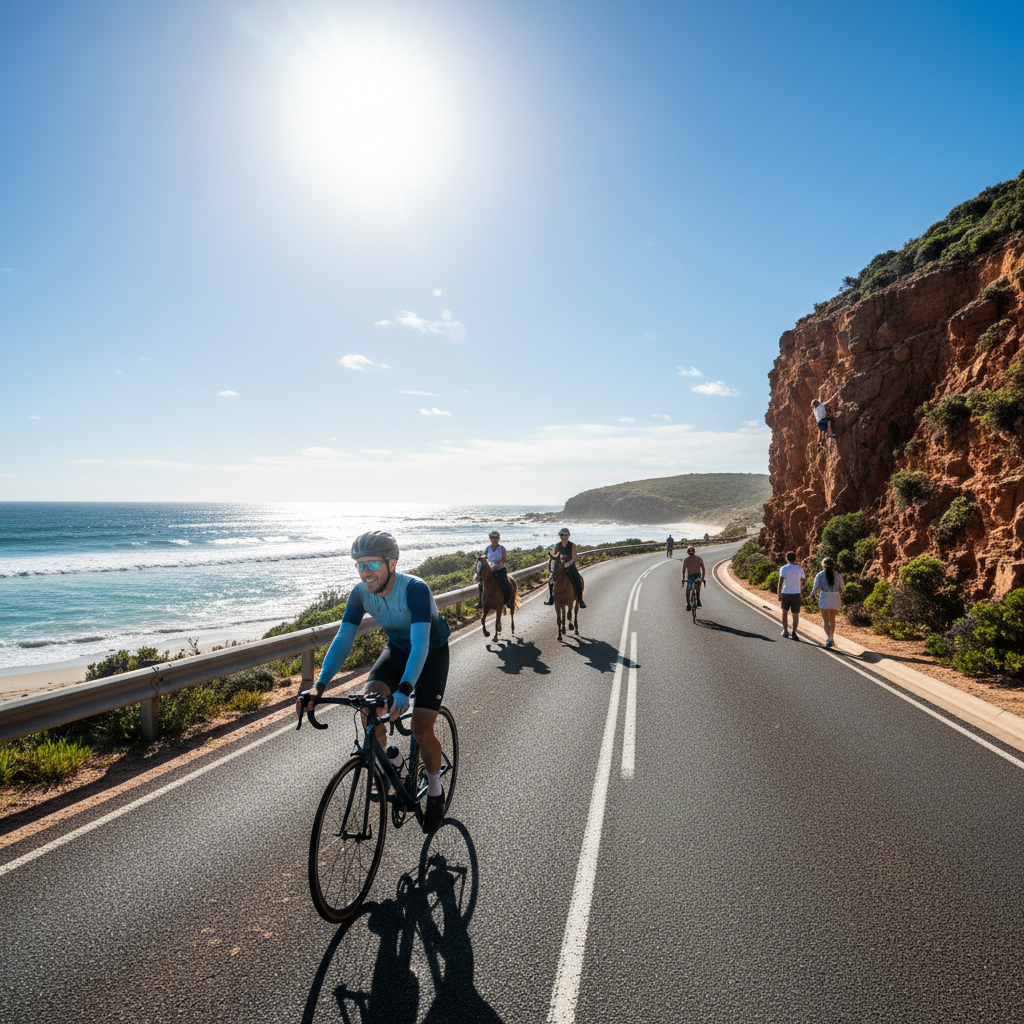
Your Helmet Isn't Enough: Australia's UV Threat to Cyclists
Australia. We love it. We love the open road, the wind in our hair (or, more accurately, under our helmet) and the kilometres we rack up on our bikes. But here's the blunt truth: our glorious Australian sun is a serious threat to your skin every single time you head out for a ride.
Your helmet is essential. It’s your primary safety gear, protecting your head from impact. But when it comes to the sun, your helmet is doing next to nothing to shield your face, neck, and eyes from the relentless UV radiation that’s a daily reality down under.
The Harsh Reality of Australian UV
We’re not talking about a gentle summer breeze here. Australia consistently ranks among the highest UV levels globally. The UV Index often hits extreme levels, even on cloudy days. This isn't just about getting a bit red; it’s about cumulative damage that can lead to premature ageing, wrinkles, sunspots, and, most importantly, skin cancer.
Why Cyclists Are Particularly Vulnerable
As cyclists, we're often exposed for extended periods, especially during longer rides or commutes. We're typically looking upwards or forwards, directly into the sun when riding uphill or on open stretches. The reflective glare off roads, water, and even the ground amplifies the UV assault.
Think about it: how much of your face is actually covered by a standard helmet? Very little. Your forehead, cheeks, nose, ears, and neck are prime targets. These are also common areas for skin cancer development.
Common Objections (And Why They Don't Cut It)
We hear it all the time. Cyclists have their reasons for not prioritising sun protection beyond their helmet. Let's tackle them head-on:
"I only ride for short distances." Even 20 minutes in the Australian sun can cause damage. Cumulative exposure over time is the biggest driver of skin cancer. Short rides add up.
"I wear sunscreen." Great, you should. But sunscreen washes off, sweat dilutes it, and you often miss those hard-to-reach spots. Plus, how often are you really re-applying every two hours, especially on a long ride?
"My helmet shades my eyes." It might offer a tiny bit of shade, but it doesn't cover your entire face or your neck. The sides of your face, your ears, and your entire neck are still exposed.
"I don't burn easily." Skin cancer isn't just about sunburn. It’s about UV damage. Even if you don't turn lobster red, your skin is still absorbing damaging UV rays. Fairer skin is at higher risk, but everyone is susceptible.
"It looks dorky." Safety and long-term health should trump fashion. There are now practical, effective solutions that don't compromise your look.
The Real Risks: More Than Just a Tan
Let's break down what you're up against:
Premature Skin Ageing: Wrinkles, leathery skin, sunspots (age spots). This is the most visible consequence. All those hours in the saddle can make you look older than you are.
Actinic Keratosis (AKs): These are pre-cancerous skin lesions. They often appear as rough, scaly patches and can develop into squamous cell carcinoma.
Skin Cancers: The big one. Basal cell carcinoma (BCC), squamous cell carcinoma (SCC), and melanoma. Australia has one of the highest rates of skin cancer in the world. Much of this is preventable.
Eye Damage: Prolonged UV exposure can contribute to cataracts and other eye conditions.
Australian Conditions Amplified
We're not just talking about UV levels. We're talking about the combination of factors that make cycling in Australia particularly challenging:
High UV Index: As mentioned, this is a constant.
Intense Heat: Riding in hot weather often means more exposed skin, more sweating (which affects sunscreen efficacy), and seeking out the sunniest parts of the day because it’s cooler than midday.
Long Daylight Hours: Especially in summer, our days are long, offering more opportunities for exposure.
Reflective Surfaces: Roads, water bodies, and even light-coloured pavements can bounce UV rays back up, increasing your exposure.
Protecting Yourself: Beyond the Helmet
So, what's the practical solution? You need to extend your sun protection beyond your helmet's limitations. This means addressing the areas your helmet leaves exposed: your face, ears, and neck.
Key areas to protect:
Forehead
Cheeks
Nose
Ears
Neck (front and back)
Sunscreen: Still Essential, But Not Enough
Sunscreen is a non-negotiable part of your sun protection strategy. Use a broad-spectrum SPF 50+ regularly. Apply it generously at least 20 minutes before you head out.
However, remember:
Reapplication is Key: You must reapply every two hours, and more often if you're sweating heavily or swimming.
Missed Spots: It's easy to miss areas like your ears, the back of your neck, or just under your hairline.
Sweat and Rubbing: Sunscreen can be quickly compromised by sweat running down your face or if your helmet straps rub it off.
Table: Sunscreen vs. Physical Barriers
| Feature | Sunscreen | Physical Barriers (e.g., Visor Attachments) | Your Helmet |
|---|---|---|---|
| Protection | Blocks/absorbs UV | Blocks UV | Protects head from impact, minimal UV coverage |
| Effectiveness | High when applied correctly/reapplied | Consistent and reliable | High for impact, very low for UV |
| Ease of Use | Apply before ride, reapply frequently | Easy to attach/wear, no reapplication needed | Always wear it for safety |
| Coverage | Depends on application skill; easy to miss | Maximises facial and neck coverage | Negligible for face/neck UV protection |
The Power of Physical Barriers
You need a physical barrier that can't be sweated off or forgotten. This is where specialised cycling sun protection comes in.
Something like a helmet brim attachment, designed to extend shade over your face and neck, is a game-changer. It acts as a second line of defence, directly blocking the sun's rays before they even hit your skin.
Why a dedicated visor works:
Extended Shade: It pulls shade down over your eyes, forehead, cheeks, and nose.
Neck Protection: Many designs extend to shield your neck from the harsh Australian sun.
Reduced Glare: Helps cut down on glare, improving your vision.
Durability: It’s a constant protection that doesn't degrade from sweat.
No Reapplication Needed: Once it's on your helmet, it’s working.
Implementing a Complete Sun Protection Strategy
Don't rely on one method. Combine strategies for maximum protection. Here’s how:
Your Cycling Sun Protection Checklist:
[ ] Wear a Helmet: Non-negotiable for safety.
[ ] Use a Helmet Brim Attachment: To extend shade over your face and neck.
[ ] Apply Broad-Spectrum SPF 50+ Sunscreen: Generously to all exposed skin, including ears and neck.
[ ] Wear UV-Protective Sunglasses: Crucial for eye protection and reducing glare.
[ ] Consider UPF Clothing: Light, long-sleeved jerseys can add another layer of protection.
[ ] Hydrate: Stay cool and manage sweat as best you can.
- [ ] Plan Your Rides: If possible, ride during cooler parts of the day or seek shaded routes.
Step-by-Step Guide to Sun-Safe Cycling
Here's a practical routine to adopt before every ride:
1. Fit Your Helmet: Ensure your helmet is fitted correctly for safety. If you’re using a visor attachment, attach it now. Learn How to Install your chosen attachment for optimal coverage.
2. Apply Sunscreen: Before you even get your cycling gear on, apply SPF 50+ sunscreen to your face, neck, ears, and any other exposed skin. Ensure complete coverage, especially on your nose, cheeks, and forehead.
3. Don your Sunglasses: Put on your UV-protective cycling sunglasses. Ensure they fit comfortably with your helmet straps.
4. Gear Up: Put on your cycling kit, including any UPF-rated clothing if you’re using it.
5. Helmet On: Place your helmet securely on your head. The helmet brim attachment should now be providing direct shade to your face.
6. Mid-Ride Check (Optional but Recommended): For very long rides (3+ hours), consider a quick stop to reapply sunscreen to your face and neck if you feel you've been extensively exposed or are sweating a lot.
Investing in Your Long-Term Health
Cycling is fantastic for your physical and mental health. Don't let the sun undermine those benefits. The cumulative effects of UV exposure are serious and irreversible. Skin cancer is preventable, and proactive sun protection is your best defence.
Our range of Products is designed specifically for cyclists to provide that essential extra layer of sun protection that your helmet alone cannot offer. They are practical, effective, and designed to work seamlessly with your existing helmet.
Don't wait until you notice sun damage or, worse, get diagnosed with a skin condition. Prioritise your skin health today. For more information on fitting and usage, check out our FAQ page or explore our Blog for more tips.
Ride smart, ride safe, and protect your skin. Your future self will thank you.