
Wide-Brim Hats Aren't Cutting It: Why Equestrians Need More Sun Protection Now
You love your wide-brim hat for riding, but is it actually protecting you from Australia's harsh sun? Discover why it's not enough and what you really need for UV safety in the saddle.
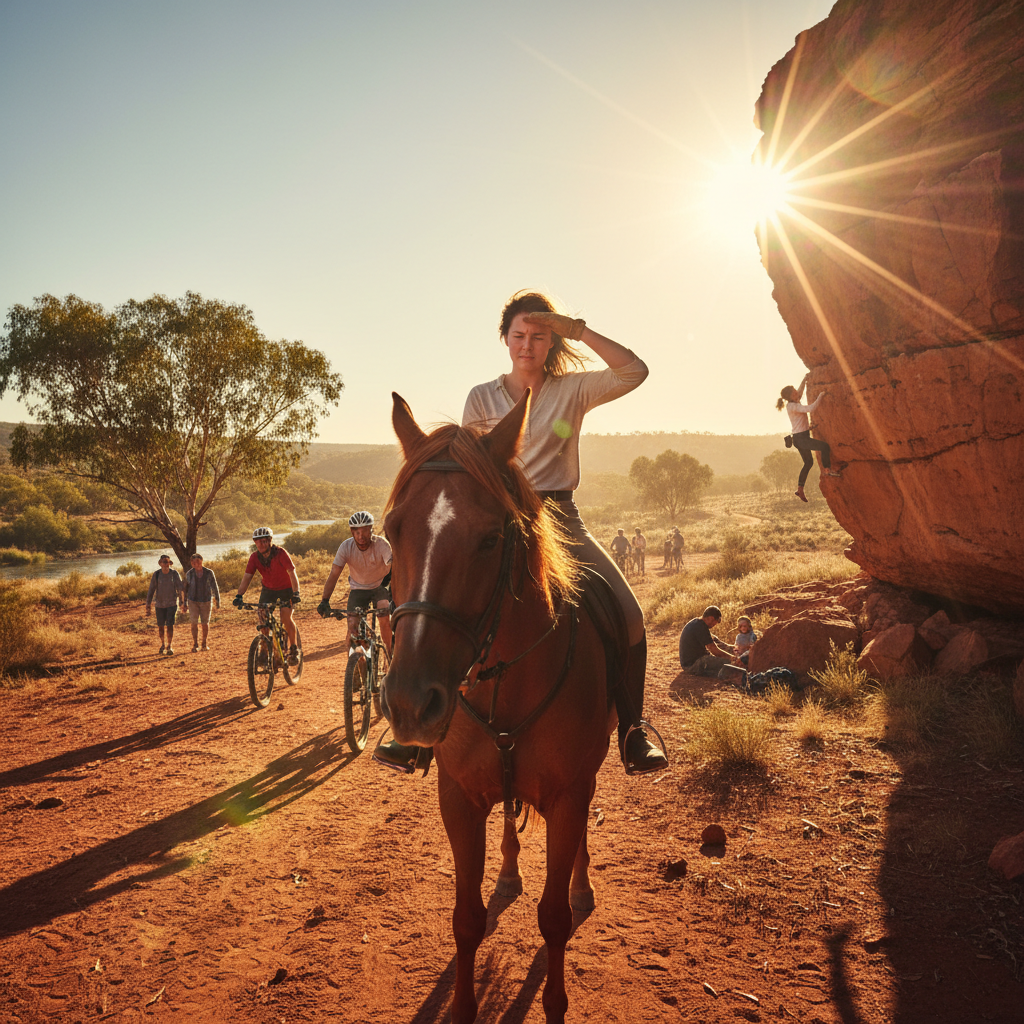
Wide-Brim Hats Aren't Cutting It: Why Equestrians Need More Sun Protection Now
Australia. Beautiful one day, potentially a blistering burn the next. We know this continent isn't messing around when it comes to the sun. For us equestrians, spending hours in the saddle under that relentless UV index means we’re constantly exposed. Many of us have relied on our trusty wide-brimmed riding hats for years, often worn over our helmets or even instead of. But the reality is, these hats are failing us when it comes to serious sun protection.
Let's get straight to it: That comfortable, familiar wide-brimmed hat you're used to wearing isn't enough. Not by a long shot. We're going to break down exactly why, especially under Australian conditions, and what you really need to stay safe and comfortable in the saddle.
The Illusion of Protection: Why Wide-Brims Fall Short
It’s not that wide-brimmed hats offer zero protection. They do provide some shade. But ‘some’ protection is a dangerous game when dealing with UV radiation that can cause premature ageing, sunburn, and skin cancer. Here's where they really miss the mark:
Incomplete Coverage: While the brim shades your face and nose, it leaves your ears, neck, and the sides of your face alarmingly vulnerable. These are prime spots for sunburn and long-term sun damage.
Airflow Issues: Many wide-brimmed riding hats are designed for style and a degree of sun avoidance, not for effective ventilation. This means they can get incredibly hot and stuffy, making you sweat more. Increased sweating can lead to discomfort and, ironically, might make you want to remove protective gear, not wear more.
Structural Vulnerabilities: When worn over a helmet (which is often the only safe way to wear one), the brim can become unstable. It can shift, tilt, or even detach in wind or during more active riding. This means your face is suddenly exposed, and the protection you thought you had vanishes in an instant.
UV Penetration: Not all hat materials are created equal. Cheaper fabrics, especially lighter colours, can allow UV rays to penetrate through the material, offering less actual protection than you might think, even for the areas it does cover.
Focus on the Wrong Problem: The primary danger in many equestrian activities is falls. A wide-brimmed hat offers no impact protection. Relying on it solely for sun safety means you’re neglecting a critical aspect of rider safety. Proper equestrian helmets are designed for impact, not sun protection.
Australia experiences some of the highest UV levels in the world. On a sunny day, the UV index can reach 10 or 11, which is classified as ‘Extreme’. This isn't a case for 'a little bit of shade'; it's a call for serious, comprehensive sun protection.
The Helmet Conundrum: Protection vs. Sun Burn
Modern equestrian helmets are designed for one thing: your safety in a fall. They’re mandatory in many disciplines for good reason. However, they are notoriously poor at providing sun protection. They're typically ventilated, which is great for cooling, but terrible for blocking the sun. The peaks on standard riding helmets are usually too small and positioned too low to offer significant shade to the face and neck.
So, you're left with a choice: wear a helmet and get sunburnt, or wear a wide-brimmed hat and risk impact injury. Neither is ideal. This is where the modern approach to equestrian sun safety for riders truly shines.
What a Proper Sun Protection Solution Looks Like
Forget the compromise. You need a solution that prioritises both UV protection and safety. This means integrating sun protection seamlessly with your existing safety gear, not trying to substitute inadequate items.
The Integrated Approach: Helmet-Mounted Brims
This is where innovation has made a significant difference for riders. Instead of a standalone hat, consider accessories designed to attach directly to your approved riding helmet. These are not a replacement for your helmet; they are an enhancement to its sun-blocking capabilities.
These helmet-mounted brims are engineered to:
Offer Full-Face and Neck Coverage: Unlike traditional hats, these extend significantly further, providing ample shade for your face, ears, and the back of your neck. This is crucial for preventing sunburn in those high-exposure areas.
Maintain Helmet Integrity: They attach securely to your helmet, ensuring they won't shift, fall off, or compromise the helmet's structural integrity or its ability to protect you in an impact. Your safety remains paramount.
Improve Airflow: Many designs are made from lightweight, breathable materials, and they don't impede the helmet’s existing ventilation system. This means you stay cooler and more comfortable, even on long rides in the heat.
Be Lightweight and Practical: They add minimal weight and bulk, so you barely notice they're there. They are easy to attach and detach, making them incredibly convenient.
Consider the Australian context again: long riding days, intense midday sun, and the need to be constantly vigilant. You can't afford distractions from sunburn or discomfort. A well-designed helmet brim offers consistent, reliable shade without compromising your safety.
Objections Handled: Common Concerns Addressed
"But my wide-brimmed hat is stylish!"
Style is important, but safety and health are non-negotiable. Thankfully, modern helmet brims are designed to be sleek and functional, often available in colours that complement your riding gear. You don't have to sacrifice aesthetics for effective protection. Plus, a sunburn or premature ageing isn't a great look long-term.
"Won't it make my helmet too hot?"
Quality helmet-mounted brims are designed with airflow in mind. They don't cover your helmet's ventilation ports. In fact, by providing shade, they can actually help reduce the surface temperature of the helmet, contributing to your comfort. Compare this to a heavy, non-breathable wide-brimmed hat that traps heat.
"Are they legal/approved?"
As long as the brim is attached to an approved riding helmet and does not compromise its safety standards or certifications, it is perfectly acceptable. The key is that the helmet itself is certified, and the brim is an accessory that enhances UV protection, not a replacement for impact protection.
"They look silly."
What looks sillier: a lightweight, practical brim that keeps you comfortable and protected, or a red, peeling sunburn from years of sun exposure? Functionality and long-term health trump fleeting perceptions of style every time. Many riders find them to be incredibly effective and, in their own way, rather smart-looking.
"I only ride for short periods."
Even short periods in the Australian sun can cause significant damage. The UV index doesn't care how long you're out; it's about your exposure. Cumulative exposure over time is a major factor in skin cancer development.
Essential Sun Safety Checklist for Riders
Here’s what you should be doing to protect yourself:
Wear an Approved Riding Helmet: This is your non-negotiable safety gear.
Enhance Your Helmet with a Sun Brim: Choose a wide, quality brim designed for helmet attachment that offers full face and neck coverage.
Apply High SPF Sunscreen: Use a broad-spectrum SPF 50+ sunscreen on any exposed skin, reapplying every two hours or after sweating/swimming.
Wear UV-Protective Clothing: Think long sleeves and pants made from lightweight, breathable, UPF-rated fabric for when you're not in the saddle or as an extra layer.
Sunglasses are Key: Protect your eyes with UV-blocking sunglasses.
Stay Hydrated: Drink plenty of water, especially on hot days.
Seek Shade When Possible: Utilise any available shade during breaks.
Check the UV Index: Be aware of the daily UV forecast and plan your riding accordingly.
Installing Your New Sun Protection: A Simple Step-by-Step
Adding a helmet-mounted brim is usually straightforward. While specific instructions can vary by product, the general process is consistent.
1. Familiarise Yourself with Your Brim: Unpack your new brim and read any included instructions. Understand how it attaches.
2. Identify Attachment Points on Your Helmet: Most helmet brims use the ventilation holes or a secure clip system. Look for the designated areas on your helmet where the brim will connect.
3. Align the Brim: Position the brim so it sits correctly over your helmet peak, ensuring it's centred.
4. Secure the Attachment Mechanism: This typically involves:
Velcro Straps: Threading sturdy Velcro straps through ventilation holes and securing them on the underside of your helmet.
Clips: Gently but firmly clipping the brim onto the edges of your helmet.
Magnets: Some advanced systems use magnetic attachments.
5. Test for Stability: Gently tug and move the brim to ensure it's firmly attached and doesn't wobble or shift. If it feels loose, re-adjust the straps or clips until it's secure.
6. Check for Comfort and Coverage: Try on your helmet with the brim attached. Ensure it provides the expected shade and doesn't feel awkward or interfere with your vision or helmet fit.
For specific, detailed instructions tailored to your new gear, always refer to the manufacturer’s guide. Many find our How to Install guide to be very helpful.
The Bottom Line: Invest in Comprehensive Protection
Riding in Australia demands respect for the sun. Relying on inadequate sun protection like a standard wide-brimmed hat worn over a helmet, or worse, instead of one, is simply not good enough. You’re risking your health and potentially compromising your safety.
The best approach is to combine the impact protection of an approved riding helmet with enhanced, integrated UV protection. Helmet-mounted brims offer an effective, practical, and safe solution. They ensure you get the shade you need without risking falls or discomfort.
Don't wait until you're dealing with the consequences of sun damage. Prioritise your health and enjoy your time in the saddle with confidence. Explore our range of Products designed for equestrian sun safety.
For more tips and answers to your questions, check out our FAQ or browse our Blog for further articles on equestrian safety and gear.