
Why Climbers Get Sunburnt on Cool Days: Protecting Your Scalp and Face
Don't let a cool breeze fool you. Climbers are at high risk of sunburn, even on overcast days. Learn why and how to protect exposed skin, especially your scalp and face.
Why Climbers Get Sunburnt on Cool Days: Protecting Your Scalp and Face
As a climber, you know the drill: gear up, head out, conquer. But are you thinking about the sun, even when the air feels crisp? Too many climbers, especially here in Australia, get caught out by sunburn on what they thought were 'cool' days. This isn't just about a bit of redness; prolonged sun exposure can lead to serious skin damage, and some areas are more vulnerable than you think.
This guide is for you, the climber who wants to stay out longer and safer. We're cutting through the myths and giving you practical, no-nonsense advice on how to stop sunburn from ruining your ascent, even when the temperature doesn't feel like a scorcher.
The Unseen Threat: UV Radiation and Your Helmet
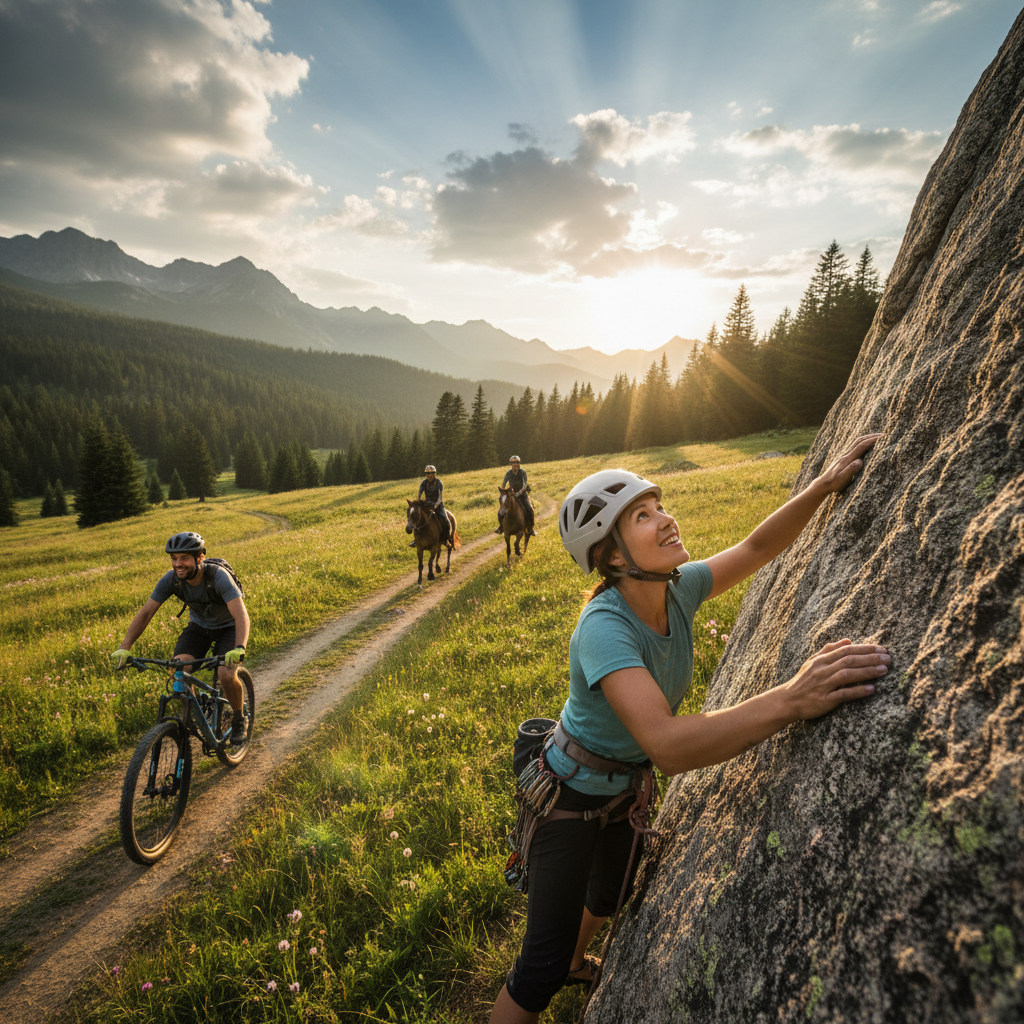
You're wearing a helmet. That's a win for head protection. But let's be clear: most climbing helmets are designed for impact, not for blocking the sun. They leave a large portion of your face, neck, and crucially, your scalp, exposed. On a cooler day, you might not feel the heat of the sun directly, but the ultraviolet (UV) radiation is still present and just as damaging.
Here's why you can still get burnt:
UV Radiation Penetrates Clouds: Thinking cloud cover offers total protection? Think again. Up to 80% of UV rays can break through light cloud cover. So even on an overcast Tuesday, you're getting exposed.
Reflection from Surfaces: Rock faces, snow (less common in most Australian climbing spots, but still relevant), sand, and even water reflect UV rays, meaning you're getting a double dose of exposure from direct sunlight and reflected light.
Altitude Increases UV Exposure: While not as extreme as high mountain climbing, even moderate increases in altitude can mean you're closer to the ozone layer, leading to higher UV exposure. You've often got less atmospheric screening between you and the sun.
Long Exposure Times: Climbers spend hours on the rock. Even low levels of UV radiation, sustained over a long period, add up quickly. That 'mild' exposure throughout your climb can result in a nasty burn by the end of the day.
The 'Cool Day' Deception: This is the most common trap. You're not sweating profusely, you don't feel the skin-prickling heat, so you assume the sun isn't strong. But UV radiation isn't directly related to temperature. A cool, sunny day can have a higher UV Index than a hot, hazy, or cloudy day.
What's at Risk? Beyond the Obvious
Most people think about sunburn on their arms, shoulders, or the backs of their necks when they're outdoors. But for climbers, the forgotten zones are critical:
Your Scalp: This is a huge one. Hair offers some protection, but around your hairline, partings, or if you have thinner hair, your scalp is highly vulnerable. Sunburn here is incredibly painful, can flake for weeks, and significantly increases the risk of skin cancers, including melanoma, which is prevalent in Australia.
Your Face: The bridge of your nose, your ears, your cheeks, and your forehead are constantly exposed. These areas are often the first to burn because they're less protected by clothing and can't easily be covered while climbing. Remember those moments when you pull your beanie down, only for it to slip back, exposing your forehead and the top of your ears?
Your Neck: While parts of your neck might be covered by your collar, the nape of your neck and the sides are often exposed, especially when you tilt your head back to look up at the route or to place your helmet.
The Downside of Sunburn: More Than Just Pain
Let's be honest, sunburn is miserable. It's painful, limits mobility, and can make sleeping difficult. But the consequences go far beyond a few days of discomfort:
Accelerated Skin Aging: UV damage breaks down collagen and elastin, leading to premature wrinkles, leathery skin, and age spots. This is cumulative and irreversible.
Increased Risk of Skin Cancer: This is the big one. Australia has one of the highest rates of skin cancer in the world. Repeated sunburn, especially blistering sunburn from childhood or adolescence, and cumulative sun exposure significantly elevate your risk of developing basal cell carcinoma, squamous cell carcinoma, and potentially deadly melanoma.
Eye Damage: Prolonged UV exposure can contribute to cataracts and other eye conditions. While a helmet might offer some shade, it's not enough for comprehensive eye protection.
Practical Protection: How to Stay Sun Safe While Climbing
This isn't about scaring you; it's about empowering you to climb smarter and safer. You've invested in good gear; now invest in protecting your skin. Forget the excuses; let's get practical.
Sunscreen is Non-Negotiable
This is your first line of defence. Don't rely on 'sweat-proof' claims alone; reapplication is key.
Choose Wisely: Look for broad-spectrum SPF 50+ sunscreen.
Apply Generously and Early: Apply sunscreen at least 15-20 minutes before you head out. This allows it to absorb properly.
Don't Forget High-Risk Areas: Scalp (especially partings and hairline), ears, nose, neck, and lips (use a lip balm with SPF).
Reapply: Sunscreen degrades with sweat and friction. Reapply every two hours, or more frequently if you're sweating heavily or get wet. It's easy to forget when you're focused on the climb, so set a timer or have a climbing buddy remind you.
Beyond Sunscreen: Essential Sun Protection Strategies
Sunscreen is vital, but it's not the only solution.
Protective Clothing: Lightweight, UPF-rated long-sleeved shirts and pants are ideal for prolonged outdoor activity. They offer consistent protection that doesn't wash off.
Hats: A wide-brimmed hat is great for approaches and descents but often impractical or impossible to wear with a climbing helmet. For climbing itself, we'll address this below.
Sunglasses: Protect your eyes during the approach, descent, and any belay breaks. Look for sunglasses that offer 100% UV protection.
The Helmet Problem & The Solution: Introducing Da Brim
As mentioned, climbing helmets aren't built for sun protection. They leave your face exposed to direct sunlight and reflected UV rays, especially when you're looking upwards. This is where a simple, effective solution comes in.
Da Brim's Helmet Brims are designed to attach to your existing climbing helmet, significantly increasing the shade provided to your face and neck. They come in various sizes and styles, offering practical, on-the-go sun protection without compromising your helmet's safety features or your ability to move.
Extended Shade: Da Brim extends the brim of your helmet forward, casting shade over your forehead, nose, and cheeks. This is crucial for preventing those painful sunburns on your face.
Neck Protection: Some models also offer a rear brim or are designed to curve downwards, providing shade and protection to the nape of your neck.
Easy Installation: No complex procedures. Da Brim attaches easily using strong Velcro or adjustable straps. Check out our How to Install guide for a quick demonstration.
Lightweight and Durable: Made from tough, lightweight materials, they won't weigh you down or add significant bulk.
Australian Conditions: Designed with the harsh Australian sun in mind, Da Brim is a practical addition for any climber spending time outdoors.
Da Brim vs. Other Hoods/Scarves
You might think a hood or scarf is an alternative. While they offer coverage, they can be a hazard. A loose hood can obstruct vision or get caught. Scarves can be restrictive. Da Brim is specifically designed to integrate with your helmet, maintaining clear sightlines and safety.
Best Practices for Helmet-Branded Climbers
Here's a consolidated checklist to ensure you're covered:
Your Pre-Climb Sun Protection Checklist:
[ ] Apply SPF 50+ broad-spectrum sunscreen 20 minutes before going outside.
[ ] Pay special attention to scalp (hairline, partings), ears, nose, face, and neck.
[ ] Use SPF lip balm.
[ ] If your helmet isn't equipped with an adequate brim, consider attaching a Da Brim Helmet Brim to provide extended shade.
[ ] Wear UPF-rated long clothing if possible.
[ ] Wear UV-protective sunglasses for approaches and breaks.
[ ] Ensure your climbing helmet is properly fitted and certified.
Step-by-Step: Enhancing Your Helmet for Sun Safety
Got your helmet? Great. Now, let's make it sun-ready.
Step 1: Assess Your Current Helmet's Shade
Stand in direct sunlight. Tilt your head back slightly as if looking up at a climb. Observe where the sun hits your face and scalp. Does the existing helmet brim offer sufficient shade across your forehead, nose, and cheeks? For most standard climbing helmets, the answer is likely 'no'.
Step 2: Choose Your Da Brim
We offer different styles to suit various helmets and preferences. Consider how much frontal shade you need and whether you want additional neck coverage. Our Products page has details on each option.
Step 3: Install Your Da Brim
This is the easy part. Most Da Brims attach using strong Velcro strips or adjustable straps that secure to your helmet's ventilation holes or adjusters. Follow the simple instructions in our How to Install guide – it takes just minutes.
Step 4: Regular Reapplication and Reassessment
Even with a Da Brim, sunscreen is still essential for exposed areas not covered by the brim (like the sides of your face, neck, ears) and your scalp. Reapply sunscreen every two hours as a minimum.
Step 5: Pack for the Long Haul
Always pack extra sunscreen, lip balm with SPF, and consider that wide-brimmed hat for the hike in and out. You can find all your sun protection needs in our Products section.
Common Objections & How to Handle Them
"It looks silly."": Does staying sunburned, risking skin cancer, and looking prematurely aged look any better? Functionality and health trump aesthetics when it comes to serious outdoor pursuits. Plus, a Da Brim is a practical upgrade, not a fashion statement.
"It's too much hassle."": Applying sunscreen takes two minutes. Installing a Da Brim takes two minutes, once. Reapplying sunscreen takes 30 seconds. Is that more hassle than a painful sunburn and the potential long-term health consequences?
"I don't burn easily."": Everyone burns, eventually. Cumulative UV exposure is the leading cause of skin cancer. Even if you don't get a visible burn, the damage is happening. This is especially true for your scalp, which often doesn't show the damage until it's severe.
"I'll just wear a cap under my helmet."": A baseball cap or beanie under a climbing helmet can interfere with the helmet's fit and safety features. It can also make your head too hot. A Da Brim is designed to work with your helmet for optimal safety and comfort.
Final Word: Protect Your Passion
Climbing is your passion. Don't let preventable sun damage sideline you or compromise your long-term health. The Australian sun is intense, even on cool days. Understand the risks, implement practical solutions, and make sun safety a non-negotiable part of your climbing routine.
Investing in a Da Brim Helmet Brim is a small step that offers significant protection for your most vulnerable areas. Combine it with diligent sunscreen application and other protective measures, and you can focus on what you love: the climb. For more frequently asked questions, head over to our FAQ. If you're ready to upgrade your helmet's sun protection, browse our Products.
Happy, and safe, climbing!
---
Check out our Blog for more tips on outdoor safety and gear.