
The Unseen Sunburn: What Horse Riders Forget About Sun Protection
Horse riders face intense sun exposure. Beyond sunscreen, learn what most miss for effective sun protection, especially in Australia.
The Unseen Sunburn: What Horse Riders Forget About Sun Protection
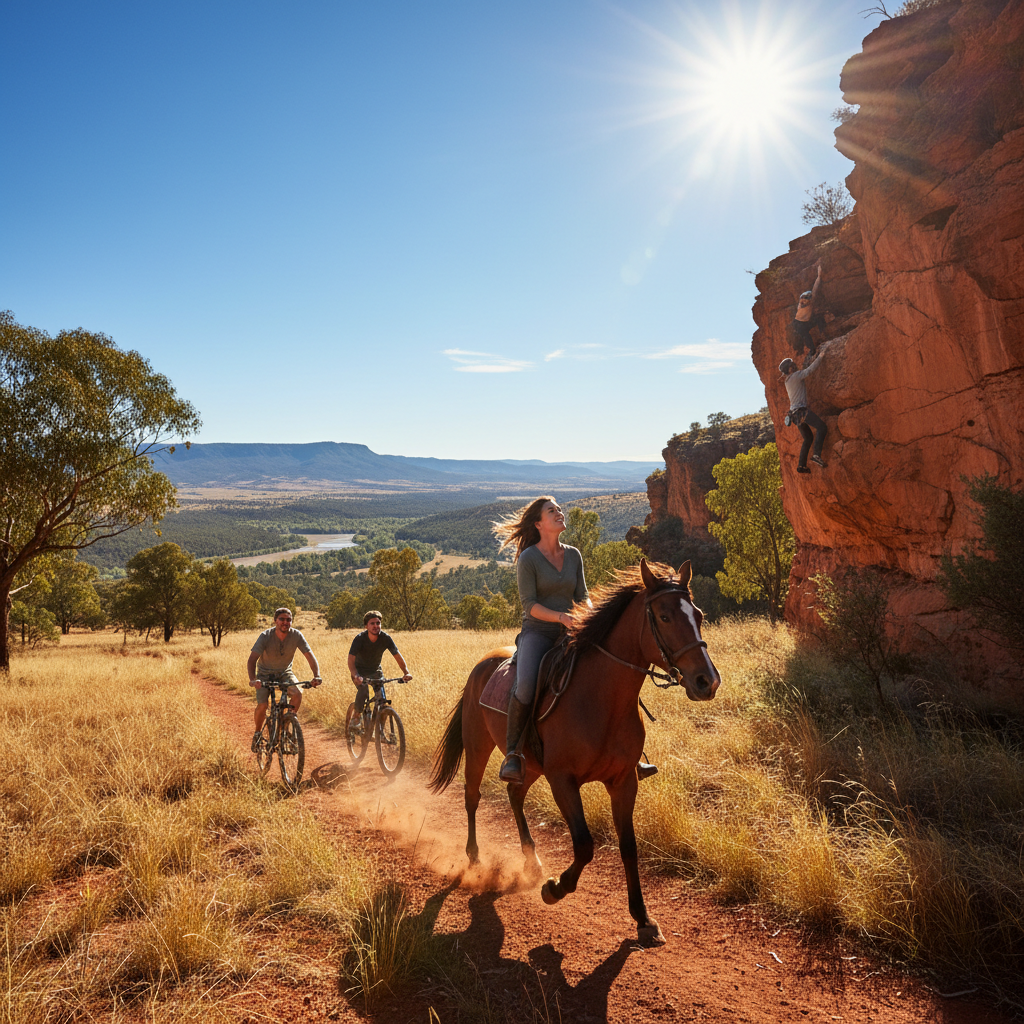
Let's be straight. Riding a horse is brilliant. The connection with your animal, the freedom of the countryside – it’s unbeatable. But out there, under the Aussie sun, you’re also a prime target for UV damage. And most riders aren’t doing enough to protect themselves.
You probably slap on sunscreen. Good start. You might wear a hat. Okay. But it’s the small details, the things most people overlook, that make the real difference between a pleasant ride and a painful, sunburnt aftermath. Especially here in Australia, where our UV index can soar, our days can be long, and the heat can be relentless.
This isn’t about scaring you. It’s about giving you the practical, no-nonsense advice you need to enjoy your riding, safely.
The Obvious (and What's Missing)
We all know the sun is harsh. We know about melanoma and premature aging. So, what’s the obvious advice?
Sunscreen: SPF 50+, broad-spectrum, reapply every two hours, especially if sweating.
Hats: Wide-brimmed, for when you’re not riding.
Clothing: Long sleeves, UPF fabric.
That’s the basics. But for horse riders, the reality is a bit more complex.
The Helmet Problem
If you ride, you wear a helmet. That’s non-negotiable for safety in equestrian sports. But here’s the kicker: most helmets offer zero brim coverage. Your face, ears, and neck are exposed. Consider the UV index. On a clear summer day in Australia, it can be 11 or higher – extreme. That means sunburn can happen in as little as 10 minutes.
Think about your typical ride. Even a short 30-minute trot can mean significant sun exposure to your face. Over weeks and months, this adds up to a serious risk. Many riders just don’t think about the limited coverage their helmet provides, assuming its safety focus excludes sun protection.
The 'I'm Only Out for an Hour' Trap
Your brain tells you, “I’m just going for a quick hack.” Even an hour, particularly during peak UV times (10 am to 3 pm), is enough to cause damage. Add in the reflection off the sand or arena surface, and the intensity increases. You're getting hit from above and below.
This is where most riders get complacent. They might apply sunscreen before they leave the house, but they forget reapplication. They might forget the ears, the hairline, the back of the neck – areas that are particularly vulnerable and often exposed even with some hair or a riding cap. And of course, the brim of the helmet itself offers no protection.
Heat Stress: More Than Just Discomfort
We’re not just talking about sunburn. The Australian heat can be brutal. Long riding sessions, especially during warmer months, can lead to dehydration and heatstroke. This isn't just about feeling hot; it's a serious medical emergency. Symptoms include dizziness, nausea, confusion, and even loss of consciousness – all incredibly dangerous when you're on horseback.
What most riders miss is the synergistic effect of sun exposure and heat. Intense sun amplifies the body’s struggle to regulate temperature. A helmet that offers no ventilation or doesn't provide shade can trap heat, making you even more susceptible to heat-related illnesses.
The Overlooked Areas: A Rider's Checklist
Let’s break down the areas we often neglect:
Ears: These burn easily, especially the tops and lobes. They're often exposed regardless of hair length and a standard helmet offers no coverage.
Neck: The back of your neck is a common sunburn spot. Even with a high collar, sweat can wash away sunscreen, and direct UV exposure is significant.
Hairline and Scalp: If you have thinning hair or a parting, this is a vulnerable spot for sun damage and can lead to skin cancers.
Upper Lip and Under the Chin: These areas can get missed during sunscreen application or become exposed due to sweat.
Eyes: Beyond feeling uncomfortable, UV rays can damage your eyes over time. Wrinkles around the eyes (crow's feet) are also a direct result of sun exposure.
Practical Solutions: Beyond the Standard Routine
So, what can you actually do about it? It’s about layering your protection and being smart.
1. The Helmet Solution: More Than Just Safety Gear
This is where things change. A standard riding helmet is built for impact, not sun protection. You need a way to add shade without compromising safety or comfort. This is precisely why our Products are designed. A helmet brim attaches securely, offering crucial shade for your face.
It’s not about looking fashionable; it’s about functional, extended sun protection. Proper installation is key, and you can find out How to Install our brims in just a few minutes.
2. Sunscreen Smarts
Choose wisely: SPF 50+, broad-spectrum. Look for formulas designed for sweaty activities or water resistance (even if you’re not swimming, it means it’s designed to stay put). Don’t be stingy with application.
Reapply: This is crucial. Carry a small tube or stick and apply it to your face, ears, neck, and any exposed skin during your ride if it's longer than a couple of hours. A sunscreen stick is often easier to apply without smudging your sunglasses or making a mess.
Don't forget your lips: Use a lip balm with SPF.
3. Beyond the Basics: Advanced Rider Protection
UPF Clothing: Invest in good quality UPF (Ultraviolet Protection Factor) rated clothing. Long sleeves and leggings can be your best friend, even in warmer weather if the fabric is breathable and light.
Sunglasses: Choose sunglasses that offer UV protection. Wrap-around styles are best for minimizing the amount of light that can sneak in from the sides, protecting your eyes and the delicate skin around them.
Hydration is Key: This combats heat stress. Carry water with you and sip regularly, even before you feel thirsty. Electrolyte drinks can be beneficial on very hot or long rides.
A Table of Top Rider Sun Protection Mistakes
Here’s a quick rundown of what most riders get wrong:
| Mistake | Why it's a Problem | Solution |
|---|---|---|
| Relying solely on sunscreen | Sweat washes it off, missed spots, reapplication fails | Layer protection: sunscreen + brim + UPF |
| Forgetting ears and neck | Highly exposed areas, painful burns | Dedicated application, helmet brim coverage |
| Thinking helmets protect from sun | Helmets are for impact, not UV | Add a helmet brim for shade |
| Underestimating UV on cloudy days | UV rays penetrate clouds | Sun protection is always required |
| Not reapplying sunscreen | Efficacy wears off, especially with sweat | Carry and reapply regularly |
| Ignoring heat stress risks | Sun amplifies dehydration and heat illness | Hydration, cooling strategies, shade |
Your Post-Ride Check
Even with the best intentions, it’s worth doing a quick check after your ride. Take a look in the mirror. Did you miss any spots? Is your neck red? Are your ears feeling hot?
This isn’t about perfection. It’s about vigilance. It’s about understanding the real risks of our beautiful Australian environment and taking practical steps to mitigate them.
Step-by-Step Rider Sun Protection Plan
Here’s how to build a better sun protection routine:
1. Pre-Ride Prep (15 mins before):
Apply broad-spectrum SPF 50+ sunscreen generously to face, ears, neck, and any other exposed skin. Don't forget your lips (SPF balm).
If wearing UPF clothing, put it on.
Ensure your helmet brim is securely attached. How to Install is simple.
Put on UV-protective sunglasses.
2. During the Ride (every 2 hours or after significant sweat/water exposure):
Reapply sunscreen: Use a sunscreen stick or roll-on for easy application without smudging.
Reapply lip balm.
Drink water: Sip regularly.
3. Post-Ride Check:
Inspect skin for any redness or missed spots.
Cool down, rehydrate.
If you have any concerns, check our FAQ or consult a health professional.
Don't Let the Sun Spoil Your Ride
We love riding in Australia, but we have to respect the sun. It’s powerful, and the risks are real for us equestrians. By acknowledging what most people miss – the limited helmet coverage, the need for consistent reapplication, the heat stress risks – you can significantly improve your protection.
It’s about smart, practical additions to your safety gear and routine. Don't wait for sunburnt ears or heat exhaustion to remind you. Invest in proper protection and stay safe out there. You can explore our range of solutions and find the right fit for your helmet on our Products page. For more tips and articles, visit our Blog.
Ride safe, ride smart.