
The Sun's Sneaky Trick: How Rock Reflection Amplifies UV Damage for Helmeted Climbers
Don't let reflection fool you. Rock bounces UV rays, increasing your sun exposure even when you're wearing a helmet. Learn how to protect yourself.
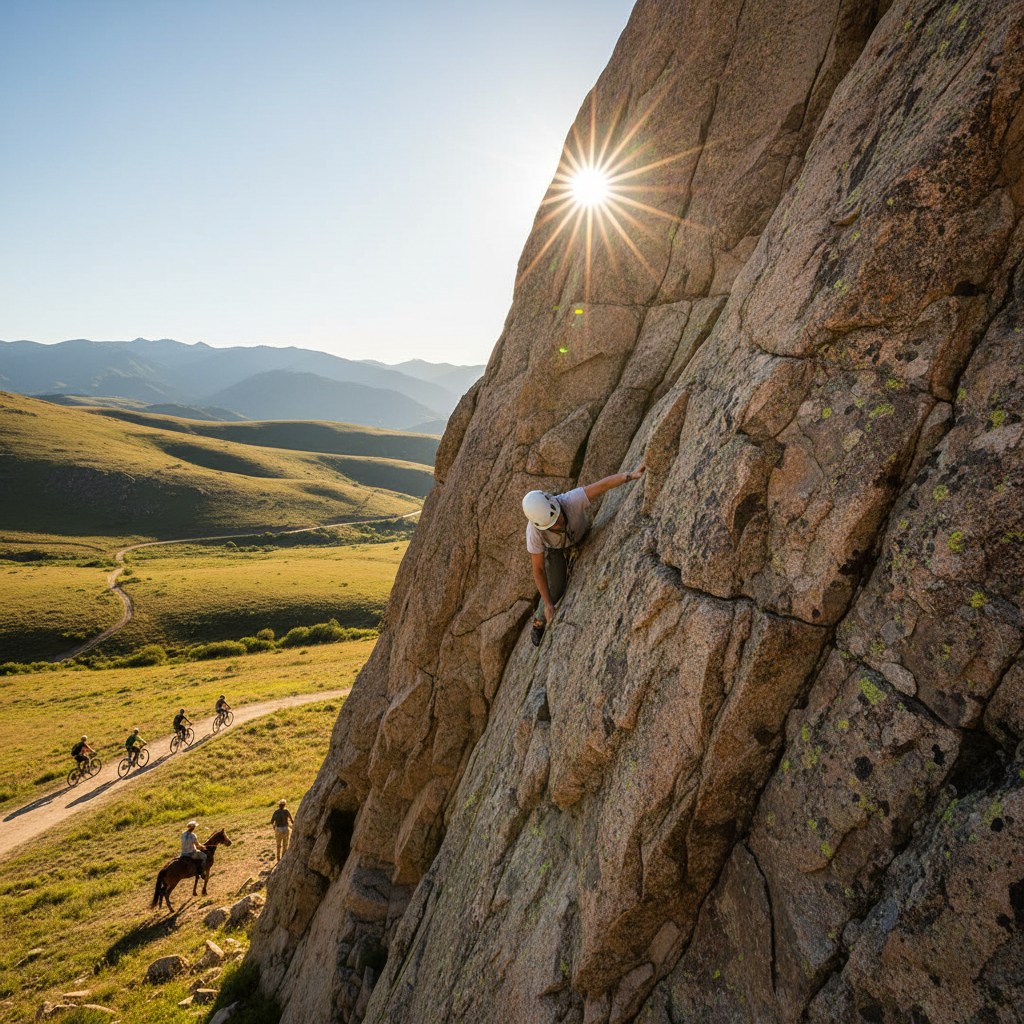
The Sun's Sneaky Trick: How Rock Reflection Amplifies UV Damage for Helmeted Climbers
Australia. We love our sun. We love our blue skies. And for many of us, those skies are best enjoyed from the side of a cliff, helmet strapped on, ready for the climb. But there’s a hidden danger lurking in our glorious sunshine that even a quality helmet can't fully shield you from: UV reflection.
Think of your helmet as a shield. It's designed to protect your noggin from impacts, and yes, it offers some shade. But what happens when that shield is hit by the sun, and then that sunlight bounces off the very rock you're climbing?
This isn't some abstract scientific theory. This is practical, on-the-ground reality for anyone spending time outdoors in Australia, especially our climbers. The Australian sun is notoriously harsh, with UV Index readings frequently hitting extreme levels, particularly during peak hours and in the summer months. Long days spent on the rock mean prolonged exposure, and that's where UV reflection becomes a serious concern for your skin and eyes.
Understanding UV Reflection: It's Like an Echo for Sunlight
UV (Ultraviolet) radiation from the sun is responsible for sunburn, premature ageing, and increases your risk of skin cancer. While your helmet provides direct shade for the top of your head and face (depending on its design), it doesn't block UV rays from hitting surfaces around you. And those surfaces – particularly pale or light-coloured rock – are highly reflective.
Here’s the breakdown:
Direct UV: This is the sunlight hitting you directly. Your helmet helps here by blocking a good portion of it from reaching your scalp and face.
Indirect UV: This is UV radiation that has been scattered by the atmosphere. It comes from all directions, which is why you can still get a tan on a cloudy day.
Reflected UV: This is the crucial bit. Sunlight hits a surface (like a rock face, sand, water, or even snow) and bounces off. This reflected UV can then hit exposed skin that might have been missed by direct sunlight, or it can hit your helmet and still bounce onto your face and neck.
The danger for rock climbers is that rock is often a highly reflective surface. Light-coloured granite, sandstone, and even some limestone can bounce a significant amount of UV radiation back towards you. This means you're effectively getting a double dose of UV exposure: the direct sun plus the reflected sun.
Your helmet, while essential, primarily protects against direct trauma and offers some shade. It’s not designed to be a UV-proof umbrella for reflected rays hitting your neck, ears, or the areas around the brim.
Why Australian Conditions Make This Worse
We’re not in Kansas anymore. Australia’s geographical location and climate mean we face some of the harshest UV radiation on the planet. Factors contributing to this include:
Proximity to the Equator: Closer to the equator means the sun’s rays hit more directly.
Ozone Layer: While fluctuations occur, historically, certain areas have had a thinner ozone layer, offering less natural UV filtering.
High UV Index: We regularly see UV Index readings of 10-12 and above, which are classified as ‘Very High’ or ‘Extreme’. You don't need to be a scientist to know that's serious.
Long Daylight Hours: Particularly in summer, long days mean more cumulative UV exposure.
Clear Skies: Our often cloudless skies allow maximum direct UV penetration.
Combine these brutal conditions with highly reflective rock faces, and you've got a recipe for significant sun damage. Even if your helmet covers most of your head, the sun beating down on the rock will create a reflected UV field that can still significantly impact your unprotected skin.
Common Objections and Why They Don't Hold Up
Let's tackle some of the reasons climbers might dismiss this increased risk:
"I wear a helmet, so I'm protected."
Reality: As discussed, helmets primarily protect against impact and offer direct shade. They are not designed to block reflected UV radiation from all angles, especially on your neck, ears, and the lower parts of your face not covered by the brim.
"I've never really burned much climbing."
Reality: Sun damage is cumulative. You might not be getting blistering sunburns every time, but you are accumulating UV damage that leads to premature ageing and increases your long-term skin cancer risk. This is especially true with reflected UV, which can hit areas you might not consciously protect.
"It’s too hot/annoying to wear more sunscreen on my face/neck."
Reality: Sunscreen is essential. While it can feel sticky in the heat, the long-term consequences of skipping it, especially with reflected UV, are far worse. There are lightweight, non-greasy formulas available. Plus, there are other solutions that don't involve slathering yourself in cream.
"The rock is too shaded for reflection to be a big deal."
Reality: Even on a partially shaded climb, areas of high sun exposure on the rock above, below, or to the side will reflect UV radiation. Remember, sunlight scatters and bounces. A brief respite from direct sun doesn't negate the reflective risk.
The Exposed Zones: Where Reflected UV Hits Hardest
Even with a helmet, these are the areas most vulnerable to reflected UV:
Neck (front and back): The back of the neck is often exposed, and reflected UV from the rock below can easily hit the front of your neck.
Ears: Earlobes are common sites for skin cancers.
Lower Face/Jawline: Sunlight reflecting upwards can hit these areas.
Under the Chin: Especially if you're looking up for extended periods.
Forearms and Hands: While you might wear long sleeves or gloves, these can get hot. If they're off, or if you're wearing shorter sleeves, reflected UV can increase exposure.
Protecting Yourself: A Practical Approach for Helmet Users
Your helmet is just one part of your sun protection strategy. For Australian conditions, you need a multi-pronged approach.
The Essential Checklist
[ ] High SPF Sunscreen: Apply generously to all exposed skin at least 20 minutes before sun exposure. Reapply every 2 hours, or more often if sweating heavily.
[ ] Wide-Brimmed Hat (Under Helmet? No!): A hat is great, but not under your climbing helmet. It compromises safety. More on this below.
[ ] Protective Clothing: Lightweight, long-sleeved shirts and long pants made from UPF-rated fabric are ideal. Think breathable synthetics or merino wool.
[ ] Sunglasses: Look for ones that offer UV protection for your eyes. Essential for reducing glare and protecting your retinas.
[ ] Lip Balm with SPF: Don't forget your lips!
[ ] Choose Your Climbing Time Wisely: Avoid the peak UV hours (roughly 10 am to 3 pm) when possible. Opt for early mornings or late afternoons during hotter months.
[ ] Hydration: Staying hydrated is important for overall well-being and can help your body cope with heat stress.
The Helmet and Sun Protection Conundrum
Wearing a hat under a climbing helmet is a significant safety issue. Helmets are designed to fit snugly and securely. Adding a layer can:
Reduce Impact Protection: The helmet might shift or not sit correctly, meaning it won't absorb impact as intended during a fall.
Cause Overheating: An extra layer can trap heat, leading to discomfort and potentially heat-related illness.
So, what's the solution? The focus shifts to protecting the areas not covered by your helmet, or areas the reflected UV can reach.
Extending Your Helmet's Protection: The Da Brim Solution
This is where accessories designed to enhance your existing gear come into play. While your helmet is there for impact, it doesn't offer much practical shade from reflected light. An attachable brim, like Da Brim, can be a game-changer.
Da Brim is designed to be worn over your existing helmet. It's not a helmet itself, but an add-on that provides significant extra shade.
How does an add-on brim help with reflected UV?
Blocks Upwardly Reflected Rays: The extended brim casts a larger shadow downwards, helping to shield your neck, ears, and lower face from UV radiation bouncing off the rock below or around you.
Reduces Glare: By extending the shade, it can also reduce direct sun glare that might otherwise catch your eyes.
Minimal Impact on Safety: Da Brim is designed to be lightweight and securely attach, minimising the risk of compromising your helmet's primary protective function. It’s not meant to stop a falling rock, but to enhance your comfort and protection from the sun.
See our How to Install guide for simple attachment instructions.
Step-by-Step Sun Protection for Your Next Climb
Here’s a practical routine to implement before and during your climb:
1. Pre-Climb Prep (At Home/Car):
Apply a broad-spectrum, high SPF sunscreen (SPF 30 or higher) to all exposed skin: face, neck, ears, arms, legs (if not covered). Wait 15-20 minutes for it to absorb.
Apply lip balm with SPF.
Ensure your clothing is appropriate (lightweight, UPF-rated long sleeves/pants are best).
Pack your sunglasses and any accessories like Da Brim.
2. *At the Crag (Before Gearing Up):
Reapply sunscreen if you had a long drive or were exposed to sun prior.
Put on sunglasses.
If using an attachable brim like Da Brim, fit it securely to your helmet. Check the fit of the helmet and brim together.
3. While Climbing:
Be mindful of your position on the rock and the direction of the sun. Even if you're in a patch of shade, UV is still present and reflecting.
If you feel your skin getting hot or notice increased glare, consider taking a break in a more shaded spot to reapply sunscreen or adjust clothing.
Stay hydrated. Drink water regularly.
4. Post-Climb:
Check for any areas that might have been missed during sunscreen application or reapplication.
Apply moisturiser to soothe sun-exposed skin.
Continue to hydrate.
Key Takeaways for Australian Climbers
UV Reflection is Real: Rock surfaces bounce UV rays, increasing your exposure beyond direct sunlight. This is amplified in Australia’s harsh UV environment.
Helmets Have Limits: While essential for impact, they don't fully block reflected UV radiation from all angles.
Exposed Areas: Your neck, ears, and lower face are particularly vulnerable to reflected UV.
Comprehensive Protection is Key: Combine sunscreen, protective clothing, sunglasses, and strategic timing with sun protection accessories.
- Don't Compromise Safety: Never wear a hat under your climbing helmet. Focus on protecting exposed skin.
Don't let the sun's sneaky trick catch you out. By understanding UV reflection and implementing practical sun protection strategies, you can continue to enjoy the incredible climbing Australia has to offer while safeguarding your long-term health. For more tips and product information, check out our FAQ or browse our Protection Gear. You can also find more articles on outdoor safety in our Blog.
Stay safe, climb on.