
The Rocky Truth: UV Reflection and Your Helmet
Think your helmet is enough in the sun? Think again. Rocky surfaces reflect UV rays, intensifying sun damage. Learn how to protect yourself while climbing in Australia.
The Rocky Truth: UV Reflection and Your Helmet
You're geared up, ready to tackle that route. Your helmet's on tight, offering a perceived shield. And it is, to a degree. But what happens when that shield encounters a sun-baked rock face? You get hit with a double dose of UV radiation. That's right, rock can reflect harmful UV rays, upping the ante on sun damage, especially under the harsh Australian sun.
This isn't theoretical. We're talking about real consequences for your skin and eyes. In Australia, the UV index can soar, even on cooler days. Long summer days and our proximity to the equator mean prolonged exposure is a constant threat. Assuming your helmet alone is sufficient is a common, and potentially damaging, oversight.
The Science of Shiny Rocks
Most people think of UV rays coming directly from the sun. And that's the primary source. However, UV radiation is also highly reflective. Different surfaces reflect UV rays to varying degrees. While water and sand are notorious for their reflectivity, rock isn't far behind. Especially lighter-coloured, smoother rock formations. Think granite, sandstone, and some limestone. These can bounce up to 25% of UV radiation back at you.
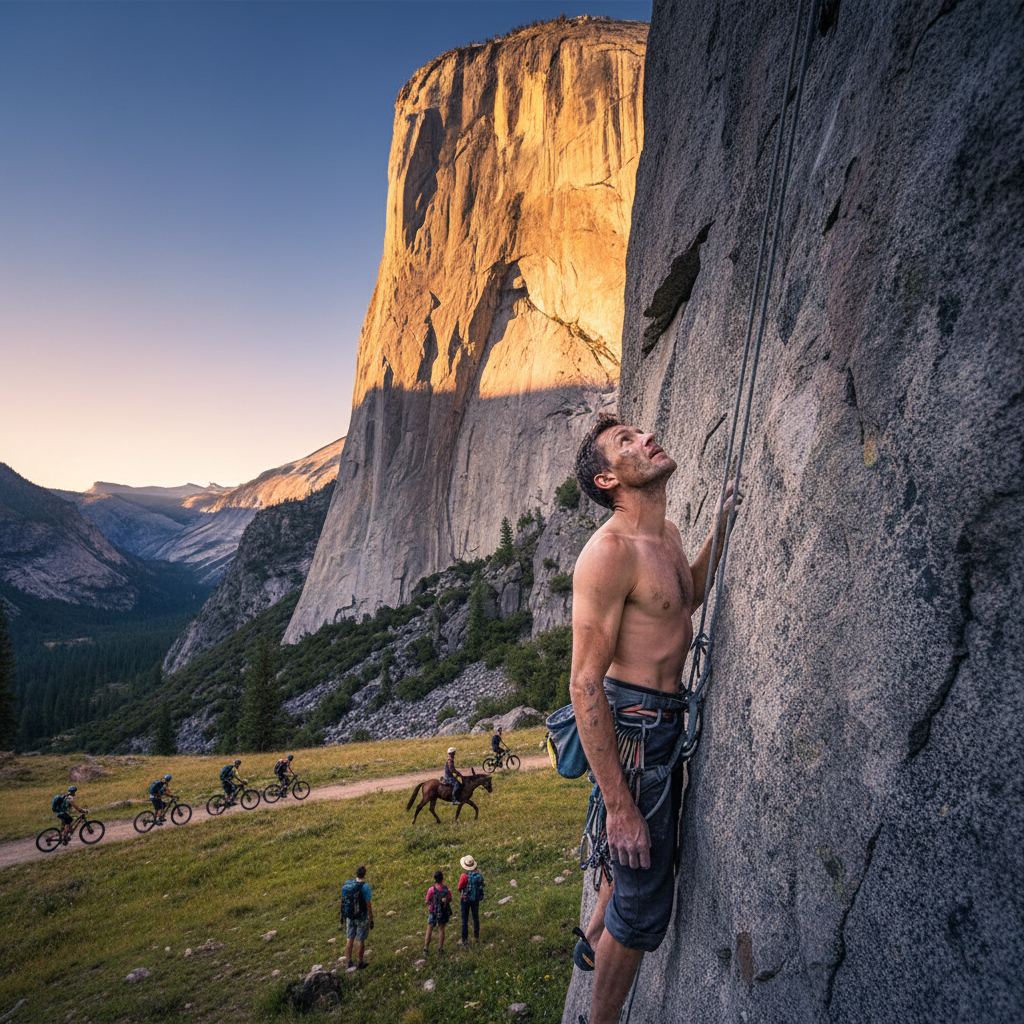
When you're climbing, particularly on a sunny day, you're often facing a large, sunlit rock surface. This means you're not just getting direct sunlight on your exposed skin and eyes; you're also getting reflected UV light from the rock face itself. This reflected UV adds to the total UV dose you receive, increasing your risk of sunburn, premature ageing, and even skin cancer.
Why This Matters for Helmet Wearers
Your helmet is designed to protect your head from impact. It’s a critical piece of safety equipment. However, most climbing helmets offer limited protection against UV radiation. They might cover your scalp, but your face, neck, and ears are often left exposed. When the rock below you is reflecting UV, those exposed areas become even more vulnerable. Imagine climbing a large overhang; you’re looking up, and the rock above and around you is reflecting sunlight directly onto your face.
Don't get complacent. Just because you're wearing a helmet doesn't mean you're fully protected from the sun's intensity when climbing on rock.
The Australian Sun: A Unique Challenge
Australia has one of the highest UV levels in the world. The UV Index is often in the 'very high' or 'extreme' categories during daylight hours, especially between September and April. This means that even short periods of unprotected sun exposure can lead to significant damage. For climbers, who often spend hours outdoors, often at higher altitudes where UV is stronger, the risk is amplified.
Consider these factors specific to Australian climbing conditions:
Long daylight hours: In summer, you can be out on the rock for many hours, extending your total UV exposure. Even if the UV index is moderate, the duration can become a problem.
Clear skies: Australian skies are often clear, with fewer clouds to filter the sun's rays.
Reflective surfaces: As discussed, rock is a significant reflector, and Australian landscapes often feature vast expanses of rock.
Heat: While not directly related to UV, high temperatures can lead to dehydration and fatigue, which can make you less likely to reapply sunscreen or take appropriate shade breaks.
Understanding UV Reflection in Different Scenarios
Let's break down how UV reflection impacts you on the rock:
Multi-pitch climbing: You're spending extended periods on the wall. The sun might be directly on you for a while, then you'll be in shadow, only for the rock face itself to bounce UV radiation onto your exposed skin and into your eyes. The longer you're out, the more cumulative exposure you get from both direct and reflected UV.
Bouldering: Even short bursts of activity can expose you. If you're bouldering on a sunny day, particularly on south-facing aspects (in the Southern Hemisphere), the rock is receiving direct sunlight and reflecting it back. When you're on the ground resting between attempts or spotting, you’re often directly below or beside these reflective surfaces.
Approach and descent: These walks often involve scrambling over open, rocky terrain, fully exposed to the sun's glare and the reflected UV.
The Risks: Beyond a Red Face
Sun damage isn't just about looking a bit flushed after a day out. The cumulative effects are serious:
Sunburn: The immediate, painful result of overexposure. Sunburns increase your risk of melanoma later in life.
Premature skin ageing: Wrinkles, sunspots, and leathery skin are caused by UV damage to collagen and elastin.
Eye damage: Pterygium (surfer's eye), cataracts, and photokeratitis (sunburn of the cornea) can all be exacerbated by UV exposure, especially reflected UV which can hit your eyes from multiple angles.
Skin cancer: The most serious risk. Basal cell carcinoma, squamous cell carcinoma, and melanoma are all linked to UV exposure.
Practical Solutions: What You Can Do
Your helmet is essential for impact protection. But for sun protection, you need a layered approach. Don't leave your skin and eyes vulnerable to that reflected UV.
Layering Your Sun Protection
Think of sun protection like your climbing gear: you need the right tools for the job.
1. Sunscreen: Apply a broad-spectrum SPF 50+ sunscreen generously to all exposed skin – face, neck, ears, hands. Reapply every two hours, or more frequently if sweating heavily. Don't forget the back of your neck, even if you're wearing a helmet; sweat can wash it away, and reflected UV can hit it from below.
2. Protective Clothing: Wear UPF 50+ rated long-sleeved shirts and long pants. These are designed to block UV rays. Even in hot weather, lightweight, breathable fabrics can be more effective than getting burned.
3. Wide-Brimmed Hat (for approaches/descents): While not suitable for climbing with a helmet, a wide-brimmed hat is crucial for protecting your face and neck during the approach and descent. It reduces glare and offers a significant amount of protection.
4. Sunglasses: Wear UV-blocking sunglasses that wrap around to protect your eyes from direct and reflected sunlight. Essential for belaying, spotting, and any time you're looking up or around in bright conditions.
5. Helmet Brim Extension: This is where your climbing helmet can get a significant upgrade in sun protection. A helmet brim extension, like Da Brim, extends the brim of your existing helmet significantly. This provides crucial shade for your face and neck, reducing the amount of direct and reflected UV that can reach your skin and eyes.
Integrating Da Brim Into Your Routine
Adapting your helmet for better sun protection is straightforward. Our Da Brim is designed to attach easily to most standard climbing helmets. It provides shade for your face, cheeks, and neck, directly combating the effects of UV reflection from rock faces. It's lightweight, durable, and can drastically improve your comfort and safety on long, sunny climbs. For detailed instructions, check out our How to Install guide.
A Simple Checklist for Sun-Smart Climbing
Before you head out on your next climb, run through this quick checklist:
[ ] Helmet: Is it securely fitted and in good condition?
[ ] Sunscreen: SPF 50+ broad-spectrum applied liberally to all exposed areas? (Remember back of neck, ears, hands)
[ ] Reapplication Plan: Do you have sunscreen with you for reapplication?
[ ] Protective Clothing: UPF rated long sleeves and pants?
[ ] Sunglasses: UV-blocking, wrap-around style?
[ ] Helmet Brim Extension: Is your Da Brim installed and providing effective shade? (See Products)
Common Objections and How to Handle Them
"My helmet keeps my head covered, that's enough."
Response: Your helmet protects your head from impact and covers your scalp. However, your face, neck, and ears are still exposed. Rock reflects UV rays, so you're getting a double dose. A shade-extending brim is necessary for comprehensive protection.
"It's too hot and cumbersome to wear extra sun protection."
Response: That's a common concern. However, the discomfort of sunburn or sunstroke is far worse. Lightweight, breathable UPF clothing and a well-designed helmet brim extender like Da Brim are designed to keep you cool and protected, not add to the heat.
"I don't burn easily."
Response: UV damage is cumulative. Even if you don't burn easily today, you're still accumulating cellular damage that can lead to premature ageing and skin cancer years down the line. The Australian sun is not forgiving.
"I'll just take breaks in the shade."
* Response: Shade breaks are good, but they don't undo the UV exposure you've already had, nor do they protect you when you're actively climbing or moving between shaded spots. Consistent protection is key.
Don't Let Reflected UV Ruin Your Climb
Climbing is an incredible way to connect with nature, and enjoying the outdoors responsibly means protecting yourself from the elements. The sun, especially in Australia, is a powerful force. UV reflection from rock surfaces is a real factor that significantly increases your sun exposure. Your helmet is a vital piece of safety gear, but for full sun protection, especially on rock, you need to augment it.
By layering your sun protection – using sunscreen, appropriate clothing, sunglasses, and a helmet brim extension like Da Brim – you can significantly reduce your exposure to harmful UV radiation. Don't let avoidable sun damage cut short your climbing adventures or compromise your long-term health. Stay safe, stay protected, and enjoy the rock.
For more tips and frequently asked questions, visit our FAQ page. And check out our latest blog posts for more on outdoor safety and gear at the Blog.