
The Hidden Sun Hazard: Why Rock Reflects UV Rays Straight To Your Helmet
Think your helmet protects you from the sun? Think again. Rock walls are more than just climbing surfaces; they're UV reflectors. Learn how to combat this hidden danger and protect your skin and eyes on Australian climbs.
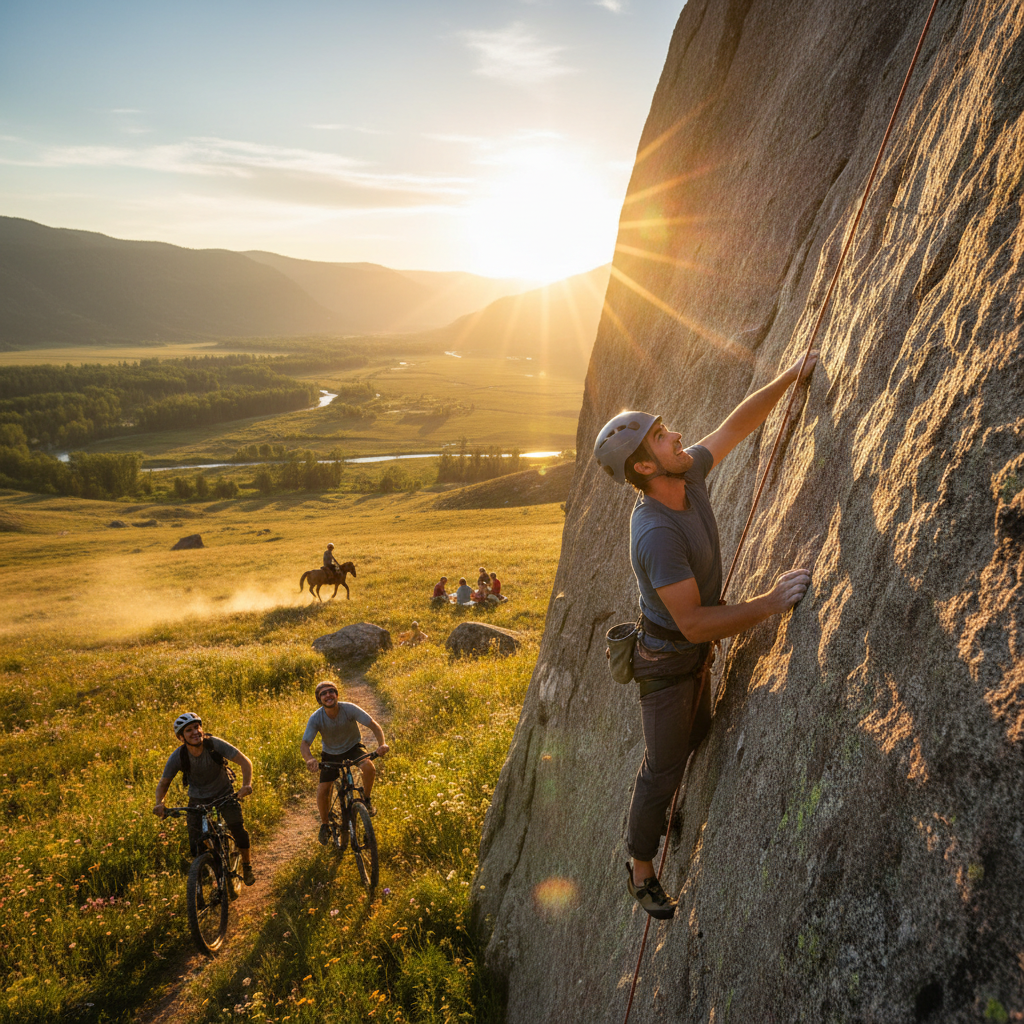
The Hidden Sun Hazard: Why Rock Reflects UV Rays Straight To Your Helmet
Australia. We love our outdoor lifestyle. And for many of us, that means climbing. Hitting a crag, pushing your limits, and enjoying those incredible views. But there's a silent, insidious danger lurking on every sun-baked rock face: reflected UV radiation. You might think your helmet is your shield, and it is, for direct sunlight. But it’s not designed to block the relentless bounce-back of UV rays from the very rock you’re clinging to. This is a serious sun-safety issue, especially under our harsh Australian sun.
The Unseen Enemy: UV Reflection
We all know the sun is brutal. Our UV Index often creeps into the ‘Extreme’ category, even outside of summer. But we often focus on direct exposure. We slap on sunscreen, wear hats, and put on sunglasses. But what about the UV rays that don't hit you directly? What happens when sunlight hits a rock face – a surface usually lighter in colour and often rough and textured – and bounces off? It reflects.
This reflected UV radiation can be a significant contributor to your overall sun exposure. Think of it like this: you’re getting direct sun from above, and then a secondary dose of UV coming at you from the sides and below, courtesy of the rock. This is particularly relevant in climbing scenarios where you're often looking up, with large expanses of rock surrounding you.
Why is Rock Different?
Different surfaces reflect UV light to varying degrees. Light-coloured, rough surfaces, like many rock formations, are excellent at reflecting UV rays. Sand, snow, and water are also notorious reflectors – and rock is no different. The intense, concentrated sunlight we experience in Australia, coupled with the vast surface area of a climbing wall, creates a perfect storm for amplified UV exposure.
The Risks: More Than Just a Sunburn
You might think a little extra sunburn is just part of the climbing experience. But the cumulative damage from UV reflection can have serious long-term consequences, in addition to the immediate discomfort:
Skin Damage: This includes premature aging (wrinkles, leathery skin), sunspots, and increased risk of skin cancer. Your face, neck, ears, and even the back of your hands are particularly vulnerable.
Eye Damage: Reflected UV can contribute to conditions like photokeratitis (snow blindness, but with rock!), cataracts, and pterygium (growths on the eye surface).
Increased Overall UV Dose: You're essentially receiving a double or even triple dose of UV radiation throughout your climb – direct overhead, reflected from the rock face, and potentially reflected from the ground below if you’re at the base of a cliff.
Are You Getting Enough Protection?
Your helmet is a critical piece of safety gear for falls and impacts, but it’s generally not designed for optimal sun protection, especially against reflected UV. Most helmets leave your face, neck, and ears exposed to indirect glare and reflected rays. This is why relying solely on your helmet for sun safety is a mistake under Australian conditions.
What Your Helmet Won't Block:
UV rays bouncing off the rock face at oblique angles.
UV rays reflecting off the ground or surrounding terrain.
Direct sunlight hitting exposed areas of your head, face, and neck.
Taking Control: Practical Sun Safety for Climbers
The good news is, you can significantly reduce your UV exposure with a few strategic additions to your climbing kit and routine. It's about being proactive, not reactive.
Integrating Sun Protection into Your Climbing Gear
This is where practicality meets performance. You need gear that works with your existing setup, not against it.
The Helmet Dilemma and Solutions
As mentioned, a standard climbing helmet leaves gaps. This is where a brim specifically designed for helmets comes into play. It extends the shadow cast by the helmet, further protecting your face and neck.
Consider the Da Brim. It's designed to attach to most helmets and significantly increases the sun protection by extending coverage. Think of it as adding a crucial layer of defence against that reflected UV hitting your face.
Other Essential Sun Protection Measures
This isn't just about the helmet. It's a holistic approach.
Sunscreen: Use a broad-spectrum, high SPF (50+) sunscreen. Apply liberally to all exposed skin 20 minutes before you head out, and reapply every two hours, or more often if sweating heavily or after swimming.
Lip Balm with SPF: Don't forget your lips! They can burn and contribute to skin cancer risk.
Sunglasses: Crucial for protecting your eyes from direct and reflected UV. Look for sunglasses that offer 100% UV protection and wrap around to block peripheral light.
Protective Clothing: Lightweight, long-sleeved shirts and long pants made from UPF-rated fabric offer excellent protection. Even when it’s hot, these can be more comfortable than constantly reapplying sunscreen and offer more reliable coverage against reflected UV.
When Are You Most at Risk in Australia?
Midday Sun: Between 10 am and 3 pm, the sun is at its strongest.
High UV Index Days: Pay attention to the UV Index. When it's 3 or above, sun protection is recommended. In many parts of Australia, this is a daily occurrence.
Longer Days: In spring and summer, the climbing days are longer, meaning more cumulative sun exposure.
Altitude: Higher altitudes mean less atmospheric filtering of UV rays.
Cloud Cover: Don't be fooled by clouds; UV rays can penetrate them.
Simple Table: UV Reflection Impact
| Location/Activity | Direct UV | Reflected UV | Total UV Impact | Mitigation Strategy |
|---|---|---|---|---|
| On a sunlit rock face | High | Very High | Extreme | Helmet brim, sunscreen, sunglasses, protective clothing |
| Beach | High | Very High | Extreme | Wide-brimmed hat, sunscreen, sunglasses, UPF clothing |
| Near water | High | High | High | Sunscreen, sunglasses, UPF clothing |
| Shaded area | Low | Low/Moderate | Moderate | Sunscreen on exposed areas, sunglasses |
Note: This table illustrates general impacts. Actual UV intensity varies based on time of day, season, latitude, and specific surface properties.
Step-by-Step: Implementing Better Sun Protection
Making changes can feel like a hassle, but it’s worth it. Here’s a simple way to integrate these practices:
1. Before You Leave Home:
Check the UV Index for your climbing location.
Apply broad-spectrum, high SPF sunscreen to all exposed skin, including your neck, ears, and any areas that might be exposed even with a helmet on.
Apply lip balm with SPF.
Wear sunglasses.
If using a helmet brim for extra coverage, ensure it's securely attached. See How to Install for easy fitting.
2. At the Crag:
Reapply sunscreen every two hours, or sooner if sweating.
Take breaks in the shade whenever possible.
Be extra vigilant when the sun is low in the sky or at its strongest. The reflected UV can be relentless.
3. Post-Climb:
Check your skin for any signs of excessive sun exposure.
Moisturise your skin.
Common Objections Handled
“It’s too hot to wear more layers/a brim.”
Modern UPF-rated clothing is designed to be lightweight, breathable, and cool. A helmet brim, in fact, can help keep the sun off your face and neck, potentially making you feel cooler. Prioritise protection over perceived discomfort – the long-term health benefits far outweigh a few minutes of adjustment.
“I’m only climbing for a short time/it’s cloudy.”
UV damage is cumulative. Even short exposures add up. And as mentioned, UV rays penetrate clouds. Don’t risk it. Our Australian sun doesn't discriminate based on cloud cover or how long you're out.
“My helmet is enough.”
As we’ve detailed, a helmet primarily protects against impact. It offers limited protection against reflected UV. Adding a Da Brim and other protective measures is essential for comprehensive sun safety.
“I’ve never had a problem before.”
The damage from UV radiation is often invisible in the short term. You might not see the effects for years. Skipping protection now is like gambling with your future health. Prevention is key. For more common questions, check out our FAQ.
Final Thoughts
Climbing in Australia is an incredible experience, but it comes with unique environmental challenges. The intense sun and reflective rock surfaces mean you’re constantly battling UV radiation from multiple angles.
Don’t let poor sun protection detract from your enjoyment or, worse, lead to long-term health issues. Equip yourself with the right gear – including essential sun protection solutions like a helmet brim – and adopt a proactive approach to sun safety. Your skin and eyes will thank you for it.
Ready to upgrade your sun protection? Explore our range of innovative helmets and accessories at Products.
---
This blog post is intended to provide general information about sun safety. Always consult with a healthcare professional for personalised advice. For details on specific product usage and installation, please refer to product manuals and our FAQ.*