
Sunburnt in Winter? Why Riders Still Need Helmet Protection
Think winter means no risk of sunburn? Think again. Australian riders often get burnt even when it's cool. Discover why and how to protect yourself.
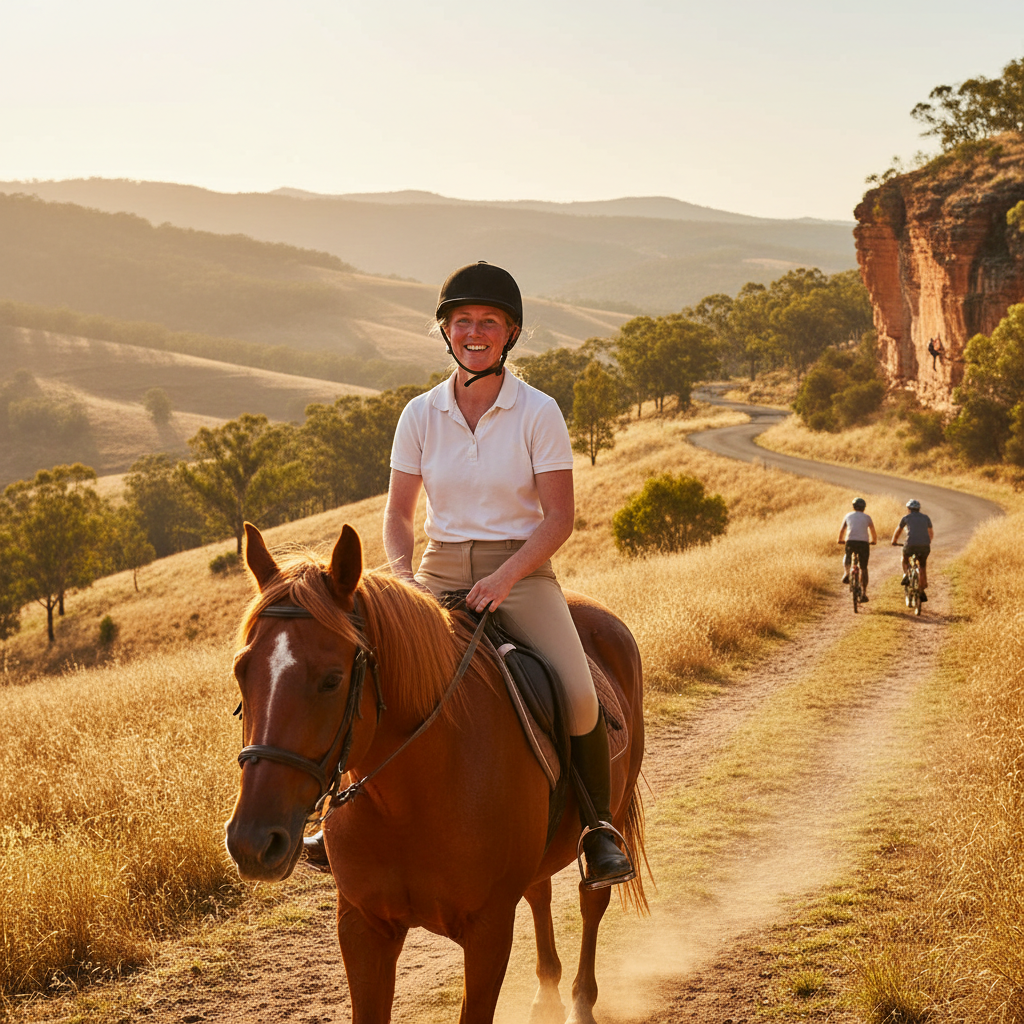
Sunburnt in Winter? Why Riders Still Need Helmet Protection
The days are shorter, the air is cooler, and you might even need a jumper for your morning ride. Winter in Australia can be deceiving. While the immediate threat of heatstroke might subside, the danger of sunburn doesn't vanish. Many riders, especially those spending hours in the saddle, find themselves sporting an unexpected tan or, worse, a painful sunburn – even in the middle of winter. This isn't just about looking a bit red; prolonged sun exposure carries serious health risks.
The Silent Threat: Australian Winter UV
Australia consistently ranks high for UV radiation levels. Even when the temperature drops, the UV index can remain dangerously high. Don't be fooled by a cool breeze or overcast skies. Clouds offer minimal protection against UV rays, and they can actually scatter UV radiation, sometimes increasing the dose you receive. The sun is still strong enough to cause damage, especially during the peak UV hours which can extend well into the afternoon, even during winter.
Why are helmet wearers still getting burnt?
It seems counterintuitive, right? You're wearing a helmet, a significant piece of protective gear. But even with a helmet, there are common ways riders expose themselves to damaging UV radiation:
Face and Neck Exposure: While your helmet covers your scalp, the brim often leaves your face, ears, and the back of your neck vulnerable. These areas are prime targets for sunburn.
Longer Riding Days: Winter can offer perfect riding weather – crisp, cool, and pleasant. This can tempt riders to spend longer periods outdoors, increasing cumulative sun exposure.
Reflected UV: Snow, water, and even light-coloured surfaces around stables or arenas can reflect UV rays, bouncing them back onto your skin from unexpected angles.
Complacency: The biggest culprit is often complacency. Many riders simply switch off their sun awareness when it's not scorching hot, forgetting that UV damage is cumulative and can occur at any temperature.
Poor Headwear Design: Standard riding helmets, particularly those with smaller, more fashion-focused brims, offer minimal coverage. They might look good, but they’re not designed to proactively shield your face.
Understanding the UV Index
The UV Index is a global standard that measures the strength of the sun's ultraviolet radiation. In Australia, it's a critical tool for understanding sun risk. Even on a cloudy winter day, the UV index can reach levels that require sun protection. For instance, a UV index of 3 or higher is considered moderate, and protection is recommended. In many parts of Australia, you’ll regularly see UV indices climbing to 5, 6, or even higher during winter daylight hours, particularly at midday.
| Month | Typical Winter UV Index (Midday, Sydney) | Risk Level |
|---|---|---|
| June | 3-5 | Moderate to High |
| July | 3-5 | Moderate to High |
| August | 4-6 | High |
Note: These are general Australian conditions and can vary significantly by location and specific days. Always check your local UV forecast.
This table highlights that even in the coldest months, significant UV exposure is a reality. It's not just about avoiding a painful sunburn; it's about long-term skin health and preventing premature ageing and skin cancer.
Beyond the Burn: Long-Term Risks
Sunburn is an immediate, visible consequence of overexposure. But the damage goes deeper. UV radiation from the sun causes:
Premature Skin Ageing: Wrinkles, sun spots, and leathery skin are all accelerated by cumulative sun exposure.
Increased Risk of Skin Cancer: This is the most serious consequence. Melanoma and other skin cancers are directly linked to UV damage.
Eye Damage: Prolonged UV exposure can contribute to cataracts and other eye conditions.
Practical Solutions for Riders
Protecting yourself effectively doesn't mean you can't enjoy your riding, even in winter. It's about being smart and prepared. Here's your rider's sun protection checklist:
Rider's Sun Protection Checklist:
[ ] Hat/Helmet Brim: Ensure your primary headwear offers adequate facial and neck coverage.
[ ] Sunscreen: Apply broad-spectrum SPF 30+ sunscreen generously to all exposed skin (face, ears, neck, hands) at least 15-20 minutes before riding.
[ ] Reapplication: Reapply sunscreen every two hours, or more often if sweating heavily.
[ ] Sunglasses: Wear UV-protective sunglasses to shield your eyes.
[ ] Protective Clothing: Consider lightweight, long-sleeved shirts and pants for extra coverage.
[ ] Seek Shade: Use any available shade during breaks.
[ ] Monitor UV Index: Be aware of the daily UV forecast and adjust your protection accordingly.
Enhancing Your Helmet's Sun Protection
The standard helmet brim is often insufficient. This is where an effective helmet accessory can make all the difference. The goal is to extend the protective coverage of your helmet naturally, without compromising safety or comfort.
Introducing DA BRIM
DA BRIM is designed to provide superior sun protection for helmet wearers, including riders. It attaches securely to most standard equestrian helmets, instantly increasing the brim’s size and providing extended shade for your face, ears, and neck.
Why use DA BRIM for equestrian riding?
Expanded Coverage: Significantly larger than standard helmet brims, DA BRIM offers substantial shade to your entire face.
UV Protection: Constructed from durable, UV-resistant materials.
Lightweight & Secure: Designed to be unobtrusive and stay in place even during active pursuits.
Easy to Install: Attaches quickly to your existing helmet. Find out How to Install our brims – it only takes minutes.
Comfort: Reduces glare and keeps the sun off your face, making rides more comfortable.
How to Maximise Your Sun Protection While Riding
Effective sun protection isn't a one-size-fits-all approach. Here’s a step-by-step guide to integrating DA BRIM and other strategies into your riding routine:
1. Assess Your Helmet: Does your current helmet’s brim provide sufficient shade for your face and neck? Many standard equestrian helmets don't offer adequate coverage. (See our FAQ for compatibility questions).
2. Install DA BRIM: Securely attach DA BRIM to your helmet according to the installation instructions. Ensure it’s firmly in place and adjusted for optimal coverage. We have a detailed guide on How to Install to make this easy.
3. Apply Sunscreen: Before each ride, apply a broad-spectrum SPF 30+ sunscreen to any exposed skin – face, ears, neck, and hands.
4. Wear Protective Gear: Don long sleeves and pants if possible, even if it’s cool. Consider sunglasses with UV protection.
5. During Your Ride: DA BRIM will significantly reduce the direct sun hitting your face. Take breaks in the shade whenever possible.
6. Reapply and Repeat: If your ride is longer than two hours, remember to reapply sunscreen. DA BRIM’s protection is constant, but sunscreen needs fresh application.
Don't Let Winter Fool You
Winter riding in Australia can be a joy, but it comes with its own set of sun-related risks. The high UV index, longer days, and our natural tendency to relax our guards when it’s cool mean sunburn is a genuine threat. By understanding these risks and implementing practical protection strategies, you can keep riding safely and comfortably.
Investing in effective sun protection for your head and face is crucial. A helmet is essential for safety, and enhancing its sun-shielding capabilities is simply smart practice. Explore our range of products designed to offer superior sun protection for helmet wearers at Products.
Remember, consistent sun protection is key. Don't wait until you’re burnt to take action. Visit our Blog for more tips and information on staying sun-safe year-round. Your skin will thank you for it.