
Sunburnt Even in Winter? Why Riders Still Get Burned and What to Do
Think you're safe from the sun on your horse just because it's not scorching hot? Think again. Australian riders face UV risks year-round. Learn why you might be getting sunburnt in winter and how to stop it.
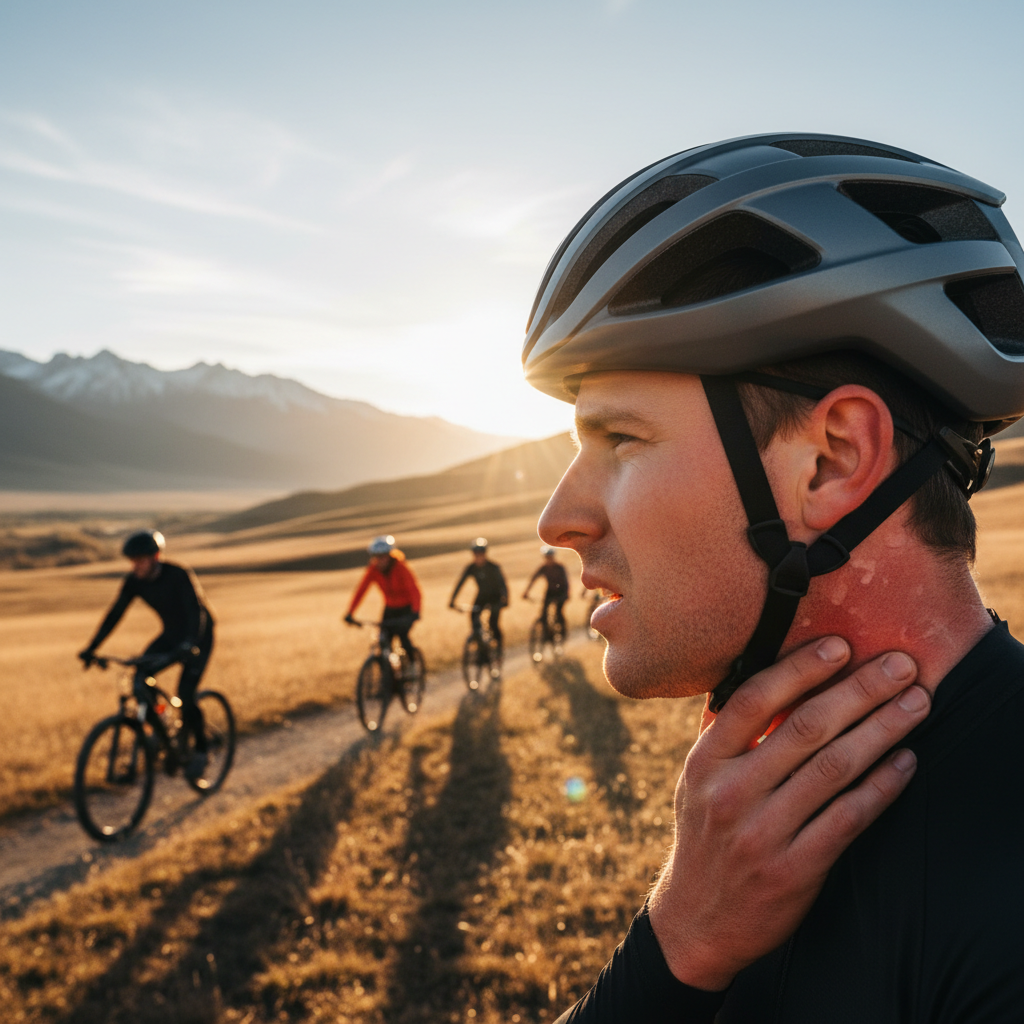
Sunburnt Even in Winter? Why Riders Still Get Burned and What to Do
It's a common misconception that you're only at risk of sunburn during the peak of summer. As Australian riders know all too well, the sun's power can be deceptive. Even on a crisp winter morning, or a cloudy afternoon when you're out for a hack, the sun can still pack a punch, leaving you with a nasty burn you weren't expecting.
This isn't just about a little redness. Repeated sun exposure, even when you don't feel the heat, contributes to premature aging, skin damage, and increases your risk of skin cancer. For equestrians, who often spend hours outdoors, this is a significant, ongoing risk.
Let's get down to the practicalities of why you're still getting sunburnt and, more importantly, how to prevent it.
The Sneaky Sun: Why Winter Isn't Sun-Safe for Riders
Australia’s UV levels are notoriously high, regardless of the season. While the intensity of the sun's heat might drop in winter, the harmful ultraviolet (UV) radiation that causes sunburn and long-term skin damage often remains strong. Here's what's going on:
UV Radiation Doesn't Depend on Heat: You can feel a chilly breeze and still be bombarded by UV rays. The UV index is a measure of UV radiation, not temperature, and it can be high even when it's cool.
Cloud Cover Deception: Many believe clouds offer complete protection. While heavy, dark clouds can reduce UV levels, lighter clouds and hazes can actually scatter UV radiation, potentially increasing your exposure. You might see a grey sky, but UV rays are still getting through.
Reflection is a Killer: Water, sand, and even light-coloured surfaces reflect UV rays, increasing your overall exposure. If you ride near a dam, a beach, or even a brightly painted arena fence, you're getting an extra dose of UV.
High Altitude and Latitude: While not always applicable, depending on where you ride in Australia, higher altitudes or being further south can still mean significant UV exposure. The ozone layer is thinner in some regions, allowing more UV to penetrate.
Longer Days (Even in Winter): While days are shorter than in summer, winter days in Australia still provide a substantial amount of daylight. Over the course of a two-hour ride, for example, you're exposed to UV radiation for a significant period.
Riding Habits: You might pack away your summer hat and think your helmet is enough. But your helmet, by design, protects your head and has limited peripheral vision coverage. The sides of your face, neck, and ears are often exposed. Many riders also wear lighter-coloured riding gear, which can offer less protection. Riding with your helmet pushed back slightly to try and get a breeze? That exposes your neck and upper back, prime territory for sunburn.
When Helmets Aren't Enough: The Exposed Zones
Your riding helmet is crucial for safety, but it's not a full sun-protection solution. Think about where the sun hits you when you're in the saddle, even when wearing a helmet:
Neck: This is a classic spot. The sun angle in winter can still be low enough to hit the back of your neck, especially when you're bent over your horse or looking at something in the distance.
Ears: Often forgotten, but the tops and backs of your ears are easily exposed when wearing a helmet, particularly if it doesn't have extended cheek guards.
Face (Sides and Lower Jaw): Even with a brim, the low winter sun can catch the sides of your face and your jawline.
Upper Back/Shoulders: If your helmet shifts or you lean forward, the area just above your shirt collar can be vulnerable.
Hands: While often covered by gloves, bare hands are completely exposed to UV radiation, especially if you forget gloves on a 'mild' day.
The Rider's Sunburn Checklist: Are You Making These Mistakes?
Be honest. Are you guilty of any of these?
[ ] Relying solely on your helmet for sun protection.
[ ] Assuming 'winter' or 'cloudy' means 'no sun danger'.
[ ] Forgetting sunscreen on exposed areas after your ride.
[ ] Not reapplying sunscreen during long rides.
[ ] Wearing v-neck shirts or tops that expose more neck than necessary.
[ ] Not protecting your ears or the back of your neck.
[ ] Driving to the stables/arena without sun protection.
[ ] Thinking that 'not feeling hot' means 'no UV damage'.
If you ticked yes to even one, you're potentially increasing your risk of sun damage.
Practical Solutions: Protecting Yourself From the Outback Sun
Okay, so the sun is a menace year-round in Australia. What can you actually do about it, without making riding uncomfortable?
1. Sunscreen is Non-Negotiable
Choose the Right SPF: Always use broad-spectrum SPF 30 or higher. SPF 50+ is even better for Australian conditions.
Apply Generously: Don't skimp. Most people don't use enough. Apply it at least 15-20 minutes before you go outside.
Hit All Exposed Spots: Neck, ears, face (including eyelids and lips), hands, and any other exposed skin. Crucially, apply to your neck and ears before putting your helmet on.
Reapply: If you're riding for more than two hours, or if you're sweating (even in winter, you can get warm!), reapply sunscreen. This is especially important if you’re out on a long trail ride.
2. Strategic Clothing Choices
Long Sleeves: Lightweight, breathable long-sleeved shirts made from UPF (Ultraviolet Protection Factor) fabric offer excellent protection. Even a regular cotton long-sleeved shirt is better than short sleeves.
Collar Up: Wear shirts with collars and consider popping the collar up when you're not wearing your helmet (e.g., grooming or unmounted).
Gloves: Always wear riding gloves. They protect your hands and give you a better grip.
Sun-Safe Hat (When Unmounted): When you're not riding, wear a wide-brimmed hat to protect your face, neck, and ears. A baseball cap isn't enough.
3. Embrace Extra Helmet Protection
Your helmet is your primary safety gear. Enhance its sun-blocking capabilities:
Helmet Brims: Many helmets come with a small brim, but this is often insufficient. Consider adding an extra-wide helmet brim. These attach securely to your helmet and extend the shade significantly over your face, neck, and ears.
A good helmet brim can provide shade equivalent to a wide-brimmed hat but remains firmly attached, unlike a separate hat that can blow off.
They are designed to be aerodynamic and won't compromise your helmet's safety rating.
We offer a range of helmet brims designed specifically for riders. You can find them here: Products.
Proper Fit: Ensure your helmet fits correctly. A poorly fitting helmet can shift, exposing areas it should be protecting. Learn How to Install your helmet brim correctly for maximum benefit.
4. Timing is Key (When Possible)
Avoid Peak UV: While not always feasible for horse riding, if you have flexibility, try to schedule your rides for earlier in the morning or later in the afternoon when the UV index is lower. Check the daily UV forecast before you plan your day.
Common Objections and Why They Don't Hold Up
"It's too hot to wear long sleeves." Modern performance fabrics are incredibly breathable and designed to wick moisture away from your skin, keeping you cooler than you might think. Investing in UPF long-sleeved riding shirts is a game-changer.
"Sunscreens make me break out." Look for non-comedogenic, oil-free formulas. There are many options available. If you have persistent issues, consult a dermatologist. Remember, sun damage is a far greater long-term skin concern.
"My helmet brim is fine." Compare the shade coverage of your standard helmet brim with that of a wide-brimmed hat. You’ll likely see a significant difference. Exposed areas are still vulnerable, even with a small brim.
"I'll just get covered in dirt anyway." Dirt on sunscreen isn't ideal, but a layer of sunscreen followed by a layer of dirt is far better than direct UV exposure on bare skin.
"I don't ride long enough to worry about it." UV damage is cumulative. Even short, regular exposures add up over time. It's about consistent protection, not just about avoiding a single severe burn.
Step-by-Step Sun Protection Plan for Riders
Here’s a simple, actionable plan to implement before every ride:
1. Check the UV Index: Look it up online or via an app. If it's 3 or above, sun protection is recommended.
2. Apply Broad-Spectrum SPF 30+ Sunscreen: Generously to your face, neck, ears, and any other exposed skin. Allow it to soak in for 15-20 minutes.
3. Dress for Protection: Wear long sleeves (preferably UPF rated) and long pants or riding tights. Pop your collar if possible.
4. Gear Up: Put on your helmet. Ensure you have a wide helmet brim attached securely for maximum facial and neck coverage.
5. Don't Forget Hands: Put on your riding gloves.
6. During the Ride: If riding for over two hours, pack a travel-sized sunscreen and reapply, especially to your neck and face areas not covered by the brim.
7. After Riding: If you’ve been exposed, wash your face and reapply sunscreen or moisturiser with SPF.
Year-Round Vigilance is Key
Don't let the cooler weather fool you. The Australian sun is a constant challenge for equestrians. By being informed and proactive, you can significantly reduce your risk of sunburn and long-term skin damage. A good helmet brim, coupled with diligent sunscreen use and appropriate clothing, will help you enjoy your riding safely, no matter the season.
For more information on protecting yourself and maintaining your gear, check out our FAQ or browse our selection of sun-protection accessories at Products. Remember, sun safety is not just for summer; it's for every time you step outside.
For more riding tips and product updates, visit our Blog.