
Sunburnt Again? Why Riders Get Sunburnt Even in Winter
Think winter means a break from sunburn? Think again. Aussie riders are still at risk. Learn why and how to protect yourself while in the saddle.
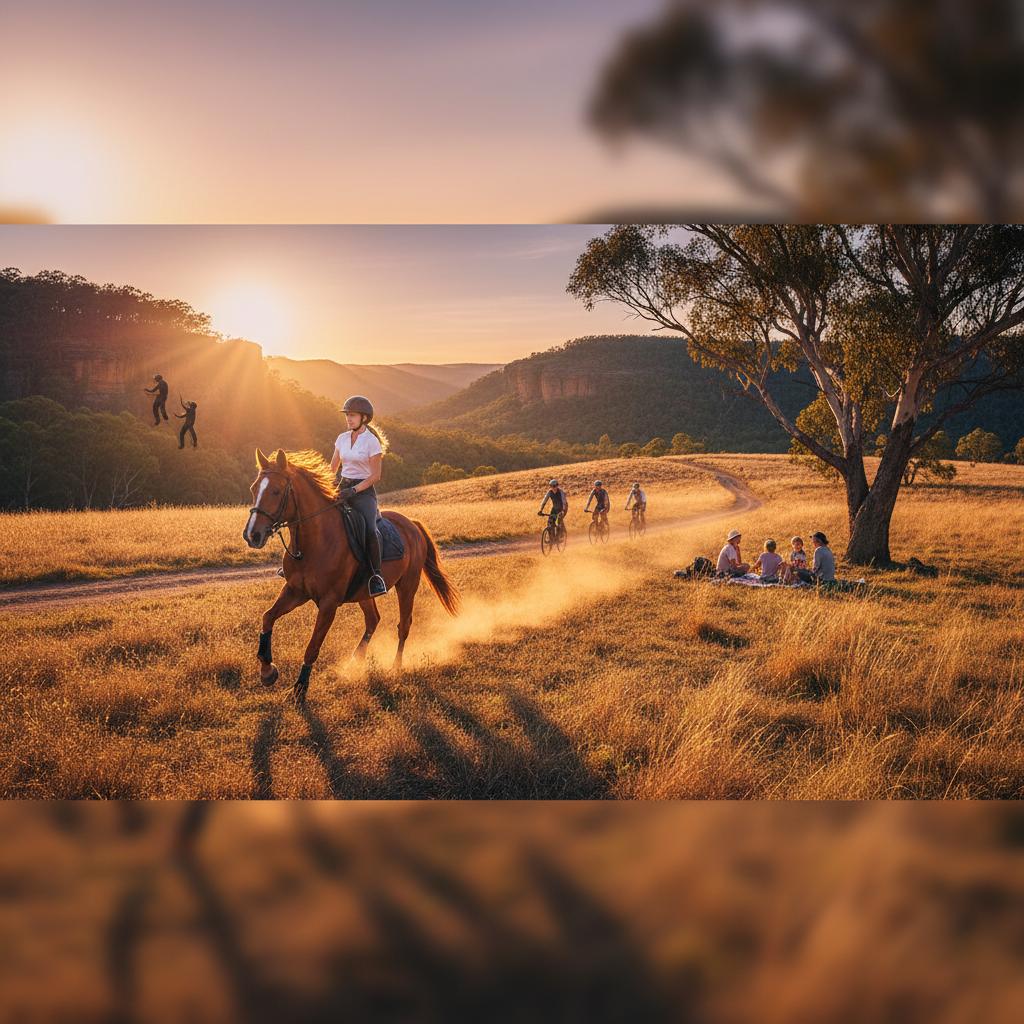
Sunburnt Again? Why Riders Get Sunburnt Even in Winter
You've layered up, you're rugged against the chill, and you've barely seen the sun in weeks. Yet, your face is red, your neck is stinging, and you're wondering how on earth you got sunburnt – in winter. For Australian riders, this isn't a rare occurrence. It's a persistent problem, and understanding why is the first step to avoiding it.
Let's get straight to it: Australia is a sunburnt country, and this applies year-round. Even on a cloudy winter's day, that strong Australian sun can do some serious damage. Your trusty helmet might be protecting your head, but what about the rest of you?
The Winter Sun Deception: Why You Still Burn
Many people make the mistake of thinking winter is safe. The air is cooler, the days are shorter, and the sun feels less intense. But the sun's damaging ultraviolet (UV) radiation doesn't take a holiday. Here's why you're still at risk:
UV Radiation is Persistent: UV rays are the culprit. They are invisible and can penetrate clouds. On a typical winter day in many parts of Australia, the UV index can still reach 'moderate' or even 'high' levels, especially during the peak sun hours (roughly 10 am to 3 pm).
Reflection: Snow might be rare where most of us ride, but water, sand, and even light-coloured surfaces can reflect UV rays, increasing your exposure. Think of that glistening paddock after a morning dew or rain.
Altitude and Latitude: If you ride in higher altitudes or further south in Australia, the UV radiation can be more intense. It's something many riders don't consider, but it adds up.
Duration of Exposure: You're often out in the elements for extended periods, whether for a long trail ride, a training session, or a casual hack. Even moderate UV levels, when combined with prolonged exposure, can lead to sunburn and long-term skin damage.
Your Helmet's Blind Spots: While your helmet keeps your scalp safe, it often leaves significant portions of your face, ears, and neck exposed. Think about the sides of your face, your nose, your ears, and the back of your neck. These are prime targets for persistent UV rays.
The Helmet Myth: It's Not a Complete Shield
It’s easy to assume that wearing a helmet means you're covered. And yes, it's crucial for safety – non-negotiable. But your helmet is designed for impact protection, not comprehensive sun protection. The brim of most riding helmets is narrow, designed more for minor shade and style than for blocking out the harsh Australian sun.
This leaves significant areas exposed: your cheeks, nose, ears, and the back of your neck. If you're leaning forward, the narrow brim can actually redirect sunlight onto your forehead and cheeks. It’s a common oversight, but one that leads to painful reminders.
The Consequences Go Beyond a Red Face
Sunburn in winter might seem like a minor inconvenience – a bit of redness, a slight sting. But the damage goes deeper. Repeated UV exposure, even if it doesn't result in immediate, peeling sunburn, contributes to:
Premature Aging: Wrinkles, leathery skin, and sunspots are the hallmarks of accumulated sun damage.
Increased Skin Cancer Risk: This is the big one. Australia has one of the highest rates of skin cancer in the world. Every bit of unprotected sun exposure increases your risk.
Eye Damage: Long-term UV exposure can contribute to cataracts and other eye conditions.
Practical Solutions for Riders: Beyond the Helmet
So, if your helmet isn't a full sun shield, what can you do? It’s about a layered approach to sun protection. We believe in practical solutions that integrate seamlessly into your riding routine.
1. Sunscreen: Your Non-Negotiable Base Layer
This is your first line of defence, and it needs to be applied before you even think about putting on your helmet. Look for:
Broad-Spectrum UVA/UVB Protection: Essential for blocking both types of damaging rays.
SPF 30 or Higher: For the Australian sun, SPF 50+ is always a good bet.
Water-Resistant: Especially if you sweat a lot or ride in humid conditions.
Application is Key: Don't be stingy. Apply generously to all exposed areas – face, neck, ears, hands, and any other visible skin. Reapply every two hours, or more often if you're sweating heavily.
2. Protective Clothing: The Second Layer
Think beyond just your riding shirt. Consider:
Long Sleeves: Lightweight, breathable fabrics with a UPF rating are ideal. Many equestrian brands now offer sun shirts specifically designed for riders.
Sun-Protective Collars: A high collar on your shirt can protect your neck and lower face.
Gloves: Protect your hands, which are often forgotten and age rapidly from sun exposure.
3. The Underrated Champion: Enhanced Helmet Brims
This is where you can significantly improve your helmet's sun protection capabilities. Standard helmet brims are often too short. You need something that extends further, casting a proper shadow. This is precisely why we developed Da Brim.
Da Brim: These are designed to attach to your existing helmet, adding a substantial brim that significantly increases shade for your face, ears, and neck. They are lightweight, durable, and designed for Australian conditions. Unlike a cap, they don't interfere with helmet safety or ventilation. They simply add more protective coverage. You can find different styles to suit your helmet and needs on our Products page.
4. Eyewear: Protecting Your Vision
UV rays can damage your eyes even faster than your skin. Wear sunglasses that offer 100% UV protection. Look for wraparound styles that offer broader coverage. Many riders opt for sunglasses that fit comfortably under their helmet or goggles if conditions are dusty or bright.
Creating Your Winter Sun Safety Checklist
To make things simple, here's a quick checklist to run through before every ride, even on a cloudy winter's day:
[ ] Sunscreen Application: Applied liberally to all exposed skin (face, ears, neck, hands). Check expiry date!
[ ] Broad-Spectrum SPF: Minimum SPF 30, ideally SPF 50+.
[ ] Protective Clothing: Long sleeves with UPF rating, high collar if possible.
[ ] Enhanced Brim: Is your helmet brim adequate? Consider a Da Brim for superior shade.
[ ] Sunglasses: 100% UV protection.
[ ] Lips: Don't forget a lip balm with SPF.
Step-by-Step: Integrating Enhanced Sun Protection
It's not complicated. It's about building habits. Here’s a simple routine:
Step 1: Pre-Ride Prep (5 Minutes)
Wash and dry your face.
Generously apply broad-spectrum SPF 50+ sunscreen to your face, ears, neck (front and back), and any other exposed skin. Don't miss the tops of your hands if you're not wearing gloves.
Apply SPF lip balm.
Step 2: Gear Up (2 Minutes)
Put on your sun-protective clothing (long sleeves, etc.).
Put on your helmet. If you're using an accessory brim like Da Brim, ensure it's correctly installed. Check out our How to Install guide if needed.
Put on your protective sunglasses.
Don your gloves.
Step 3: During Your Ride (Constant Awareness)
Be mindful of the sun's position. Even on cloudy days, the UV can be high.
If you feel your skin getting warm or notice discomfort, it's time to reapply sunscreen as soon as possible. Carry a small tube or stick for easy reapplication. Long rides might require planning stops for this.
Step 4: Post-Ride Care (Optional but Recommended)
Wash off sunscreen and sweat. Apply a soothing moisturiser, especially if you think you've had significant exposure.
Common Objections and How to Handle Them
We know riders have questions and sometimes objections. Let's address a few:
“It’s winter, I don’t need all this.” As we’ve explained, Australian UV levels remain significant year-round. Ignoring them leads to cumulative damage and increased skin cancer risk. It's not about being paranoid; it's about being smart.
“Sunscreen feels greasy and makes me sweat more.” Modern sunscreens are much better. Look for lightweight lotions or gels. Applying it before you get hot and sweating heavily can help it absorb better. An enhanced brim can also reduce the amount of sweat running into your eyes, making you feel more comfortable. Don't let a minor discomfort prevent serious health protection.
“My helmet brim is fine.” For many, it just isn't. Compare the shade provided by a standard helmet brim to your hand held up to the sun. You'll see the gaps. Accessories like Da Brim are designed to fill those gaps and offer a far more effective shield.
- “It’s too much hassle.” We’ve streamlined the process. The pre-ride prep takes only a few minutes. The benefits – preventing sunburn, reducing aging, and lowering cancer risk – far outweigh the minimal effort. Check out our FAQ for more on how easy it is.
Don't Let the Winter Sun Catch You Out
Being an equestrian in Australia means embracing the outdoors, no matter the season. The sun is a beautiful, life-giving force, but it demands respect. Don't let the cooler temperatures lull you into a false sense of security. Sunburn in winter is a real and preventable problem for riders.
By adopting a comprehensive sun protection strategy – including diligent sunscreen application, protective clothing, and crucially, enhanced shade for your face and neck – you can enjoy your rides with confidence and protect your skin from the harmful effects of UV radiation.
Remember, protecting your skin is an investment in your long-term health and well-being. Explore our range of sun protection solutions on the Products page and make your next ride a sun-safe one. For more tips and information, visit our Blog.