
Sunburned Skulls? Cycling Helmets and Australian UV Danger
Cycling in Australia means sunshine. Your helmet protects your head, but does it protect your face and neck from serious UV damage? We cut through the myths.
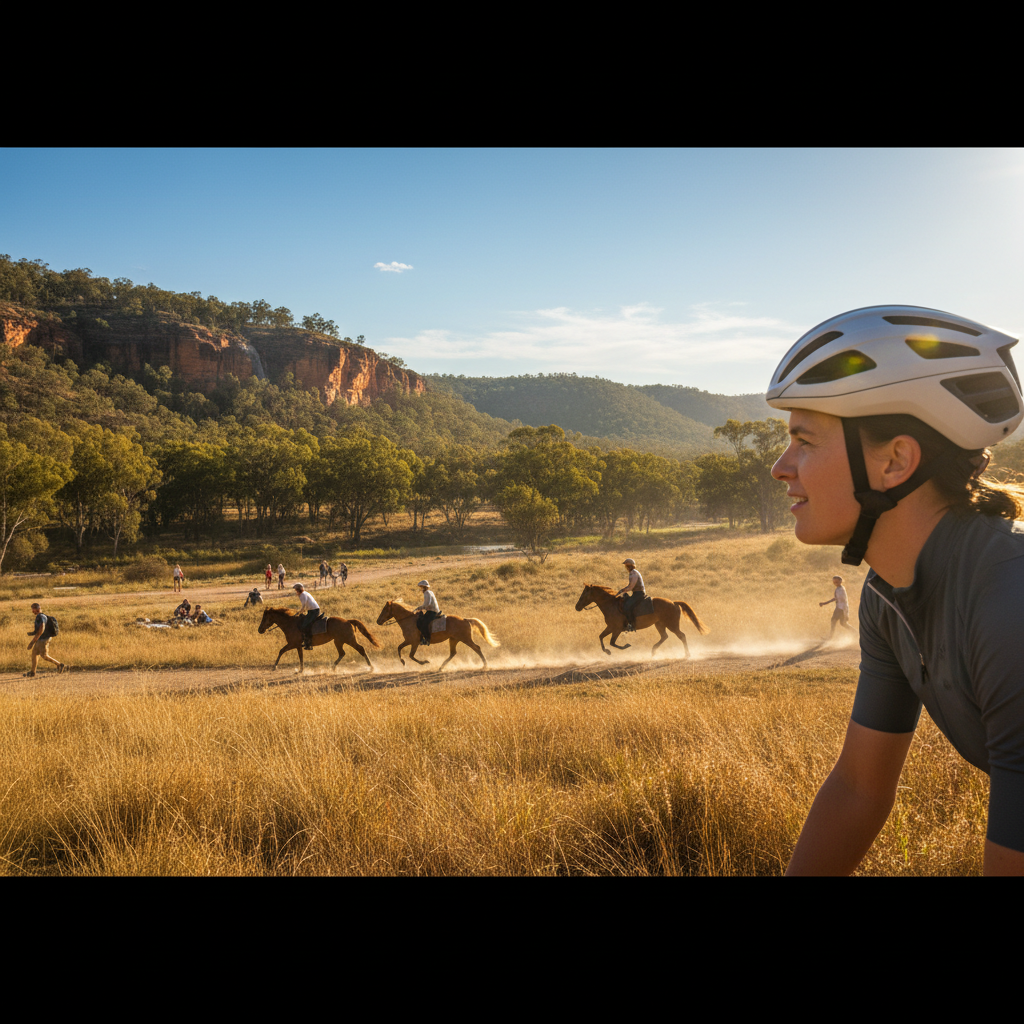
Sunburned Skulls? Cycling Helmets and Australian UV Danger
Australia. It’s a fantastic place to ride. Sun-drenched coastlines, long country roads, challenging mountain trails. What’s not to love? Plenty, if you ignore the relentless Australian sun.
We strap on our helmets for safety, a no-brainer in any serious cycling discussion. But let's be brutally honest: how much thought do you give to what your helmet actually covers when it comes to the sun? If you’re like most, probably not much. And that’s a problem.
We’re not talking about a minor sunburn that makes your shoulders pink for a day. We’re talking about cumulative UV damage that can lead to premature ageing, skin cancers, and eye damage. Your helmet might be a lifesaver for impacts, but it’s often a sieve when it comes to UV radiation.
The Harsh Reality: Australia's UV Intensity
Australia consistently ranks among the highest UV radiation levels globally. The infamous UV Index can hit 'Extreme' (8-10+) right through spring, summer, and even into autumn and winter in some parts of the country. Even on cloudy days, up to 90% of UV rays can penetrate the cloud cover. The sun doesn't 'take a break' just because it's not boiling hot or a perfectly clear day. For cyclists, this means constant, often prolonged, exposure.
Think about your riding time. A casual lunchtime spin? A weekend century ride? Commuting? Those hours add up. Every minute you’re exposed, your skin is absorbing UV radiation. This is especially true for your face, ears, and neck – areas often directly exposed no matter what helmet you’re wearing.
Why Standard Helmets Fall Short
Most cycling helmets are designed to protect your skull from impact. They have vents for cooling and a generally aerodynamic shape. They are not designed with comprehensive sun protection as a primary feature.
Limited Coverage: The standard brim on many helmets offers minimal shade, often just to your forehead. This leaves your eyes, nose, cheeks, and neck vulnerable.
Vents = UV Entry: Those crucial vents that keep you cool are also direct pathways for UV rays to reach your scalp and face.
Glare: Even if your scalp is covered by hair, the sun glinting off the road or other surfaces can reflect UV light upwards, hitting your eyes and the underside of your nose and chin.
Common Objections and Why They Don't Cut It
We hear it all the time. People have reasons for not taking extra sun protection seriously. Let's address them head-on:
Objection 1: "I only ride early in the morning or late in the afternoon."
Reality Check: While this reduces peak UV exposure, significant UV radiation is still present, especially in the Australian summer. The UV Index can be high even outside the 10 am to 3 pm 'peak' window. Furthermore, the longer days in Australian summers mean 'late afternoon' can still be very sunny.
Objection 2: "I wear sunscreen."
Reality Check: Sunscreen is essential, but it's not a foolproof solution for long rides. It needs reapplication every 2-3 hours, especially when sweating. How often do you realistically reapply sunscreen on a 4-hour ride? Most people don't, or apply it inadequately. Moreover, sunscreen washes into your eyes when you sweat, causing stinging and blurred vision. It also doesn't protect against glare reflection.
Objection 3: "My skin is tough; I tan, not burn."
Reality Check: Tanning is skin damage. It's your skin's response to UV radiation. This damage is cumulative and contributes to skin ageing (wrinkles, sunspots) and significantly increases your risk of developing skin cancer later in life. There's no such thing as a 'healthy tan' from UV exposure.
Objection 4: "Helmets with big brims look silly/are impractical."
Reality Check: Is looking 'silly' worth a melanoma? Innovation exists. Products are now available that integrate seamlessly with your helmet, offering substantial shade without compromising ventilation or aerodynamics. Functionality and safety don't have to be sacrificed for aesthetics.
Objection 5: "I wear sunglasses."
Reality Check: Sunglasses are great for eye protection and reducing glare, but they don't protect the rest of your face or your scalp. UV rays can still hit the top of your nose, your ears, and your forehead. They also don't solve the problem of UV reaching your scalp through helmet vents.
The Real Risks: Beyond a Nasty Burn
Ignoring UV exposure while cycling in Australia puts you at risk for:
Skin Cancer: Melanoma, basal cell carcinoma, and squamous cell carcinoma are common, and many are directly linked to UV exposure. The face, ears, and scalp are prime locations. Cyclists are a high-risk group.
Premature Skin Ageing: Think deep wrinkles, leathery skin, and age spots long before your time.
Eye Damage: Cataracts, macular degeneration, and pterygium (a growth on the eye) are all exacerbated by UV exposure.
Sunburn Pain: Obvious, but it can ruin your ride and recovery.
Practical Solutions for Cyclists
Beating Australian UV doesn't mean giving up your ride. It means riding smarter and equipping yourself properly.
Your Sun Safety Checklist:
Integrate Shade: Don't rely solely on your helmet's minimal brim or sunscreen. Look for accessories that extend sun protection.
Full-Spectrum Sunscreen: Use a broad-spectrum SPF 50+ sunscreen. Apply liberally to all exposed skin 20 minutes before riding.
Reapplication Strategy: If riding for over 2-3 hours, have a plan to reapply. Consider sunscreen sticks or wipes for easier application on the go.
Wear Protective Clothing: Long-sleeved cycling jerseys with UPF protection are a game-changer for your arms and torso. Arm warmers can also offer UV protection.
Eye Protection: Invest in high-quality cycling sunglasses with UV protection. Look for wraparound styles that prevent light from entering from the sides.
Head and Neck Coverage (Under Helmet): Consider a thin skull cap or cycling cap with a small brim that can add an extra layer of UV protection for your scalp and forehead, even under your helmet.
Check the UV Index: Always be aware of the UV Index for your riding location and time. When it's high, sun protection is non-negotiable.
The Helmet Brim Upgrade: A Simple, Effective Step
One of the most direct ways to improve your helmet's sun-blocking capability is to enhance its brim. Standard helmets often have a very short, sometimes rigid, brim. This is where innovation comes in.
Imagine: A brim that offers significantly more shade, extending over your eyes and down your nose, without getting in the way of your vision or airflow. This is precisely what advanced helmet brims are designed to do.
How it Works: These brims are typically designed to attach securely to your existing helmet. They are made from flexible, durable materials and are shaped to provide maximum shade while remaining unobtrusive.
What to Look For:
Extended Coverage: Does it block sun from hitting your eyes directly?
Neck Protection: Does it offer any shade to your neck?
Ventilation: Does it interfere with your helmet's crucial airflow?
Secure Fit: Will it stay on at speed?
- Durability: Can it withstand being crammed into a bag?
We offer a range of solutions designed to enhance your helmet's sun protection. You can explore our Products to find the best fit for your helmet and riding style.
Step-by-Step: Implementing Better Sun Protection
Here’s how to integrate effective UV protection into your cycling routine:
Step 1: Assess Your Current Helmet.
Look at the brim. How much coverage does it actually provide? Does it leave parts of your face exposed to direct sun or glare?
Step 2: Evaluate Your Riding Habits.
Are you riding during peak UV hours? For extended periods? Do you sweat heavily?
Step 3: Choose Your Protection Level.
Based on your assessment, decide which measures are most crucial. For most Australian cyclists, this means.
Step 4: Upgrade Your Helmet Brim (Recommended).
Consider an aftermarket brim designed to extend coverage. Check out our Products page.
Step 5: Invest in Quality Sunglasses.
Ensure they offer good UV protection and a wraparound design.
Step 6: Implement Sunscreen Discipline.
Always apply SPF 50+ before riding and have a reapplication plan for longer rides.
Step 7: Consider UV-Protective Clothing.
UPF jerseys and arm sleeves offer excellent protection for your body.
Step 8: Get Familiar With Installation.
If you opt for an enhanced brim, know How to Install it correctly for maximum effectiveness and security.
Step 9: Consult the Experts (If Unsure).
Our FAQ page has answers to common questions. If you're still concerned, don't hesitate to reach out.
Don't Let the Sun Win
Cycling in Australia is a joy, but it shouldn't come at the cost of your long-term health. Your helmet is a critical piece of safety gear for impacts, but it needs to be part of a broader sun-safety strategy. Don't let myths or minor inconveniences prevent you from protecting yourself from the harsh Australian sun.
Investing in better UV protection for your helmet isn't about vanity; it's about health and longevity. It's about enjoying your rides for years to come, on roads that are as safe and as sunny as you want them to be, without the invisible threat of UV damage.
For more tips and information, explore our Blog for ongoing advice on cycling safety and gear.
Ready to protect yourself better? Explore our Products today.