
Sunburn When Climbing: Why Cooler Days Aren't Safe
Don't assume cool weather means no sun risk. Climbers can get badly burned even on overcast or mild days, especially in Australia. Here's why and how to protect yourself.
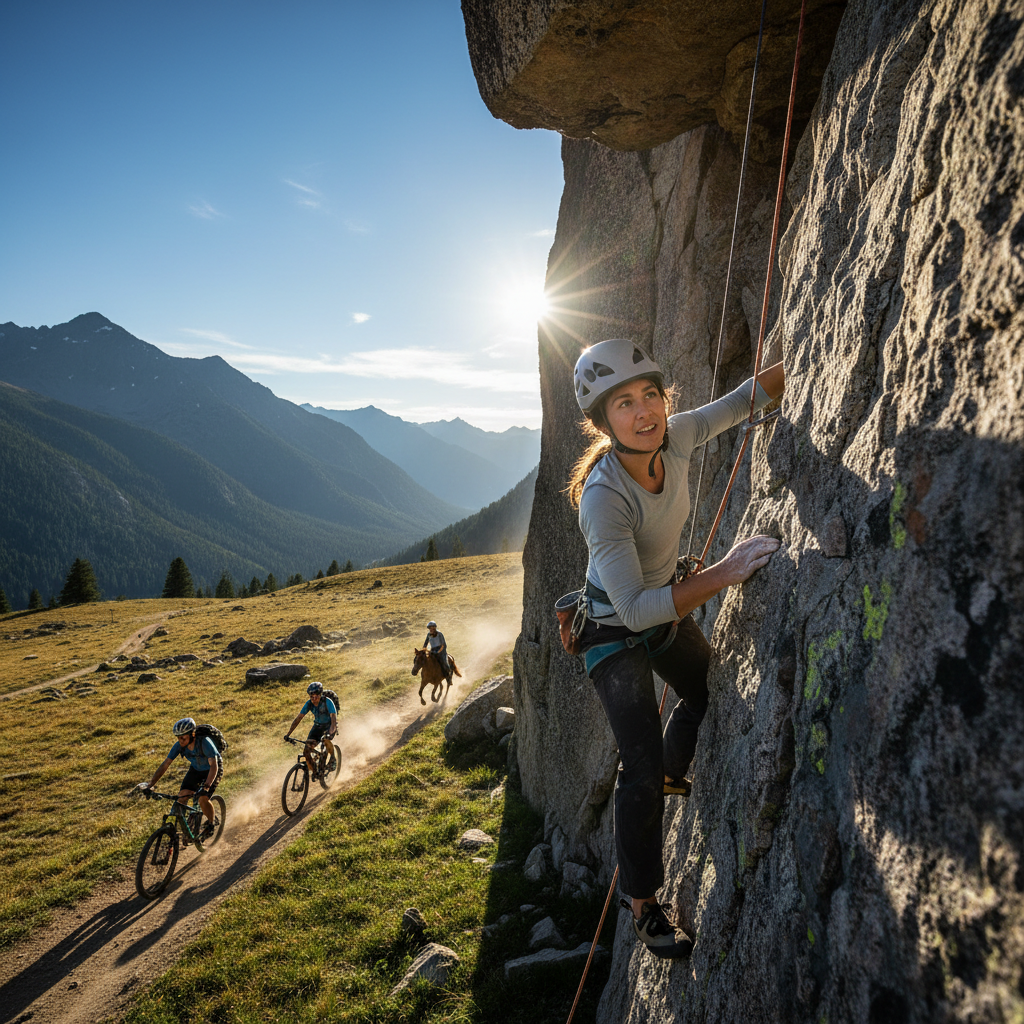
Sunburn When Climbing: Why Cooler Days Aren't Safe
Think you're safe from sunburn just because it's not a scorching hot day? Think again. As any seasoned climber knows, the Australian sun can be a relentless enemy, even when the temperature is mild or the sky is partly cloudy. You're out there, focused on your next hold, the rock, your breathing – the sun often takes a backseat until the damage is done. This isn't just about discomfort; severe sunburn can lead to heatstroke, dehydration, and long-term skin damage.
The Deceptive Nature of UV Radiation
We often associate sunburn with heat. Hot days mean burning sun. But UV radiation, the culprit behind sunburn, isn't directly tied to temperature. UV rays can penetrate clouds, bounce off surfaces, and reach you even when it feels cool. Particularly in Australia, where our ozone layer is thinner and our latitude generally means higher UV levels year-round, this is a critical point.
The UV Index is our best measure of sun intensity. Even on days when the temperature feels moderate (say, 20-25°C), the UV Index can easily be in the 'high' or 'very high' category, especially between 10 am and 3 pm. This means significant UV exposure for unprotected skin is possible and likely.
Climbers are particularly vulnerable for several reasons:
Exposure Duration: A climbing session can last hours. Cumulative exposure is a major factor.
Altitude: The higher you go (relative to sea level, and on exposed cliff faces), the more intense UV radiation becomes. The air is thinner, offering less natural filtering.
Reflection: Rocks, especially lighter coloured ones, can reflect UV rays, increasing your exposure from multiple angles.
Helmet Blind Spot: Standard climbing helmets offer head protection but little to no facial or neck coverage. This leaves your face, ears, and neck directly exposed to both direct sunlight and reflected UV.
Objection Handling: "But I'm Wearing My Helmet!"
Yes, your helmet is crucial for impact protection. It's non-negotiable. But it's designed for impacts, not for blocking UV rays. A helmet's primary function is to protect your skull and brain from falling objects or head impacts during a fall. It offers virtually no shade for your face, ears, or the back of your neck. These are prime areas for sunburn, particularly when you're looking up at routes or holding poses where your head is tilted back.
Many climbers think their helmet is enough. This is a dangerous misconception. The areas most exposed during climbing – the face, nose, ears, and the back of the neck – are often completely uncovered by a standard helmet.
Consequences of Sunburn for Climbers
The effects of sunburn go beyond a red, painful complexion.
Immediate Discomfort: Pain, swelling, and blistering make climbing (and life in general) miserable.
Dehydration and Heatstroke: Sunburn impairs your body's ability to regulate temperature. This significantly increases the risk of dehydration and heatstroke, which can be life-threatening, especially in remote climbing locations.
Long-Term Damage: Chronic sun exposure is the leading cause of skin cancer, including melanoma. It also accelerates skin aging, leading to wrinkles and leathery skin.
Sun Protection Strategies for Climbers
Ignoring sun protection while climbing is like ignoring loose rock – a recipe for disaster. You need a comprehensive approach.
1. Sunscreen: Your First Line of Defence
Apply Generously: Don't skimp. Use a broad-spectrum sunscreen with an SPF of 30 or higher. Australian sun requires SPF 50+ for best protection.
Cover All Exposed Areas: This includes your face, ears, nose, neck (front and back), and any other skin not covered by clothing.
Reapply Frequently: Sweat, friction from your helmet, and time all break down sunscreen. Reapply at least every two hours, and more often if you're sweating heavily or after swimming.
Don't Forget the Lips: Use a lip balm with SPF.
2. Protective Clothing
Lightweight, Long Sleeves: Opt for UPF (Ultraviolet Protection Factor) rated clothing. These are designed to block UV rays.
Sun Gloves: Useful for descents or when resting, as the backs of your hands are often exposed.
Wide-Brimmed Hats (When Not Climbing): A wide-brimmed hat is excellent for approaches and descents, offering facial and neck shade. However, it's not suitable to wear under most climbing helmets.
3. The Helmet Brim Solution
This is where innovation makes a real difference for climbers. Standard helmets don't shield your face. You need something that works with your helmet, not instead of it.
A helmet brim, like the Da Brim, is designed to extend the coverage of your existing helmet. It attaches securely and provides shade for your face, nose, and ears, significantly reducing direct UV exposure. It also offers some protection from rain and glare.
Consider a specific climbing helmet brim: Ensure it's designed to be safely attached to your specific helmet model and doesn't compromise the helmet's integrity or your vision. Check out the products section for options.
Easy Installation: If you're wondering how it fits, visit our How to Install guide. It's designed for minimal fuss.
Dealing with Direct Sun and Heat on the Rock
Even with protection, direct sun on a climbing wall can heat up the rock and you.
Hydration is Key: Constantly sip water. Don't wait until you're thirsty.
Electrolytes: For long days or very hot conditions, consider electrolyte supplements.
Plan Your Day: Avoid climbing during the harshest midday sun if possible. Early mornings and late afternoons are often cooler and have lower UV intensity.
Take Breaks in the Shade: If available, use shaded rest spots to cool down.
Quick Checklist for Sun Safety on the Rock
Here’s a quick reference to ensure you’re covered:
[ ] Broad-spectrum sunscreen (SPF 50+ recommended for Australia), applied generously.
[ ] Reapplication plan for sunscreen (every 2 hours minimum).
[ ] Lip balm with SPF.
[ ] UPF-rated long-sleeved clothing.
[ ] Sun hat for approaches/descents.
[ ] Helmet brim for crucial facial and neck shade while climbing.
[ ] Ample water supply.
[ ] Electrolytes (for long or hot days).
[ ] Awareness of UV Index and time of day.
Step-by-Step Sun Protection Routine Before You Climb:
1. Assess Conditions: Check the UV Index for your climbing area and time of day. Even if it feels cool, if the UV is high, take full precautions.
2. Apply Sunscreen: About 15-20 minutes before heading out, apply a generous layer of sunscreen to all exposed skin.
3. Add Lip Balm: Don't forget your lips!
4. Dress Appropriately: Put on your UPF clothing.
5. Prepare Your Helmet: Ensure your climbing helmet is fitted correctly. If you're using a helmet brim, attach it according to the How to Install guide. This is your proactive step against facial UV.
6. Pack Smart: Ensure you have enough water and sunscreen for reapplication.
Frequently Asked Questions
We often get asked about sun protection for climbers. You can find more detailed answers on our FAQ page, but here are a couple of common ones:
"Does a helmet block UV?" No, standard climbing helmets are designed for impact protection, not UV shielding. They leave your face, ears, and neck exposed.
- "Is sunscreen enough?" Sunscreen is vital, but reapplication can be difficult and insufficient when exposed for long periods. A physical barrier like a helmet brim offers consistent, reliable shade.
Don't Let the Sun Cut Your Climbing Short
Your passion for climbing shouldn't be sidelined by preventable sunburn or long-term skin damage. Understanding the risks, even on cooler Australian days, is the first step. Implementing a robust sun protection strategy, including a dedicated helmet brim for consistent facial shade, is the next. Prioritise your health and safety so you can focus on the climb and enjoy the outdoors for years to come.
Check out our range of products to enhance your sun protection on the rock. For more tips and discussion, visit our Blog.