
Sunburn Under Your Helmet: Why It Happens (Even in Winter) & How to Stop It
Think you're safe from the sun just because you're wearing a helmet? Think again. Riders in Australia, even during cooler months, can suffer painful sunburn. Here’s why and what you can do about it.
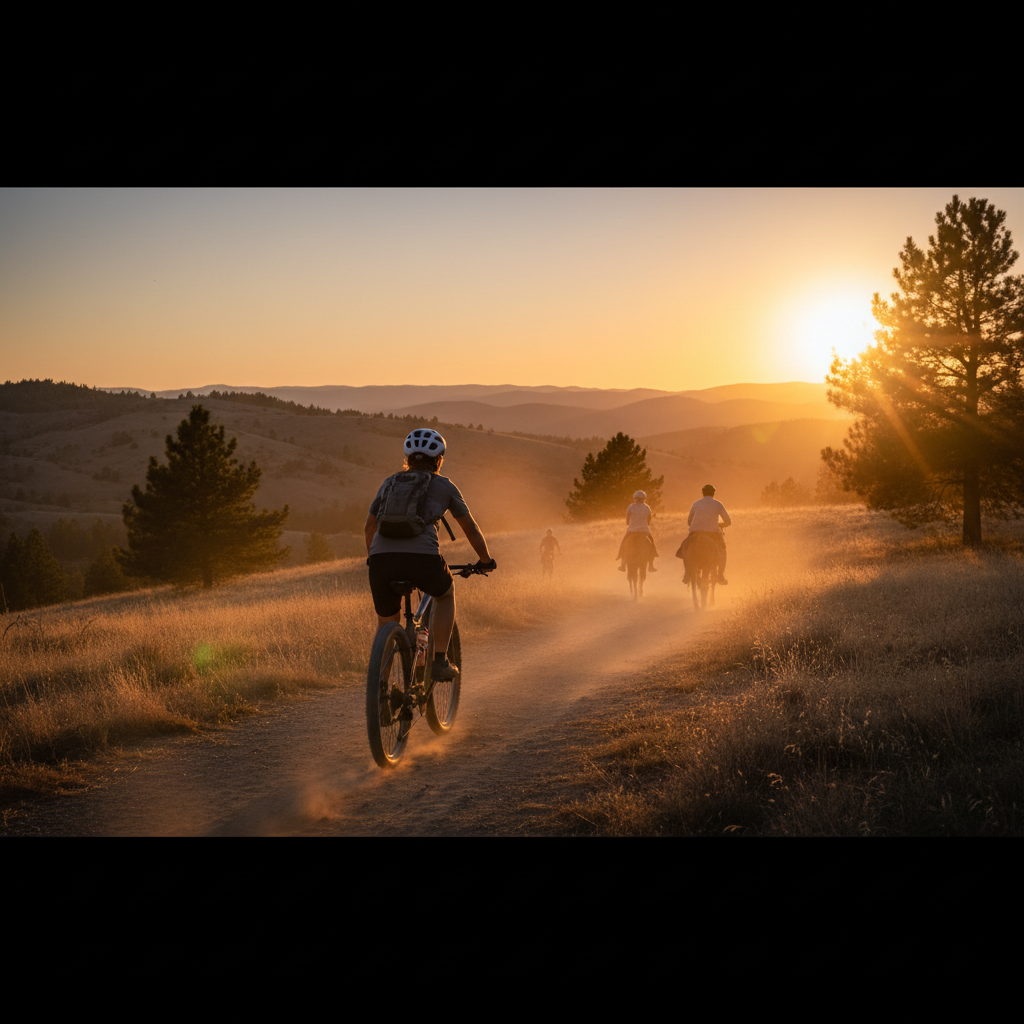
Sunburn Under Your Helmet: Why It Happens (Even in Winter) & How to Stop It
Australians are no strangers to the sun. We live in a country with some of the highest UV radiation levels in the world. Even on a seemingly cool winter day, the sun can pack a serious punch. For those of us who ride horses, this can lead to a common and often painful problem: sunburn on areas you’d think are protected by your helmet.
It sounds counterintuitive, right? Your helmet is there to protect your head, so surely it’s protecting your face and neck too? Unfortunately, it’s not always that simple. Let’s break down why you might be getting burnt and how you can prevent it.
The Sneaky Sun: Why Helmets Aren't Always Enough
Several factors contribute to riders getting sunburned even when wearing head protection:
Incomplete Coverage: Most riding helmets, especially older styles, don't extend far enough forward to shield your entire face from direct sun. The brim of your helmet might cover your eyes, but your cheeks, nose, forehead above the helmet line, and even your ears can be exposed to direct UV rays, especially during those long summer afternoons or even during winter if the sun is low and strong.
UV Reflection and Scattering: The sun's rays don't just travel in a straight line. They bounce off surfaces like sand, water, and even the ground around your riding arena. This reflected UV radiation can reach areas the helmet doesn't cover, or even filter through gaps.
Low Sun Angle (Winter Sun): While winter sun might feel cooler, a low sun angle means the UV rays are hitting you at a more direct angle for longer periods. Think about sitting in a car in winter – the sun can still be blindingly bright through the windscreen.
Australian UV Index: Even on cloudy days, and especially during winter months when the ozone layer is thinner over Australia, the UV index can still reach dangerous levels. The Bureau of Meteorology reminds us that UV levels can be high year-round, and it's not just about the temperature.
Duration of Exposure: Horse riding often involves extended periods outdoors. Whether you're training, trail riding, or competing, you can spend hours exposed to the sun, accumulating UV damage without even realising it until it's too late.
Sweat and Fogging: When you sweat, sunscreen can run off, and the steam from your horse or your own exertion can cause your helmet to fog up, leading you to remove it or adjust it frequently, thereby exposing your skin.
The "Just a Quick Ride" Fallacy: It’s easy to think a short ride won't cause damage. But even 15-30 minutes in strong UV can contribute to your daily UV dose. Plus, that quick ride often turns into an hour or more.
Common Sunburn Spots for Riders:
Nose and Cheeks: These are prime targets as the helmet brim often doesn't extend far enough to block the low-angle sun.
Forehead (Above the Helmet Line): The hair-growing part of your forehead can get significantly burnt.
Ears: The tops and backs of your ears are particularly vulnerable, especially if you tuck your hair back or your helmet straps don't fully cover them.
Neck (Back and Sides): If your helmet sits high or your riding shirt neckline is low, the back and sides of your neck can be exposed.
Don't Let the "Cool" Weather Fool You: A Quick UV Check
It’s a common misconception that you only need to worry about sun protection when it’s hot and sunny. In Australia, this simply isn't true. The UV Index is what matters for sunburn, not the temperature.
| Month | Average UV | Notes |
|---|---|---|
| Summer | 10-13+ | Peak UV, usually requires protection |
| Autumn | 6-9 | Still significant UV, especially early |
| Winter | 3-5 | Protection still recommended, esp. midday |
| Spring | 7-10 | UV rapidly increasing, high risk |
Note: These are average UV levels for much of coastal Australia. Inland and northern regions can be higher. Always check the daily UV forecast for your specific location.
The UV index can be high even on days that feel cool. The intensity of UV radiation is determined by factors like the time of day, season, cloud cover, and altitude, not just the temperature. A mild winter day can still offer enough UV to cause sunburn if you’re not protected.
Objection Handling: "But I Wear Sunscreen!"
Sunscreen is a crucial part of sun protection, but it’s not always enough on its own for riders:
Application Errors: Did you cover all exposed areas thoroughly? Did you miss spots like your ears or the back of your neck? Sunscreen needs to be applied generously and evenly.
Sweat Wash-Off: If you're working your horse, you'll sweat. Sunscreen, especially lower SPF or water-resistant types, can easily sweat off. You need to reapply frequently.
Limited Coverage Area: As we’ve discussed, sunscreen only works on the skin it’s applied to. If your helmet doesn’t cover a part of your face or neck, sunscreen is your only line of defence for that area. And if it runs or sweats off, you’re exposed.
Insufficient SPF: Are you using a broad-spectrum SPF 30 or higher, and reapplying every two hours, or more often if sweating or swimming?
Fact: Even with sunscreen, direct, prolonged sun exposure can still lead to burns. It's a barrier, not a permanent shield.
Objection Handling: "My Helmet is Fine."
It’s great you’re wearing a helmet – safety headwear is non-negotiable. However, the design limitations of many helmets for sun protection are real:
Design Purpose: Most riding helmets are designed primarily for impact protection, not for advanced UV shielding of the entire face and neck. Their brims are often shorter to avoid snagging or being knocked off, prioritising safety over complete sun coverage.
Fit Variation: A helmet that fits snugly for impact protection might not perfectly contour to your face in a way that blocks all incidental sun. Gaps can form, especially as you move.
Fact: A helmet’s primary safety function is impact absorption, not UV blocking. Additional measures are needed.
Your Action Plan: Conquer the Sun While Riding
Protecting yourself from the sun while riding requires a multi-pronged approach. It's about thinking beyond just the helmet.
1. Enhance Your Helmet’s Sun Protection
This is the most direct way to address the coverage gap. You want to extend the shade provided by your helmet.
Consider a Helmet Brim Extender: Products like the Da Brim are specifically designed to attach to existing helmets, significantly extending the brim's coverage. They create a much larger shadow over your face, neck, and ears, without compromising helmet safety certification.
Check out our range of Products for different riding disciplines.
Worried about installation? It’s simpler than you think. See How to Install for easy step-by-step instructions.
Choose Helmets with Wider Brims (If Applicable): While less common in traditional equestrian helmets, some styles offer slightly more coverage. However, for true protection, an add-on brim is often the most effective.
2. Smart Sunscreen Use
Sunscreen remains important for any exposed skin:
Apply Generously: Don't skimp. Cover your nose, cheeks, ears, and any exposed neck or arms.
Water/Sweat Resistant: Opt for formulas that can withstand sweat and minor moisture.
Reapply – Religiously: Set a timer on your phone if you have to. Two hours is the maximum recommended, but if you’re sweating heavily or it’s very strong sun, reapply more often.
Mineral-Based Options: For sensitive skin or if chemical sunscreens sting your eyes when you sweat, consider mineral-based (zinc oxide or titanium dioxide) sunscreens.
3. Protective Clothing
Don't forget the rest of your body:
Long Sleeves and Trousers: Invest in riding gear made from lightweight, breathable, UPF (Ultraviolet Protection Factor) rated fabric.
Neck Gaiters/Buffs: These are incredibly versatile for protecting your neck and lower face. Some can be pulled up over your nose on very sunny days.
Wide-Brimmed Hats (Off the Horse): When you're not riding, or for disciplines where helmet use isn't mandatory, a proper wide-brimmed hat is essential.
4. Timing Your Rides
This is often the easiest and most effective protection:
Avoid Peak Hours: The sun is strongest between 10 am and 3 pm. If possible, schedule your rides for early morning or late afternoon, especially during summer.
Utilise Shady Areas: If trail riding, try to plan routes that incorporate shaded sections.
5. Stay Hydrated
While not directly preventing sunburn, staying hydrated helps your body cope with the heat and can make riding more comfortable, potentially reducing the need to constantly adjust headwear.
Putting It All Together: Your Sun Safety Checklist for Riders
Before you head out for your next ride, run through this quick checklist:
[ ] Check the UV Index: Is it above 3? If yes, protection is vital.
[ ] Apply Broad-Spectrum SPF 30+ Sunscreen: Generously cover all exposed skin (face, neck, ears, arms).
[ ] Enhance Helmet Coverage: Ensure your helmet has adequate shade. If not, consider adding a brim extender like those found in our Products section.
[ ] Wear Protective Clothing: Long sleeves and trousers made of UPF fabric are best.
[ ] Use Neck Gaiter/Buff: Protect your neck and lower face.
[ ] Plan Ride Time: Schedule rides outside of peak UV hours (10 am - 3 pm) if possible.
[ ] Reapply Sunscreen: If your ride is longer than two hours or you’re sweating heavily.
Frequently Asked Questions
Q: Can UV rays penetrate my helmet material?
A: Most helmet materials offer some UV resistance, but they are not designed as primary UV blockers. The main issue is the coverage* of the helmet, not necessarily the material itself blocking all UV.
Q: I ride under cover in an arena. Do I still need sun protection?
A: If the arena is fully enclosed and shaded, you're likely covered. However, many riding arenas are only partially covered or open-sided. If sunlight can still reach you directly or indirectly, you are still at risk. Always assess your specific environment. Refer to our FAQ for more.
Q: My skin is fair. Does that mean I burn faster?
A: Yes, fair skin is much more susceptible to sunburn. If you have fair skin, you need to be even more diligent with sun protection, even on days you might think the sun isn't that strong.
The Takeaway: Don't Wait for the Burn
Sunburn is painful, damaging to your skin, and increases your risk of skin cancer. In Australia, sun safety isn't just for summer. Riders, in particular, need to be vigilant year-round. By understanding why the sun can still get to you, even under a helmet, and by adopting a comprehensive sun protection strategy, you can enjoy your rides without the painful aftermath.
Don't let a sneaky sunburn ruin your day or your skin’s long-term health. Prioritise sun protection for yourself, just as you do for your horse. For more tips and information, explore our Blog or browse our range of protective Products.