
Sunburn Under Your Helmet? How Climbers Still Get Burned
Think cloudy days or cool weather means no sunburn while climbing? Think again. Australian UV levels are sneaky. Learn why climbers still get burned and how to protect yourself.
Sunburn Under Your Helmet? How Climbers Still Get Burned
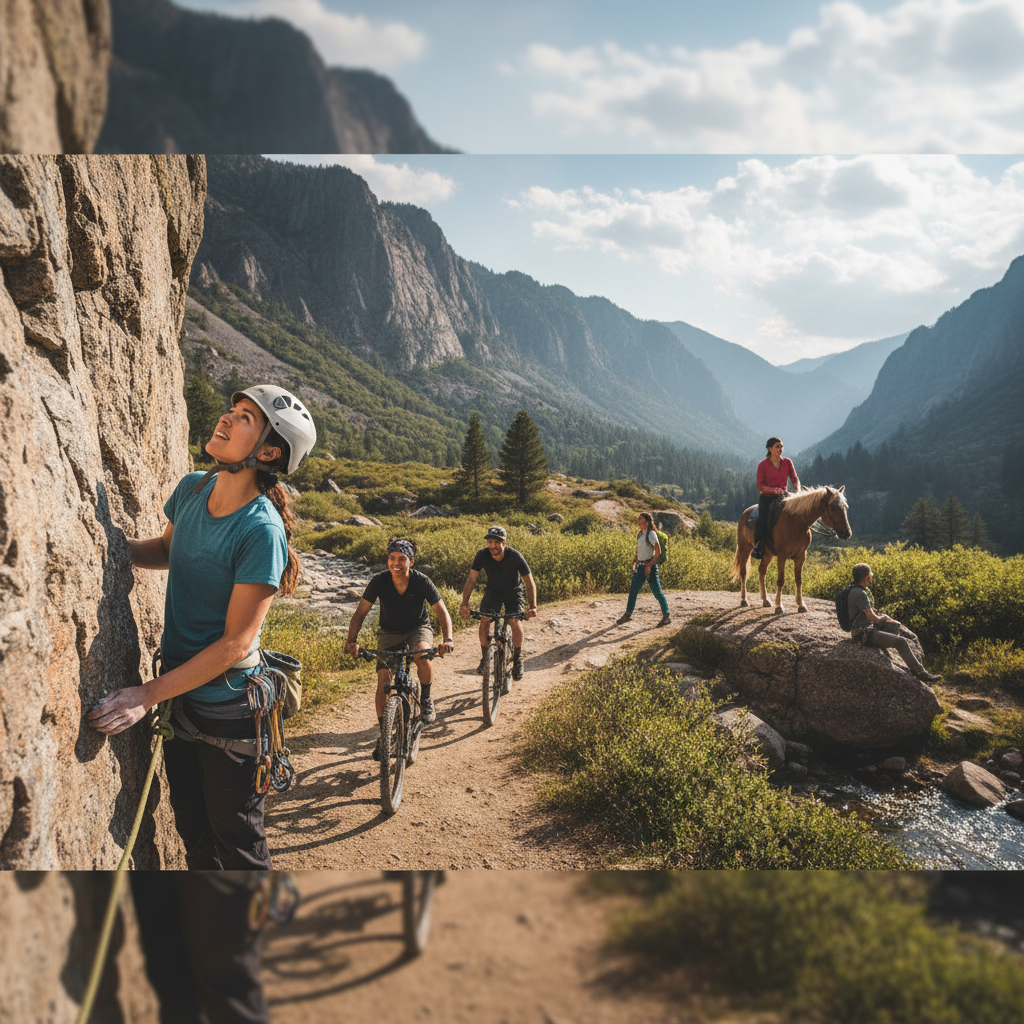
Climbing is an incredible way to connect with nature. The thrill of the ascent, the stunning views – it's all part of the package. But for climbers in Australia, there's another constant companion, whether you realise it or not: the sun. You might think that wearing a helmet is enough to shield you, or that a "cooler" day is a safe day. You'd be wrong. Even on days that don't feel scorching hot, climbers can get seriously sunburned. Let's get real about why this happens and what you can do about it.
The Deceptive Australian Sun
Australia is famous for its beautiful, sunny weather. But that sunshine is powered by intense UV radiation, especially during daylight hours. We're closer to the equator than many other parts of the world, meaning the sun's rays hit us more directly. The UV Index, a measure of the strength of the sun's ultraviolet (UV) radiation, can reach extreme levels here, even when it's not particularly hot. High UV doesn't always correlate with high temperatures.
A cloudy day doesn't offer much respite either. Up to 80% of UV rays can penetrate light cloud cover, meaning you're still exposed. Snow and water can even reflect UV rays, increasing your exposure from multiple angles. Whether you're cragging at the coast, bouldering inland, or tackling a multi-pitch alpine route, the sun is always a factor.
Why Your Helmet Isn't Enough
Standard climbing helmets are designed for protection against falling debris and impacts, not necessarily for comprehensive sun coverage. While they cover the top of your head, they often leave your neck, ears, and face exposed. The limited brim, if present at all, usually focuses on preventing small rocks from hitting your face, not shading it from direct sunlight for extended periods.
Consider the typical climbing scenario:
Long Exposure: A climbing session can last for hours. Even if the sun's intensity fluctuates, prolonged exposure adds up.
Repetitive Angles: When you're climbing, your head is often tilted upwards or at an angle for extended periods. This exposes parts of your skin – like the back of your neck, under your chin, and even the sides of your face – that might be shaded when you're standing normally.
Reflection: Rock faces, especially lighter coloured ones, can reflect UV radiation, bouncing it back onto your skin from below and the sides. This is like getting sun from two directions.
Sweat and Heat: Even on cooler days, climbing is a physical activity. You sweat. Sweat can wash away sunscreen, making it less effective. And the heat from exertion can make you feel like the sun isn't that strong, masking the true UV danger.
The Forgotten Areas
Let's break down where standard helmets typically fail to provide adequate sun protection:
The Neck: The back of your neck is a prime candidate for sunburn. When you're looking up, this area is directly exposed and often untouched by helmet brims. This is known as the "red neck syndrome" for many outdoor enthusiasts.
Ears: The tops and backs of your ears are notoriously vulnerable. They have less melanin and are often forgotten when applying sunscreen. A standard helmet can leave them completely exposed, especially as you move and tilt your head.
Lower Face and Chin: Depending on the helmet design and how you're positioned, the underside of your chin and jawline can also receive significant UV exposure.
Forehead (Upper Edges): While the top of your head is covered, the edges of your forehead, just above your brow line, can still catch rays, especially if your helmet fits loosely or if the sun is at a high angle.
Debunking Common Myths
Many climbers underestimate the risk of sunburn on cooler or overcast days. Here’s why those assumptions are dangerous:
"It's not hot, so no sunburn." False. UV radiation is separate from temperature. You can feel cool and still get a severe burn.
"I'm only out for a short time." Even an hour or two in direct Australian sun can be enough to cause damage, especially if you're at higher altitudes or near reflective surfaces like water or snow (though less common for climbers, still a factor).
"My helmet is enough." As discussed, standard helmets offer minimal shade and leave many vulnerable areas exposed.
"I have darker skin, so I'm protected." While darker skin offers more natural protection, it's not immune to UV damage. Long-term exposure can still lead to skin cancer, and even burns.
The Hidden Dangers of Climbing Sun Exposure
Sunburn isn't just about a temporary red and painful skin. Repeated exposure and sunburns significantly increase your risk of:
Premature Skin Aging: Wrinkles, leathery skin, and sunspots.
Actinic Keratoses: Precancerous skin lesions.
Skin Cancers: Including melanoma, basal cell carcinoma, and squamous cell carcinoma.
Given the average age of diagnosis and the potential severity, taking preventative measures is crucial for any regular outdoor enthusiast, especially climbers who spend extended periods under the Australian sun.
Practical Sun Protection Strategies for Climbers
Protecting yourself requires a multi-pronged approach. Relying on just one method isn't sufficient.
Sunscreen is Your First Line of Defence
Choose wisely: Opt for broad-spectrum SPF 30 or higher. Water-resistant formulas are essential, as you will sweat.
Apply generously: Don't skimp. Cover all exposed skin at least 15-30 minutes before heading out. Reapply every two hours, or more often if sweating heavily or after wiping your face.
Don't forget often-missed spots: Ears, neck, back of hands, and face are critical. Use a lip balm with SPF too.
Protective Clothing Matters
UPF rated clothing: Look for shirts with a UPF (Ultraviolet Protection Factor) rating. These are designed to block UV rays.
Long sleeves: Even in warmer weather, lightweight, breathable long-sleeved shirts offer superior protection.
Hats: A wide-brimmed hat worn before you put your helmet on (if possible and safe for your climbing discipline) or a legionnaire-style hat can provide extra neck and ear coverage. Ensure it doesn't interfere with your helmet fit or safety.
Sunglasses are Non-Negotiable
Protect your eyes: UV rays can damage your eyes, leading to cataracts and other vision problems. Wear sunglasses that block 100% of UVA and UVB rays whenever you're outdoors.
Enhancing Your Helmet's Sun Protection: The Da Brim Solution
This is where things get serious for climbers. Standard helmets, as we've established, are inadequate for sun.
Introducing the Da Brim. This isn't just another accessory; it's a purpose-built solution designed to dramatically improve the sun protection offered by your existing helmet.
How it works: The Da Brim is a tough, flexible brim that easily attaches to most standard climbing and industrial helmets. It significantly extends the shade provided by your helmet, covering crucial areas that are otherwise left vulnerable.
Benefits for Climbers:
Extended Shade: The large brim casts a deep shadow over your face, neck, and ears, providing exceptional protection from direct and reflected UV rays.
Comfort: By reducing direct sun on your head and face, it can help you feel cooler, even on hot days.
Durability: Made from tough, UV-resistant materials designed to withstand the rigours of outdoor activity.
Easy Installation: No complex tools or modifications required. It's designed for quick attachment. You can learn more about How to Install it on our website.
Versatility: While designed for climbing helmets, it can also be adapted for other types of hard hats, making it a valuable asset for anyone working or playing under the sun.
Da Brim vs. Standard Helmet Protection
| Feature | Standard Helmet Brim | Da Brim Extension |
|---|---|---|
| Sun Protection | Minimal | Significant |
| Area Covered | Top of head only | Face, Neck, Ears, Jawline |
| UV Rating | N/A | Implements UPF protection |
| Glare Reduction | Minimal | Substantial |
| Heat Reduction | Minimal | Noticeable due to shade |
Integrating Da Brim into Your Climbing Routine
Adding a Da Brim to your helmet setup is straightforward. It’s an investment in your long-term health and comfort on the rock.
Step-by-Step Integration:
1. Assess Your Helmet: Ensure your helmet has a suitable rim or attachment points. Most standard climbing helmets are designed to accommodate brims like the Da Brim.
2. Choose Your Da Brim: We offer various sizes and styles to fit different helmet types. Browse our Products page to find the best fit for you.
3. Attach the Da Brim: Follow the simple instructions provided with your Da Brim. Typically, this involves fitting the brim around the edge of your helmet. Our comprehensive How to Install guide has all the details.
4. Test for Fit and Comfort: Before heading out on a climb, wear your helmet with the Da Brim attached. Make sure it doesn't obstruct your vision, interfere with your harness, or compromise the helmet's stability in any way.
5. Apply Sunscreen: Even with the Da Brim, applying sunscreen to any remaining exposed skin (like your hands, if not wearing gloves) is still essential. Remember your ears, nostrils, and lips.
6. Climb Safely and Protected: Enjoy your climb knowing you have significantly enhanced sun protection.
Frequently Asked Questions
We get a lot of questions about sun protection for helmet wearers. You can find comprehensive answers on our FAQ page, but here are a few common ones addressed:
Will the Da Brim affect my helmet's safety rating? No, the Da Brim is designed to attach securely without compromising the helmet's integrity. It's a supplementary accessory.
Is it bulky? Will it get in the way? The Da Brim is designed to be aerodynamic and unobtrusive. Its flexibility allows it to adapt to different head movements without hindrance.
Can I use it on any helmet? The Da Brim is designed to fit a wide range of standard climbing and industrial helmets. Check our Products page for compatibility details.
- What if the weather changes? The Da Brim provides shade year-round and doesn't hinder visibility on overcast days. It's a permanent enhancement to your helmet's functionality.
Don't Let Sunburn Cut Your Climbing Short
Climbing in Australia means respecting the sun. Ignoring it on "cooler" or "cloudy" days is a common mistake that can lead to painful sunburns and long-term skin damage. Your standard helmet is a safety device, not a sun shield.
To truly protect yourself, you need to layer your defenses: high SPF sunscreen, UV-protective clothing, and critically, an extended shade solution like the Da Brim.
Check out our range of Products and Blog for more tips and solutions to keep you safe and comfortable outdoors. Don't wait for the burn – get protected today.