
Sunburn on Your Ride? How to Protect Yourself While Cycling in Australia
Australian cyclists face serious UV risks. Learn how to shield yourself from sunburn and long-term damage, even on the hottest days, with practical tips and gear.
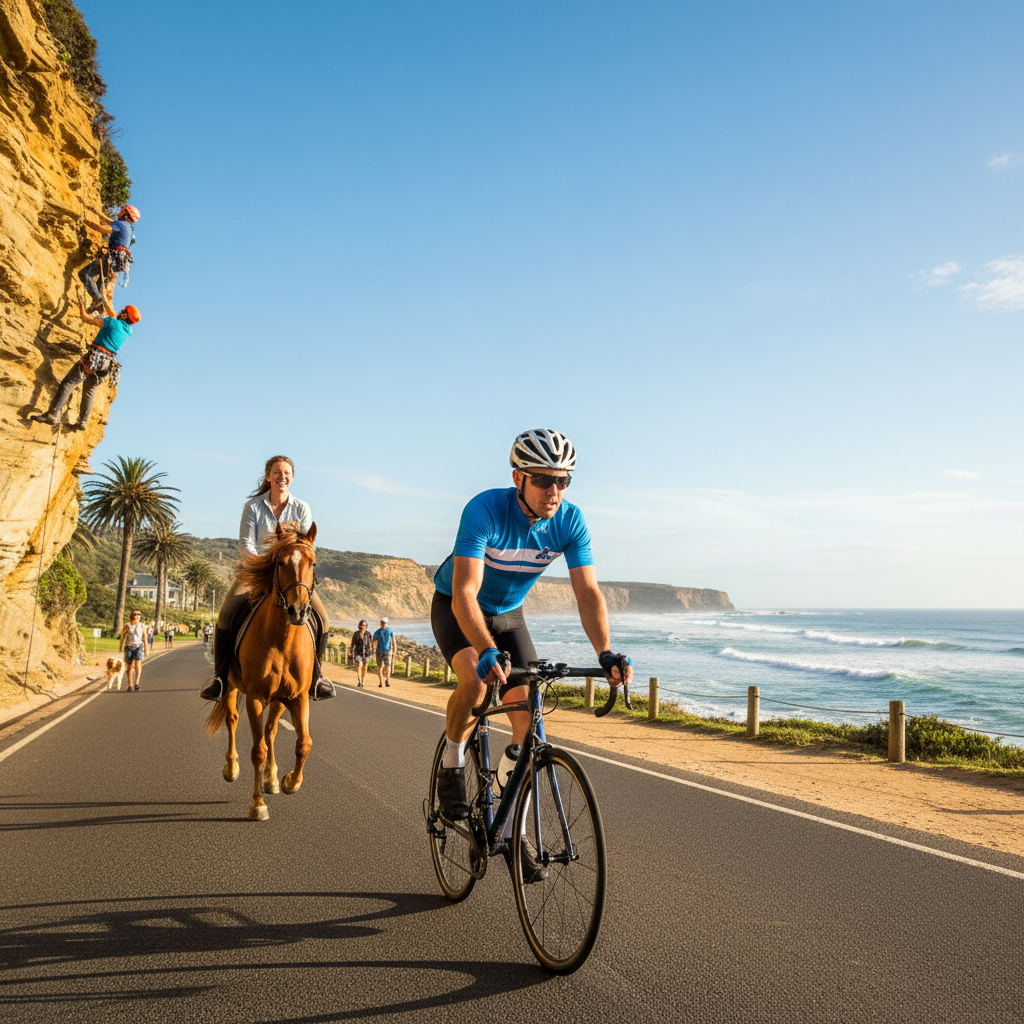
Sunburn on Your Ride? How to Protect Yourself While Cycling in Australia
Australia. Beautiful country. Amazing cycling. Killer sun. If you throw a leg over your bike down here, you're signing up for more than just a workout; you're signing up for sun exposure. And not the gentle, Mediterranean kind. We're talking about the full-strength, skin-scorching, vitamin D-delivering (and potentially skin-cancer-inducing) Aussie sun.
Let's cut to the chase. Not wearing adequate sun protection while cycling in Australia is a gamble. And the stakes are high: premature aging, painful sunburn, and increased risk of skin cancer. Think it won't happen to you? Think again. The UV levels in Australia are some of the highest in the world, year-round. Even on a cloudy day, up to 80% of UV rays can penetrate cloud cover. When the sun is out, which is most of the time, the UV Index frequently hits extreme levels (7+), especially during spring and summer.
This isn't just about avoiding a tan. This is about your long-term health.
The Ugly Truth About UV Exposure for Aussie Cyclists
When you're out on your bike, especially during peak UV hours (roughly 10 am to 3 pm), you're a prime target. Your head and neck are directly exposed. Your arms and legs are exposed. Even your ears and the back of your hands can cop a serious dose. And unlike walking or sitting in the shade, cycling often means you're moving faster, increasing wind chill which can mask the actual temperature and trick you into thinking you're not getting sunburnt.
Key Risks:
Sunburn: Red, painful skin that peels. Not just uncomfortable, but a direct sign of skin damage.
Premature Aging: Wrinkles, sunspots, leathery skin. Your skin will look older than your years.
Heat Stroke & Heat Exhaustion: Prolonged exposure to high temperatures combined with physical exertion can lead to dangerous heat-related illnesses.
Eye Damage: UV rays can contribute to cataracts and other eye conditions over time.
Skin Cancer: The big one. Melanoma and non-melanoma skin cancers are directly linked to UV exposure. Australia has one of the highest rates of skin cancer in the world.
It’s easy to think, “I’ve been riding for years and I’m fine.” This is classic Australian denial. Damage accumulates. It’s a cumulative effect. What might seem like minor redness today is contributing to damage that could manifest years down the line.
Your Helmet is Step One, But It's Not Enough
Most cyclists wear helmets. Good. This is paramount for safety. But a standard helmet offers zero UV protection to your face, neck, or ears. It’s designed for impact, not for shielding you from the sun. Many riders think the helmet's peak (if it has one) is sufficient, but these are usually tiny and offer minimal coverage, especially when you're leaning forward in a cycling position. This leaves gaping areas vulnerable.
Think about it: your face is your most visible feature. It’s the part of you that shows the most wear and tear from sun damage. And your neck and ears? Often forgotten, but prime spots for burning and, consequently, skin cancer.
Practical Solutions for the Aussie Sun:
You need a multi-pronged approach. Relying on one lazy application of sunscreen before a long ride just won't cut it. Especially with the intense Australian sun and often long daylight hours during cycling seasons.
1. Sunscreen, Properly Applied and Reapplied
SPF 30 or Higher: Absolutely non-negotiable. Broad-spectrum is essential.
Generous Application: Don't skimp. Most people don't apply enough. Cover all exposed skin – face, neck, ears, tops of hands, backs of legs.
Apply BEFORE You Go: 15-20 minutes before sun exposure so it has time to absorb and set.
Reapply: This is where most people fail. Sweating and friction from helmets wipe it off. Reapply every two hours, and more often if you're sweating heavily or have been in water (though this is rare for most Aussie cyclists).
Don't Forget Lips: Use a lip balm with SPF.
2. Protective Clothing
Long Sleeves: Lightweight, breathable, UPF (Ultraviolet Protection Factor) rated long-sleeved cycling jerseys are ideal. They offer consistent protection and are designed for heat.
Leggings/Arm Warmers: Similar to jerseys, UPF rated leg coverings or arm warmers (worn even on warm days) provide excellent protection.
Neck Gaiter/Buff: A lightweight, breathable neck gaiter can be pulled up over your lower face and neck.
3. Sunnies That Offer Real Protection
Wrap-Around Style: Choose sunglasses that wrap around your face to block UV rays from the sides.
UV Protection Certified: Ensure they block 100% of UVA and UVB rays.
4. The Helmet Problem Solved: Adding a Brim
This is where innovation meets necessity. Standard helmets offer no facial protection. Forget the tiny peaks. You need something substantial. This is why we developed Da Brim. It's a helmet brim designed specifically for cyclists. It attaches securely to most standard cycling helmets and provides significant shade to your face, neck, and ears.
Unlike other sun hats that can be unstable at speed or interfere with helmet fit, Da Brim is engineered to stay put. It's designed to reduce glare, block harsh UV rays, and keep you cooler. And the best part? It integrates directly with your existing helmet. No need to buy a whole new helmet.
You can learn more about how it works and see our range of products on our Products page. Installation is a breeze – check out our simple How to Install guide.
Common Objections and How to Handle Them
Objections:
“It’s too hot to wear extra stuff.”
“It looks silly.”
“My helmet is enough.”
“I just don't burn that easily.”
“I’m only going for a short ride.”
Handling Them:
Heat: This is where material choice is key. Lightweight, breathable, UPF-rated fabrics and innovative designs like Da Brim are made to wick moisture and allow airflow, keeping you cooler than being directly exposed to the sun's rays. The shade provided by a brim can actually make you feel cooler.
Looks: Functionality trumps fashion when it comes to skin cancer prevention. Besides, a rider who looks comfortable and proactive about their health generally looks good. Style is subjective; healthy skin is universally desirable. The modern designs of Da Brim are sleek and purposeful.
Helmet Sufficiency: As discussed, standard helmets offer ZERO facial and neck UV protection. It’s a critical gap that leaves you exposed.
“Don’t Burn Easily”: UV damage isn't always about immediate burning. It's about cumulative cellular damage. People with darker skin may not burn as quickly, but they are still susceptible to aging and skin cancer – sometimes even more aggressive forms.
Short Rides: UV rays are potent even for short durations. A quick 20-minute ride at lunchtime can still contribute significantly to your lifetime UV exposure, especially during peak Australian UV hours.
A Simple Checklist for Sun-Safe Cycling
Before you hit the road in Australia, run through this quick checklist:
[ ] UV Index Check: Is it 3 or higher? If so, extra precautions are essential.
[ ] Helmet Secured: Is your helmet fitted correctly?
[ ] Sunscreen Applied: Generously to all exposed skin (face, ears, neck, lips, hands).
[ ] Adequate Coverage: Are you wearing UPF rated long sleeves/legs or equivalent?
[ ] Protective Eyewear: Are your sunglasses UV certified and wrap-around?
- [ ] Face & Neck Shield: Is your helmet fitted with Da Brim for maximum facial and neck coverage?
Table of Protection Levels
Here's a simplified look at how different methods stack up:
| Protection Method | Face Protection | Neck Protection | Ears Protection | Effectiveness | Notes |
|---|---|---|---|---|---|
| Standard Helmet | Very Low | Very Low | Very Low | Low | Peak offers minimal coverage; designed for impact, not sun. |
| Helmet + Baseball Cap | Low | Low | Medium | Medium | Cap brim can flip off; not ideal for cycling speeds or airflow. |
| Helmet + Wide-Brim Hat | Medium | Medium | High | Medium-High | Can be unstable; may interfere with helmet fit and airflow. |
| Helmet + Da Brim | High | High | High | Very High | Designed for cycling; secure fit, excellent coverage, airflow. |
| Sunscreen Only | High (if applied) | High (if applied) | High (if applied) | Variable | Relies on perfect application & reapplication; can sweat off. |
| UPF Clothing (sleeves/legs) | N/A | N/A | N/A | High (for covered areas) | Essential for arms/legs; doesn't cover face/neck/ears. |
Don't Let the Sun Ruin Your Ride
Australia’s sun is a force of nature. You can’t control the UV index, but you can control how you prepare. Embracing sun-safe practices while cycling isn't just about comfort; it's a critical investment in your long-term health.
Think of it this way: you invest in great bikes, good gear, and training for performance. Why wouldn't you invest a small amount in protecting the very thing that makes it all possible – your health, and your skin?
Don't let a painful sunburn or the long-term threat of skin cancer be a consequence of enjoying your rides. Explore our range of helmet brims and sun protection solutions on our Products page. Our goal is to help fellow Australians cycle safely and comfortably, no matter how fierce the sun. You can find answers to common questions on our FAQ page, or browse more cycling tips on our Blog.
Ride smart, ride safe, and ride protected. Your skin will thank you for it, tomorrow and for years to come.