
Sunburn On The Rocks: Why Climbers Still Burn On Cooler Australian Days
Think a cool breeze means you're safe from the Aussie sun while climbing? Think again. This post breaks down why climbers get sunburned, even when it doesn't feel scorching hot. Learn how to protect yourself.
Sunburn On The Rocks: Why Climbers Still Burn On Cooler Australian Days
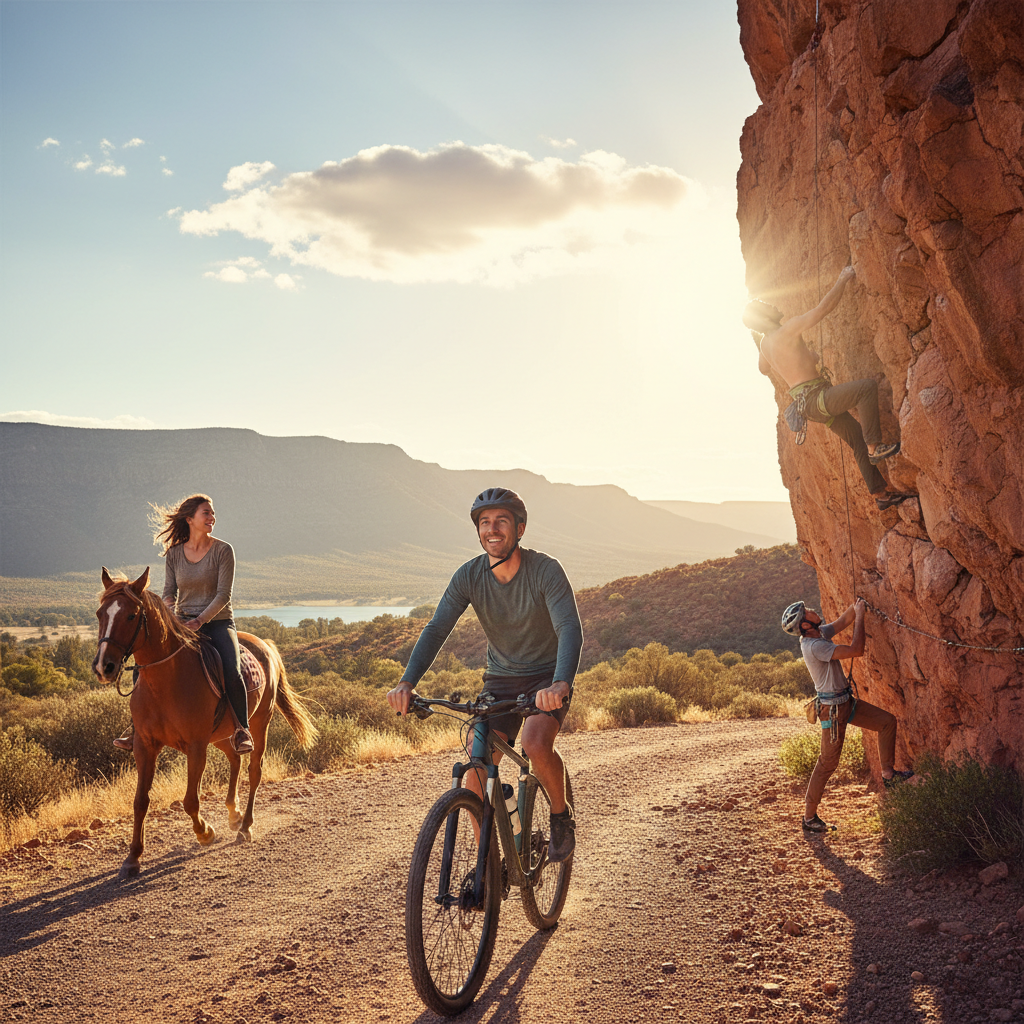
It's a classic scenario. You're out on a climb, maybe it's a bit breezy, even a little cool. You feel comfortable, not overheating. Yet, by the end of the day, your face feels tight, your ears are lobster-red, and your neck is stinging. You've gotten sunburned. How is this possible, especially here in Australia, where the sun is notoriously potent? The truth is, temperature and UV radiation are not the same thing, and for climbers, the risk of sunburn extends far beyond those searing summer scorch days.
This guide is for you, the Australian climber, who needs practical, no-nonsense advice on staying protected. We're not talking about vague recommendations; we're talking about understanding the risks and implementing real solutions, so you can focus on the next move, not the rising burn on your skin.
The Deceptive Nature of the Australian Sun
Australia has some of the highest UV radiation levels in the world. This isn't just for the peak of summer. The UV index can be high year-round, particularly in many popular climbing locations. Even on a cloudy day, up to 80% of UV rays can penetrate the clouds. What feels cool on your skin is often a poor indicator of the invisible damage being done by UV radiation.
Why Helmets Aren't Enough (Usually)
Your climbing helmet is essential safety gear. It protects your head from rockfall and impacts. However, standard climbing helmets offer virtually no protection for your face, ears, and neck. The edges are often too short, leaving vast areas exposed. Even if you're wearing one religiously, the unprotected parts of your head take a beating from the sun.
Key Factors Contributing to Climber Sunburn
It's a perfect storm of elements that leads to sunburn, even when you don't feel the heat:
High UV Index: As mentioned, Australia's UV levels are consistently high. Even on cooler days, the UV index can reach 'high' or 'very high' levels, sufficient to cause sunburn within minutes for unprotected skin.
Reflected Radiation: Rocks, especially lighter-coloured granite or sandstone, can reflect UV rays. This bounce-back effect means you're getting hit from above and below, doubling your exposure in certain situations.
Altitude: While most climbing occurs at lower altitudes in Australia, higher elevations do mean slightly less atmospheric filtering of UV rays. The difference might be marginal for most Australian climbs, but it's a contributing factor.
Long Exposure Times: Climbing sessions can be lengthy. Hours spent on a rock face, especially during the peak UV hours (roughly 10 am to 3 pm), mean prolonged exposure. You might be doing multiple pitches or multi-hour bouldering sessions.
Wind Chilling Effect: This is the big one for cooler days. Wind can make you feel cooler, masking the real intensity of the UV radiation. The wind evaporates moisture from your skin, which cools you down, tricking your brain into thinking the sun isn't that strong. This is why you can get seriously burned on a windy, 18°C day.
Water Reflection: If you're climbing near water (lakes, rivers, the ocean), UV rays can reflect off the surface, increasing your exposure.
Lack of Shade: Climbing routes are, by definition, exposed. You're often on the side of a cliff or a large boulder with no natural overhead shade. Your helmet provides some shade for your scalp and the very top of your head, but your face, ears, and neck are usually in direct sunlight.
Understanding UV Radiation and Sunburn
Sunburn is caused by ultraviolet (UV) radiation. There are three types:
UVA: Penetrates deep into the skin, causing premature ageing and contributing to skin cancer.
UVB: The primary cause of sunburn and a major factor in skin cancer.
UVC: Mostly absorbed by the ozone layer, so it's less of a concern for us on Earth.
It's UVB rays that cause the burning sensation and visible redness. However, UVA also damages skin cells. Both are present year-round, and at significant levels, even when it's not hot.
Practical Solutions for Uncompromising Sun Protection
Knowing the problem is half the battle. Implementing solutions is the other half. As climbers, we need gear that works with our existing equipment and our lifestyle. We can't always be reapplying sunscreen constantly, and we need defence against the parts of our body that are perpetually exposed.
The Obvious, But Often Inadequate, Strategies:
Sunscreen: Essential, but difficult to reapply effectively on your face, ears, and neck during a climb. Sweat, friction, and the simple act of climbing can wipe it off. It's a good first line, but not sufficient on its own.
Hats Under Helmets: Baseball caps or bucket hats worn under a helmet can help, but they often interfere with the helmet fit and can be cumbersome. They also don't offer comprehensive protection to the neck and ears.
Long Sleeves/Pants: Great for covering arms and legs, but what about your face, ears, and neck? That's where the problem lies for climbers.
The Game Changer: Dedicated Helmet Brims
This is where a piece of innovative gear truly shines for climbers. A helmet brim extension, like Da Brim, is designed to attach to your existing climbing helmet and significantly extend the brim's coverage. It effectively creates a wider visor, shielding your face, ears, and the back of your neck from direct and reflected UV radiation.
Think of it as adding a wide-brimmed hat's sun protection directly to your helmet. It's designed to be aerodynamic, durable, and most importantly, to provide the coverage you need without compromising your safety or ability to climb.
Why Da Brim is a Climber's Best Friend:
Extended Coverage: Significantly larger brim than standard helmets. Shields your face, ears, and neck.
UV Protection: Blocks direct sunlight and reduces reflected UV radiation hitting your skin.
Comfort: Designed to work with your helmet, maintaining airflow and not obstructing your vision.
Durability: Made from tough materials to withstand outdoor use.
Easy Installation: Attaches securely to most standard climbing helmets. Check our How to Install guide.
Implementing Your Sun Protection Strategy
You need a multi-pronged approach. Don't rely on just one method. Combine the best practices for maximum protection.
Your Climbing Sun Safety Checklist:
[ ] Wear a Helmet Brim Extension: This is your primary defence for your head and neck. (Explore Products)
[ ] Apply Sunscreen: Use SPF 30+ or higher on any exposed skin not covered by your brim or clothing. This means the back of your hands, forearms (if not wearing long sleeves), and any exposed neck area above your shirt collar.
[ ] Wear UV-Protective Clothing: Lightweight, long-sleeved tops and pants with a UPF rating are ideal when not actively climbing or when breaks are long.
[ ] Wear Sunglasses: Even on cooler days, bright sunlight can be intense and reflective. Essential for eye protection.
[ ] Choose Climbing Times Wisely: If possible, avoid the absolute peak UV hours (10 am - 3 pm). Organising climbs for early mornings or late afternoons can reduce exposure, but be mindful of shorter daylight hours and temperature drops.
[ ] Utilise Available Shade: During rests or belay stances, seek out any small patches of shade you can find. That's where your helmet brim really works in tandem with natural shade.
Step-by-Step Sun Protection Integration
Let's make this easy to implement before your next climb:
1. Assess Your Helmet: Does it have sufficient brim coverage? For most climbing helmets, the answer is likely no. Understand the limitations.
2. Invest in a Helmet Brim: Browse our range of Products designed specifically for helmets. Choose one that fits your helmet model.
3. Install Your Brim: Follow our simple How to Install instructions. It takes minutes.
4. Pre-Climb Check: Before leaving home, apply sunscreen to any exposed areas. Ensure your helmet brim is securely attached.
5. During the Climb: Your helmet brim does the heavy lifting for your face and neck. Be mindful of reapplying sunscreen if you're having long breaks, especially on your face if you sweat a lot, or any exposed hands/arms.
6. Post-Climb: Check for any missed spots. Even with excellent protection, it's good practice to assess.
Frequently Asked Questions (FAQ)
We get asked a lot about sun safety for outdoor activities. For more detailed answers, visit our FAQ.
Q: Does a helmet brim really make a difference on a cloudy day?
A: Absolutely. Clouds scatter UV radiation but don't block it entirely. Reflected UV is also a factor. A brim provides a physical barrier against that scattered and reflected light hitting your face and neck.
Q: Will a helmet brim affect my helmet's safety rating?
A: This is crucial. Our helmet brims are designed to be aerodynamic and attach securely without compromising the integrity or fit of your certified climbing helmet. They are accessories that enhance sun protection, not interfere with head protection. Always ensure it is fitted correctly as per the How to Install guide.
Q: Can I use a standard wide-brimmed hat with a climbing helmet?
A: While a hat offers shade, wearing one under a climbing helmet can be problematic. It can interfere with the helmet's snug fit, which is vital for its protective function. It can also cause overheating and be a nuisance. Dedicated helmet brim extensions are designed to integrate seamlessly.
Q: Do I still need sunscreen if I have a helmet brim?
A: Yes. A helmet brim covers your face, ears, and neck. However, the back of your hands, exposed forearms, and any areas your clothing doesn't cover still need sunscreen. Think of it as layered protection.
Don't Let the Sun Dictate Your Climbing
Being in Australia means respecting the sun. Cooler days are deceptive, offering a false sense of security. For climbers, the combination of prolonged exposure, often reflected UV, and the wind's chilling effect makes inadequate sun protection a serious risk.
Don't wait until you're peeling. Invest in practical, effective sun safety gear. A helmet brim extension is a vital piece of equipment that complements your helmet, protecting the most exposed parts of your head and neck, allowing you to concentrate on the climb.
Ready to upgrade your sun protection? Check out our Products and keep climbing, safely and comfortably, under the Australian sky.