
Sunburn On The Rocks: Why Climbers Still Burn On Cooler Aussie Days
Think climbing in cooler weather means no sunburn? Think again. Australian UV rays are relentless, even when it’s not scorching. Learn why you’re still at risk and how to protect your head and face.
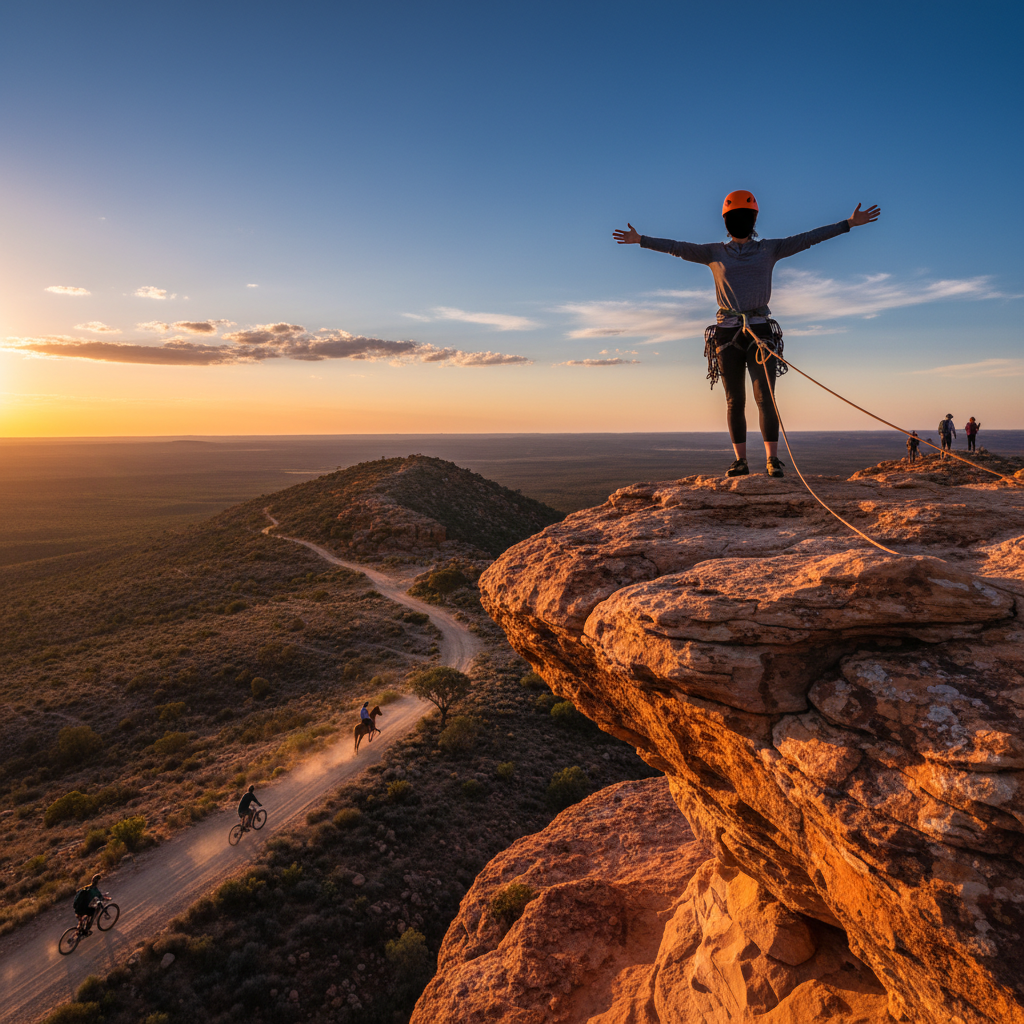
Sunburn On The Rocks: Why Climbers Still Burn On Cooler Aussie Days
We’ve all been there. You’ve chosen a cooler day for a climb, thinking you’ll be comfortable and safe from the sun’s harsh glare. Yet, when you get back to the car, your scalp feels tight, your nose is red, and your ears are burning. How is this even possible?
The truth is, Australian UV rays are powerful adversaries, regardless of the ambient temperature. Climbers, in particular, are often exposed for extended periods at higher altitudes, where the sun’s intensity increases. This post cuts through the confusion and explains the realities of sun exposure for climbers in Australia and how to stay protected, even when it's not 40 degrees.
The Deceptive Nature of Cooler Climbs
It’s easy to associate sunburn with scorching heat. When it’s 15 or 20 degrees Celsius, it feels… pleasant. You’re less likely to feel that immediate, oppressive heat that makes you seek shade. But UV radiation – the culprit behind sunburn and long-term skin damage – doesn't care about your comfort level. It's an invisible force that can be just as damaging on a crisp morning as it is on a sweltering afternoon.
For climbers, this presents a unique challenge. You're out for hours, often exposed to direct sunlight. The effort of climbing can generate significant body heat, making you feel cooler on the outside than you actually are, and masking the sun’s intensity. This creates a dangerous disconnect where you don't feel the heat, but you’re still accumulating harmful UV exposure.
Key Factors Contributing to Sunburn for Climbers:
UV Index Dominance: The UV index is a measure of the intensity of ultraviolet radiation from the sun. It’s largely independent of temperature. On a clear Australian day, the UV index can be high even when the air temperature is moderate. Factors like cloud cover (thin clouds can actually scatter UV radiation, increasing exposure), ozone layer thickness, and time of day all play a role. Australia generally experiences higher UV levels than many other parts of the world. Even on a "cooler" day, the UV index can easily be in the moderate to high range (4-7+), meaning unprotected skin can burn in under 30 minutes.
Altitude Amplification: The higher you climb, the thinner the atmosphere becomes. This means less of the UV radiation is absorbed before reaching your skin. So, that climb that takes you up a few hundred metres above sea level is already presenting a more potent UV challenge.
Reflection and Scattering: Rocks, especially lighter-coloured granite or sandstone, are excellent reflectors of UV radiation. This means you're not just getting hit by direct sunlight; you're also getting a significant dose from the surfaces around you bouncing those rays back up at you. Snow, if present at higher alpine climbs, can reflect up to 80% of UV radiation! Even dust and sand can contribute to scattering.
Extended Exposure Times: Climbing is rarely a quick activity. A single route can take hours. Multi-pitch climbs often span an entire day. This prolonged exposure means that even moderate UV levels can lead to significant cumulative doses and subsequent sunburn.
The Helmet Paradox: While helmets are essential for safety, they often leave large areas of your face, neck, and ears exposed. The majority of helmets provide excellent head protection but minimal facial shade coverage. This is where dedicated sun protection becomes critical.
Effort and Sweat: As mentioned, the physical exertion of climbing makes you generate heat and sweat. This can lead to a feeling of coolness and a distraction from monitoring your sun exposure. Sweat can also wash away sunscreen, reducing its effectiveness if not reapplied.
The Risks Go Beyond a Red Nose
Beyond the immediate discomfort of sunburn, there are serious long-term health implications. Chronic UV exposure significantly increases your risk of:
Skin Cancers: Including melanoma, the deadliest form of skin cancer.
Premature Skin Aging: Wrinkles, age spots, and leathery skin.
Eye Damage: Cataracts and other vision problems.
As climbers, we’re often focused on the technical challenges of the rock, but neglecting sun protection is a health gamble we can’t afford to take.
A Practical Sun Protection Strategy for Climbers
No one wants to cut a climb short or suffer sunburn. The good news is that effective sun protection is achievable with the right gear and a proactive approach. For Australian climbers, this means a robust, year-round strategy.
Your Essential Sun Protection Arsenal:
Here’s a breakdown of what you need, beyond just a helmet:
The Brim: A helmet-mounted brim is your first and most effective line of defence for your face and neck. It extends the shade provided by your helmet, effectively creating a personal umbrella that blocks direct solar radiation and reduces glare. Look for a brim designed to attach securely to your climbing helmet. More on this below.
Sunscreen: Apply a high SPF (50+), broad-spectrum sunscreen to all exposed skin. Pay attention to your ears, the back of your neck, and any areas not covered by clothing or your brim. Reapplication is key, especially after sweating.
Lip Balm with SPF: Your lips are delicate and prone to burning. Use a lip balm with at least SPF 30.
Sunglasses: Essential for protecting your eyes during approaches, descents, and even while belaying. Look for UV protection ratings.
Sun-Protective Clothing: Long-sleeved shirts and pants made from lightweight, breathable, UPF-rated fabric can provide significant protection. Many outdoor brands offer clothing specifically designed for sun protection.
The Power of the Extended Brim
Your climbing helmet is designed to protect your head from impacts. It’s not designed to be a sun shield for your face. The standard brim on most helmets is minimal and offers little protection against high-angle Australian sun, especially when you’re looking up at routes or out across exposed ridges.
This is where a purpose-built, extended brim for your helmet comes in. A product like Da Brim attaches to your existing helmet, significantly extending the shade coverage over your face, ears, and neck. It’s not just about blocking direct sun; it also reduces glare, which can be a significant contributor to eye strain and fatigue.
Installing one is straightforward. You can find all the details on how to attach yours here: How to Install.
Why an Extended Brim is a Game-Changer:
Superior Shade: Dramatically increases the shaded area around your face and neck.
Reduces Glare: Less squinting, better visibility.
Integrates with Your Helmet: Designed to work with most standard climbing helmets.
Comfort: Prevents that annoying constant sun beating down on unprotected skin.
Durability: Made from materials designed for outdoor use.
Implementing Your Sun-Smart Climbing Routine
Being sun-smart isn't a one-off task; it's a consistent practice. Integrating these steps into your climbing routine will make a significant difference.
Pre-Climb Checklist:
[ ] Check the UV forecast for the day. Even on cooler days, it might be high.
[ ] Apply broad-spectrum SPF 50+ sunscreen to all exposed skin (face, neck, ears, hands).
[ ] Apply SPF lip balm.
[ ] Ensure your helmet is fitted correctly. If you have an extended brim, ensure it’s securely attached.
[ ] Pack sufficient water. Dehydration can exacerbate the effects of sun exposure.
During the Climb:
Utilise Your Brim: Position yourself to maximise the shade cast by your extended brim.
Reapply Sunscreen: Every two hours, and more frequently if sweating heavily or after swimming.
Stay Hydrated: Drink water regularly.
Be Mindful of Reflective Surfaces: Especially on lighter-coloured rock.
Cover Up: Wear sun-protective clothing where possible.
Post-Climb:
Assess: Check for any missed spots or signs of early sunburn.
Hydrate and Nourish: Replenish fluids and use a gentle moisturiser.
Common Objections and How to Handle Them
Objection 1: "It's not hot, so I don't need much protection."
Response: As discussed, UV radiation is your primary concern, not heat. Australian UV levels can be high even when the temperature is cool. Think of it like wearing a helmet – you wear it for impact protection, not just when you expect to fall. UV protection is for invisible damage.
Objection 2: "I have a helmet, that’s enough."
Response: A helmet protects your head from impact. The brim on most climbing helmets is too small to offer adequate facial shade in Australian conditions. An extended brim significantly enhances your protection where it's most needed. See our Products page for options.
Objection 3: "Sunscreen is greasy and I don't like reapplying."
Response: Modern sunscreens are far less greasy. Opt for lightweight, fast-absorbing formulas. Make reapplication part of your scheduled rests on longer climbs. The discomfort and long-term risk of skin damage far outweigh the minor inconvenience. An extended brim reduces the need for constant sunscreen reapplication on your face.
Objection 4: "I only climb in winter or on cloudy days."
- Response: Winter sun can still be intense, especially in Australia. Clouds can scatter UV rays, sometimes increasing exposure. Always check the UV index. It’s never worth the gamble.
Conclusion: Protect Your Climb, Protect Your Skin
Climbing in Australia, regardless of the season or temperature, demands a serious approach to sun protection. The combination of high UV intensity, altitude, and reflective surfaces means that even on a "cooler" day, sunburn is a real and present danger. By understanding the risks and implementing a comprehensive strategy – including the essential addition of an extended helmet brim – you can focus on your climb without compromising your long-term health.
Don't let a red face and sore skin be your souvenir. Invest in proper sun protection, and make it a non-negotiable part of your climbing kit. You can find a range of helmet brim solutions on our Products page. For more general advice on outdoor safety, check out our Blog or our FAQ.
Stay safe, stay sun-smart, and enjoy the climb!