
Sunburn on the Rocks: Desert vs. Alpine Climbing in Australia
Think sun safety is just for beach days? Think again. Climbing, whether in searing desert heat or crisp alpine air, demands serious sun protection. This guide breaks down the risks and solutions for Aussie climbers.
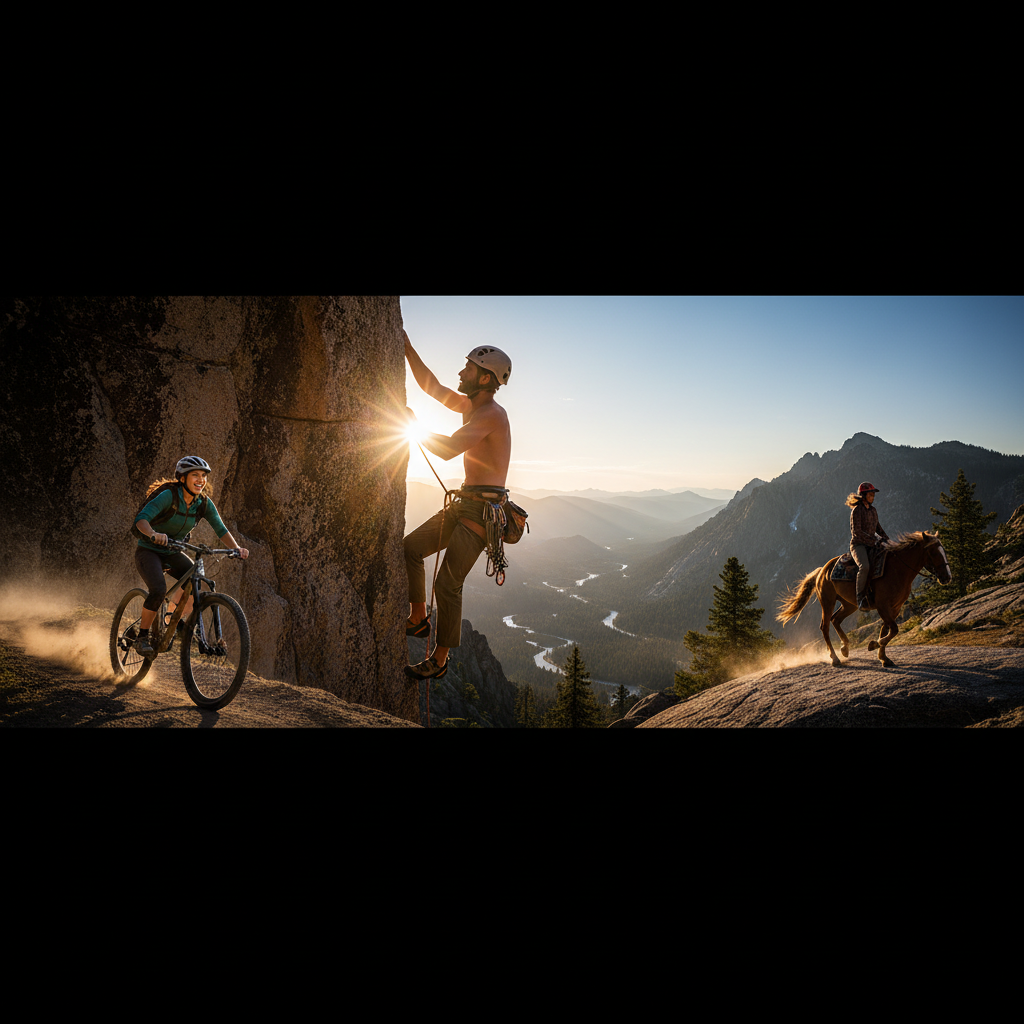
Sunburn on the Rocks: Desert vs. Alpine Climbing in Australia
Australians love the outdoors. We’re a nation built on sunshine and adventure. But when it comes to climbing, that same sun that fuels our lifestyle can be a serious hazard. Many climbers focus on the immediate dangers – falls, gear failure, rockfall. Sun exposure, however, can be just as insidious, leading to nasty sunburn, heatstroke, and long-term skin damage. And it doesn't matter if you're sweating it out in the Outback or breathing in the thin, cool air of the Snowy Mountains; the sun's UV rays are still potent.
This guide will cut through the fluff and give you the practical, no-nonsense truth about sun exposure for Australian climbers, comparing the unique challenges of desert versus alpine environments and how to stay protected.
The Sneaky Scorch: Why Sun Protection Matters for Climbers
Let's get this straight: your helmet is not enough. While essential for impact protection, standard climbing helmets offer minimal to no UV protection for your face, neck, and ears. And in Australia, we’re dealing with some of the most intense UV radiation on the planet. The Bureau of Meteorology (BOM) regularly reports UV Index levels that soar well above 10, even in winter in some regions, and regularly hit 11+ during peak summer. Remember, UV radiation is what causes sunburn and skin damage, and it’s present even on cloudy days.
Desert Climbing: The Searing Inferno
Climbing in Australian deserts – think the Flinders Ranges, Alice Springs areas, or even the vast Pilbara – presents a brutal trifecta of sun-related challenges:
Intense, Direct Sunlight: The lack of shade and often arid atmosphere means the sun's rays hit you head-on with little diffusion. Reflection off sandstone and rock surfaces can amplify this.
Extreme Heat: Temperatures can easily climb into the 40s Celsius (and beyond). This isn't just about discomfort; it's a direct path to dehydration and heatstroke, which can impair judgment and physical performance.
Long Days: Desert climbing often involves early starts to beat the heat, but days can still be long, and prolonged exposure is inevitable.
The typical objections:
"It's too hot to wear extra gear." We get it. But a heatstroke will stop your climb dead in its tracks and can be life-threatening. Protecting yourself from the sun mitigates the risk of heat illness.
"I've climbed in the desert before and been fine." This is a dangerous gamble. Cumulative UV damage doesn't care about past experiences. A single severe sunburn drastically increases your risk of skin cancer later in life.
"I'll just drink more water." Hydration is crucial, but it won't stop UV radiation from burning your skin. Sunburn actually dehydrates you faster.
Alpine Climbing: The High-Altitude Hazard
Australia's alpine regions, primarily the Australian Alps in New South Wales and Victoria, might seem less threatening due to cooler temperatures. Don't be fooled. The sun can be just as damaging, if not more so, at altitude.
Increased UV Intensity: As altitude increases, the atmosphere thins, offering less protection from UV radiation. For every 1000m of altitude, UV levels increase by approximately 10-15%. Even modest Australian alpine elevations significantly boost UV exposure.
Snow and Ice Reflection: If climbing in alpine areas with snow or ice cover (common in winter and spring), reflection can dramatically increase your UV dose. Ice and snow can reflect up to 80% of UV radiation, meaning you're getting zapped from above and below.
Cooler Temps Masking the Burn: The crisp, cool air can trick you into thinking the sun isn't that strong. You might not feel the heat on your skin, but the UV rays are still penetrating and causing damage. This is where skiers and snowboarders often get badly burned.
The typical objections:
"It's cold, so I don't need to worry about sun." Wrong. UV rays are separate from temperature. You can get severely sunburned even when it's freezing.
"I’m wearing layers, so I’m covered." While your clothing protects your body, your face, neck, and ears are often exposed. And remember that reflection from snow?
"I only climb in the alpine in winter." Winter in Australia's Alps can still have surprisingly high UV levels, especially on clear days with snow cover. Always check the forecast.
Practical Sun Protection for All Climbers: The Helmet Brim Solution
Forget flimsy hats stuffed into your pack. For climbers, a dedicated, well-integrated sun protection solution is key. This is where a helmet brim comes into its own.
Da Brim: Designed for the Task
While we can't link to external sites, we want to highlight that specialised helmet brims exist, specifically designed to attach to climbing helmets. These brims are engineered to provide significant shade to your face, neck, and ears, extending the protection offered by your helmet beyond just impact resistance. Look for ones made from durable, lightweight, and ideally UV-resistant materials. They should be easy to attach and remove, and crucially, not interfere with the safety or fit of your helmet.
Why a good helmet brim is superior:
Maximal Shade: They provide a wider, more effective shade than a cap or a bandana could ever offer, especially when you're looking up at routes.
Integrated Protection: It's part of your helmet system, meaning it’s always with you, ready to go.
Reduced Glare: Keeps the sun out of your eyes, improving vision and reducing eye strain.
Neck and Ear Coverage: Crucial areas often missed by traditional sun protection, these brims extend down far enough to shield the back of your neck and ears.
Sun Safety Checklist: Be Prepared
Regardless of your climbing location in Australia, a robust sun safety strategy is non-negotiable. Here's a quick rundown:
[ ] Helmet Brim: A dedicated brim to provide maximum facial and neck shade. (Check our Products page for options).
[ ] Sunscreen: High SPF (30-50+), broad-spectrum, water-resistant sunscreen. Apply generously to all exposed skin at least 15-20 minutes before sun exposure.
[ ] Lip Balm: With SPF protection.
[ ] Sunglasses: Essential for high-UV environments and especially important in alpine settings or on reflective surfaces. Ensure they offer UV protection.
[ ] Sun-Protective Clothing: Consider lightweight, long-sleeved tops and long pants made from UPF-rated fabric, even in warmer conditions.
[ ] Hat (for off-climbing): A wide-brimmed hat for when you're at the base or camping.
[ ] Hydration: Carry plenty of water. Dehydration exacerbates heat stress.
[ ] Know the UV Index: Check the BOM's UV forecast before you go.
[ ] Seek Shade: Take breaks in the shade whenever possible.
Comparing the Risks: Desert vs. Alpine
Here’s a quick look at the primary sun threats in each environment:
| Factor | Desert Climbing (e.g., Outback) | Alpine Climbing (e.g., Snowy Mountains) |
|---|---|---|
| Primary Threat | Intense heat, direct high UV, dehydration, sunburn | High altitude UV, reflection, sunburn masked by cool temps |
| Key Danger | Heatstroke, severe sunburn, long-term skin damage | Severe sunburn, long-term skin damage, eye damage (from glare/UV) |
| UV Considerations | Extreme, consistent, little atmospheric diffusion | Increased intensity due to altitude, amplified by snow/ice reflection |
| Temperature | Dangerously high, exacerbates dehydration and heat stress | Cool to cold, masks UV intensity, can lead to frostbite/hypothermia |
| Mitigation Focus | Cooling, hydration, immediate UV block, extended shade | UV block, eye protection, awareness of masked danger, warmth |
Step-by-Step: Implementing Your Sun Safety Routine
Don't leave sun safety to chance. Integrate it into your climbing preparation and execution.
Step 1: Pre-Climb Preparation
1. Check the Forecast: Specifically look at the UV Index for your climbing area and the weather forecast. Don't assume an "average" UV day is safe.
2. Pack Smart: Ensure you have all your sun protection gear, including your helmet brim. If you're new to helmet brims, check out our guide on How to Install to ensure a secure fit.
3. Apply Sunscreen: Apply agenerous layer of sunscreen to all exposed skin before* leaving your accommodation or vehicle. The recommended 15-20 minutes allows it to bind effectively to your skin.
4. Hydrate: Drink a good amount of water before you even start the approach.
Step 2: During the Climb
1. Wear Your Helmet and Brim: Always. Even for short climbs or approaches. The sun can be intense even during brief periods.
2. Reapply Sunscreen: If you're on a multi-pitch climb or out for an extended period, reapply sunscreen every 2-3 hours, or more frequently if sweating heavily or after swimming.
3. Use Lip Balm and Sunglasses: Keep these handy and use them whenever the sun is strong.
4. Take Shade Breaks: Whenever possible, move to shaded spots during descents, transitions, or while resting. This is crucial in desert environments.
5. Monitor Yourself and Partners: Be aware of the signs of dehydration and heatstroke (headache, dizziness, nausea, excessive thirst, confusion). Encourage partners to do the same.
Step 3: Post-Climb
1. Assess Your Skin: Check for any signs of redness or burning. If you've been burned, treat it promptly with moisturiser and consider how to improve your protection next time.
2. Rehydrate and Replenish: Continue drinking water and consume nutritious food.
3. Review and Improve: Think about what worked and what didn't. Was your sun protection adequate? Did you feel protected? Your well-being on future climbs depends on this honest assessment, and checking our FAQ might help answer lingering questions.
Conclusion: Don't Let the Sun Win
Sun exposure is a silent climbing partner that can cause significant harm. Whether you're navigating the stark beauty of the Australian desert or the rugged peaks of our alpine regions, understanding the risks and implementing a robust sun protection strategy is paramount. A quality helmet brim, combined with diligent sunscreen use, hydration, and awareness, is your best defence.
Invest in your long-term health and your climbing enjoyment. Don't let preventable sunburn or heatstroke cut your adventures short. Explore our range of Products designed to help you climb safer and smarter under the harsh Australian sun. For more tips and insights, visit our Blog.
Stay safe out there.