
Sunburn on the Crag: Why Climbers Still Burn on Cool Days (And How to Stop It)
Don't let a cool breeze fool you. Climbers are exposed to serious UV even when it's not scorching. Learn why and how to protect your scalp and face.
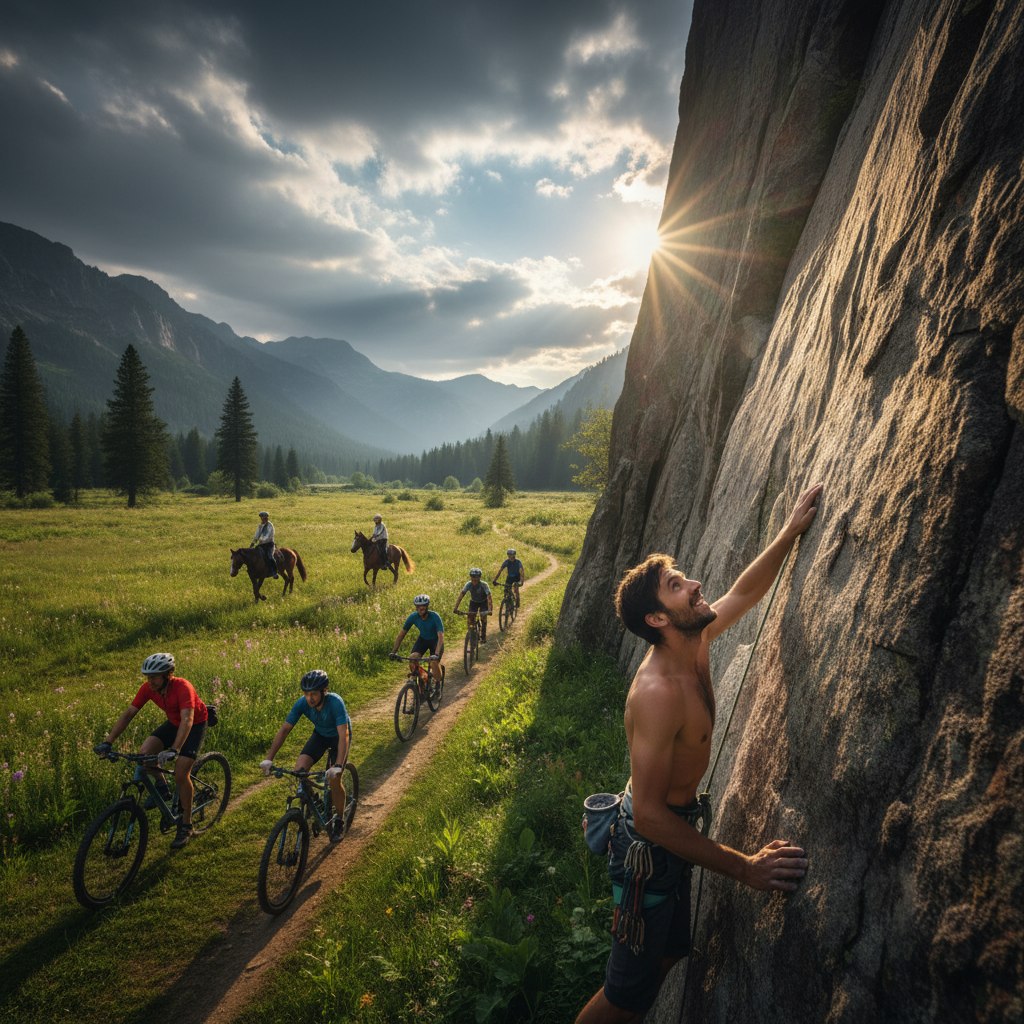
Sunburn on the Crag: Why Climbers Still Burn on Cool Days (And How to Stop It)
You're geared up, the rock feels good, but the air is a touch cooler than you expected. You might think you're safe from the sun. Think again. Many climbers, especially here in Australia, still get burnt on seemingly mild days. It's a common pitfall that can lead to painful sunburn, long-term skin damage, and unnecessary discomfort. This isn't about avoiding heat; it's about understanding UV radiation and how it affects you while you're focused on the climb.
The Deceptive Cool Breeze: Understanding UV Radiation
We often associate sunburn with sweltering heat. While hot days certainly increase the risk, they aren't the sole factor. The real culprit is ultraviolet (UV) radiation, primarily UV-B and UV-A rays emitted by the sun. These rays are invisible and have no temperature. So, even on a cool, breezy day, the UV index can be dangerously high, especially in Australia where our ozone layer is thinner and we live closer to the equator.
Why Climbers are Particularly Vulnerable
Climbing exposes you to unique and amplified UV risks:
Direct, Uninterrupted Exposure: Unlike a casual stroll, when you're on the wall, you're often for extended periods with little to no shade. There are no buildings to duck behind, no trees to shield you, just you and the sun-drenched rock.
Reflection off Surfaces: Rock, especially lighter coloured granite or sandstone, is highly reflective. This means you're getting UV radiation not just directly from the sky, but also bouncing off the rock face. Water and sand also reflect UV significantly, adding to the risk if your climb is near a body of water or on a sandy approach.
Altitude: Even a few hundred metres higher can mean increased UV exposure. While most climbing spots aren't Mount Everest, every bit of altitude contributes to more intense UV rays penetrating the atmosphere.
Helmet Blind Spots: This is the big one for helmet wearers. Standard climbing helmets are designed for impact protection, not sun protection. They leave your ears, neck, and the majority of your face exposed. Even if your helmet has a small rim, it rarely offers adequate coverage, especially when looking up or sideways.
Long Days in the Sun: Climbers are often out for entire days. The cumulative exposure over hours, even with intermittent cloud cover, can cause severe sunburn.
The Myth of 'Just a Little Bit of Sun'
It's easy to fall into the trap of thinking, "It's not that hot, I'll be fine" or "I'll just get a little tan." This is where Australian conditions really bite. Our UV levels can be extreme. For instance, it's common for the UV index to reach 10 or higher during summer months, which is considered 'Very High' and requires significant protection. Even in cooler months, UV levels can still be 'Moderate' or 'High' and cause damage.
Ignoring UV exposure, even on cooler days, leads to:
Acute Sunburn: Painful, red skin that can peel and blister. This is the most immediate and obvious consequence. Sunburns on the scalp can be particularly nasty, as the skin is often thin and sensitive.
Premature Skin Ageing: UV radiation breaks down collagen and elastin in your skin, leading to wrinkles, sun spots, and leathery texture over time. This affects your appearance and skin health.
Increased Risk of Skin Cancer: This is the most serious long-term consequence. Cumulative UV exposure is a primary cause of melanoma and other skin cancers. The skin on your scalp and face is particularly susceptible.
What About My Helmet?
Your climbing helmet is essential for safety. But as mentioned, it's not a sun-blocking shield. Most helmets offer minimal protection for your ears, neck, and face. This leaves a significant portion of your skin vulnerable to prolonged UV exposure, leading to those sneaky sunburns you didn't see coming.
Think about how you position your head while climbing: you're constantly looking up, tilting your head, and exposing the underside of your chin, ears, and neck. Standard helmet designs simply don't account for these angles. The small brim often found on helmets does little to shade your face or neck when you're craning your neck upwards.
Practical Solutions for Sun Protection on the Crag
Don't let the cool air lull you into a false sense of security. Protecting yourself from UV is non-negotiable for any climber, regardless of the temperature. Here's how.
1. Sunscreen is Your First Line of Defence
This sounds obvious, but it's how you use it that counts:
High SPF and Broad Spectrum: Aim for SPF 50+ with broad-spectrum protection (guards against both UV-A and UV-B). Reapply frequently, especially if you're sweating or climbing for extended periods. Don't skimp on application – many people miss spots like the tops of ears, the back of the neck, or the hairline.
Apply Before You Go: Get it on before you leave the house. It needs time to absorb.
Difficult-to-Reach Spots: The back of your neck and your ears are prime targets. Don't forget them!
2. Cover Up Where You Can
Sun-Protective Clothing: Wear lightweight, long-sleeved shirts with a UPF (Ultraviolet Protection Factor) rating. These offer excellent protection and can be surprisingly comfortable even on warmer days.
Hats: While you can't wear a wide-brimmed hat under a helmet (it's a safety hazard), a thin, close-fitting UPF hat or a bandana can offer some base protection for your scalp if you remove your helmet for breaks or during certain approaches.
3. Headwear that Complements Your Helmet – The Game Changer
This is where you can significantly improve your protection without compromising helmet safety. Traditional helmets leave too much exposed. You need something that extends the coverage area and shields your face and neck from reflected and direct UV.
Consider accessories designed for helmet wearers. These are often integrated or attachable brims that provide much more coverage than a standard helmet rim. They shade your face, neck, and ears effectively, addressing the primary weak points of helmet sun protection. This is crucial for climbers who spend hours exposed. You can find these options in our Products section.
Table: UV Exposure Risks During Climbing Activities
| Activity/Condition | Primary UV Risk | Mitigation Strategy |
|---|---|---|
| Direct climbing on sun-facing wall | High (Direct + Reflected UV) | High SPF sunscreen, UPF clothing, Helmet brim extension. |
| Belaying on a sunny ledge | High (Direct + Reflected UV) | Regular sunscreen reapplication, UPF clothing, strategically timed breaks in shade (if available), Helmet brim extension. |
| Approach/Descent in exposed terrain | Moderate-High (Direct UV, some reflection) | Sunscreen, UPF clothing, hat (if helmet off), sunglasses. |
| Overcast but bright day | Moderate-High (UV penetrates clouds) | Do not rely on cloud cover. Use sunscreen and protective gear as if it were sunny! Helmet brim extension critical. |
How to Enhance Your Helmet's Sun Protection
Your helmet is your primary safety gear, but its sun protection capabilities are limited. To improve this significantly, consider adding extensions. Many products are available that attach to your existing helmet or are integrated into newer designs. These extend the brim significantly, providing crucial shade for your face, ears, and neck.
If you're unsure about compatibility or installation, we have you covered. Check out our How to Install guide for simple, step-by-step instructions. Protecting yourself from the sun is a critical part of climbing safety, just like checking your knots or your belay device. Don't let sunburn be a distraction or a long-term health risk.
Checklist: Your Daily Sun Protection Routine for Climbing
Before you head to the crag, or even when you think it's too cool to worry, run through this checklist:
[ ] Helmet Check: Is my helmet certified for impact? Does it have adequate UV protection (e.g., a good brim, or is it compatible with an extension)? Have I considered adding a helmet brim extension for better face and neck coverage?
[ ] Sunscreen: SPF 50+, broad-spectrum applied liberally to all exposed skin, including ears, neck, and hairline. Have I packed enough for reapplication?
[ ] Protective Clothing: Long-sleeved UPF shirt, long pants or climbing tights. Do I have a backup if my primary gets wet or too hot to wear?
[ ] Head & Face Coverage: Beyond the helmet, do I have sunglasses for my eyes? A thin UPF cap or bandana for breaks?
[ ] Hydration: While not directly UV protection, staying hydrated helps your body cope with prolonged outdoor exposure and can prevent heat fatigue, which can make you less mindful of sun risks. And remember, water reflects UV, so be mindful near it.
Overcoming Objections: 'It's Too Much Hassle!'
We hear this. Applying sunscreen, wearing layers, adding a brim extension – it can seem like a lot when your main focus is climbing a difficult route. But consider the alternative:
Painful Sunburn: Days of discomfort, peeling skin, and being unable to enjoy your next climb or even sleep comfortably.
Long-Term Skin Damage: The invisible damage accumulating with every burnt session, increasing your risk of skin cancer.
- Distraction: A bad sunburn can occupy your mind and detract from your climbing focus, potentially leading to mistakes.
The effort involved in proper sun protection is minimal compared to the consequences of neglecting it. Modern solutions, like effective helmet brim extensions, are designed for quick attachment and minimal inconvenience. Investing a few extra minutes in preparation saves you many hours of pain and significantly reduces long-term health risks.
It's about making sun safety as automatic as checking your harness. Our FAQ page has more answers to common questions about sun safety and our products. Don't let a cool day on the rock lead to a burnt, damaged complexion. Be prepared, climb smart, and stay protected. For more tips and product insights, check out our Blog.
Remember, the Australian sun doesn't take a day off, and neither should your sun protection. Protect your skin, protect your future climbs, and enjoy the vertical world safely.