
Sunburn on Long Rides: Your No-BS Guide for Australian Cyclists
Sunburn is a cyclist's enemy, especially in Australia. This guide provides practical, direct advice on preventing sunburn during your longest rides, covering everything from gear to strategic planning.
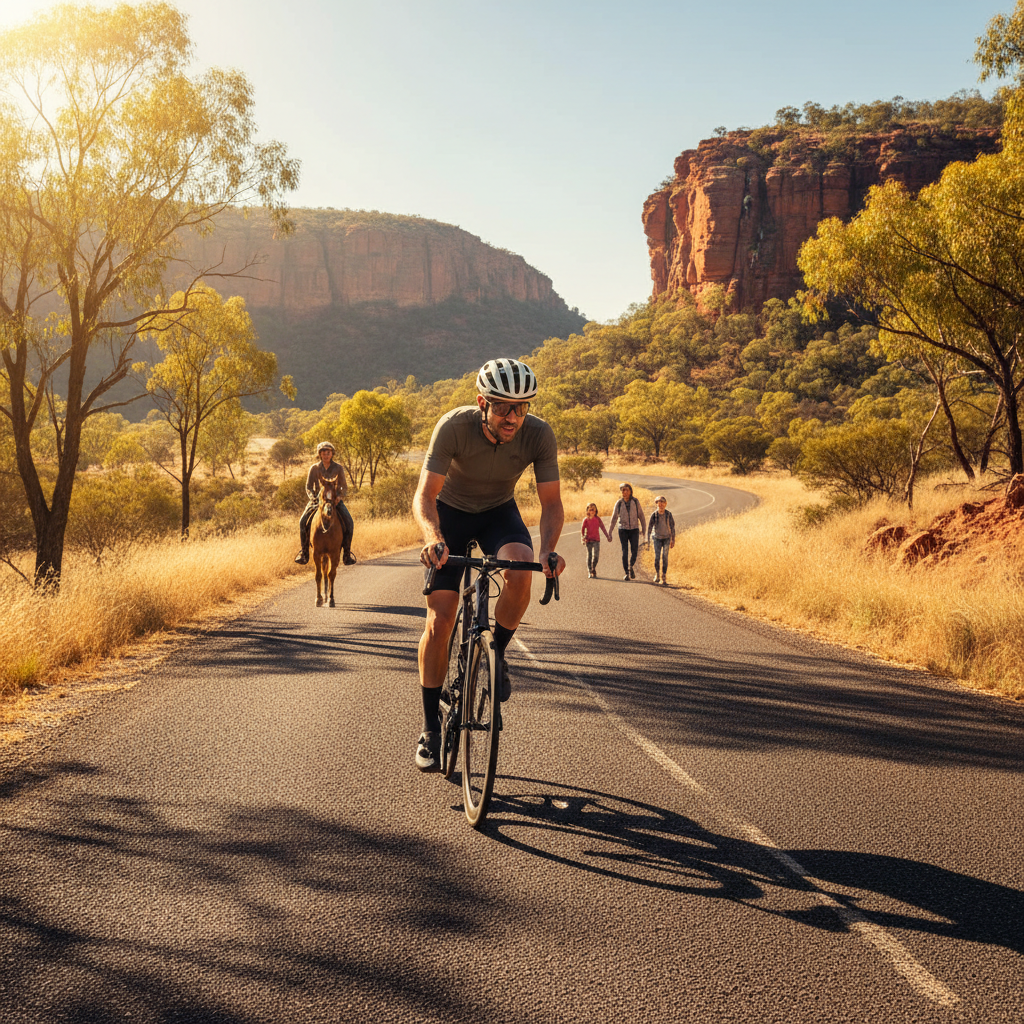
Sunburn on Long Rides: Your No-BS Guide for Australian Cyclists
Let's cut to the chase. Sunburn is more than just an inconvenience; it's a genuine risk for Australian cyclists. The sun here doesn't mess around. We've got intense UV, long daylight hours, and often, unrelenting heat, especially during peak riding seasons. You might think your standard helmet offers enough protection, but on a long ride, exposed skin on your neck, ears, and face can accumulate a serious dose of UV radiation.
This isn't about wimpy weekend warriors. This is for anyone pushing their limits, whether you're training for an event, touring the coast, or just enjoying a solid few hours in the saddle. We're talking about preventing that searing burn that can ruin your next day (or week) and contribute to long-term skin damage. Forget fairy tales; this is practical, actionable advice.
Why Your Helmet Alone Isn't Cutting It
Your bike helmet is a lifesaver for impact protection, no argument there. But the design of most cycling helmets, with their generous ventilation, leaves significant portions of your head and neck vulnerable. Think about it: even with a helmet on, the sun's rays can still hit your ears, the back of your neck, and any skin on your face not covered by sunglasses or a cap.
Australian UV levels can reach extreme ratings (UVI 11+) even outside of summer. On a long ride, you're exposed for hours. This repeated, cumulative exposure is what leads to sunburn and increases your risk of melanoma and other skin cancers. We're not scaremongering; we're stating facts. You wouldn't ride without a helmet, so why ride without adequate sun protection for the parts your helmet doesn't cover?
The Core Principles of Sun Protection on the Bike
Preventing sunburn on long rides boils down to a few key strategies:
1. Barrier Protection: Physically blocking the sun's rays.
2. Topical Protection: Using sunscreens and other protective creams.
3. Timing & Planning: Leveraging the sun's position to your advantage.
4. Strategic Gear: Choosing accessories that work with your helmet.
Let's break down each one.
Strategy 1: Barrier Protection – The Obvious Wins
This is the most effective, foolproof method. If the sun can't touch your skin, it can't burn it.
Clothing: Long sleeves, even in the heat, can be your best friend. Look for lightweight, breathable, moisture-wicking fabrics. For your legs, full-length cycling tights or leg warmers offer excellent coverage. Yes, even in Queensland. A well-chosen fabric makes a huge difference.
Neck Gaiter/Buff: A simple tube of fabric can be pulled up to cover your neck and lower face. This is crucial. The back of your neck is a prime sunburn real estate for cyclists and incredibly painful when it happens.
Caps under the Helmet: A traditional cycling cap with a brim can offer a little extra shade for your face and forehead, but its coverage is limited and often shifts under a helmet. It's better than nothing, but not a complete solution.
Objection Handling: "But it's too hot for long sleeves!"
The key is fabric technology. Modern cycling apparel uses advanced materials designed for extreme heat. These fabrics are often UPF rated, offering excellent sun protection without making you feel like you're in an oven. They wick sweat away, keeping you cooler than letting the sun bake your skin directly. Experiment with different brands and materials. You'll be surprised.
Strategy 2: Topical Protection – The Undeniable Necessity
Even with the best clothing and gear, some skin will inevitably be exposed. This is where sunscreen becomes non-negotiable.
High SPF is Mandatory: For Australian conditions, anything less than SPF 50+ is a waste of time on a long ride. Aim for broad-spectrum protection to guard against both UVA and UVB rays.
Reapplication is Key: Sunscreen degrades and sweats off. On a ride longer than 2-3 hours, you must reapply. This is where many cyclists fall down.
Target High-Exposure Areas: Don't just slap it on randomly. Focus on your ears, the back of your neck (even if you’re wearing a buff, it might shift), your face (especially around sunglasses and forehead), and any exposed skin on your arms or legs.
Practical Sunscreen Application Tips:
Apply Before You Ride: Generously slather it on at least 15-20 minutes before you even touch your bike. This allows it to bind with your skin. Don't wait until you're kitted up and ready to go.
Choose Water/Sweat-Resistant Formulas: Look for products designed for sports. They'll stay put longer.
Consider a Sunscreen Stick: These are great for easy application on the go, especially for your face and ears, without getting greasy hands. They fit easily into a jersey pocket.
Don't Forget the Lips: SPF lip balm is essential. Your lips can and will burn.
Objection Handling: "Sunscreen makes me feel greasy and sweaty."
Again, choose your product wisely. Many modern sunscreens, especially those designed for active use, are lightweight, non-greasy, and fast-absorbing. Mineral-based sunscreens can sometimes feel heavier, but chemical sunscreens suitable for sensitive skin are widely available. Experiment to find one that works for you. The feeling of grease is temporary; the pain of sunburn lasts.
Strategy 3: Timing and Planning – Ride Smarter, Not Harder
This is often overlooked, but it's a powerful tool in your arsenal. The sun's intensity varies greatly throughout the day.
Avoid Peak UV Hours: The sun is at its strongest between 10 am and 3 pm. If you can, schedule your longest rides for early morning or late afternoon. This is a no-brainer that significantly reduces your UV load.
Plan Your Route: Consider sections of your ride that might offer natural shade – through forests, underpasses, or even riding parallel to a large building for a short period. These small breaks can make a difference.
Monitor the UV Index: Most weather apps provide the UV index for your area. If it's high (6+), be extra vigilant. If it's extreme (11+), frankly, you're pushing your luck if you're out for hours without serious protection.
Objection Handling: "My schedule forces me to ride during peak UV hours."
This is where the other strategies become even more critical. You can't control the sun's position, but you can control how you prepare. If you must ride during peak UV, then double down on your barrier and topical protection. Consider an earlier start or a later finish to at least mitigate some of the worst hours.
Strategy 4: Strategic Gear – Enhancing Your Helmet's Capabilities
This is where innovation comes in. Standard helmets aren't always designed with extended sun exposure in mind. But there are accessories that can dramatically improve your protection.
The DA BRIM Helmet Brim: This is the game-changer for cyclists who spend hours under the sun. It's a detachable brim that easily attaches to most standard cycling helmets. It significantly extends the shade over your face, neck, and ears, acting like a portable umbrella. It's lightweight, won't impede ventilation, and provides substantial UV protection where it's needed most.
Let's talk about how it works and why it's effective:
Extended Shade: The DA BRIM is designed to cast a much wider shadow than a standard helmet visor. This means your forehead, cheeks, nose, and most importantly, your ears and the back of your neck, receive significantly less direct sunlight.
Easy Attachment: No complex installation required. It uses a secure, adjustable strap system. Check out our How to Install guide for a quick demonstration. It takes seconds.
Lightweight & Aerodynamic: It's made from durable, lightweight materials and designed to minimise drag. You won't feel like you're towing a billboard.
Works With Your Existing Helmet: You don't need to buy a whole new helmet. It’s an affordable add-on to your current protective gear. Browse our range of Products.
Objection Handling: "Helmets with integrated brims are too hot / not ventilated enough."
The DA BRIM is specifically designed to solve this. It's an addition to your helmet, not a replacement for its ventilation. It attaches to the outside, allowing your helmet's internal channels to do their job. Coupled with its wide coverage, it offers the best of both worlds: superior sun protection and functional ventilation.
Your Long Ride Sun Protection Checklist
Before you head out on that epic ride, run through this simple checklist. Tick off each item to ensure you're not caught out by the Australian sun.
[ ] Helmet: Check. Safety first, always.
[ ] DA BRIM Helmet Brim: Attached and secure? (Yes, we’re pushing it, but it’s effective).
[ ] SPF 50+ Sunscreen: Applied 20 mins prior?
[ ] SPF Lip Balm: Applied?
[ ] Long-Sleeved, Breathable Jersey: Yes, even if it's warm.
[ ] Cycling Tights/Leg Warmers: For maximum coverage.
[ ] Neck Gaiter/Buff: Pulled up and in place?
[ ] Sunglasses: Protecting your eyes and the skin around them.
[ ] Water Bottle(s) with Sunscreen/Balm: For reapplication.
[ ] Route Plan: Checked for shade options?
[ ] UV Index Awareness: Know what you're riding into?
This might seem like a lot, but once it becomes habit, it’s no more effort than pre-ride tyre inflation and chain lube. For more FAQs about DA BRIM and sun protection, visit our FAQ page.
Step-by-Step Sunscreen Reapplication on a Long Ride
Reapplication is where most people fail. Here's how to do it effectively without stopping for an age or getting it everywhere:
1. Identify Your Reapplication Point: Choose a natural break point – a traffic light, a short hill climb, or even a planned water stop. You don’t need a full stop.
2. Access Your Sunscreen: Have a sunscreen stick or a small, easily accessible tube ready in a jersey pocket.
3. Quick Application: While stopped or moving slowly:
Face: Swipe the stick across your forehead, cheekbones, nose, and chin. Don't smear it everywhere; a few direct applications are fine.
Ears: Don't forget to swipe across the tops and backs of your ears. This is critical.
Neck: If your buff has slipped, a quick swipe on the exposed skin of your neck is vital.
Lips: Reapply lip balm.
4. Minimise Greasy Hands: Use the applicator (stick) or try to wipe excess on the inside* of your jersey if using a tube.
5. Get Back to It: You’re done. 30 seconds, tops. The slight tackiness will dissipate.
In Conclusion: Protect Yourself. It's Just Better.
Sunburn is preventable. It's a nuisance that actively impairs your performance and health. By adopting a layered approach – using protective clothing and accessories like the DA BRIM, applying and reapplying high-SPF sunscreen, and planning your rides strategically – you can enjoy your long cycling adventures across Australia without the painful consequences of sun exposure.
Don't leave your skin to chance. Invest in proper protection. Your future self will thank you. For more tips and product information, head back to our Blog or check out our Products. Ride safe, ride protected.