
Sunburn on Long Rides: How Cyclists Can Beat the Burn in Australian Conditions
Don't let sunburn ruin your next long cycling adventure. This practical guide covers everything Australian cyclists need to know to stay protected, from helmet choices to reapplication strategies.
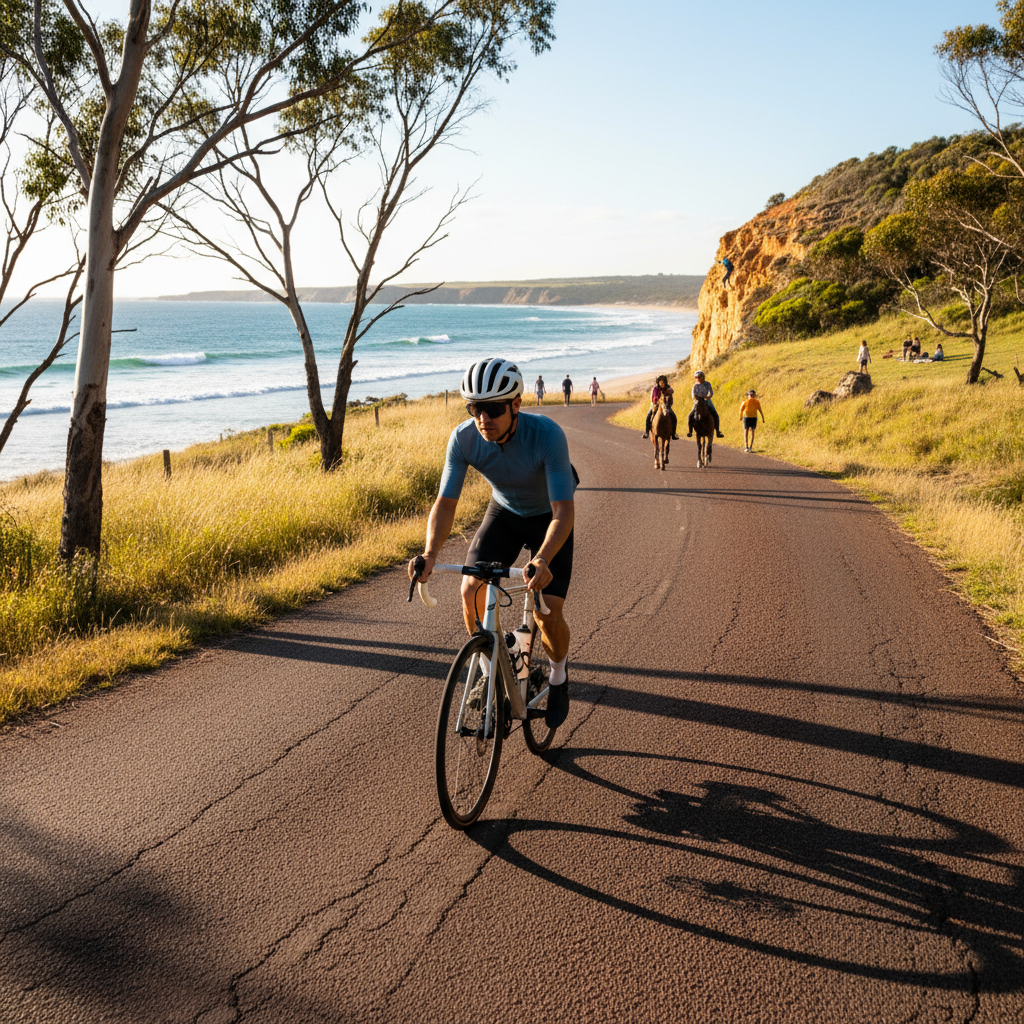
Sunburn on Long Rides: How Cyclists Can Beat the Burn in Australian Conditions
Long rides are fantastic. They clear the head, build fitness, and offer a chance to explore. But in Australia, with our intense sun and high UV levels, they can also be a fast track to a painful sunburn. You might think your helmet is enough, but think again. Those exposed areas – your face, neck, and ears – are prime targets for UV damage, especially on rides stretching across hours.
This isn't about avoiding the outdoors; it's about understanding the risks and implementing smart, practical strategies to keep your skin protected. We’re tackling this head-on, dealing with common excuses and providing actionable advice for every cyclist.
Why Helmets Alone Aren't Enough
Your cycling helmet is crucial for safety, no doubt. It protects your noggin from impacts. But its primary function isn't sun protection. Most helmets offer ventilation, which is great for cooling, but it also means direct sun can get to your scalp and parts of your face. The straps themselves can create tan lines, but more importantly, the gaps can let in harsh UV rays.
Think about the Australian sun. Even on a cloudy day, UV radiation can penetrate. On a clear day, especially during summer months, the UV index can soar. Long rides mean prolonged exposure. You might start a ride in the morning when UV is lower, but by midday, it can be dangerously high. By the time you're heading home, the damage could already be done.
Common Excuses (And Why They Don't Cut It)
"My helmet shades my eyes." True, but only your eyes and a small area around them. What about your forehead, nose, cheeks, ears, and neck? These get roasted.
"I've got a tan, I don't burn easily." Tanning is a sign of skin damage. Even if you don't turn crimson, cumulative UV exposure increases your risk of skin cancer and premature aging.
"It's too hot to wear sunscreen." Dehydration is a bigger risk on long rides. Sunscreen is a critical form of protection. Modern sunscreens are lightweight and feel far less offensive than you might remember.
"I only ride for an hour." An hour can be enough when the UV index is high. For longer rides, it’s significantly more.
"I wear a cap under my helmet." This helps with scalp coverage but often offers minimal facial shade and can make your head hotter. The brim is usually too small.
Smart Strategies for Sun-Proofing Long Rides
Preventing sunburn on long rides requires a multi-pronged approach. It's about preparation, the right gear, and consistent application.
1. Sunscreen: Your First Line of Defence
This is non-negotiable. Don't just slap some on. Apply enough, and apply it correctly.
Choose the Right Sunscreen: Look for broad-spectrum, water-resistant sunscreen with an SPF of 30 or higher. For extended outdoor activity, SPF 50+ is recommended in Australia.
Apply Generously: Most people don't use enough. You need about a shot glass worth for your whole body. For your face, neck, and ears, ensure you cover all exposed skin.
Timing is Key: Apply sunscreen 15-20 minutes before you go outside. This allows it to bind to your skin properly.
Don't Forget the Edges: Pay attention to your hairline, the tops of your ears, the back of your neck, and any exposed skin around your helmet straps.
Reapplication Strategy: This is where many cyclists fall down. Sunscreen wears off, especially with sweat. For rides longer than two hours, plan to reapply. More on this below.
2. Sun-Absorbent Clothing
While not directly related to your helmet, the rest of your exposed skin is also vulnerable. Opt for lightweight, UPF (Ultraviolet Protection Factor) rated cycling jerseys and legwear. These offer a physical barrier.
3. Hydration and Timing
Staying hydrated is vital for performance and health on long rides. Dehydration can make you feel worse and less aware of your body's signals, including those indicating sunburn.
Plan Your Ride Time: If possible, schedule longer rides during cooler parts of the day. Starting early morning or late afternoon can significantly reduce peak UV exposure.
Seek Shade: Plan your route to include shaded sections or rest stops in shaded areas. This offers a brief respite from direct sun.
4. The Helmet Factor: Extending Your Shade
This is where accessories designed specifically for your helmet come into play. Standard helmets provide limited shade. What if you could extend that shade without compromising ventilation or safety?
This is where solutions like the [DA BRIM[/products] come in. It's an attachment that significantly broadens the brim of your existing helmet, offering much more facial and neck coverage. Installing it is straightforward – check out our How to Install guide for details.
A wider brim means:
Less Sun on Your Face: Your forehead, cheeks, and nose are better protected.
Shaded Neck: Crucial for preventing those painful sunburns on the back of your neck, often caused by looking up or leaning forward.
Reduced Glare: Improved visibility by reducing direct sunlight hitting your eyes.
It's a practical, cost-effective way to enhance the sun-protective capabilities of your helmet without needing to buy a completely new one. You can explore our range of Products to find the right fit for your helmet.
Reapplication: Your Secret Weapon on Long Rides
This is critical for rides exceeding 2-3 hours. Sunscreen needs topping up. How do you do this effectively while on the move or during brief stops?
Reapplication Options:
Sunscreen Sticks/Balms: These are great for targeted application. They don't run as much as liquid sunscreen and are easier to apply on the go. Keep one in your jersey pocket.
Spray Sunscreen (with caution): While convenient, sprays can be tricky. You need to ensure even coverage, and inhaling the spray is a concern. Best used in well-ventilated areas or when you have a moment to be thorough.
Powder Sunscreens: Some brands offer translucent powders that can help mattify the skin and offer a light layer of SPF, good for touch-ups on your T-zone.
When and Where to Reapply:
Scheduled Stops: If you're planning a break at a cafe or a rest stop, this is the ideal time to reapply generously.
Mid-Ride Rehydration Stops: If you're stopping to refill bottles, take the opportunity to reapply.
Every 2-3 Hours: Set a mental timer. After two to three hours of continuous exposure, it's time for a top-up, even if you don't feel like you're burning.
Practical Reapplication Tips:
1. Cleanse Slightly (if possible): If you have a damp cloth or wipes, quickly wipe down sweaty areas where you'll reapply. This helps the new sunscreen adhere better.
2. Target High-Exposure Zones: Focus on your forehead (under the helmet strap), nose, cheeks, ears, and the entire back of your neck.
3. Use Your Fingers: For sticks and balms, apply directly and then spread with your fingers.
4. Check Your Watch: Don't forget how long it's been since your last application.
Checklist for Sun-Safe Long Rides
Before you head out on your next long ride, run through this quick checklist:
[ ] Broad-spectrum SPF 30+ (ideally 50+) sunscreen applied 15-20 minutes before ride.
[ ] Sunscreen applied generously to face, neck, ears, hairline, and any other exposed skin.
[ ] Water-resistant sunscreen chosen.
[ ] Helmet fitted correctly.
[ ] DA BRIM[/products] (or similar wide-brim attachment) installed on helmet (if applicable).
[ ] Reapplication sunscreen (stick/balm) packed in jersey pocket.
[ ] Lightweight, UV-protective clothing worn.
[ ] Hydration plan in place (bottles/pack filled).
[ ] Awareness of the UV index for the day.
[ ] Plan for reapplication during the ride (every 2-3 hours).
Dealing with Specific Problem Areas
Neck: The back of the neck is notoriously difficult. A wide-brimmed attachment like the [DA BRIM[/products] is invaluable here. If not, ensure you're using plenty of sunscreen and consider a neck gaiter made of UPF fabric if it’s not too hot.
Ears: Often forgotten! Apply sunscreen to the tops and backs of your ears. They can burn quickly and painfully.
Nose and Forehead: These receive direct sun. A good sunscreen and the extended shade from a helmet brim attachment are your best bet. Be mindful of the helmet strap line on your forehead and ensure that area is protected.
Lips: Don't forget a lip balm with SPF. They can get chapped and burnt.
Long-Term Skin Health
Preventing sunburn on your rides isn't just about avoiding immediate pain. It's about long-term skin health. Cumulative UV exposure is the primary cause of skin cancer, including melanoma, and it accelerates skin aging (wrinkles, sunspots). By adopting these practical, no-fuss strategies, you're not just enjoying your ride today; you're protecting your health for years to come.
If you have further questions about sun protection or how our products can assist, check out our FAQ page or browse our Blog for more tips.
Don't let the Australian sun dictate your riding limits. Ride smart, ride protected, and enjoy the journey.