
Sunburn on Horseback: Why You're Still Getting Burnt in Winter
Think winter means no more sunburn? Think again. Riders are often caught out by the sun, even on cooler days. Discover why and how to protect your neck and face.
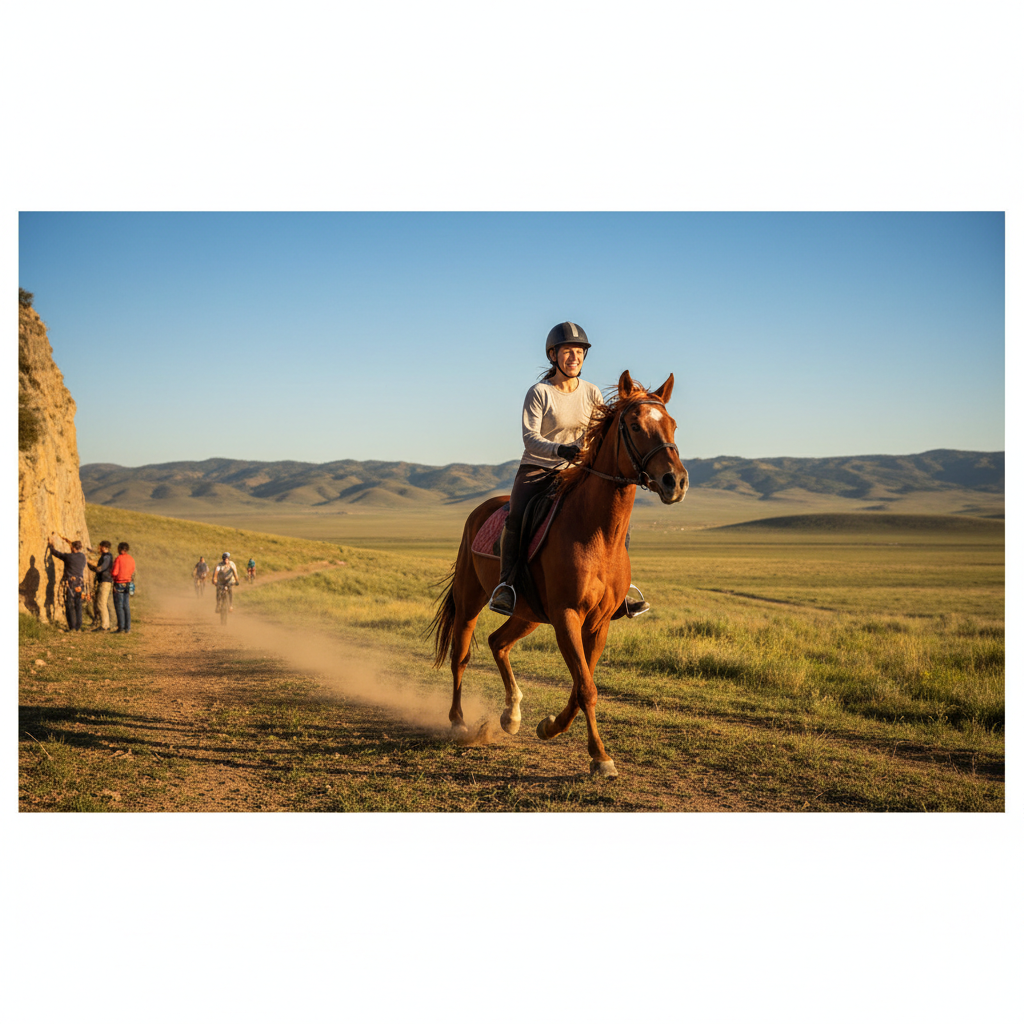
Sunburn on Horseback: Why You're Still Getting Burnt in Winter
It’s a classic Aussie scenario. You’re out for a leisurely ride, the air is crisp, maybe you’ve even thrown on a jumper. You feel a bit of a breeze, and you dismiss the thought of sunscreen. "It's winter," you tell yourself. "Plenty of cloud cover." Then, a few hours later, you’re peeling skin from your neck and face, and your ears are throbbing. How did that happen?
The truth is, the Australian sun is a relentless adversary, and winter doesn't grant anyone a free pass. Especially for us equestrians who are often out in the elements for extended periods, often with our faces and necks exposed to direct sunlight, even when the ambient temperature is low. Let’s get straight to the point: you can absolutely get sunburnt in winter, and here's why riders are particularly vulnerable.
The Invisible Threat: UV Radiation Doesn't Take a Holiday
Most people associate sunburn with scorching heat and long summer days. While those conditions certainly accelerate the process, they aren't the sole culprits. The real damage comes from ultraviolet (UV) radiation. UV radiation is a component of sunlight, and its intensity is measured by the UV index. While the UV index generally peaks in summer, it can still be dangerously high during the cooler months, particularly between 10 am and 3 pm (when the sun is highest in the sky), and even on cloudy days.
Australian Conditions: A Persistent UV Problem
Australia is home to some of the highest UV levels in the world. Our geographical location, combined with a thinner ozone layer in some areas, means we're consistently exposed to more intense UV radiation than many other countries. Even in winter, the UV index can reach levels of 3 or higher, which is considered moderate and warrants sun protection. When you’re on horseback, you’re often in open, unshaded areas. There’s no car roof, no office walls, just you, your horse, and the sun.
Why Riders Are Prime Targets
Let’s break down the specific reasons why you might be getting sunburnt, even when you think you’re safe:
Extended Exposure: A typical riding session can last an hour or more. Unlike a quick walk to the car, this is prolonged, direct sun exposure. Your skin is accumulating UV damage throughout the entire ride.
Reflection: Surfaces like sand, water, and even light-coloured arena footing can reflect UV rays, increasing your overall exposure. If you ride near a dam, a beach, or on a light-coloured track, you're getting a double dose of sun.
Elevation: The higher your elevation, the higher the UV radiation. While not a radical difference for most riders, it's a contributing factor, especially if you ride in hilly or mountainous regions.
Helmet Design Limitations: This is a big one. Many riding helmets offer decent protection on top, but they often leave significant portions of your face, ears, and neck exposed. The brim of a standard riding helmet is typically quite small and designed more for aesthetics and minor rain deflection than serious sun protection.
Minimising Risk Perception: The cooler temperatures can trick us into a false sense of security. You don't feel the heat, so you don't feel the burn. But UV rays penetrate your skin regardless of temperature.
The "Aussie Grit" Mentality: We’re a tough bunch, aren’t we? We’re used to enduring a bit of discomfort. But with sun exposure, there’s no immediate pain signal to tell us we’re doing damage, until it’s too late and the sunburn has already set in.
Are You Making These Sun Safety Mistakes?
Let’s be honest. Most riders, at some point, have likely fallen into one or more of these traps:
Relying Solely on Helmets: Assuming your helmet’s brim is enough.
Forgetting Neck and Ears: These areas are notoriously vulnerable and often left completely unprotected.
Skipping Sunscreen on Cloudy Days: Believing clouds block all harmful UV rays (they don't).
Not Reapplying Sunscreen: Especially on longer rides, sunscreen can wear off.
Underestimating Winter UV: Thinking cooler weather means a lower UV risk.
The Long-Term Dangers: It's More Than Just a Red Face
Getting sunburnt isn’t just about temporary discomfort and peeling skin. Repeated exposure to UV radiation significantly increases your risk of:
Premature Skin Ageing: Wrinkles, sunspots, and leathery skin.
Actinic Keratoses: Pre-cancerous skin lesions.
Skin Cancers: Including melanoma, basal cell carcinoma, and squamous cell carcinoma.
As riders, we spend a considerable amount of time outdoors. Protecting ourselves from the sun should be as routine as checking our girth or ensuring our stirrups are the right length.
Protecting Yourself: Practical Solutions for Riders
So, what can you do? It's about being proactive and incorporating effective sun protection into your riding routine. We’re not just talking about slathering on sunscreen (though that’s crucial). We’re talking about a layered approach.
The Essential Sun Protection Kit for Riders
Here’s a simple checklist to ensure you’re covered:
Broad-Spectrum Sunscreen: SPF 30 or higher, applied generously to all exposed skin (face, neck, ears, hands). Look for water-resistant formulas if you sweat a lot.
Lip Balm with SPF: Don't forget your lips!
Protective Clothing: Long sleeves (UPF rated if possible), long pants.
Wide-Brimmed Hat or Helmet Attachment: This is where you can significantly improve your protection. Standard helmets often don’t cut it.
Sunglasses: To protect your eyes.
The Helmet Brim Problem and Its Solution
This is where standard riding helmets often fall short. The small brims offer minimal shade to the face and absolutely no protection to the sides of the face, ears, or the back of the neck. This is precisely why solutions like the Da Brim exist. Designed as an accessory that attaches to your existing helmet, Da Brim significantly extends the brim's coverage, effectively creating a much larger shade canopy for your face, ears, and neck.
Think about it: a standard helmet brim might cover your forehead. A Da Brim can extend that shade to cover your nose, cheeks, and jawline, while also providing crucial coverage for your ears and the back of your neck – common burn zones for riders.
How to Enhance Your Sun Protection on Horseback
Implementing effective sun safety doesn’t require a complete overhaul of your riding gear or routine. It’s about smart additions and consistent habits.
Step-by-Step Guide to Upping Your Sun Safety Game:
1. Assess Your Current Helmet: Look at the brim. How much of your face does it actually shade? Does it offer any protection for your ears or neck?
2. Choose Your Brim Solution: If your helmet’s brim is insufficient, consider a helmet attachment like the Da Brim. These are designed to integrate with your existing helmet and are available in various styles to suit different helmet types. For a rundown on how they work and how to install them, check out our How to Install guide.
3. Sunscreen Application Ritual: Make applying sunscreen a non-negotiable part of your pre-ride preparation. Apply it at least 15-20 minutes before you go out to allow it to absorb properly. Don't forget those often-missed spots: tops of ears, hairline, neck, and the back of your hands.
4. Clothing Choices: Opt for lighter, breathable fabrics for long rides, even if it feels a bit cooler. Long sleeves and pants offer a physical barrier against UV rays.
5. Reapplication Strategy: For longer rides (over 2 hours), plan to reapply sunscreen. Carry a small travel-sized tube with you.
6. Hydration and Shade Breaks: While riding, seek out shaded areas for short breaks if possible. Staying hydrated also helps your body cope with the stress of being outdoors.
Da Brim: More Than Just a Bigger Brim
Our Products range includes various helmet brim attachments designed specifically for riders. These aren't your average hats that blow off in the wind; they are engineered to integrate securely with your helmet, providing significant, consistent shade without compromising safety or visibility.
Superior Shade: Extends coverage dramatically over standard helmets.
Reduced Glare: Helps you see clearly by shading your eyes.
Durable and Lightweight: Designed for outdoor, active use.
Don’t let the cooler weather fool you. The sun is always a factor, and for Australian riders, year-round protection is essential. Investing in proper sun safety not only prevents the immediate pain of sunburn but also significantly reduces your long-term risk of skin damage and cancer.
Consider This:
| Aspect | Standard Helmet Brim | Da Brim Attachment |
|---|---|---|
| Face Coverage | Minimal | Extensive |
| Ear Coverage | None | Significant |
| Neck Coverage | None | Significant |
| UV Protection | Limited | Greatly Enhanced |
| Glare Reduction | Limited | Effective |
| Installation | N/A (Built-in) | Simple attachment |
Ignorance isn't bliss when it comes to UV damage. It's about knowledge and taking practical steps. If you're unsure about the best sun protection for your specific helmet, our FAQ page has answers to common questions. Remember, protecting your skin is as vital as any other aspect of equestrian safety. Visit our Products page to explore solutions that will keep you riding safely and comfortably, no matter the season.
For more tips and insights on riding safety and gear, explore our Blog and stay informed.
Don't wait for the next peeling incident to take action. Protect yourself, protect your skin.
**
This content is for informational purposes only and does not constitute medical advice. Always consult with a healthcare professional for any health concerns or before making any decisions related to your health or treatment.*