
Sunburn on Horseback, Even in Winter? Here's the Blunt Truth for Aussie Riders
Think you're safe from sunburn just because it's winter? Think again. Australian sun is relentless, and even on cooler days, riders can get burnt. Here's why and what to do about it.
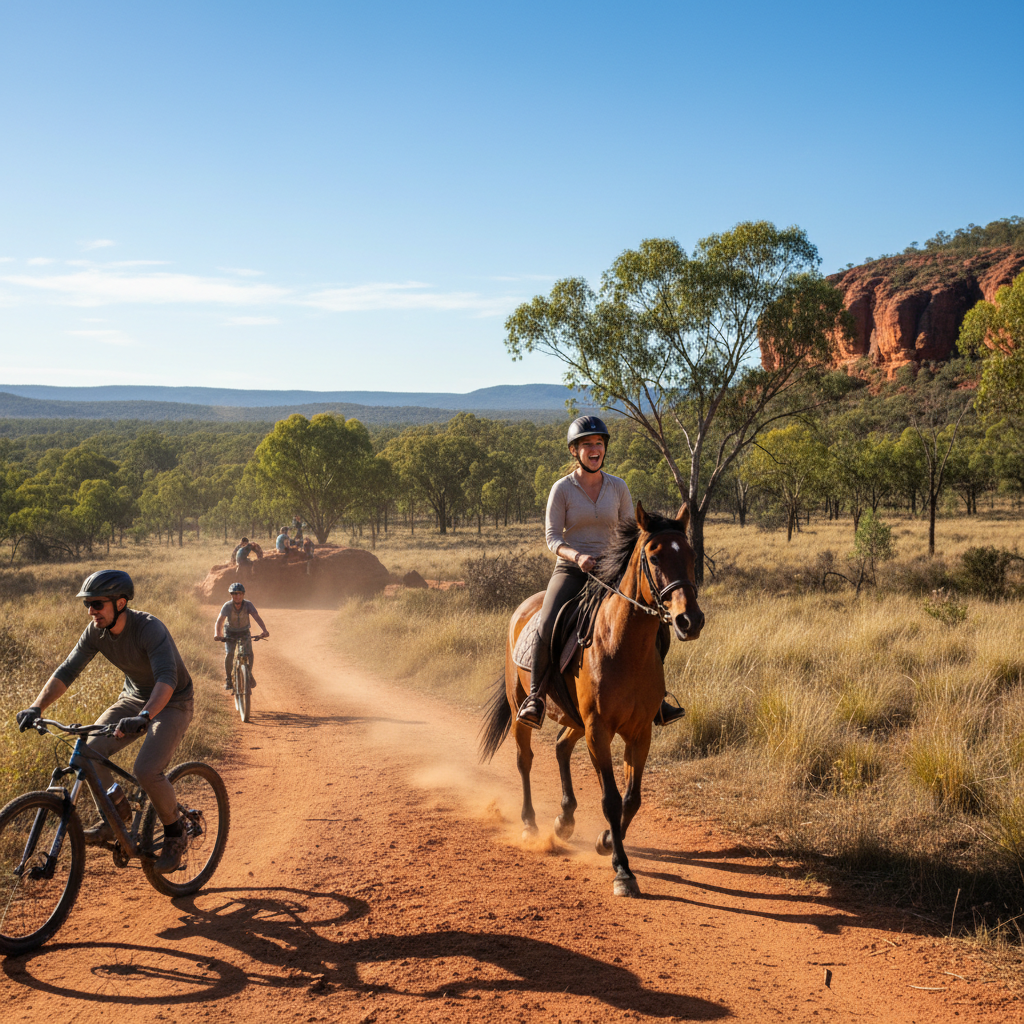
Sunburn on Horseback, Even in Winter? Here's the Blunt Truth for Aussie Riders
It’s a common misconception that sunburn is a summer-only problem. Down here in Australia, we know better. The sun’s UV rays are powerful, and they don't clock off just because the temperature drops. As a rider, you’re exposed, often for extended periods, and your helmet, while essential for safety, can create blind spots for sun protection.
The Sneaky Winter Sun: Why You're Still Getting Burnt
Let's cut to the chase. You might be rugged up in your riding gear, feeling the crisp winter air, and think you're invincible. Then, the next morning, you wake up with that tell-tale red glow on your face and neck, sometimes even forgetting you spent hours in the saddle. How does this happen? Several factors at play:
Persistent UV Radiation: Even when the UV index is lower than in summer, it doesn't hit zero. Australia's UV levels, especially in the north, can remain significant year-round. The UV index is a measure of the strength of the sun's ultraviolet radiation. While it might hover around 3-5 in winter (considered moderate), this is still enough to cause skin damage over time.
Reflection: Water, sand, and even light-coloured surfaces reflect UV rays. If you’re riding near a dam, a beach, or even through paddocks with dry, pale grass, you’re getting a double dose of sun.
Altitude and Cloud Cover: Higher altitudes mean thinner atmosphere, allowing more UV radiation to reach the ground. Don’t be fooled by patchy cloud cover either; up to 80% of UV rays can penetrate light clouds.
Exposure Time: A short walk to the float or five minutes in the paddock is one thing. An hour-long trail ride or a two-hour training session is another. The cumulative effect of sun exposure is significant, and riders are often out for extended periods.
Helmet Blind Spots: This is a big one. Most riding helmets offer protection from the elements, but they don’t cover your entire face and neck. The areas around your eyes, your nose, your ears, and the back of your neck are particularly vulnerable, especially if your helmet sits high or has a narrow brim. You might be protected from direct overhead sun, but what about the sun that's lower in the sky, or coming in at an angle?
Common Rider Sunburn Hotspots
Where does the sun usually get you when you’re on horseback?
Nose and Cheeks: These are prime targets, especially if you tend to squint. The skin here is thinner and more sensitive.
Ears: Often overlooked, your ears stick out and are completely exposed, particularly if your helmet doesn't offer full coverage.
Neck and Back of Neck: Particularly when you're leaning forward or looking down at your horse, the back of your neck can be vulnerable. This area is often missed when applying sunscreen or can be exposed by a low-cut shirt.
Forehead (above the helmet line): If your helmet sits a little high, or you don't wear sunscreen all the way up, you can get a burn line.
Lips: Don't forget your lips! They get sunburnt too, leading to dryness and cracking.
The Damage Isn't Just Red Skin
Sunburn is more than just a temporary inconvenience. It’s a sign of skin damage. Repeated exposure, even to moderate UV levels, contributes to:
Premature skin ageing (wrinkles, sun spots).
Increased risk of skin cancer.
Your skin is your largest organ, and it deserves protection, regardless of the season.
Practical Sun Protection for Riders: No Excuses
So, what can you actually do about it? We’re not going to give you a lecture; we’re going to give you practical solutions that fit into your riding routine. Let’s start with what you’re already wearing.
Your Helmet: A Key Piece of the Puzzle
Your helmet is non-negotiable for safety. But can it do more for sun protection? Standard helmet brims are often small. They do something, but they’re not designed for comprehensive sun coverage. This is where accessories come in. A wider, more effective brim can make a massive difference to the areas of your face and neck that are exposed.
Think about it: you wouldn’t ride without your helmet. Why would you ride without adequate sun protection for your face and neck? We’ve designed our Products to integrate seamlessly with your existing helmet, offering superior shade without compromising safety or comfort.
Sun Protection at a Glance: Your Rider Checklist
Here’s your no-nonsense checklist for staying sun-safe on (and off) the horse this winter:
Assess the UV Index Daily: Even if it's cool, check the UV forecast. If it’s 3 or above, take precautions.
Wear a Wide-Brimmed Helmet Attachment: This is your first line of defence for your face and neck. Ensure it provides ample shade for your nose, cheeks, and ears. (See our options)
Apply Broad-Spectrum Sunscreen: Use SPF 30 or higher, even on cloudy days. Don’t forget to reapply if you’re out for a long ride.
Target Vulnerable Areas: Pay special attention to your nose, ears, lips, and neck. Use a lip balm with SPF.
Consider Long Sleeves (even if it feels warm): Lightweight, breathable long sleeves offer an extra layer of protection.
Wear Sunglasses: Protect your eyes and the delicate skin around them. Look for UV protection.
Hydrate: While not sun protection, staying hydrated helps your body cope with exertion, which can be exacerbated by sun exposure.
Sunscreen Application: It's Not rocket science.
Let’s be crystal clear: sunscreen is your friend, but how you use it matters. Here’s the drill:
Step 1: Choose Wisely
Opt for a broad-spectrum sunscreen with SPF 30 or higher. Mineral-based sunscreens with zinc oxide or titanium dioxide can be a good choice for sensitive skin. Ensure it’s sweat-resistant if you’re expecting to get warm.
Step 2: Apply Early and Generously
Apply sunscreen at least 15-20 minutes before you head out. This allows it to absorb properly into your skin. Don’t skimp! Most people use far too little. You need about a teaspoon for your face alone.
Step 3: Cover All Exposed Areas
This means your face, neck (front and back), ears, and any other exposed skin. Don’t forget your scalp if you have thinning hair or a parting. If you’re wearing a low-cut top, apply to your décolletage. If you’re wearing a helmet without much brim, ensure the areas around it (forehead, temples) are covered.
Step 4: Reapply, Reapply, Reapply
If you're riding for more than two hours, or if you’ve been sweating heavily, you must reapply. Sweat washes sunscreen away, and wind can also degrade its effectiveness. Keep a small tube in your tack box or car.
The Helmet Brim Advantage: More Shade, Less Burn
We keep coming back to the helmet brim because it’s your most constant form of protection while riding. A standard helmet brim is often too small to offer adequate shade for your nose, cheeks, and ears, especially when the sun is low in the sky.
Imagine this: you're riding on a bright winter’s morning. The sun is at an angle. Your narrow helmet brim deflects some direct rays, but leaves your nose and cheeks exposed to reflected light and angled UV. You might not feel the heat as much as in summer, but the UV damage is still happening.
This is precisely why we developed our helmet brims. They are designed to significantly extend the shade provided by your helmet. How to Install is straightforward, and the difference in protection is immediate. You’ll notice less glare, more comfort, and crucially, a lot less susceptibility to sunburn on those traditionally 'safe' winter rides.
Debunking Winter Sun Myths
“It’s too cold to get sunburnt.” False. UV radiation is independent of temperature. You can be freezing and still get a burn.
“I’m only out for an hour; I’ll be fine.” Over time, cumulative exposure adds up. One hour of moderate UV daily, winter after winter, contributes to significant skin damage and ageing.
“I have a darker skin tone, I don’t need much protection.” While darker skin has more natural protection, it’s not immune to UV damage. Skin cancer can still develop, and premature ageing still occurs.
Your Next Steps to Sun-Safe Riding
Don't let winter's false sense of security catch you out. Protect your skin. It’s a simple, actionable step that makes a huge difference to your long-term health and comfort.
1. Review your current helmet setup: Does it offer sufficient shade for your face and neck?
2. Consider a helmet brim attachment: See our range at Products and find one that suits your helmet.
3. Make sunscreen and reapplication a habit: Integrate it into your pre-ride routine for every ride, no matter the season.
4. Stay informed: Understand the UV index for your area.
If you have more questions about helmet sun protection, check out our FAQ. And for more riding tips and safety advice, head over to our Blog.
Ride smart, ride safe, and stay sun-protected – year-round.