
Sunburn on Cooler Climbs: Why Helmets Aren't Enough in Australia
You're geared up, the temperature's mild, but you still get sunburnt after a climb. Discover why helmets alone fail to protect climbers from Australia's harsh UV and what you can do about it.
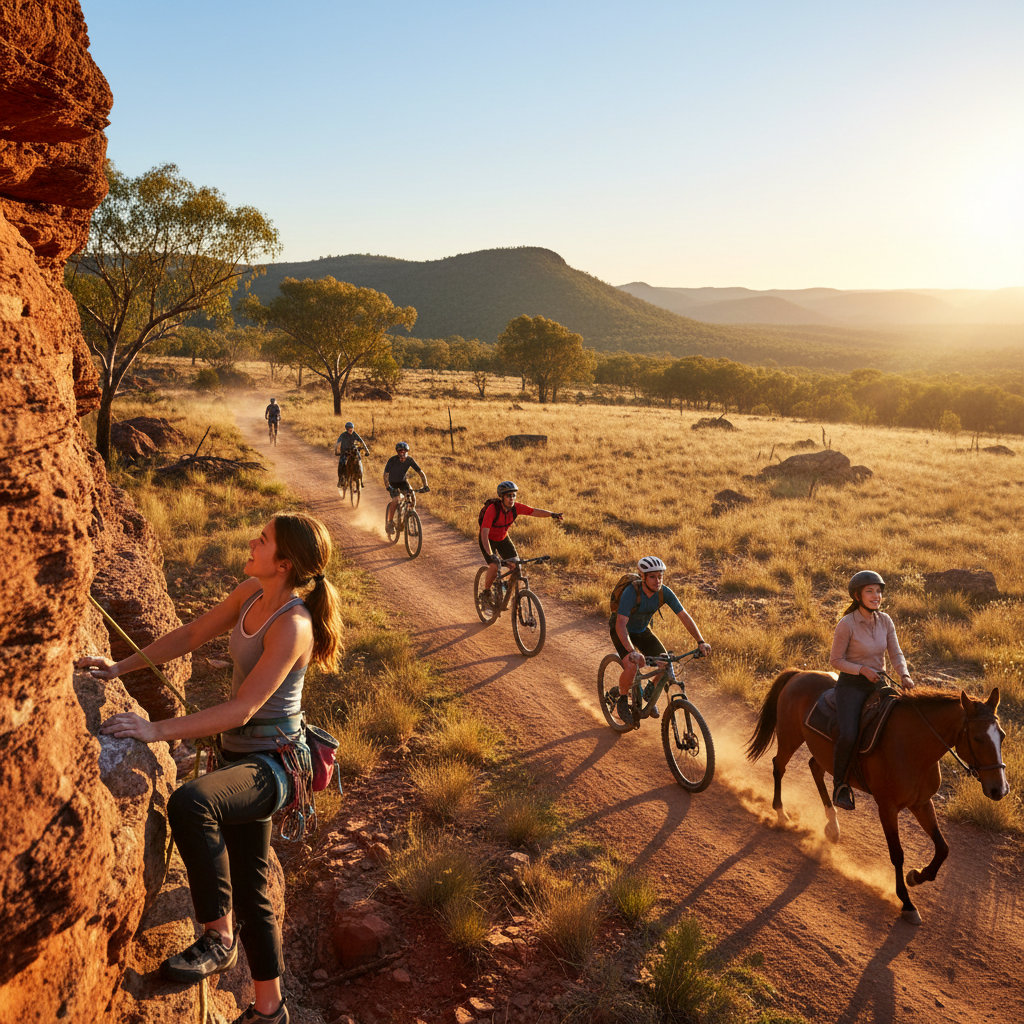
Sunburn on Cooler Climbs: Why Helmets Aren't Enough in Australia
You're a climber. You know the drill. Helmet on, ropes checked, your mind on the next move. But then you descend, feeling that familiar sting on your neck or the tops of your ears, even when it doesn't feel particularly hot.
This isn't a fluke. It's a common problem for climbers in Australia, and relying solely on your climbing helmet is a mistake that can lead to painful sunburn, premature skin aging, and increased skin cancer risk. Let's get real about why this happens and what you actually need to do to stay protected.
The Hidden Danger: UV Radiation Isn't Tied to Temperature
The biggest misconception is that you only burn when it's hot. That's a load of cobblers. Here in Australia, we have some of the highest UV radiation levels in the world, and these levels are driven by factors far beyond the thermometer.
What matters for UV exposure:
The Sun's Angle: During our summer months, the sun is high in the sky around midday, meaning its rays are more direct and intense. Even on a cooler, clear day, that direct UV is hitting you.
Ozone Layer Thickness: Variations in the Earth's ozone layer can affect how much UV radiation reaches the surface. Australia is particularly vulnerable.
Altitude: The higher you are, the less atmosphere there is to filter UV rays. Most climbing locations are at some elevation, intensifying the problem.
Reflection: Snow, water, sand, and even pale rock surfaces can reflect UV rays, increasing your overall exposure. Ever wonder why you get burnt on a ski trip even if it's freezing? Same principle.
The UV Index is your real temperature gauge. While you might have a forecast for 18°C, the UV Index could be 7 or 8 (High to Very High). Many people wrongly associate sunburn risk solely with heat, leading them to forego sun protection on seemingly 'cool' days. This is where your standard climbing helmet falls short.
Why Your Climbing Helmet Isn't Cutting It
Climbing helmets are designed for one primary purpose: impact protection. They shield your head from falling rocks, impacts from falls, and abrasion. They are not designed as sun shields. Here's why:
1. Limited Coverage: Most climbing helmets offer minimal brim or overhang. They cover your head, but leave significant areas exposed.
2. Exposed Neck: The back of your neck is a prime target for sunburn, especially when you're looking up at routes or craning your neck on belay. No climbing helmet covers this essential area.
3. Ears: The sides of your ears are constantly exposed and can easily get burnt, leading to peeling and discomfort.
4. Face (Indirectly): While you might wear sunglasses, the glare and reflected UV from below can still hit your face, particularly your chin and nose, areas often left unprotected by a helmet's design.
Think about it: You're often looking upwards for extended periods. This means the underside of your helmet offers no protection, and the sky above is a direct source of UV. On a long climbing day, especially in Australia, those cumulative exposures add up fast.
A Quick Look at What's Exposed:
| Exposed Area | Standard Climbing Helmet Protection | What Actually Gets Burnt |
|---|---|---|
| Top of Head | Yes (Covered) | Generally protected, but indirect UV is still a factor |
| Back of Neck | No | High risk area, especially when looking up |
| Ears | Minimal/No | High risk area, especially with side exposure |
| Face (lower) | No | Chin, nose, cheeks exposed to direct and reflected UV |
There's simply no built-in sun defence on a standard climbing helmet. It's like wearing a bicycle helmet to go fishing – it serves a purpose, but not that purpose.
The Objection Handling: Common Excuses
Let's tackle some of the reasons you might be avoiding proper sun protection:
"It's not that sunny, it's cool."
As discussed, UV is independent of temperature. Australia's UV Index is high year-round, even on cloudy days. Don't be fooled by a mild breeze.
"My helmet will block the sun."
A climbing helmet blocks direct overhead sun but leaves your neck, ears, and often parts of your face exposed. Upward gazing makes this worse.
"Sunscreen is greasy and gets in my eyes/hair."
We get it. You need a sunscreen that stays put and isn't unpleasant to wear. There are many modern, non-greasy formulations. And as for hair, a hat or brim can mitigate that. We'll get to actual solutions.
"It's too much hassle."
Is a few minutes of prep too much hassle compared to days of painful sunburn, peeling skin, or worse, a trip to the skin cancer clinic?
"I've never really burnt before."
You might have been lucky, or perhaps you've been getting low-level damage that's accumulating over years. Skin cancer doesn't appear overnight. Prevention is key, especially here in Australia.
Practical Solutions for Sun-Safe Climbing
Accept it: your helmet alone isn't enough. You need added protection. The goal is to create shade and a barrier on those vulnerable areas.
Here's what works. We recommend a multi-pronged approach.
1. Headwear Under Your Helmet
This is where you can add that crucial layer of protection for your scalp (if you have short hair or are thinning) and, more importantly, the back of your head and neck. Think lightweight, breathable fabrics like merino wool or moisture-wicking synthetics.
Bandanas/Buffs: A simple bandana or a multifunctional headwear tube can be folded to cover your neck and ears. It also helps manage sweat.
Skull Caps: Thin, form-fitting skull caps designed to be worn under helmets offer a good layer of coverage.
2. Sunscreen is Non-Negotiable
This is your primary defence for exposed skin. Apply it before you even leave the house, and find one that works for you.
Choose Broad-Spectrum SPF 50+: This provides the highest level of protection against both UVA and UVB rays.
Water-Resistant: Especially if you're sweating or it’s humid.
Non-Greasy Formulas: Look for gels, lotions, or sticks that absorb well.
Reapplication: Even the best sunscreen wears off. Reapply regularly, especially on long days, after sweating heavily, or if you’ve been in contact with rough rock.
Apply to:
Ears
Nape of the neck
Face (especially temples, nose, chin)
Any exposed skin on your arms or legs (if not covered by clothing)
3. The Game Changer: A Helmet Brim Attachment
This is the most practical, helmet-integrated solution. Standard climbing helmets don't have adequate brims. That's where a reliable attachment comes in.
Look for something designed specifically to extend the shade of your existing helmet. This means:
Adequate Brim Size: It needs to cast a shadow over your face, neck, and ears.
Secure Attachment: It won't fall off when you're moving.
Durable Material: It can handle being in your climbing pack.
This is where a product like Da Brim comes into its own for climbers. It's designed to clip or attach securely to most standard climbing helmets, instantly giving you much-needed shade where your helmet offers none.
How to Install Your Helmet Brim Attachment (Step-by-Step)
For many helmet brim attachments, the process is straightforward. Here's a general guide, assuming you're using a system like Da Brim:
1. Prepare Your Helmet: Ensure your helmet is clean and dry. Identify the attachment points – these are usually around the front and sides of the helmet's rim.
2. Position the Brim: Hold the brim attachment up to your helmet to get a feel for its placement. The primary goal is to maximise shade over your face and neck.
3. Attach Securely: Follow the specific instructions for your chosen brim attachment. For clip-on systems, this might involve sliding clips over the edge of the helmet or using a hook-and-loop system. Ensure each attachment point is firmly secured.
4. Test for Stability: Gently tug on the brim in different directions. It should feel stable and not wobble or shift significantly. A loose brim is a nuisance and potentially dangerous.
5. Adjust if Necessary: Some systems allow for minor adjustments to angle. Make sure the brim is providing the best coverage for your face and neck without obstructing your vision upwards.
For detailed instructions tailored to your specific helmet and brim model, always refer to the manufacturer's guide. You can find more information on How to Install on our site.
4. Sun-Protective Clothing
Don't forget the rest of you. Long sleeves and pants made from UPF-rated fabric are your best bet for days when you're exposed to the sun for extended periods, even if it's not scorching hot.
Checklist for Sun-Safe Climbing:
[ ] Helmet: Your standard climbing helmet is a must for impact protection.
[ ] Helmet Brim Attachment: Crucial for adding sun shade.
[ ] Sunscreen SPF 50+: Apply generously to all exposed skin (neck, ears, face).
[ ] Protective Headwear (Optional but Recommended): Bandana, buff, or thin skull cap for extra coverage.
[ ] Long-Sleeved UPF Clothing: For prolonged exposure.
[ ] Sunglasses: Protect your eyes and surrounding skin.
- [ ] Lip Balm with SPF: Your lips are also susceptible.
Don't Let the Sun Ruin Your Climb
Australian sunlight is unforgiving. Ignoring its intensity, especially on cooler climbing days, is a gamble with your skin's health. Your climbing helmet is for safety from rocks, not from UV radiation. By adding a helmet brim attachment, using sunscreen diligently, and considering other protective measures, you can extend your climbing season and enjoy the outdoors without the painful aftermath of sunburn.
Invest in your long-term skin health. Explore our range of solutions designed for outdoor enthusiasts on our Products page and ensure your next climb is as safe from the sun as it is from falling debris. For more common questions, check out our FAQ or read more tips on our Blog.
Stay safe and climb on, the smart way.