
Sunburn on Cooler Climbing Days? You're Not Imagining It.
Think cooler days mean no sunburn when climbing? Think again. Understand why you're still getting burnt and how to protect yourself.
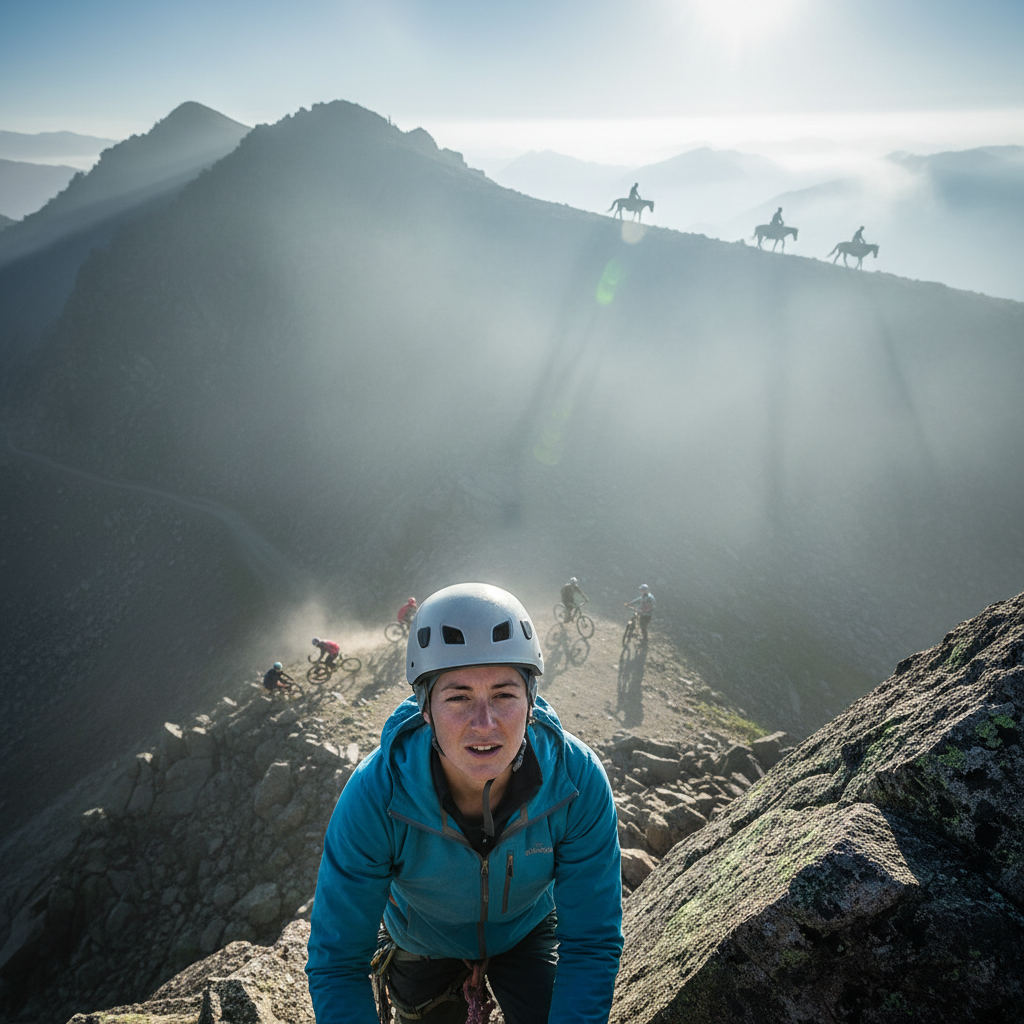
Sunburn on Cooler Climbing Days? You're Not Imagining It.
It's a common trap. You’re heading out for a climb, checking the forecast, and it’s not a scorching 35°C plus. Maybe it’s a pleasant 20°C, or even a brisk 15°C with a bit of cloud cover. You might think, "Right, I'll skip the full sun-protection rig today." Big mistake. As anyone who regularly climbs in Australia can tell you, cool doesn't equal safe from the sun.
You can still get a nasty sunburn on what feels like a cool climbing day. Why? It's all down to one invisible, relentless factor: UV radiation. And when you're climbing, you're often exposed for long periods, at altitude, and with surfaces that reflect that radiation right back at you. Let’s break down why your helmet isn't always enough, and what you can do about it.
The Unseen Killer: UV Radiation Explained
We often associate sunburn with heat. It makes sense logically – hot sun makes you feel hot, and you get burnt. But heat is infrared radiation, a different part of the electromagnetic spectrum to ultraviolet (UV) radiation. UV is the culprit behind sunburn, skin ageing, and even skin cancer. And here's the kicker: UV rays can penetrate clouds, and they don't care if the air temperature feels warm or chilly.
UV Index in Australia
Australia has some of the highest UV levels in the world. Even on a partly cloudy day, the UV can be significant. The Bureau of Meteorology issues a UV Alert when the UV index is forecast to reach 7 or higher. But remember, being outdoors during peak UV times (usually between 10 am and 3 pm) means you're always at risk, regardless of the temperature. Climbing days, especially longer multi-pitch routes or approaches, often fall squarely within these peak hours.
Altitude and UV
The higher you go, the less atmosphere there is to filter out UV radiation. This means for every 1000 metres you ascend, UV levels can increase by around 10-12%. While you might not be summiting Mount Everest on your weekend climb, any increase in altitude, combined with extended sun exposure, significantly ramps up your risk.
Reflective Surfaces
When you're climbing, you're often surrounded by surfaces that bounce UV rays around. Think of light-coloured rock faces, snow, water, and even sand. These surfaces can reflect up to 80% of UV radiation back onto your skin, meaning you’re getting a double dose. A cool, bright day with a lot of exposed rock is the perfect recipe for unexpectedly severe sunburn.
Why Your Helmet Isn't a Magic Bullet
Your trusty climbing helmet is designed for impact protection, not necessarily comprehensive sun coverage. While it shades your head and a portion of your face, there are significant gaps:
Neck: The back and sides of your neck are highly vulnerable, especially when your head is tilted back to look up at a route.
Ears: Small, but incredibly susceptible to sunburn and skin damage.
Face: Even with a helmet, the sides of your face, your nose, and under your chin can get hit with reflected UV.
Arms and Legs: These are completely exposed unless you're wearing long sleeves and pants.
Furthermore, the brim of a standard climbing helmet is usually quite short. It's designed to shield your eyes from direct sunlight and a bit of glare, but not to block UV from hitting your skin from the sides or at an angle. This is where specialised accessories designed to enhance helmet sun protection become crucial.
Common Sunburn Scenarios for Climbers
Let's look at some typical situations where climbers underestimate sun exposure:
Morning Cracks: Starting a climb early, you might feel cool air. But as the sun gets higher, UV levels increase, and by the time you're halfway up that 10-pitch route, your exposed skin is getting hammered.
Cloudy Intervals: The sun peeks through a gap in the clouds for an hour – it feels less intense, but the UV can still be high. You might be belaying or in a vulnerable position during these breaks.
Alpine Approaches: The hike in or out can be long, often on exposed trails at higher elevations, with intense UV even if the winds make it feel cool.
Afternoon Descents: Descending in the late afternoon might feel cooler, but UV can still be strong, and coupled with fatigue, you might overlook reapplication of sunscreen or seek shade.
Overcoming Objections: "It's Still Cool Out..."
Let's tackle some common arguments people use to justify skimping on sun protection on cooler days:
"I don't feel hot, so I won't burn." As established, heat and UV are different. You can feel cool and still be exposed to damaging UV. The feeling of warmth is from infrared radiation, not UV.
"I'm only out for a few hours." Even a few hours of unprotected exposure during peak UV times can cause significant skin damage. Climbing often involves prolonged periods outdoors.
"I've got a helmet. That's enough." Helmets are vital for safety, but their primary function isn't full-body sun protection. They leave crucial areas vulnerable.
"I'll just put sunscreen on." Sunscreen is essential, but it’s easy to miss spots, forget to reapply (especially after sweating or if it gets wet), or not use enough. Combined with other measures, it’s part of a broader strategy.
"I tan easily; I don't burn." Tanning is a sign of skin damage. Just because you don't turn lobster-red doesn't mean your skin isn't being harmed by UV radiation, increasing your long-term risk of skin cancer.
Your Essential Sun Protection Toolkit for Climbers
Being prepared is key. You need a system that complements your helmet and your clothing.
Clothing is Your First Line of Defence
Long Sleeved Shirts: Light, breathable, UPF-rated long sleeves are your best bet. They offer consistent protection that doesn't rely on reapplication.
Long Pants or Tights: Protect your legs from sun and abrasions.
Wide-Brimmed Hat (when not climbing): For approaches and descents, a hat provides exceptional face and neck protection.
Sunscreen: The Non-Negotiable Reapplicant
SPF 30 or Higher: Broad-spectrum (UVA/UVB) and water-resistant.
Apply Generously: Don't skimp. Cover all exposed skin, including ears, neck, nose, and lips.
Reapply Regularly: Every two hours, or more often if sweating heavily or after swimming/wiping.
Eye Protection
UV-Blocking Sunglasses: Essential for protecting your eyes and the delicate skin around them. Even on cloudy days, UV can penetrate.
Enhancing Your Helmet's Coverage
Standard helmet brims are often inadequate for full sun protection. This is where accessories come in.
| Feature | Standard Helmet Brim | Enhanced Helmet Brim (e.g., Da Brim) |
|---|---|---|
| Coverage | Minimal face/eye shade | Significantly extended face, neck, and ear coverage |
| UV Block | Limited | Designed to block a much higher percentage of UV |
| Glare Reduction | Moderate | Excellent glare reduction |
| Versatility | Fixed | Often adjustable and attachable to various helmet types |
The Da Brim range offers solutions designed specifically to extend the protective reach of your existing helmet. By attaching a Da Brim, you significantly increase the shaded area of your face and neck, providing a more robust barrier against UV radiation, especially during long climbing days or on reflective surfaces. Many models are designed for easy How to Install and are compatible with a wide array of helmets, making them a practical addition to your climbing gear. Explore the Products page to see the options available.
A Simple Checklist for Sun Safety on Cooler Days
Before you leave the car, tick these off:
[ ] Long-sleeved, UPF-rated top?
[ ] Long pants or climbing tights?
[ ] SPF 30+ broad-spectrum sunscreen applied generously?
[ ] SPF lip balm?
[ ] UV-blocking sunglasses?
[ ] Helmet with adequate sun-protection enhancement (if needed)?
[ ] Water – staying hydrated helps your body cope, but doesn't protect from UV!
Sun-Safe Climbing: Step-by-Step
1. Assess the UV Forecast: Don't just look at temperature. Check the UV index for your climbing location and time of day. If it’s moderate to high, sun protection is essential.
2. Layer Up: Put on your UPF-rated long sleeves and pants before you even start your approach. This is your primary defence.
3. Sunscreen Application: Apply sunscreen about 20 minutes before* sun exposure for maximum effectiveness. Cover all exposed skin thoroughly, especially your face, neck, ears, and hands.
4. Accessorise: Wear your UV-blocking sunglasses. If your helmet's standard brim feels insufficient, attach a Da Brim for extended coverage. This is especially important for longer routes or exposed climbs.
5. Reapply Strategically: During breaks, belay changes, or longer pitches, reapply sunscreen to any exposed skin and your lips. This is crucial, especially on warmer days or if you're sweating a lot.
6. Seek Shade When Possible: Even on cooler days, use any available shade during rests or while waiting for others. This reduces cumulative UV exposure.
7. Post-Climb Check: Inspect your skin for any signs of redness. If you’ve been burnt, treat it immediately with aloe vera or a soothing moisturiser. Long-term, consider your protection strategy for the next time.
Don't Let "Cool" Fool You
Climbing is demanding and requires focus. Don’t let the ambient temperature trick you into neglecting your skin. The cumulative damage from UV exposure, even on what feels like a cool day, can lead to premature ageing and significantly increase your risk of skin cancer. Investing in proper sun-protective gear and habits, like enhancing your helmet's coverage with products from our Products range and consistently using sunscreen and protective clothing, is a no-brainer for any serious climber in Australia.
Remember, sun protection isn't just for scorching summer days. It’s a year-round, essential part of your climbing kit. For more tips and answers to common questions, check out our FAQ or explore other articles on our Blog.
Stay safe and climb on.