
Sunburn on Cooler Climbing Days? Your Helmet and the UV Truth
Think cooler days mean no sunburn? Think again. Climbers in Australia face unique sun risks, even when the mercury drops. Learn why your helmet isn't always enough and how to stay protected.
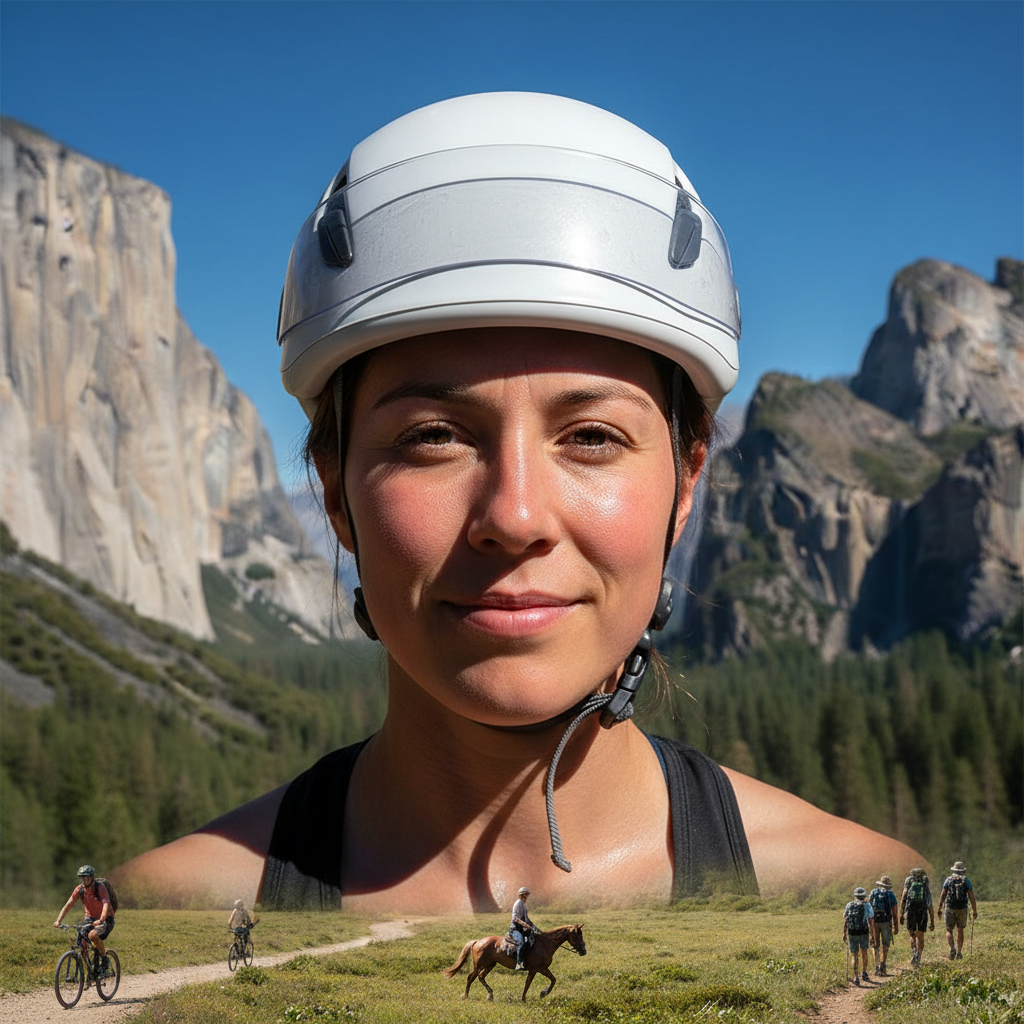
Sunburn on Cooler Climbing Days? Your Helmet and the UV Truth
It's a classic Australian paradox: you're out climbing, the air feels crisp, maybe even a little chilly, but by the end of the day, your skin is screaming. Sunburn. And you were wearing your helmet the whole time. How is this even possible?
Many climbers, especially those who've logged serious hours outdoors, get complacent. They associate sunburn with searing heat and bright, cloudless skies. But in Australia, those cooler days, particularly during spring and summer, can still pack a serious UV punch. Your trusty helmet, while vital for impact protection, isn't always the complete sun shield you might think it is.
This isn't about scaring you. It's about arming you with the facts so you can make smarter decisions and keep climbing safely, no matter the temperature.
The Sneaky UV Rays: Why Temperature Isn't the Full Story
The primary culprit behind sunburn is ultraviolet (UV) radiation from the sun, not the temperature. UV rays are invisible, and their intensity is measured by the UV index. Australia consistently experiences some of the highest UV levels in the world. Here’s why the cool days still pose a risk:
UV Penetration: UV rays can penetrate clouds. Even on overcast days, a significant amount of UV radiation can reach your skin. On cooler, partly cloudy days, those breaks in the clouds can deliver intense UV bursts.
Altitude and Latitude: Climbing often takes you to higher altitudes. The atmosphere is thinner at higher elevations, meaning less UV radiation is absorbed before it reaches you. And let's not forget Australia's geographic location – we're under a powerful sun.
Reflection: Surfaces like rock, snow, and even water can reflect UV rays, increasing your overall exposure. That granite wall you're clinging to? It's acting like a giant mirror.
Time of Day: UV intensity is highest between 10 am and 4 pm, regardless of temperature. A "cool" morning can quickly heat up in terms of UV exposure as the day progresses.
Long Days: Australian days, especially in summer, are long. This means more hours of potential UV exposure, even if the hottest part of the day is brief.
Your Helmet: A Partial Sun Solution
Helmets are indispensable for climbing safety. They protect your head from falling rock, gear, and impact in a fall. However, when it comes to sun protection, most climbing helmets are not designed to provide comprehensive coverage.
Coverage Gaps: Standard climbing helmets typically leave your ears, neck, and the sides/back of your face exposed. These are prime areas for sunburn, especially if you're looking up for extended periods.
Ventilation vs. Coverage: Many helmets are designed with ventilation to keep you cool. While this is great for comfort, it often means more openings and less solid material to block the sun.
No Brim Extension: Unlike some cycling or construction helmets, most climbing helmets have a minimal or non-existent brim. This means they offer little to no shade for your face and neck.
Understanding the UV Risk: A Quick Guide
The UV index is your best friend for assessing sun risk. Even on seemingly mild days, it can be surprisingly high.
| UV Index Level | Description | Protection Required |
|---|---|---|
| 1-2 | Low | Usually safe outdoors, but consider sunglasses for bright days |
| 3-5 | Moderate | Seek shade during peak hours (10 am-4 pm), wear sunscreen, hat & sunglasses |
| 6-7 | High | Seek shade, wear sunscreen, protective clothing, hat & sunglasses |
| 8-10 | Very High | Reduce time in the sun, especially between 10 am-4 pm. Wear sunscreen, protective clothing, hat & sunglasses |
| 11+ | Extreme | Avoid sun exposure. If you must be outdoors, take extreme precautions. |
Even on a "cool" day, if the UV index is 3 or above, you're at risk. And in many parts of Australia, indices of 6, 7, or even higher are common during daylight hours, even outside of peak summer.
Overcoming Objections: "It's Too Hot for Sunscreen" / "I Don't Burn Easily"
Let's address some common reasons climbers might neglect sun protection when it's not scorching hot:
"It's too hot and sweaty for sunscreen."
Reality: Modern sunscreens are designed to be lightweight and non-greasy. Many are sweat-resistant. The discomfort of a bit of sunscreen is far less than the pain and long-term damage of sunburn. Consider a mineral-based sunscreen or a spray for easier application.
"I don't burn easily, I just tan."
Reality: Tanning is a sign of skin damage. Even if you don't get a fiery red burn, accumulating UV exposure without protection ages your skin prematurely and significantly increases your risk of skin cancer. Australia has one of the highest rates of skin cancer globally.
"I have my helmet, that's enough."
Reality: As we’ve discussed, most climbing helmets offer limited sun protection. They protect your head from impacts, not necessarily your face and neck from UV radiation.
"I'm only out for a few hours on a cool day."
Reality: Even brief periods of unprotected exposure on days with moderate to high UV can cause damage. The cumulative effect of repeated "brief exposures" adds up over a lifetime. Remembering to apply sunscreen and wear a brimmed hat or neck gaiter for those few hours is crucial.
Practical Sun Safety for Climbers: Beyond the Helmet
Your helmet is a critical piece of safety gear, but to protect yourself from the Australian sun, you need to layer your protection. Think of it as a system.
Essential Sun Protection Checklist:
[ ] Sunscreen: Broad-spectrum SPF 50+, water-resistant. Apply 20 minutes before going outside and reapply every two hours, or more often if sweating heavily.
[ ] Lip Balm with SPF: Don't forget your lips – they can burn too.
[ ] Wide-brimmed Hat or Cap: Something with a brim that can slide under or over your helmet, or a neck gaiter.
[ ] Protective Clothing: Long-sleeved shirts and pants made from lightweight, UPF-rated fabric.
[ ] Sunglasses: With UV protection to shield your eyes.
[ ] Hydration: Staying hydrated helps your skin's health.
Integrating Sun Protection with Your Climbing Gear
The "Da Brim" Solution
One of the most effective ways to enhance your helmet's sun protection is to add a dedicated brim. Products like Da Brim are designed to attach to most climbing helmets, extending protection significantly.
How it Works: Da Brim attaches securely to your helmet, providing a wide, protective brim that casts shade over your face, ears, and neck.
Ease of Use: They are designed for easy installation and removal. Check out our guide on How to Install.
Versatility: They offer a practical solution without compromising your helmet's primary impact protection.
Step-by-Step Sun Protection Routine Before Climbing:
1. Apply Sunscreen: Slather on SPF 50+ sunscreen to all exposed skin – face, ears, neck, back of hands. Remember areas often missed like the tops of your feet if wearing open shoes to the crag.
2. Don Your Protective Clothing: Put on your UPF-rated long-sleeved shirt and pants.
3. Wear Your Hat/Gaiter: If not using a helmet brim attachment, wear a wide-brimmed hat that can be secured or stowed, or a neck gaiter for coverage. You might wear a thin beanie or soft hat under your helmet for added ear and neck coverage if an external brim isn't an option.
4. Put on Sunglasses: Protect your eyes.
5. Attach Your Helmet Brim (if applicable): If you're using a Da Brim, ensure it's securely attached to your helmet before putting it on.
6. Climb Smart: Be mindful of the time of day and seek shade during breaks.
Reapplication is Key
Don't just apply sunscreen once. On a full day of climbing, you'll need to reapply.
During longer climbs: Reapply at the belay station during transitions or breaks.
At the base: Reapply when you take a snack or water break.
After finishing: Even if you don't feel burnt, apply moisturiser – and sunscreen if you have more sun exposure planned later.
When to Doubt the "Cool" Day
Always know your UV index. If it's 3 or higher, take sun protection seriously. Check your local weather app or the Bureau of Meteorology website for UV forecasts. Don't let a comfortable temperature lull you into a false sense of security. The Australian sun is persistent.
Climbing is about pushing your limits, but not at the expense of your long-term health. Understanding how UV radiation works, especially in Australian conditions, and adopting a comprehensive sun safety strategy, including effective helmet add-ons like Da Brim, is essential for every climber. For more detailed information, visit our FAQ or browse our Blog for more climbing safety tips.
Stay safe, climb smart, and enjoy the outdoors without the burn!