
Sunburn on Cooler Climbing Days: Why Helmets Aren't Enough
Think cooler days mean safe climbing? Think again. Australian UV is brutal, and your helmet is only half the battle. Learn why you're still getting burnt and how to protect yourself, even when it doesn't feel hot.
Sunburn on Cooler Climbing Days: Why Helmets Aren't Enough
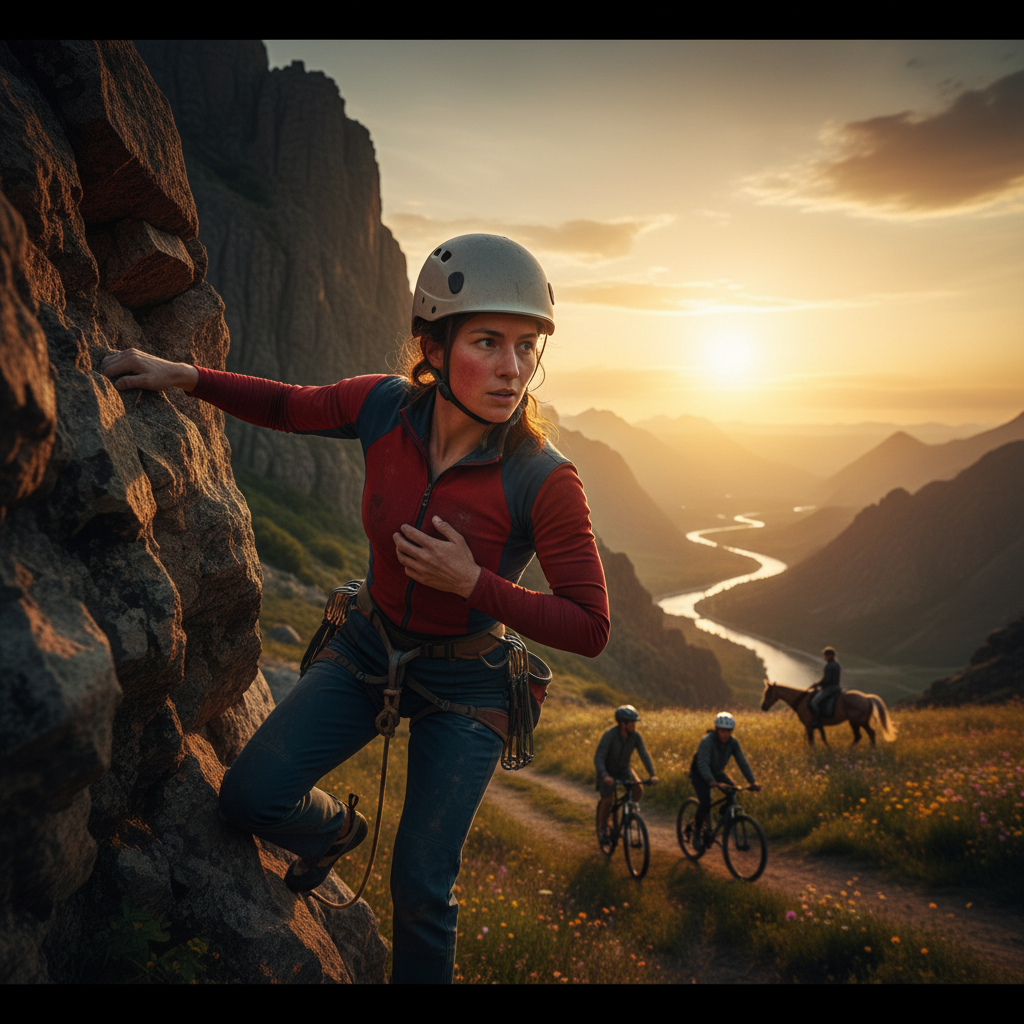
It's a common trap. You're heading out for a climb, the air is crisp, maybe even a bit chilly. You've got your helmet, your harness, your shoes. Sunscreen? Maybe just a quick swipe on the nose if you remember. After all, it’s not scorching hot, right? Wrong. Australian UV levels don't care if you're sweating buckets or layering up. Even on cooler days, you can get a serious sunburn while climbing, and your helmet alone isn't cutting it.
This isn't about being dramatic; it's about practical, no-nonsense sun safety for climbers. We're pulling back the curtain on why you’re still getting burnt and what you can actually do about it, so you can focus on the climb, not the peeling.
The UV Deception: Why Temperature Isn't the Whole Story
This is the big one. Most people associate sunburn with heat. While high temperatures often correlate with intense UV, they are not the same thing. The sun's ultraviolet (UV) radiation is the culprit behind sunburn, and UV rays can penetrate clouds and reach your skin even when the air temperature is mild.
Australia experiences some of the highest UV levels in the world. The UV Index, a measure of UV radiation intensity, can still be high even when it feels cool. This is particularly true in higher altitudes, at the beach, or when reflected off surfaces like rock faces. Climbing often puts you in exposed positions for extended periods, directly facing or reflecting UV radiation.
Think of it this way:
Heat: Causes sweat, makes you feel hot, can lead to heatstroke.
UV Radiation: Causes sunburn, premature skin aging, and increases skin cancer risk.
You can be cold and still get burnt. Always check the UV Index for your location – anything 3 or above is considered significant and requires sun protection.
Your Helmet: A Great Tool, But Not a Full Shield
Your climbing helmet is designed for impact protection, and crucially, it does block some direct UV radiation from hitting the top of your head. That’s a win, no doubt. However, it's not a complete solution for several reasons:
1. Exposed Areas: The helmet leaves your face, ears, neck, and any other exposed skin vulnerable. These are prime spots for sunburn and, often, the areas climbers forget to protect.
2. Indirect UV and Reflection: Even if the sun isn't directly beating on your helmet, UV rays scatter in the atmosphere (diffused radiation). Furthermore, when climbing outdoors, UV radiation can reflect off the rock, sand, or water, bouncing rays onto your exposed skin from angles your helmet can't fully cover.
3. Fit and Gaps: Depending on how your helmet sits, there can be small gaps, especially around the edges, allowing UV rays to sneak in, particularly if you're looking up and craning your neck.
Climbing Scenarios Where Extra Protection is Crucial
Even on a "cool" day in Australia, you're susceptible. Consider these common climbing situations:
Morning Climbs: The sun might not feel intense yet, but UV levels are rising. You might be on the rock for hours, accumulating exposure.
Shaded Crags with Exposed Approaches: You might spend time walking to the climb in direct sun, getting initial exposure before you even tie in.
Afternoon Climbs: Even if the temperature drops as the sun lowers, UV intensity can remain high. Clouds can offer a false sense of security.
Longer Sessions: The longer you're out, the more cumulative UV exposure you receive, regardless of the perceived temperature.
Higher Altitudes: UV radiation increases with altitude. If you're climbing in the mountains, you're at higher risk.
The Real Risks: Beyond a Red Nose
Sunburn isn't just cosmetic. Repeated exposure to UV radiation, even without visible burning, significantly increases your risk of:
Skin Cancer: Melanoma and non-melanoma skin cancers are serious threats directly linked to UV exposure.
Premature Aging: Sun damage causes wrinkles, sun spots, and leathery skin.
Eye Damage: Cataracts and other eye conditions can develop from prolonged UV exposure. (Though your helmet might cover your eyes somewhat, UV can still cause damage over time).
Practical Sun Protection for Climbers: What Actually Works
Forget the myths. Here’s what you need to do, helmet or not, cool day or hot:
1. Sunscreen: Your First Line of Defence
High SPF: Use SPF 30 or higher, ideally SPF 50+.
Broad Spectrum: Ensure it protects against both UVA and UVB rays. UVA contributes to aging, UVB to burning.
Water-Resistant: Even if you're not swimming, sweat can wash sunscreen off. Keep reapplying.
Apply Liberally and Often: Most people don't use enough. Cover all exposed skin: face, ears, neck, back of hands, lips.
Reapply: Every two hours, or more frequently after sweating or towelling off. Don't just rely on the initial application.
2. Protective Clothing: Cover Up
UPF Rated Clothing: Look for garments with an Ultraviolet Protection Factor (UPF) rating. UPF 50+ blocks over 98% of UV rays.
Long Sleeves and Legs: Lightweight, breathable fabrics are key for comfort when climbing.
Hats: A wide-brimmed hat for when you're not on the rock, or during approaches and descents. A cap can offer some face protection but leaves ears and neck exposed. For ultimate protection, consider hats that have neck flaps.
3. Sun-Tracking Accessories: Closing the Gaps
Your helmet is great, but it doesn't extend protection to your face and neck. This is where dedicated accessories shine.
Helmet Brims: A crucial addition. These extend the shade cast by your helmet, offering significant protection to your face, eyes, and often your nose and cheeks. Look for ones designed to attach securely to climbing helmets. Our Products offer solutions designed specifically for this purpose. Attaching one is simple; check out our How to Install guide.
Neck Gaiters/Buffs: A simple tube of fabric can be worn around your neck, pulled up over your chin and nose, or even over your head under your helmet. Choose UPF-rated materials.
A Quick Checklist for Cooler Climbing Days
Before you head out, run through this list:
UV Index Check: What’s the forecast telling you? (Remember, 3+ means protection is needed).
Sunscreen Applied: All exposed skin? Enough? SPF 30+?
Sunscreen Reapplication Plan: Know when you'll reapply.
Protective Headwear: Hat for approach/descent? Does your helmet have an appropriate brim attachment?
Tightly Woven Clothing: Long sleeves/pants if possible, especially for approaches.
Lip Balm with SPF: Don't forget your lips.
Sunglasses: For approaches, descents, and breaks.
Step-by-Step Sun Protection Routine
Here’s a routine you can adopt for any climbing trip, regardless of the temperature:
Step 1: Pre-Climb Application
At least 15-20 minutes before you head out, apply a generous amount of broad-spectrum, water-resistant sunscreen (SPF 30+) to all exposed skin. This includes your face, ears, neck (front and back), lips, and the backs of your hands.
If you use any accessories like neck gaiters, put them on now.
Step 2: During the Climb (and Breaks)
Your helmet works best with an extended brim for maximum facial shade. Ensure your brim is securely attached.
Take advantage of rest stops and breaks to reapply sunscreen. Even if you’ve been climbing mostly in partial shade, don’t skip this. UV rays scatter and reflect.
If you've been sweating heavily, gently wipe your face and reapply sunscreen.
Step 3: Post-Climb Care
Once home, shower and moisturise. If you feel any hint of redness, apply a soothing after-sun lotion. This is your indicator that you might have underestimated the sun.
Common Objections and How to Handle Them
“It’s not hot, so I don’t need much sun protection.”
Reality Check: UV radiation is independent of temperature. Australian UV is high year-round. You can get burnt on a 15°C day.
“My helmet protects me.”
Reality Check: Your helmet protects your head from impact and some direct UV. It leaves your face, ears, and neck exposed to direct, scattered, and reflected UV radiation. Accessories are vital.
“I don’t burn easily.”
Reality Check: Everyone can burn. Even if you don't get red immediately, cumulative UV damage is happening, increasing your long-term risks.
“Sunscreen feels greasy and annoying.”
Solution: Find a sunscreen formulation you like. There are many lightweight, non-greasy options available. Consider mineral-based sunscreens if chemical ones irritate you. For ultimate convenience during long climbs, look for products that integrate extra protection with your gear. Check out our Products for examples.
“I don't have time for all that.”
* Reality Check: A few extra minutes applying sunscreen and ensuring your gear is set up properly is a small price to pay for protecting your health. Compare that to the time spent recovering from sunburn or, more seriously, treating skin cancer.
Your Health is Your Most Important Gear
Don't let the perceived coolness of a climbing day trick you into complacency. Australian UV is a constant threat. Your helmet is a critical piece of safety equipment, but it’s incomplete without comprehensive skin protection. By understanding the risks and adopting practical habits, you can enjoy your climbs without the painful aftermath of sunburn and reduce your long-term risk of skin damage and cancer.
Ready to upgrade your sun protection game? Explore our specialized Products designed for outdoor adventurers. Unsure about fitting new gear? Our How to Install guide has you covered. For more tips and answers, visit our FAQ or browse our Blog for more practical advice.
Stay safe, stay protected, and happy climbing!