
Sunburn on Cool Climbing Days: Why Helmets Aren't Enough
Think a helmet's your sun shield? Think again. Climbers in Australia can get fried even on chilly days. This is why and what you need to do.
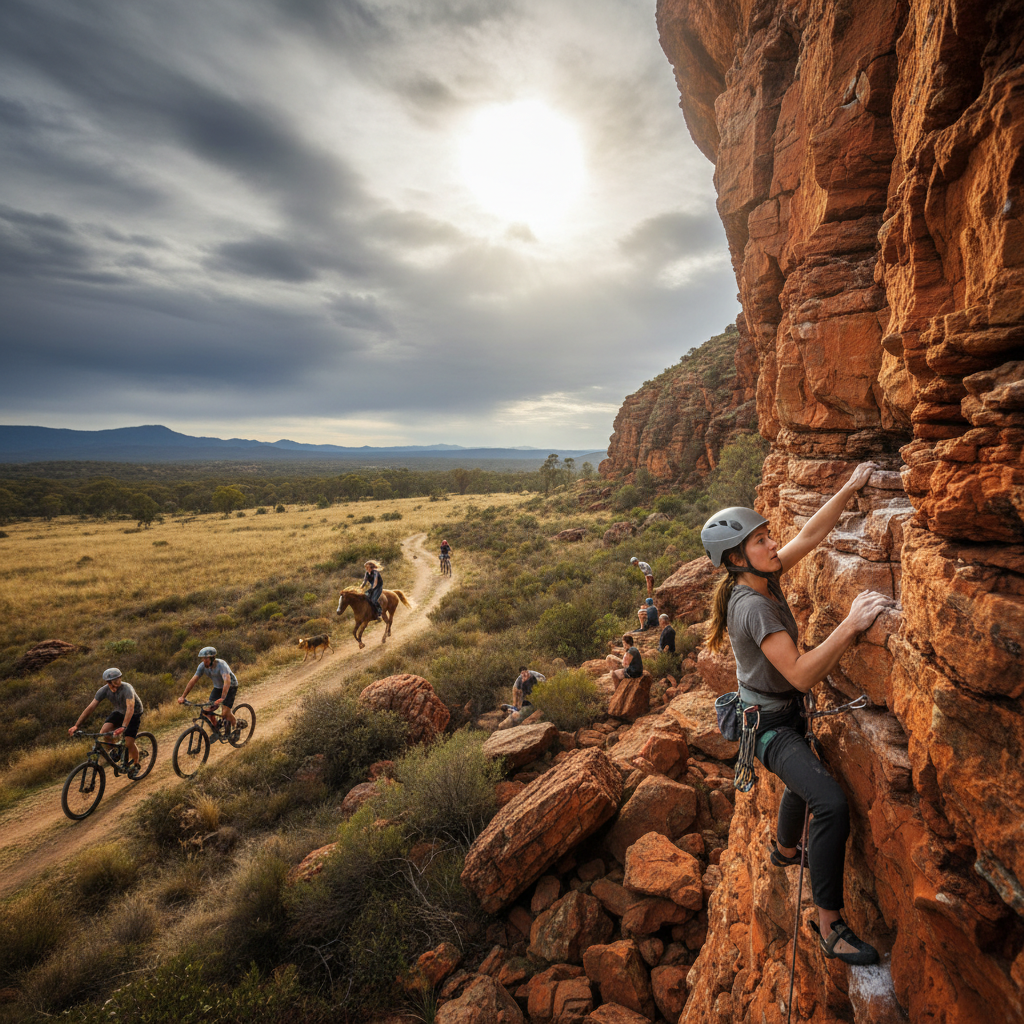
Sunburn on Cool Climbing Days: Why Helmets Aren't Enough
It's a common misconception that if it's not blazing hot, you're safe from the sun. In Australia, this couldn't be further from the truth, especially when you're out climbing. You might be wearing your helmet, thinking it’s your ultimate defence, but that hard hat on its own offers minimal protection against harmful UV radiation. Climbers often get sunburnt on seemingly cool or overcast days because they underestimate the intensity of the Australian sun and overlook key areas the helmet doesn't cover.
This isn't about scaremongering; it's about practical, no-nonsense sun safety for climbers. We’re going to break down why you're still getting burnt, even when you don't feel hot, and what you can actually do about it. Forget guesswork; let's get to the facts.
The Invisible Threat: UV Radiation and Australian Conditions
Here in Australia, we’re blessed with incredible outdoor opportunities, but we also have some of the highest UV levels in the world. The UV index can be high even when the temperature isn't. This is because UV radiation is a different part of the electromagnetic spectrum than visible light and heat.
Key points to understand:
UV Radiation vs. Heat: Sunburn is caused by ultraviolet (UV) radiation, not heat. You can feel cool, even wind-bitten, but still be exposed to damaging UV rays.
The Australian UV Index: The UV index is a measure of the intensity of UV radiation. It’s a critical indicator of how quickly you can get sunburnt. Even on a cloudy day, UV rays can penetrate cloud cover and reflect off surfaces like rock, sand, and water, increasing your exposure.
Altitude and Exposure: The higher you climb, the closer you are to the sun, and the less atmosphere there is to filter UV radiation. This means UV intensity increases with altitude.
Reflection: Rock faces, especially lighter coloured granite or sandstone, can reflect UV rays, meaning you’re getting hit from multiple angles – directly from the sky and indirectly from the rock.
Longer Daylight Hours: Australian daylight hours, particularly in summer, are long. This means more prolonged exposure to UV radiation throughout the day.
Why Your Climbing Helmet Isn't Enough
Your climbing helmet is designed for impact protection – to save your head from falling rocks or from hitting your head during a fall. It is not designed to be a sun shield. Here's where the protection falls short:
1. The Sides and Back of the Neck: Most helmets leave significant portions of your head, ears, and the back of your neck completely exposed. These are prime areas for accumulating sunburn. The sun can hit you from the side or even from below if you’re looking up at a feature.
2. The Face: While a helmet might sit on your forehead, it rarely provides adequate shade for your entire face, especially the lower half, your nose, and your chin. These areas are highly susceptible to burning.
3. Lack of Overhead Shade: The helmet’s brim, if it even has one, is typically too small and not positioned strategically to block direct overhead sun from hitting your face and neck throughout the climbing day.
4. Reflected UV: The helmet offers no protection from UV radiation that is reflected off the rock face or the ground around you.
Common Objections and Their Reality
"But it’s cool and breezy!" As we’ve covered, cool air doesn't mean low UV. You can be chilled by the wind yet still getting skin damage.
"I only climb for a few hours." Even a few hours in strong Australian UV can lead to significant sunburn. Cumulative exposure over time also increases skin cancer risk.
"I wear sunscreen." Sunscreen is vital, but it needs to be applied correctly and reapplied often. It can rub off, sweat off, or simply not be applied thoroughly enough to exposed areas like the ears and neck. Plus, it’s easier to miss shaded spots with sunscreen than it is to apply a physical barrier like a hat.
"My helmet has a peak." Some helmets have a small peak, but it’s usually designed to deflect falling debris, not provide broad facial shade. It’s often too short and too narrow.
Protecting Yourself: Beyond the Helmet
So, if the helmet isn't the answer for sun protection, what is? The straightforward truth is you need additional layers and accessories to cover the gaps.
Essential Sun Protection Additions for Climbers
A Wide-Brimmed Hat or Cap: While you can't typically wear a full wide-brimmed hat under a climbing helmet for safety reasons, a cap with a long neck flap can be worn. However, the most effective solution is an accessory that attaches to your helmet.
Neck Gaiter or Buff: Crucial for protecting the back of your neck and lower face. Can be pulled up over your nose and mouth in high UV conditions.
Reef-Safe Sunscreen: High SPF, broad-spectrum, and water/sweat resistant. Apply liberally and reapply often.
Sunglasses: Protect your eyes and the delicate skin around them from UV damage.
The Ultimate Solution for Helmeted Sun Protection
For climbers, the challenge is integrating sun protection with helmet use. This is where purpose-designed accessories shine. The most effective way to get comprehensive sun protection without compromising helmet safety is with an extended brim that attaches directly to your helmet.
This is not about adding bulk or creating a hazard. These are specifically engineered to attach securely to your existing climbing helmet, providing shade where it's needed most.
Benefits of an Extended Helmet Brim:
Full Facial Shade: Extends forward to block direct overhead sun, reducing glare and protecting your face, nose, and ears.
Neck Protection: Many designs also extend backward or integrate with neck gaiters to cover the exposed neck area.
UV Reflection Mitigation: Helps to block some of the UV radiation reflecting off the rock face.
Comfort: Keeps the sun off your skin, which can indirectly manage perceived temperature. You won't feel as hot if the sun isn't directly beating down on you.
Helmet Compatibility: Designed to attach securely without affecting the helmet's safety certifications or impact absorption.
We offer a range of solutions designed specifically for this purpose. Check out our Products to find the right fit for your helmet.
How to Equip Your Helmet for Sun Protection
Getting your helmet set up for maximum sun protection is straightforward. We've designed our accessories to be user-friendly.
Step-by-Step Guide to Attaching Your Da Brim:
1. Identify Attachment Points: Most climbing helmets have specific points or a rim designed for attaching accessories. Our products are tailored to fit common helmet designs.
2. Align the Brim: Position the brim over the front of your helmet, ensuring it is centered and covers the areas you want protected.
3. Secure the Fasteners: Use the provided straps or clips to fasten the brim securely to your helmet. Ensure it's snug and won't shift during climbing. Our system is designed for a quick and robust attachment.
4. Test for Fit and Stability: Gently tug on the brim in different directions to confirm it's securely attached. It should not obstruct your vision or hinder helmet movement.
5. Add Neck Protection (Optional but Recommended): If your brim doesn't offer rear coverage, consider a neck gaiter or 'buff' that can be worn around your neck and pulled up over your face and head as needed.
For more detailed instructions specific to helmet types, refer to our How to Install page.
Your Sun Safety Checklist for Climbing
Don't leave your skin to chance. Make sure you tick these off before every climb, no matter the weather:
[ ] Helmet: Always worn correctly.
[ ] Extended Helmet Brim: Attached securely for full facial and neck shade.
[ ] Sunscreen: SPF 30+, broad-spectrum, applied liberally to all exposed skin (face, neck, ears, hands, lips) 15-20 minutes before sun exposure.
[ ] Reapplication Strategy: Plan for reapplication every two hours, or more often if sweating heavily or swimming.
[ ] Neck Gaiter/Buff: For added protection for the neck and lower face.
[ ] Sunglasses: UV-protective lenses.
[ ] Lip Balm: With SPF.
[ ] Hydration: While not direct sun protection, staying hydrated helps your body cope with exertion in the elements.
Summary: Sunburn Happens, Be Prepared
Climbing in Australia, even on a cool day, exposes you to significant UV radiation. A standard climbing helmet alone does not provide adequate sun protection for your face, ears, and neck. The invisible threat of UV rays can lead to sunburn and long-term skin damage.
Don't let a "cool" or "cloudy" day lull you into a false sense of security. The Australian sun is powerful. By augmenting your helmet with an extended brim and other protective measures, you can climb safely and comfortably, while keeping your skin protected.
For more information and to explore your options, visit our Products page. If you have questions, our FAQ is a great resource, or feel free to reach out. Stay safe out there and keep climbing!
For more tips on climbing and outdoor safety, check out our Blog.