
Sunburn Isn't Just Annoying, It's Dangerous: Protecting Climbers in the Aussie Sun
Outdoor climbing in Australia means epic views, but also relentless sun. Learn how to stay safe from UV damage and heatstroke, even when you're focused on the next hold.
Sunburn Isn't Just Annoying, It's Dangerous: Protecting Climbers in the Aussie Sun
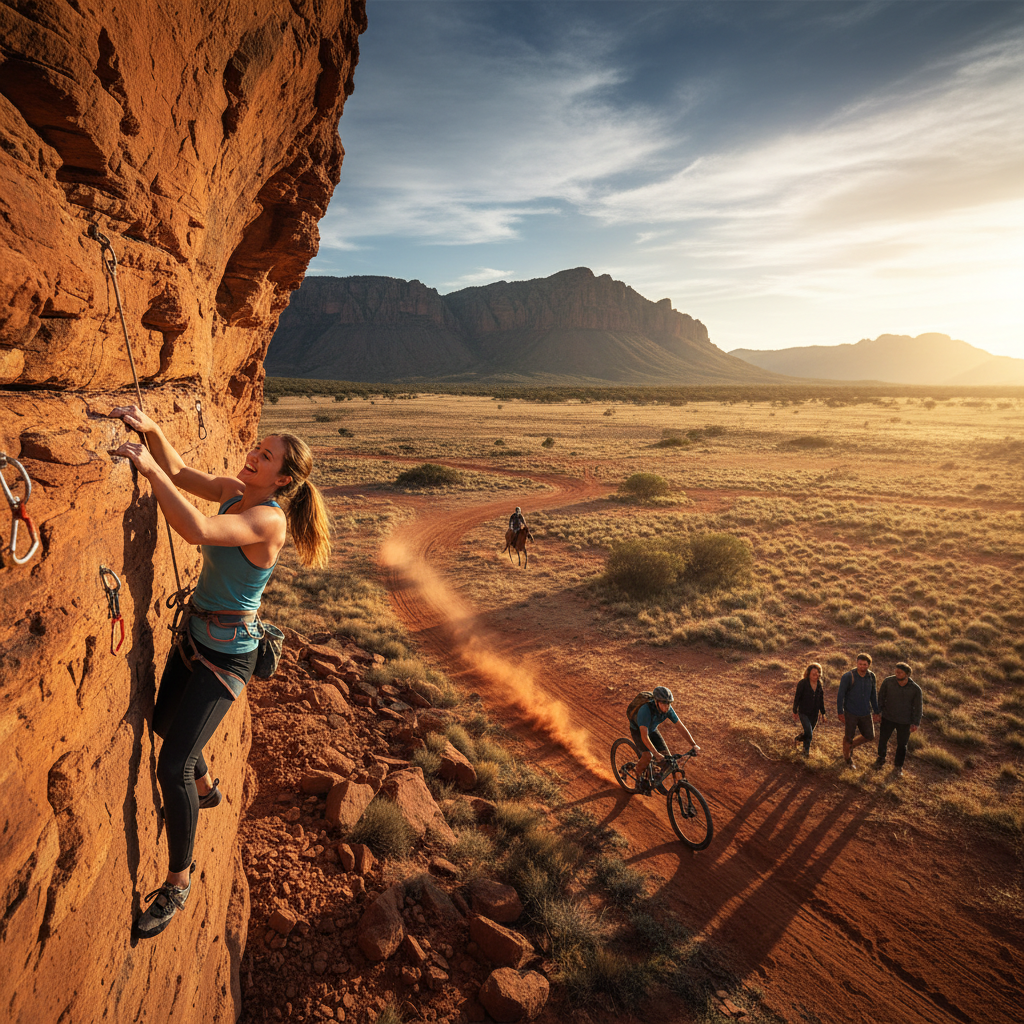
Australian climbing. The sheer romance of it. Cracking granite under vast blue skies, the scent of eucalyptus in the air, the thrill of finding that perfect line. But let's cut the fluff: along with those epic views comes one of the harshest suns on the planet. And if you're a climber, your helmet – while essential for rockfall and impact – offers zero protection from the sun's relentless UV rays beating down on your face, neck, and ears.
Sure, sunburn might seem like a minor inconvenience, something to deal with after the climb with a bit of aloe vera. But in Australia, especially during the long days of summer, the risks are far greater. We're talking about premature skin aging, an increased risk of skin cancer, and, critically, heatstroke and dehydration, which can have immediate and severe consequences when you're thousands of feet off the deck.
This isn't about scaring you off the rock. It's about being smart, practical, and prepared. Because nobody wants a climb cut short by a blinding headache, sunburnt eyeballs, or worse. Let's get down to brass tacks on how to keep yourself safe so you can focus on the climb.
The Unseen Danger: UV Exposure on the Rock
It's easy to underestimate UV exposure when you're concentrating on your next move. The sun might feel warm rather than scorching, but the UV index can still be dangerously high, especially at higher elevations and when reflected off rock surfaces. In many parts of Australia, the UV index regularly hits extreme levels (11+) during peak sunlight hours, even on cloudy days. This is the kind of UV that causes serious damage, even with short, repeated exposures.
Your helmet covers your head, sure. But what about the skin around your eyes, your nose, your ears, and the back of your neck? These are prime targets for UV damage. This damage isn't just about that immediate stinging sensation on the climb. It's cumulative. Over years, it leads to:
Premature skin aging: Wrinkles, age spots, leathery skin. Not exactly the rugged look you're going for.
Eye damage: Cataracts and other vision problems. You need your eyesight to spot holds and assess risks.
Increased skin cancer risk: Australia has one of the highest rates of skin cancer in the world. Climbing regularly without adequate protection significantly ups your odds.
Beyond the Burn: Heatstroke and Dehydration
Climbing is physically demanding. Add a blazing Australian sun beating down on you, and you're a prime candidate for heat-related illnesses. These aren't just about feeling a bit sweaty.
Dehydration: You lose fluids through sweat. If you don't replace them, your body starts to shut down. Reduced cognitive function, muscle cramps, and fatigue all set in – dangerous when you're on a climb.
Heat Exhaustion: This is a more serious stage. Symptoms include heavy sweating, pale skin, muscle cramps, dizziness, headache, nausea, and vomiting. If you ignore these, you can progress to...
Heatstroke: This is a medical emergency. Your body overheats, and core temperature rises dangerously high. Symptoms can include confusion, loss of consciousness, seizures, hot, dry skin (or profuse sweating), and a rapid, strong pulse. If you suspect heatstroke, get the person to shade immediately, call for emergency help, and try to cool them down.
Your helmet, again, does nothing to mitigate these risks. In fact, it can sometimes trap heat, making the situation worse if you're not careful.
Practical Solutions: What Can You Actually Do?
Complaining about the sun and hoping for the best isn't a strategy. Let's talk about what works. The goal is to create a comprehensive sun-protection system that integrates with your climbing setup.
Sun Protection Gear That Works with Your Helmet
This is where innovation meets necessity. Standard baseball caps or beanies worn under helmets are impractical, often don't fit well, and don't offer adequate coverage. You need solutions designed for purpose.
Brims for Helmets: This is the game-changer. A well-designed brim attaches securely to your climbing helmet and extends forward, casting shade over your face, nose, and cheeks. Look for something that’s durable, lightweight, and easy to attach. For example, the Da Brim is designed to do just that. It's a lightweight, flexible brim that attaches to most climbing helmets using a secure, adjustable system. It offers significant shade for your face and neck without interfering with the helmet's protective function or your field of vision when looking up. Check out our Products page for more details on options.
Sunscreen: This is non-negotiable. Use a broad-spectrum sunscreen with an SPF of 30 or higher. Apply generously to any exposed skin – face, neck, ears, hands. Reapply every two hours, or more often if sweating heavily or swimming. Don't forget the top of your head if your helmet has ventilation gaps or if you take it off during breaks.
Sunglasses: Essential for protecting your eyes from UV rays and glare. Choose sunglasses that block 100% of UVA and UVB rays. Wrap-around styles offer better coverage.
Sun-Protective Clothing: Long-sleeved shirts and pants made from lightweight, breathable, UPF-rated fabric are ideal. Even if it feels warm, covering up is often more effective at regulating body temperature than leaving skin exposed to direct sun. Look for moisture-wicking materials.
Wide-Brimmed Hats (for approaches/descents): While not worn during climbing, a wide-brimmed hat is crucial for protection during the walk-in and walk-out, especially in exposed areas.
Table: UV Exposure Risks During Climbing Activities
| Activity | Primary UV Risk | Other Risks | Mitigation Focus |
|---|---|---|---|
| Approach/Descent | Direct sun on exposed skin (face, neck, arms) | Heat, dehydration | Wide-brimmed hat, sunscreen, hydration |
| Belaying | Direct sun on face, neck, ears; reflected UV from rock | Heat, dehydration, fatigue | Helmet brim, sunscreen, hydration, shade if possible |
| Climbing (Pitch) | Direct sun on face (if facing out), neck, ears | Heat, fatigue, dehydration, concentration issues | Helmet brim, sunscreen, sunglasses, hydration taps |
| Multi-pitch (Resting/Transitions) | Prolonged direct sun on all exposed areas | Heatstroke, severe sunburn, dehydration | Helmet brim, sunscreen, sun-protective clothing, significant hydration |
Pre-Climb Preparation: Setting Yourself Up for Success
Being prepared starts before you even leave the house.
Pre-Climb Checklist for Sun Safety
[ ] Check the UV index for the day and location.
[ ] Pack sufficient water. More than you think you'll need for the duration.
[ ] Apply sunscreen thoroughly at least 15-20 minutes before sun exposure.
[ ] Ensure your helmet brim is fitted and secured.
[ ] Pack extra sunscreen for reapplication.
[ ] Consider packing electrolyte tablets or drinks.
[ ] Wear sun-protective clothing layers.
[ ] Pack sunglasses.
[ ] Plan to take frequent breaks in the shade, especially on multi-pitch climbs.
On the Climb: Staying Vigilant
Step-by-Step Sun Protection While Climbing:
1. Apply the Defence: Before you even leave the car park, apply a generous layer of high-SPF sunscreen to all exposed skin. This includes your face, ears, neck, and the backs of your hands. Don't forget the tops of your feet if you're wearing open-toed shoes for the approach.
2. Helmet & Brim: Once at the base, put on your climbing helmet. Ensure your helmet brim is correctly attached and positioned to provide maximum shade for your face and neck. Check it’s secure – you don't want it becoming a flying projectile mid-climb.
3. Hydration is Key: Sip water regularly from the start. Don't wait until you feel thirsty. Thirst is already a sign of dehydration.
4. Eyewear: Wear your UV-blocking sunglasses for the approach and any exposed sections where you're not actively climbing. For the climb itself, assess if sunglasses hinder your vision for specific moves; if so, rely on your helmet brim and focus on looking up when necessary.
5. Reapply and Recharge: If you're out for an extended period, or especially on multi-pitch climbs, schedule reapplication of sunscreen. This is often easiest during belay stances or rest breaks. Make sure your hands are clean and dry before touching your face to reapply.
6. Seek Shade: Whenever possible, take your breaks in the shade. Even a small patch of shade can significantly lower your body temperature and reduce direct UV exposure.
7. Listen to Your Body: Pay attention to signs of overheating or dehydration. Dizziness, nausea, excessive headache, or unusual fatigue are all red flags. Don't push through these. Communicate with your climbing partner and consider descending or resting until you recover.
Common Objections to Sun Safety on Climbs
Let's address these head-on:
"I've never gotten sunburned climbing before." Great! But Australia's sun is a cumulative threat. The damage you're doing now might not show up for years. Plus, the risk of heatstroke is immediate and potentially fatal.
"Sunscreen makes me feel greasy/sweaty." There are high-quality, sweat-resistant, matte-finish sunscreens available now. Look for ones designed for sports. Also, remember that feeling greasy is a lot better than feeling the searing pain of sunburn or the stupor of heatstroke.
"A helmet brim will get in the way/look stupid." Practicality trumps aesthetics when your health is on the line. Modern brims, like the Da Brim, are designed to be unobtrusive and secure. They significantly enhance protection without compromising helmet function or your view of the route.
"It's too much hassle to carry extra gear." Your life and long-term health are worth a few extra grams. Compare the hassle of carrying a small brim to the hassle (and danger) of dealing with severe sunburn, heatstroke, or the long-term consequences of skin cancer.
- "I'll just wear a hat under my helmet." Most standard hats don't fit well under climbing helmets. They can affect the helmet's fit and shock absorption, compromising your safety. They also rarely offer adequate neck or ear coverage.
Don't Let the Sun Ruin Your Climb
Outdoor climbing in Australia demands respect for the environment, and that includes respecting the sun. By investing in practical sun-protection solutions and incorporating them into your routine, you're not just avoiding a painful sunburn; you're safeguarding your long-term health and ensuring you can continue to enjoy climbing for years to come.
Remember, a little preparation goes a long way. For more information on our range of sun protection gear designed for helmet wearers, visit our Products page. If you have specific questions about installation or best practices, check out our FAQ or browse previous articles on our Blog.
Stay safe, stay cool, and keep climbing.