
Sunburn in Winter? Why Your Helmet Isn't Enough
Think winter means UV safety is off the table? Think again. We bust the myth that you're safe from the sun just because it's cooler. Learn why sunburn can still happen while riding, even in the Australian winter, and how to protect yourself from UV damage.
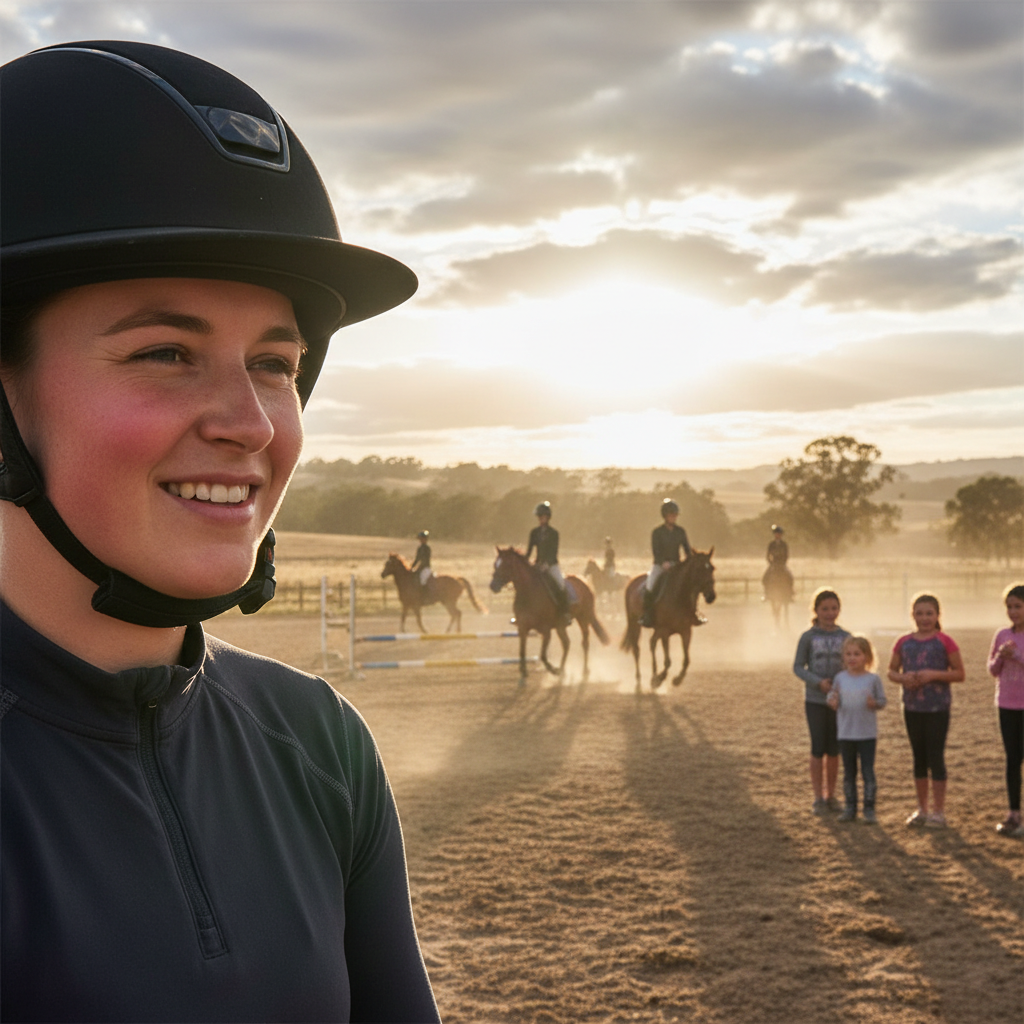
Sunburn in Winter? Why Your Helmet Isn't Enough
It's a common misconception that once the days get shorter and the temperature drops, the Australian sun is no longer a threat. Especially when you're wearing your trusty riding helmet, it's easy to assume you're fully protected. Unfortunately, this is a dangerous oversight. Even in the cooler months, the sun's ultraviolet (UV) radiation can be strong enough to cause significant sunburn and long-term skin damage. For riders, this is a serious issue that needs to be addressed.
Winter in Australia can be deceptive. You might not be sweating buckets from heat exhaustion, but the UV index can still reach 'high' or even 'very high' levels, particularly during the middle of the day. Unlike visible light and heat, UV rays are invisible and can penetrate clouds. This means a cool, overcast winter’s day can still deliver a powerful dose of UV radiation directly to your skin.
The Invisible Threat: UV Radiation in Winter
We often associate sunburn with hot, sunny summer days. But the culprit isn't heat; it's UV radiation. While the intensity of UV radiation fluctuates throughout the year, it doesn't disappear during winter. In fact:
Ozone Layer Thinning: While often associated with the poles, the ozone layer, which filters UV rays, can thin in various regions at different times of the year, potentially allowing more UV to reach the surface. Even without significant thinning, the angle of the sun plays a crucial role.
Sun Angle: In winter, the sun is lower in the sky. While this means less direct, intense heat, the UV rays still travel through the atmosphere. The type of UV radiation that causes sunburn (UVB) is actually strongest at higher altitudes, and UV rays can bounce off surfaces like sand, water, and even snow and dry grass, increasing your overall exposure.
Reflection: Surfaces like water, sand, and even light-coloured arena footing can reflect UV rays, increasing the amount of radiation that reaches exposed skin, even if it feels cool.
Longer Days: While days are shorter in winter, daylight hours are still significant enough for prolonged UV exposure, especially during a long riding session.
Australian conditions are particularly noteworthy. Our atmosphere is generally thinner, and we have high ambient UV levels year-round compared to many other countries. This means even a ‘mild’ winter day can still pose a significant UV risk.
How Your Helmet Might Not Be Enough
Your riding helmet is designed for impact protection, which is paramount for safety. However, most standard helmets offer minimal UV protection for your face and neck. They typically cover the crown of your head and, if they have a brim, it's usually quite short and narrow.
Consider these common areas of exposure:
Cheeks: The sides of your face, particularly your cheekbones, are highly susceptible to UV rays. The brim of a standard helmet often doesn't extend far enough to shade these areas effectively, especially when the sun is at an angle or you're looking in different directions.
Nose: The bridge of your nose is another prime target. It's prominent and often catches direct sunlight.
Ears: The tops and outer edges of your ears can easily get sunburnt, especially if your helmet straps are looser or if you're taking your helmet off between rides.
Neck: The back of your neck is frequently exposed, particularly when you're leaning forward or looking down. Many helmets leave the lower neck area entirely unprotected.
Upper Lip and Chin: While less common, depending on the helmet’s design and your riding position, these areas can also receive UV exposure.
Think of it this way: your helmet protects your head from impact. It’s not primarily designed to be a sun shield. Relying solely on your helmet for UV protection is like wearing a seatbelt but skipping the airbag – both are important safety features, but one doesn't negate the need for the other.
The Consequences of Ignoring Winter Sun
Sunburn is the immediate, visible consequence of overexposure to UV radiation. But the damage goes deeper and accumulates over time:
Premature Aging: UV rays break down collagen and elastin in your skin, leading to wrinkles, fine lines, and leathery skin.
Sunspots and Hyperpigmentation: Long-term UV exposure can cause age spots, freckles, and uneven skin tone.
Increased Risk of Skin Cancer: This is the most serious consequence. Basal cell carcinoma, squamous cell carcinoma, and melanoma are all linked to cumulative UV exposure.
For equestrians, who often spend hours outdoors, this cumulative exposure is a daily risk, whether it’s a scorching summer afternoon or a crisp winter morning.
Practical Solutions for Sun Protection While Riding
Don't let the cooler months lull you into a false sense of security. You need a comprehensive sun protection strategy that goes beyond just your helmet. Here’s how to stay safe:
1. Sunscreen is Non-Negotiable
This is your first line of defence. Apply broad-spectrum sunscreen with an SPF of 30 or higher.
Apply Generously: Most people don't apply enough. You need about a teaspoon for your face and a shot glass amount for your entire body.
Reapply Regularly: Especially after sweating or if you’re out for extended periods. Aim to reapply every two hours, or more frequently if needed.
Don't Forget the Ears and Neck: These are easily missed spots. Use a sunscreen stick for easy application on your face and ears.
2. Protective Clothing
Long Sleeves and Trousers: Opt for lightweight, breathable fabrics designed for sun protection. Look for UPF (Ultraviolet Protection Factor) ratings on clothing.
Wide-Brimmed Hat Under Your Helmet: While not always practical or comfortable, some riders wear a thin, breathable sun hat or cap underneath their helmet to provide extra shade. This needs careful consideration to ensure it doesn't compromise helmet fit and safety. Always check with your helmet manufacturer’s guidelines.
3. Sunglasses
UV rays can damage your eyes too. Wear sunglasses that block 99-100% of UVA and UVB rays. This is crucial for protecting your vision and preventing cataracts and other eye conditions.
4. Consider a Helmet Brim Extender
This is where things can get really practical for riders. Standard helmet brims are often too short. A helmet brim extender can significantly increase the amount of shade offered by your helmet. These are designed to attach to your existing helmet, providing a wider, longer brim.
Our DA BRIM helmet brims are designed to give you that extra coverage, extending the shaded area of your face and neck without compromising your helmet's safety standards or requiring you to buy a whole new helmet. They easily attach and detach, making them a versatile solution. Check out our Products page for options.
5. Seek Shade When Possible
If you’re taking a break, try to find shade. This is especially important during the peak UV hours (usually between 10 am and 3 pm), even in winter.
Common Objections and How to Overcome Them
Let's address some common reasons riders might skip sun protection in winter:
Objection 1: "It's too cold to worry about sunburn."
Reality: The temperature and UV intensity are not directly linked. Cold weather doesn't block UV rays. In Australia, the UV index can still be high even when it feels chilly.
Objection 2: "My helmet protects me."
Reality: As discussed, most standard helmets offer minimal facial and neck coverage. Relying solely on your helmet leaves significant areas exposed.
Objection 3: "I'm only out for a short ride."
Reality: Even short periods of unprotected exposure add up. Cumulative damage is a major factor in skin aging and skin cancer risk. If you ride regularly, those short rides become significant over time.
Objection 4: "Sunscreen feels greasy/sticky/uncomfortable, especially with a helmet."
Reality: There are many modern sunscreen formulations available now – lightweight, non-greasy, and matte finishes are common. Look for water-resistant formulas if you tend to sweat. Using a sunscreen stick on your face can also be more convenient and less messy when wearing a helmet.
Objection 5: "I look fine, I don't get red."
Reality: Sunburn isn't always immediately visible, and skin damage can occur even if you don't turn bright red. Fairer skin burns more easily, but all skin types can suffer damage and increase their risk of skin cancer.
| Sun Protection Element | Winter Necessity? | Why? |
|---|---|---|
| Helmet | Yes (Safety) | Protects from impact. |
| Helmet Brim Extender | Yes | Provides essential UV coverage to face/neck. |
| Broad-Spectrum SPF 30+ Sunscreen | Yes | Protects exposed skin not covered by brim/clothing. |
| Protective Clothing (Long Sleeves/Trousers) | Yes | Shields large body areas from UV. |
| Sunglasses | Yes | Protects eyes from UV damage. |
| Seeking Shade | Yes (When possible) | Reduces overall UV exposure. |
Checklist for Winter Riding Sun Safety
Before you head out for your winter ride, run through this checklist:
[ ] Applied broad-spectrum SPF 30+ sunscreen to all exposed skin (face, neck, ears, hands).
[ ] Checked the UV index for the day – if it's 3 or higher, extra caution is needed.
[ ] Wearing long sleeves and trousers made of UPF-rated or tightly woven fabric.
[ ] Wearing helmet with adequate brim coverage (consider a brim extender).
[ ] Wearing UV-protective sunglasses.
- [ ] Reapplication of sunscreen planned if riding for over 2 hours.
Implementing a Sun Protection Routine
Making sun protection a habit is key. It should be as routine as checking your girth or ensuring your stirrups are the right length.
Step-by-Step Sunsmart Riding Prep:
1. Check the UV Index: Before even getting dressed, quickly check the Bureau of Meteorology UV index for your location. If it's 3 or above, activate your sun protection.
2. Sunscreen Application: This is the first product you apply. Get into the habit of doing it before putting on riding gear. Ensure even coverage on your face, neck, ears, and hands.
3. Choose Your Riding Gear: Select lightweight, long-sleeved tops and trousers. If your helmet doesn't offer sufficient brim coverage, consider attaching a DA BRIM. You can learn more about How to Install.
4. Don Your Helmet and Sunglasses: Place your helmet on. Ensure sunglasses are in place.
5. Final Check: Mentally review your exposed areas. Have you missed anything? Are your helmet straps comfortably secured without being too tight?
6. On-the-Go: If you're out for a long session, carry a travel-sized sunscreen for reapplication. Most Products pages offer reapplication options.
Don't wait for the sting of sunburn to remind you of the sun's power. Winter in Australia demands just as much, if not more, vigilance when it comes to UV protection. Your helmet is a critical piece of safety equipment for impacts, but for protecting your skin from the sun, you need a more comprehensive approach. Explore our range of solutions designed to keep you protected and comfortable outdoors. Remember to visit our FAQ if you have further questions about staying sun safe on your horse.
For more tips and insights, check out our Blog for ongoing advice tailored to riders.