
Sunburn in Winter? Why Skippers Still Need Sun Protection
Think winter riding means no sun risk? Think again. Australian conditions mean sunburn can sneak up on you, even on a cloudy day. Learn why and how to stay protected.
Sunburn in Winter? Why Skippers Still Need Sun Protection
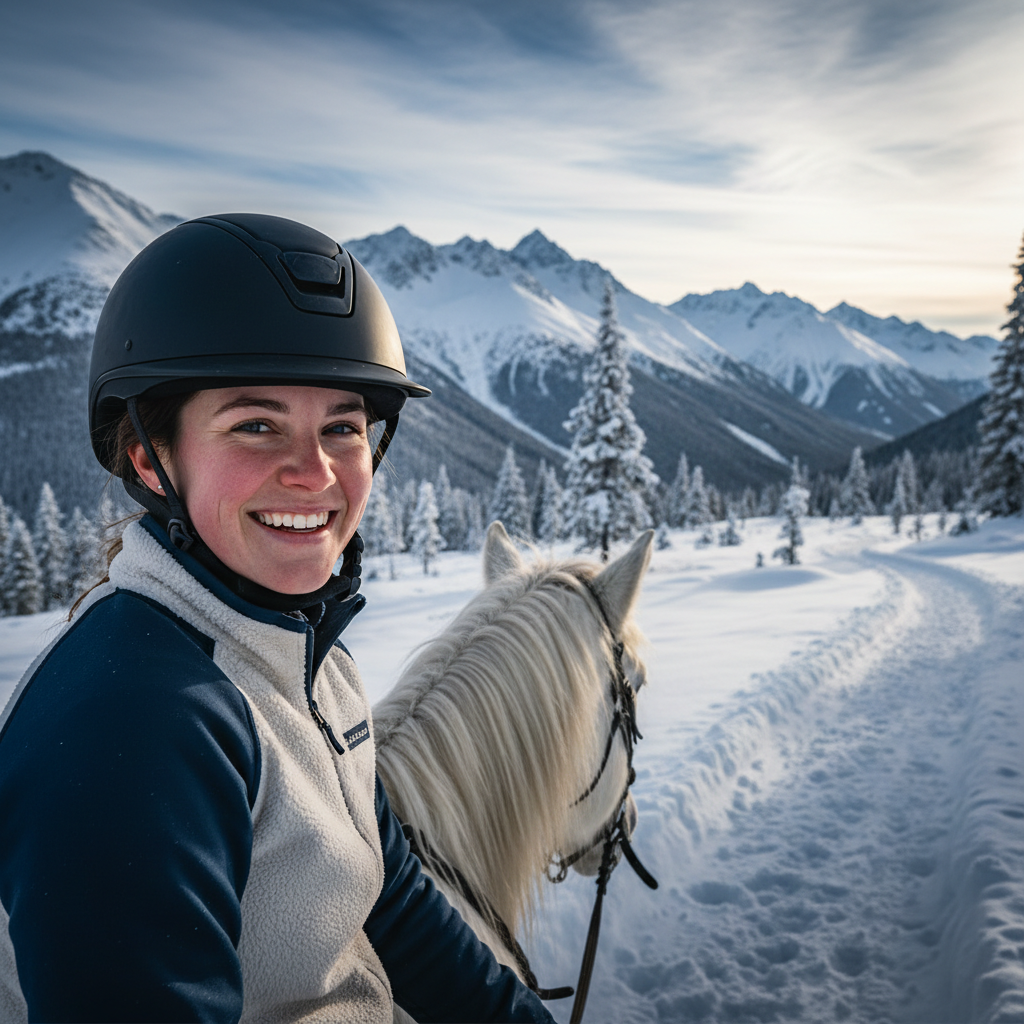
It’s winter. You’re rugged up in your warm riding gear, maybe even a thicker rug on your horse. The air is crisp, the sun seems low and gentle. Surely, sunburn isn't a concern? In Australia, that’s a dangerous assumption.
Even during the cooler months, the Australian sun packs a serious punch. While the heat might be less intense, the ultraviolet (UV) radiation is still very much present, and it’s the UV rays that cause sunburn and long-term skin damage. If you ride horses here, you need to be thinking about sun protection year-round.
The Deceptive Winter Sun
So, why are you still at risk of getting burnt even when it feels cool?
1. UV Radiation Doesn't Follow Temperature
This is the most critical point. UV radiation is independent of temperature. You can have a freezing cold day with blue skies and high UV levels. In Australia, the UV Index can reach dangerous levels even in winter, particularly in northern regions and at higher altitudes. The Bureau of Meteorology (BOM) regularly reports on UV levels, and it's common to see UV indices of 3 or above, even on a clear winter day. A UV Index of 3 or higher is considered ‘moderate’ and protection is recommended.
2. Reflection from Surfaces
Snow might be rare in most of Australia, but water, sand, and even light-coloured surfaces reflect UV rays. If you ride near dams, rivers, or even on a light-coloured arena surface, you can be getting a double dose of UV exposure – direct rays and reflected rays. This exacerbates your overall exposure.
3. Long Winter Days
While the days are shorter than in summer, winter days in Australia still offer significant periods of sun exposure. If your riding schedule falls within the peak UV hours (generally between 10 am and 3 pm), you’re still exposed. Long trail rides, early morning or late afternoon sessions outdoors can add up.
4. Cloud Cover Doesn't Block All UV
A common misconception is that clouds block UV rays. While heavy, dark cloud cover can reduce UV levels, light cloud cover can actually scatter UV radiation, sometimes increasing exposure in certain areas. So, a grey, overcast day is not a guarantee of safety.
5. Altitude
If you ride in higher altitudes, UV radiation levels increase. Every 1000 metres increase in altitude can increase UV exposure by around 10-12%. This is particularly relevant for riders in mountainous or hilly regions of Australia.
Where Does Sunburn Hit Riders the Hardest?
Your helmet is designed to protect your head from impact, but it does little for your exposed skin. Many riders focus on their face, but forget other areas:
Neck: The back of your neck is a prime target, especially when looking down or forward for extended periods. Constant exposure can lead to premature aging and skin damage.
Ears: Often overlooked, your ears are very susceptible to sunburn. The cartilage is delicate, and repeated burns can increase the risk of skin cancers.
Forehead and Temples: Even with a helmet, the edges of your face, especially your forehead and temples that extend beyond the brim, can receive significant sun.
Nose and Cheeks: Crucial areas for sun protection, these are directly in the line of fire.
Hands: If you ride without gloves, or your gloves don't offer full coverage, your hands are exposed to damaging UV rays for hours.
Overcoming Objections: "But I don't burn easily!"
Even if you have a naturally darker skin tone, UV damage is cumulative. It might not result in an immediate, visible burn, but it's still harming your skin cells, increasing your risk of premature aging and skin cancer over time. "Preventing sunburn" is just one part of "preventing skin damage".
Smart Sun Protection for Riders: What You Need
Protection is key. Ditching the sun once in a while is not an option when you're out and about on your horse. You need a multi-layered approach.
1. Your Helmet is Not Enough.
Yes, your helmet protects your head, but crucial areas like your neck and ears are left exposed. This is where additional protection comes in.
2. Sunscreen, Sunscreen, Sunscreen.
This is non-negotiable. Use a broad-spectrum sunscreen with an SPF of 30 or higher. Apply it liberally to all exposed skin at least 20 minutes before going outside.
Reapplication is crucial: If you're riding for more than two hours, reapply sunscreen. Sweating and contact with your helmet can wipe it off.
Don't forget: Neck, ears, nose, cheeks, back of hands.
3. Protective Clothing.
Long Sleeves: Lightweight, breathable long-sleeved shirts offer excellent protection. Look for UPF (Ultraviolet Protection Factor) rated clothing for maximum benefit.
Gloves: Full-coverage gloves protect your hands from UVA and UVB exposure.
Leggings/Trousers: While riding tights might not cover your ankles, standard riding trousers offer good leg protection.
4. Hats and Brims.
This is where your helmet can be enhanced. While a helmet provides some shade, it's often not enough. Think about adding extra coverage where your helmet leaves you vulnerable.
| Protection Type | Effectiveness Against Sunburn |
|---|---|
| Standard Helmet | Partial (Face edges) |
| Sunscreen | High (If applied correctly) |
| Long Sleeved Shirt | High |
| Gloves | High |
| Enhanced Helmet Brim | Very High |
For riders, especially those who spend extended periods outdoors, a helmet brim offering superior coverage is a game-changer. Standard helmet brims are often small and designed more for impact defection than sun protection. Options like the Da Brim are specifically designed to extend far beyond your helmet's original brim, creating a much larger shaded area. This significantly reduces the amount of direct UV radiation hitting your face, neck, and ears.
Learn more about enhancing your helmet's sun protection: How to Install
Your Winter Riding Sun Safety Checklist
Before you head out for your next ride, run through this quick checklist:
[ ] Applied broad-spectrum SPF 30+ sunscreen to all exposed skin (face, neck, ears, hands).
[ ] Reapplied sunscreen if ride is longer than 2 hours.
[ ] Wearing long-sleeved shirt (ideally UPF rated).
[ ] Wearing gloves.
[ ] Wearing a helmet with effective sun protection (consider an extended brim like Da Brim).
[ ] Considered sunglasses for eye protection.
[ ] Hydrated – dehydration can exacerbate the effects of sun exposure.
Step-by-Step: Preparing for a Winter Ride
Don't just grab your helmet and go. Make sun safety a routine, just like checking your horse's legs.
1. Assess the UV Index: Even in winter, check the BOM UV forecast for your area. A quick search online will give you the daily UV levels. If it's 3 or above, protection is essential.
2. Sunscreen Application (Minimum 20 mins before): This is the most crucial step. Get into the habit of applying sunscreen before you start tacking up. This gives it time to absorb into your skin and become effective.
Don't be stingy! Cover your face, neck, ears, and any other exposed skin.
3. Gear Up:
Put on your long-sleeved shirt and trousers.
Pull on your gloves.
Ensure your helmet is fitted correctly. If you use an extended brim, confirm it's securely attached.
4. Final Checks:
Have you forgotten anything? A quick look in a mirror can remind you of missed spots.
Gaiters, riding boots, and other gear are practical, but don’t forget the areas they don't cover.
5. During Your Ride:
Be mindful of time spent directly in the sun, especially during peak UV hours.
If you feel any early signs of warmth or tingling, assume you're burning and seek shade or reapply sunscreen immediately. This is where a helmet with an extended brim is excellent as it shields your face from direct impingement for longer.
6. After Your Ride:
Check your skin for any signs of redness.
Moisturise any exposed skin. Sun exposure, even if it doesn’t result in a burn, can dry out your skin.
Why Da Brim is Your Best Mate for All Seasons
Standard helmets offer limited shade. The small brims are often designed for impact, not sun protection. The Da Brim is a revolutionary addition that attaches to your existing equestrian helmet, dramatically increasing the amount of shade cast. This means less direct UV radiation reaching your face, neck, and ears – areas that are particularly vulnerable when riding.
Maximized Shade: Extends far beyond your helmet’s standard brim.
Comfort: Designed to keep the sun off your face and neck, reducing glare and heat.
Versatility: Attaches to many helmet types. Check our products page for compatibility.
- Year-Round Protection: Essential for Australian conditions, whether it's summer heat or winter UV.
Don't let the cooler temperatures fool you. The Australian sun is a year-round threat to your skin. By understanding the risks and implementing smart protection strategies, you can enjoy your riding without risking sunburn and long-term damage. For comprehensive sun protection that integrates seamlessly with your helmet, explore our range of products.
For more information on helmet safety and sun protection, visit our FAQ or check out other articles on our Blog.