
Sunburn in Winter? How Riders Still Get Baked Under the Australian Sun
Think winter means no risk of sunburn? Think again. Australian riders, even in cooler months, face serious sun exposure. Here’s why, and how to stop it.
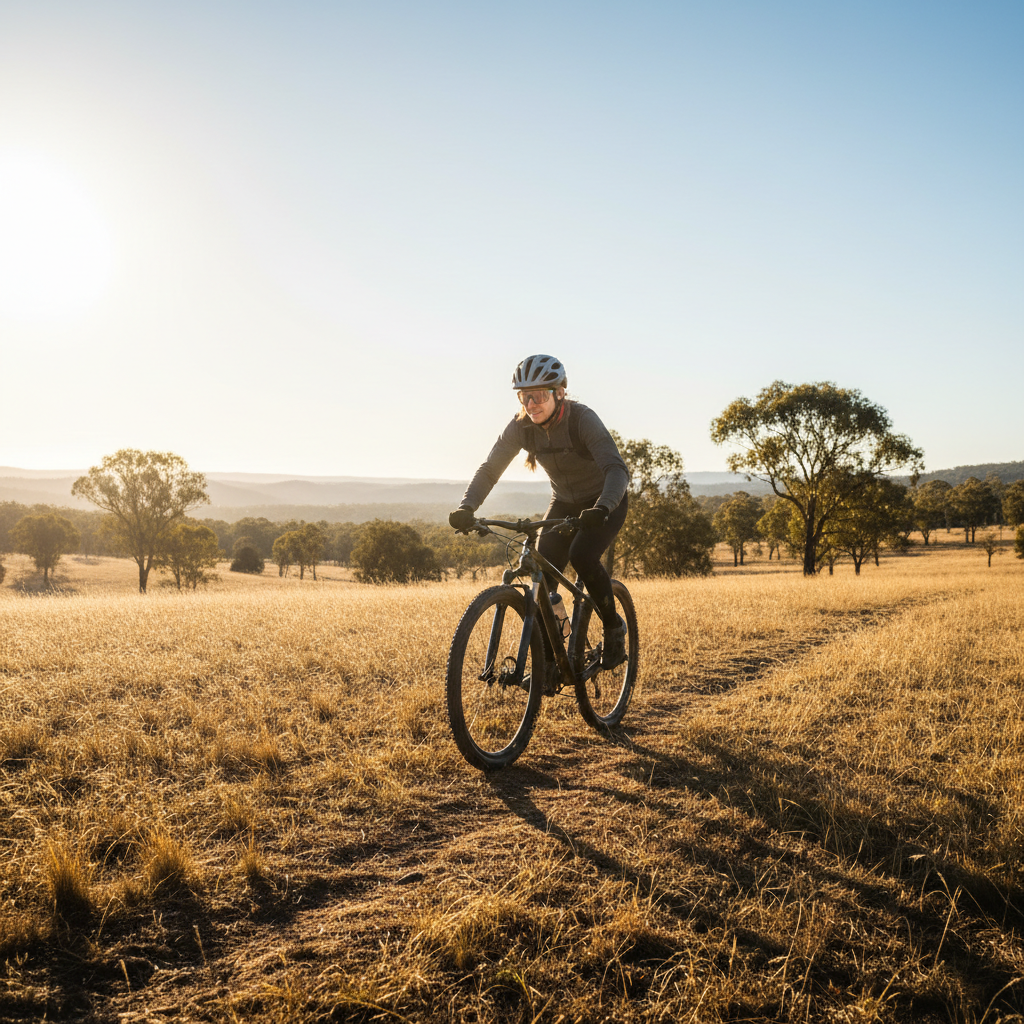
Sunburn in Winter? How Riders Still Get Baked Under the Australian Sun
Let's be blunt. When you're out riding your horse, especially here in Australia, the sun is a constant. And while we all welcome a break from the scorching summer heat, many riders make a critical mistake: assuming winter means zero risk of sunburn. They couldn't be more wrong.
Even on cloudy days, or during those crisp winter mornings, the UV radiation can be deceptively strong. If you're spending hours in the saddle with your helmet on, but your face, neck, and ears are exposed, you're still putting yourself in the firing line for premature ageing, skin damage, and potentially, skin cancer.
Why You're Still Getting Sunburnt, Even in Winter
It's not just about the temperature. The sun's harmful ultraviolet (UV) radiation is the real culprit. In Australia, our UV levels remain significant throughout the year, particularly during the middle of the day. While the intensity might decrease compared to summer, it's far from zero. Remember, UV rays are invisible. You can't feel them like you feel heat. So, a cool winter's day can be just as damaging as a warm one if you're not protected.
Several factors contribute to riders getting sunburnt, even when they think they're safe:
Reflected UV Radiation: Light-coloured surfaces like sand, water, and even dry, pale grasses can reflect UV rays, increasing your overall exposure. If your riding arena or paddock has these elements, you're getting a double dose of the sun.
Altitude and Latitude: The higher your altitude, the stronger the UV radiation. While most of us aren't scaling mountains on horseback, even a slight increase in elevation can make a difference. Plus, Australia's position means we're already exposed to higher UV levels than many other countries.
Time of Day: The sun is strongest between 10 am and 4 pm. If your riding sessions fall within this window, even in winter, you're exposed to peak UV radiation.
Cloud Cover is Deceiving: Clouds don't block all UV rays. Up to 80% of UV radiation can still penetrate light cloud cover, meaning a cloudy winter day offers significantly less protection than you might think.
Duration of Exposure: Simply put, the longer you're outside, the more UV you absorb. Many riders spend hours grooming, preparing, riding, and cooling down their horses. This cumulative exposure adds up, regardless of the season.
Helmet Design: Traditional riding helmets, while essential for safety, often leave large areas of the face, ears, and neck exposed to the sun. The brim on most equestrian helmets is minimal, offering little to no practical shade.
The "Australian Factor": We live under a powerful sun. Our ozone layer is thinner in some areas, and our general UV index is consistently high. This is a fact of life in Australia, and it applies year-round.
The Dangers of Unprotected Sun Exposure
It’s not just about a bit of redness. Chronic sun exposure without adequate protection leads to:
Premature Skin Ageing: Wrinkles, sunspots, and leathery skin can appear long before their time.
Eye Damage: Increased risk of cataracts and other vision problems.
Weakened Immune System: Your skin's immune functions can be compromised.
Skin Cancer: This is the most serious risk. Basal cell carcinoma, squamous cell carcinoma, and melanoma are all linked to UV exposure. Many skin cancers are diagnosed on the face, ears, and neck – exactly the areas exposed when riding.
Objection Handling: Common Excuses and Why They Don't Fly
Let’s tackle some common reasons riders give for not protecting themselves:
"It’s too cold to burn!" As we've established, temperature and UV radiation are different things. You can feel cold and still get a severe sunburn.
"My helmet gives me enough shade." Standard riding helmet brims are generally too small to offer meaningful protection to the face and neck. They are designed for impact protection, not sun blockage.
"I only ride for a short time." Even 30 minutes to an hour of riding, repeated several times a week, adds up to significant cumulative sun exposure, especially in Australia.
"I'll put sunscreen on." Sunscreen is vital, but it's not foolproof. It needs to be applied correctly, reapplied frequently, and it can wear off, especially if you're sweating or getting splashes of water. It's a crucial part of sun safety, but not the only part.
"I want to look 'weathered' or 'tanned'." This is a dangerous misperception. What looks 'weathered' is actually skin damage. A tan is a sign your skin has been injured by UV radiation.
Protecting Yourself: Practical Solutions for Riders
Your safety and long-term health are non-negotiable. You wouldn't ride without a helmet, and you shouldn't ride without adequate sun protection for your exposed skin.
Here’s how to ensure you’re covered:
The Essential Checklist
[ ] Wide-brimmed helmet attachment: Look for accessories that extend the brim of your existing helmet significantly, providing shade for your face, ears, and neck. This is the most effective, active form of protection.
[ ] Mineral sunscreen: SPF 50+, broad-spectrum, water-resistant. Apply generously to all exposed skin areas:
Face (forehead, cheeks, nose, chin)
Ears (front and back)
Neck (front and back)
Hands and arms (if exposed)
[ ] Reapplication plan: Set reminders to reapply sunscreen every two hours, or sooner if sweating or swimming.
[ ] Sun-protective clothing: Long sleeves, high collars, and sun-protective hats (worn when not riding) are essential for downtime.
[ ] Sunglasses: Ensure they offer UV protection.
[ ] Seek shade: Utilise shaded areas when you’re not actively riding or working.
Integrating Protection into Your Routine
It needs to be second nature. Make it as automatic as putting on your boots.
Step 1: Before You Gear Up
Check the UV index for the day. If it’s 3 or above, sun protection is essential.
Apply your SPF 50+ sunscreen to all exposed skin. Don't forget your ears and the back of your neck. Make sure it's thoroughly absorbed before putting on your helmet liner or helmet.
Step 2: Attaching Your Brim
If you have a DA BRIM, attach it securely according to the instructions. This is your primary, consistent line of defence against direct UV rays hitting your face and neck. Ensure it’s positioned correctly to maximise shade coverage.
For tips on installation, check out our How to Install guide.
Step 3: During Your Ride
Be mindful of the sun's position. Even with a good brim, you can still catch rays from the sides or reflections.
Hydrate! This doesn't directly prevent sunburn but is crucial for overall well-being while riding in the elements.
Step 4: After Your Ride
Check for any missed spots when you’re done. Reapply sunscreen if you'll be spending more time outdoors.
Clean your helmet and accessories regularly. See our FAQ for care instructions.
The DA BRIM Difference: Practical, Proven Protection
We designed DA BRIM because we understand the reality of riding. Standard helmets just don't cut it when it comes to sun safety. You need something that offers substantial, reliable shade without interfering with your helmet's safety features or your visibility.
A DA BRIM attaches to your existing helmet, extending the brim significantly. This creates a canopy of shade over your face, neck, and ears – areas notoriously prone to sunburn, even in winter. It’s about adding practical, effective sun protection to your essential safety gear.
Our brims are designed to be lightweight, durable, and easy to attach. They offer a wide field of vision and are engineered to stay put, even when you're active. Think of it as upgrading your helmet's protective capabilities.
| Protection Element | Typical Helmet Brim | DA BRIM Attachment |
|---|---|---|
| Face Shade | Minimal | Extensive |
| Ear Shade | None | Substantial |
| Neck Shade | Minimal | Significant |
| UV Reflection Shield | None | Yes |
| Ease of Use | N/A | Easy Attachment |
We believe in no-nonsense solutions for riders. That’s why we focus on making our products effective, practical, and compatible with your existing safety equipment. You can explore our range of Products to find the perfect fit for your helmet.
Don't Let Winter Fool You
Australian winter riding can be beautiful, but it comes with its own set of sun-related risks. Don't wait for the burn to realise you need better protection. Investing in a DA BRIM and making sun safety a priority is one of the smartest things you can do for your long-term health and enjoyment of riding.
Learn more about our story and why we’re committed to keeping riders protected. Stay safe out there!