
Sunburn in Winter? How Riders Still Cop It (And What To Do)
Think winter means no sunburn? Think again. Australian riders often get burnt even on cool days. Here's why and how to stop it.
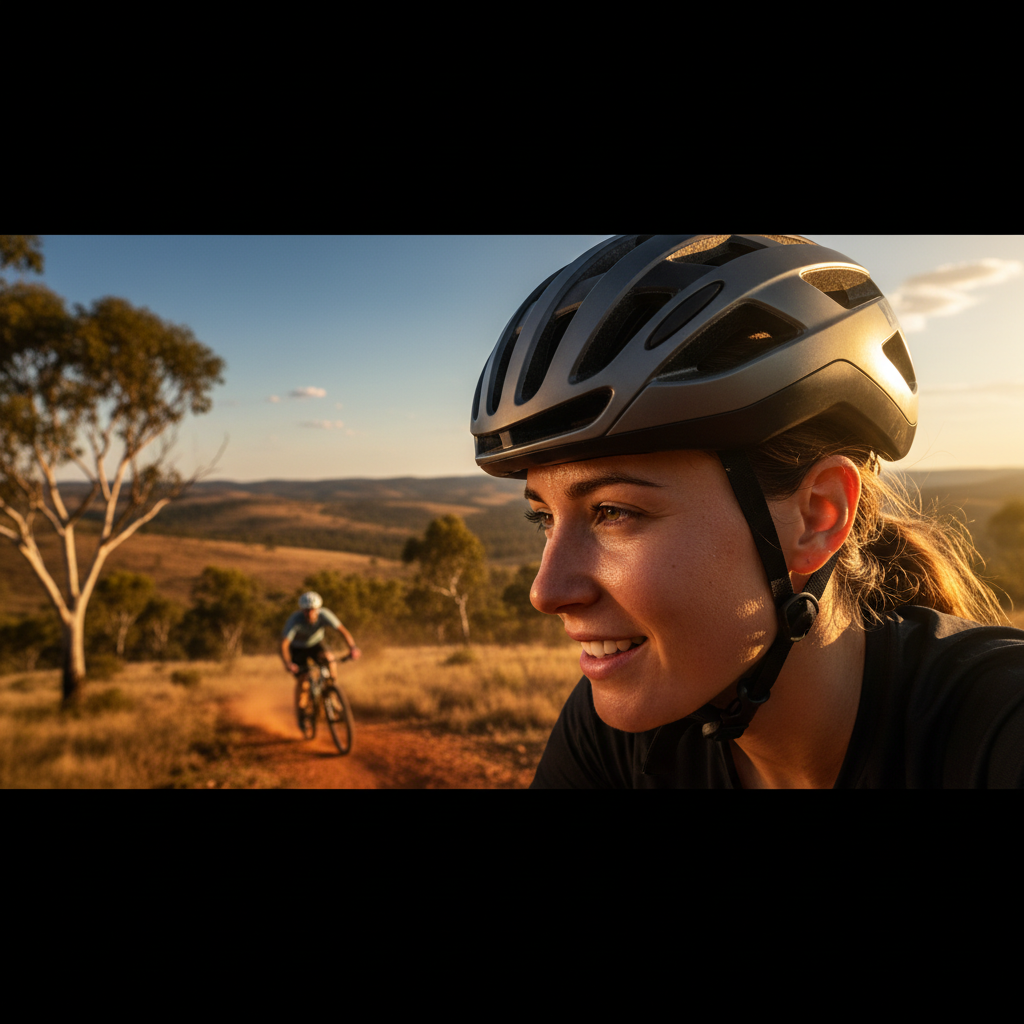
Sunburn in Winter? How Riders Still Cop It (And What To Do)
You're rugged up in your winter riding gear, the air is crisp, and you think you're safe from the sun's wrath. But then, you notice that tell-tale redness on your nose, ears, or neck. Sunburn in winter? In Australia? Absolutely. It’s a common trap for riders, and it's time we talk about why it happens and how to prevent it.
The Winter Sun Deception
It’s easy to underestimate the Australian sun, even outside of summer. Here's the hard truth:
UV Rays Don't Take a Break: Even when the temperature drops, ultraviolet (UV) radiation from the sun is still present. In Australia, the UV index can be high year-round, especially in northern parts of the country and at higher altitudes. Winter days can still feature a UV index of 3 or more, which is enough to cause skin damage over time.
Cooler Weather Fools Us: When it's cold, we tend to associate that with less sun. We don't feel the heat radiating off our skin as intensely. This psychological disconnect makes us less vigilant about sun protection. You might think, "It’s not hot, I’ll be fine." This is a dangerous assumption.
Longer Daylight Hours: Winter in Australia can still mean long days. Even if the sun isn't directly overhead at its strongest, its rays are still beating down for extended periods during your riding sessions.
Reflection is a Killer: Surfaces like sand, water, snow (yes, even in Australia if you're high country riding), and even light-coloured arenas or paddock fences can reflect UV rays, increasing your exposure. This means you're getting hit from above and from the sides.
The "Just A Quick Ride" Mentality: Winter often brings shorter riding windows due to other commitments or just the desire to get it done. This can lead to a "she’ll be right" attitude, skipping crucial sun protection steps because you're only out for an hour or two. Over time, these hours add up.
Where Riders Get Sunburnt (Hint: It's Not Just Your Face)
While your face is a prime target, your helmet, as essential as it is for safety, often leaves specific areas exposed. These are the usual suspects:
The Nose: A classic. The bridge of the nose often gets direct sun, especially when riding towards the sun or on bright, reflective days.
Ears: These stick out and often fall into the gaps left by helmet straps and the helmet itself. They are highly susceptible to burning.
Forehead (Upper Part): Depending on your helmet's brim angle and coverage, the very top of your forehead, above where most helmets sit, can be exposed.
Neck: Particularly the nape of your neck, where riding shirts might be lower cut or the helmet doesn't provide complete coverage. This area is also prone to sunburn from indirect light and reflection.
Hands: If you’re not wearing gloves, your hands are directly exposed for the entire ride. This is often overlooked but can lead to significant sun damage.
The Skin Damage Deal
Sunburn isn't just about a red, sore complexion. Repeated, unprotected sun exposure, even in winter, contributes to:
Premature Ageing: Wrinkles, sunspots, and leathery skin.
Increased Risk of Skin Cancer: This is the most serious consequence. Melanoma and other skin cancers are a significant risk for Australians.
Eye Damage: Prolonged UV exposure can contribute to cataracts and other eye conditions.
Your Winter Helmet Sun Protection Checklist
Don't let winter trick you into complacency. Here’s what you need to do:
[ ] Assess Your Helmet's Coverage: Does it have a decent brim? Does it adequately shade your face and neck?
[ ] Sunscreen is Non-Negotiable: Apply broad-spectrum SPF 30 or higher to all exposed skin before you ride. Don't forget ears, nose, neck, and hands.
[ ] Reapply When Necessary: If you’re out for extended periods or sweating (even in winter), factor in reapplication.
[ ] Consider Protective Gear: Think about long-sleeved riding shirts with UV protection, gloves, and sunglasses (which also protect your eyes).
[ ] Add Extra Brim Coverage: This is where practical solutions come in.
Objection Handling: But My Helmet Is Enough!
We hear it all the time: "My helmet has a brim, that's enough." Let's break this down.
Objection: "My helmet brim is designed to protect me."
Reality: Many equestrian helmets are designed with safety as the primary focus, and brim size and shape can vary wildly. They often offer minimal practical shade, especially from Australia’s harsh UV rays, and are not specifically designed for broad-spectrum sun protection. They might shade your eyes from direct glare but leave large areas of skin vulnerable.
Objection: "I only ride for a short time in winter."
Reality: As mentioned, even a short ride contributes to cumulative UV exposure. The Australian sun is potent. Those "short" rides add up over weeks and months, escalating your risk significantly. Plus, winter days can still have high UV, especially around midday.
Objection: "It's not that hot, so the sun can't hurt me."
Reality: UV radiation is separate from heat. You can get a sunburn on a cool, overcast day. Relying on temperature as your sun-safety guide is a flawed approach in Australia.
The Solution: Enhancing Your Helmet's Sun Protection
This is where simple, effective solutions make a world of difference. You need to extend the shade your helmet provides. Our innovative Products are designed precisely for this. They attach securely to your existing helmet, giving you that extra coverage where you need it most. They're lightweight, durable, and engineered to provide superior shade without compromising your safety or comfort on the horse.
How Our Helmet Brims Work:
They're designed to be easily How to Install and offer immediate, noticeable benefits:
1. Secure Attachment: They clip onto your helmet securely, meaning no fuss, no fiddling, and no risk of them coming off while you ride.
2. Extended Shade: They provide a wider, deeper brim that casts shade over areas your standard helmet misses – the bridge of your nose, your ears, and parts of your forehead and neck.
3. Durability: Made from tough materials, they withstand the demands of equestrian life.
Practical Steps to Stay Sun Safe This Winter
Don't wait until you’re peeling. Implement these steps now and make them a habit:
Step 1: Pre-Ride Sunscreen Application
Timing: Apply sunscreen at least 15-20 minutes before you head out to the stables or mount your horse. This allows it to properly absorb into the skin.
Coverage: Use a broad-spectrum SPF 30 or higher. Don't be stingy! Ensure you cover your face, ears (front and back), neck (front, sides, and nape), and any other exposed skin. If you're wearing a short-sleeved shirt, your arms are also at risk.
Type: Opt for a formula that’s sweat-resistant, especially if you’re in Queensland or WA, where winter can still feel warm, or if you know you sweat easily.
Step 2: Enhance Your Helmet Coverage
The Core Solution: Equip your helmet with an extended brim. This is the most effective way to combat the gaps left by standard helmets. Explore our range of Products designed to fit various helmet styles.
Installation: Follow our simple How to Install guide. It takes minutes and offers immediate protection.
Step 3: Additional Protective Measures
Clothing: Wear long-sleeved, lightweight riding tops, preferably with a UPF rating for extra defence. These are comfortable even in cooler weather and offer excellent coverage.
Gloves: If your hands aren't covered by your reins or gloves, apply sunscreen to them too, or wear riding gloves.
Eye Protection: While not directly related to skin sunburn, sunglasses with UV protection are vital for eye health. They can also offer a small amount of additional shade to the eye sockets.
Step 4: Post-Ride Check
Inspect: Even with precautions, do a quick visual check. Look in a mirror. Are there any areas that might have missed out?
Hydration & Skincare: Drink plenty of water and apply moisturiser. If you did get a little too much sun, after-sun lotion can help soothe.
Winter Riding Doesn't Mean Sun Risk-Free Riding
The Australian sun is a year-round concern for riders. Don't let the cooler temperatures lull you into a false sense of security. By understanding the risks, being vigilant with sunscreen, and investing in practical solutions like extended helmet brims, you can ensure your winter riding is as safe and enjoyable as it is comfortable. For more tips and common questions, check out our FAQ page.
Remember, protecting your skin is part of essential equestrian safety. Explore our Products and make sure you’re covered, whatever the season. For more insights into riding safety and gear, visit our Blog.