
Sunburn at the Crag: Why Climbers Still Burn (Even When It's Cool)
Think a cool day means no sunburn? Think again. Climbers are uniquely exposed, and even mild temperatures can lead to serious burn. Learn why and how to protect yourself with our no-nonsense guide.
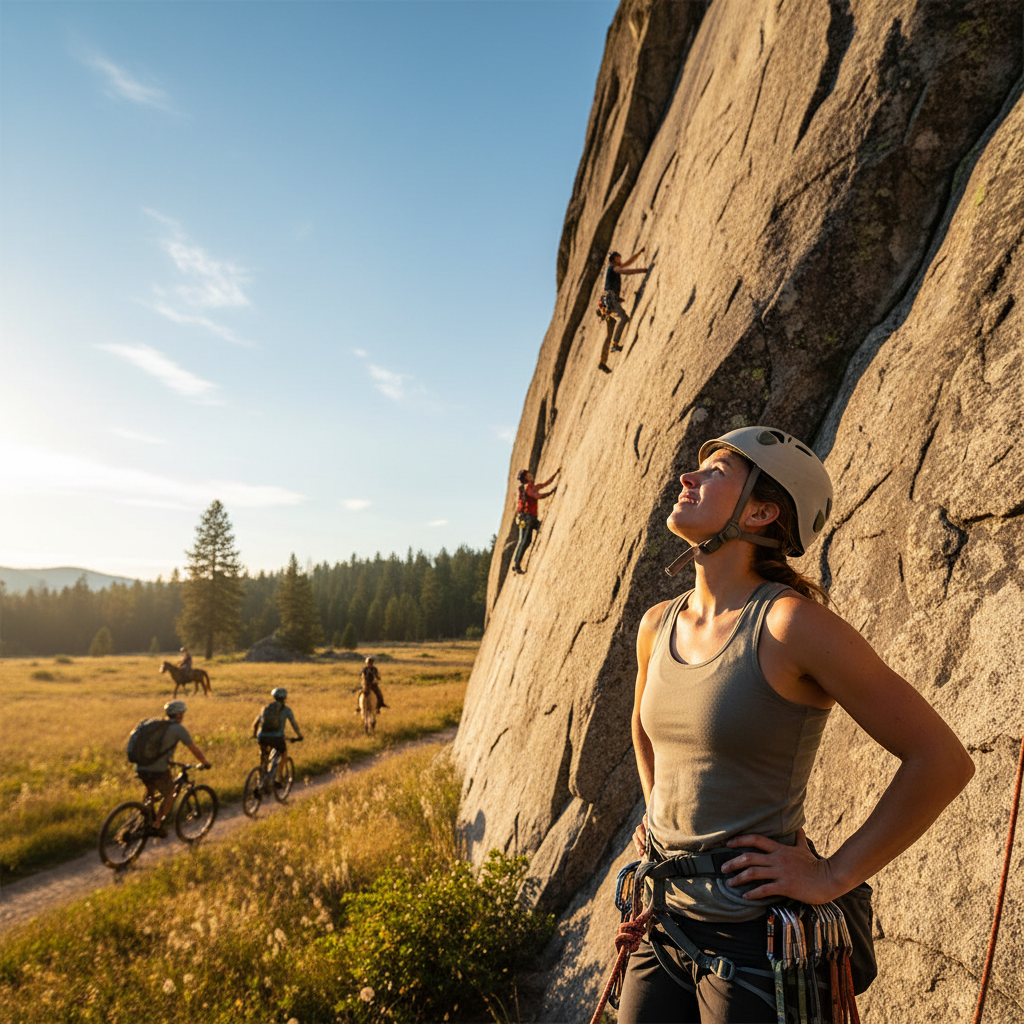
Sunburn at the Crag: Why Climbers Still Burn (Even When It's Cool)
Australian conditions are no joke. We know the sun can bake us on a scorching summer day. But what about those cooler, crisp mornings or overcast afternoons? You’re at the crag, focused on your next move, feeling the effort, but not necessarily the heat. Yet, come evening, you’re sporting a lobster-red burn. How is this even possible?
It’s a common misconception that you only burn when it’s hot. This is dangerous thinking, especially for climbers. Your activity at the crag puts you in a unique position for prolonged UV exposure, regardless of the air temperature. Let's break down the science and the practical realities.
The Invisible Enemy: UV Radiation
Sunburn isn't caused by heat; it's caused by ultraviolet (UV) radiation. UV radiation is part of the sun's energy, and it's present whether it feels hot or cold outside. Australia has notoriously high UV levels year-round, often exceeding what’s considered safe for prolonged exposure, even when the mercury isn't climbing.
Why Climbers Are Prime Targets:
1. Reflection: Rocks, particularly lighter coloured granite and sandstone, are excellent at reflecting UV rays. This means you’re getting direct sun and reflected sun, doubling your exposure. Think of it like being under a giant, UV-radiating magnifying glass.
2. Altitude: While not as extreme as mountaineering, climbing often takes place at higher elevations than the average beach or park, where the atmosphere is thinner and offers less protection against UV rays.
3. Exposure Time: Climbing is rarely a quick activity. You’re at the crag for hours, covering multiple pitches or boulder problems. This extended duration is key for UV damage to accumulate.
4. Sky Gaze: You’re constantly looking up. This exposes your face, neck, and the underside of your chin and ears to direct and reflected UV, areas often missed by standard sunscreen application or sun-protective clothing.
5. Breaks and Rests: Even when you're resting between climbs or belaying, you're still exposed. These seemingly passive moments contribute significantly to your total UV dose.
6. Helmet Blind Spots: Most climbing helmets, while essential for safety, offer minimal protection for your face and neck from overhead sun and reflections. This leaves significant areas vulnerable.
The Cool Day Delusion: Why Temperature is a Poor Indicator
Many people associate sunburn with feeling hot. While heat often accompanies high UV, it's not a prerequisite. On cooler days, you might feel more comfortable and less inclined to seek shade or apply as much sunscreen, ironically increasing your risk. You’re less likely to feel intensely hot, so you might think you’re safe. This is where the danger lies.
Consider an overcast day. Clouds can block some UV rays, but they also scatter them, and some can penetrate through. On a cool, partly cloudy day, you could still be exposed to significant UV radiation, especially if the clouds break for extended periods.
Understanding the UV Index:
In Australia, the UV Index is a critical measure. Levels of 3 and above are considered moderate, and protection is recommended. On most days, particularly between 10 am and 3 pm, the UV Index can easily reach 6 or higher, classified as 'high,' regardless of how cool the air feels. Higher numbers mean quicker burning. Don't rely on your skin temperature to gauge UV risk; check the UV forecast instead.
Addressing Common Objections
Let’s tackle some typical climber excuses for not prioritising sun protection:
“It’s not sunny, it’s overcast.” Clouds are not a foolproof sunblock. UV rays penetrate clouds, and scattered UV can actually increase exposure on certain days. Always assume the sun is a threat.
“I’ll only be out for an hour.” An hour of direct Australian sun, especially at the crag with reflective surfaces, is often enough to cause damage, particularly if you haven't reapplied protection. Cumulative exposure over multiple outings is also a major factor.
“My helmet protects me.” Your helmet protects your head from impacts. It doesn't protect your face, neck, ears, or even the sides of your head/temples from UV. It can actually create shade for your head but leave your face exposed.
“I have a base tan.” A tan is your skin’s response to UV damage. It offers minimal protection (roughly equivalent to SPF 4) and doesn't prevent future damage or increase cancer risk. There's no such thing as a ‘healthy’ tan from UV exposure.
“I’m wearing SPF 50, so I’m fine.” SPF 50 is good, but it's still not complete protection, and how you apply it matters. Many people don't apply enough, miss spots, or don't reapply frequently enough. And remember, SPF only measures protection against UVB, not UVA, which also contributes to aging and cancer. Broad-spectrum is key.
“I’m wearing a hat.” While a wide-brimmed hat is excellent for general sun protection, it can be cumbersome or dangerous when climbing with a helmet. You need solutions that integrate with your climbing gear.
Practical Sun Protection for Climbers
Sun protection isn't just about avoiding a temporary burn; it's about long-term skin health and reducing the risk of skin cancer, which is alarmingly common in Australia.
Essential Sun Protection Gear:
Your standard climbing gear isn't enough. You need to add specific sun-protective elements.
Broad-Spectrum Sunscreen: SPF 50+ is highly recommended for Australian conditions. Apply liberally and reapply every two hours, or more often if sweating heavily or getting wet.
Lip Balm with SPF: Your lips are vulnerable and often forgotten.
Sunglasses with UV Protection: Crucial for long approaches or rest days at the crag.
Protective Clothing: Long-sleeved, lightweight, UPF-rated tops are ideal for approaches and rest periods.
Headwear: A light cap or bucket hat for approaches can be stored once your helmet goes on.
Helmet Brim: This is where specialized gear comes in. A helmet brim designed for climbers can drastically increase your protection. It extends forward to shield your face and nose, and sides to protect your temples and ears, without interfering with your helmet's primary safety function.
Integrating Protection with Your Helmet:
For climbers, the challenge is finding protection that doesn't compromise safety or comfort. This is where accessories for your helmet become invaluable.
Consider a helmet brim like Da Brim. These are designed to attach securely to most standard climbing helmets using a patented system. They offer:
Extended Shade: Significantly shades your face, nose, and ears.
Reflected UV Blockage: Helps block UV rays bouncing off the rock.
Comfort: Designed to be lightweight and not add undue pressure or heat.
Safety First: Engineered not to interfere with the helmet's protective capabilities in an impact scenario.
You can learn more about how these work and how to install them at How to Install.
Your Sun-Safe Climbing Checklist:
Before you head to the crag, run through this quick checklist. Make it a habit.
[ ] Check the UV Index: Aim for 3 or below for reduced risk. If higher, increased protection is essential.
[ ] Apply Broad-Spectrum SPF 50+ Sunscreen: To all exposed skin, including ears, neck, and back of hands.
[ ] Apply Lip Balm with SPF: Don't forget your lips!
[ ] Wear UPF Clothing: Especially for approaches and extended periods in the sun.
[ ] Consider a Helmet Brim: An effective way to shade your face and neck while climbing.
[ ] Pack Sunglasses: For your eyes during downtime or approaches.
[ ] Hydrate: While not directly sun protection, dehydration exacerbates heat stress and can make you feel worse.
Step-by-Step Sunscreen Application (No Wrinkles Allowed)
Many people don’t apply enough sunscreen. Here’s how to do it right:
1. Choose the Right Product: Opt for a broad-spectrum SPF 50+ sunscreen. Look for water-resistant if you sweat a lot.
2. Apply Early: Apply sunscreen at least 15-20 minutes before going outside. This allows it to bind to your skin.
3. Be Generous: Don't be stingy. A good rule of thumb is about 1 ounce (a shot glass full) for your entire body. For your face, it's about a nickel-sized dollop. If you're only doing face and neck, estimate based on coverage.
4. Cover All Exposed Areas: This includes:
Face: Forehead, cheeks, nose, chin.
Ears: The tops and backs are often forgotten.
Neck: Front, back, and sides.
Lips: Use a lip balm with SPF.
Scalp: If you have thinning hair or bald spots.
* Back of Hands: These get tonnes of sun.
5. Don't Forget the Underside: If you're wearing sunglasses, still apply sunscreen under the frames where UV can sneak in.
6. Reapply: Reapply at least every two hours, and immediately after swimming, sweating heavily, or towel drying. This is critical for sustained protection.
7. Check Expiration Dates: Expired sunscreen loses its efficacy.
Product Recommendations (Integrated Solutions)
For climbers, adding sun protection that integrates with your primary safety gear is key. We offer solutions designed specifically for this challenge. You can explore our range of Products that include helmet brims and other accessories to enhance your safety and comfort in the Australian sun.
Further Information
For more detailed information on UV protection and safety, check out our FAQ section. And for more climbing-related tips and safety advice, visit our Blog.
Conclusion
Don't let a cool day lull you into a false sense of security. The Australian sun is a powerful force, and climbers are particularly vulnerable due to the reflective nature of rocks, prolonged exposure, and the limitations of standard helmets. By understanding the risks and implementing practical, integrated sun protection strategies, you can enjoy your time at the crag without sacrificing your skin's health. Invest in your safety and well-being – it’s as important as your climbing shoes and harness.