
Sunbrims vs. DIY Helmet Brims: Why the Real Deal Wins in the Aussie Sun
Don't risk your skin. Compare dedicated sunbrims with DIY solutions for your helmet. Understand the practical pros and cons for Australian conditions.
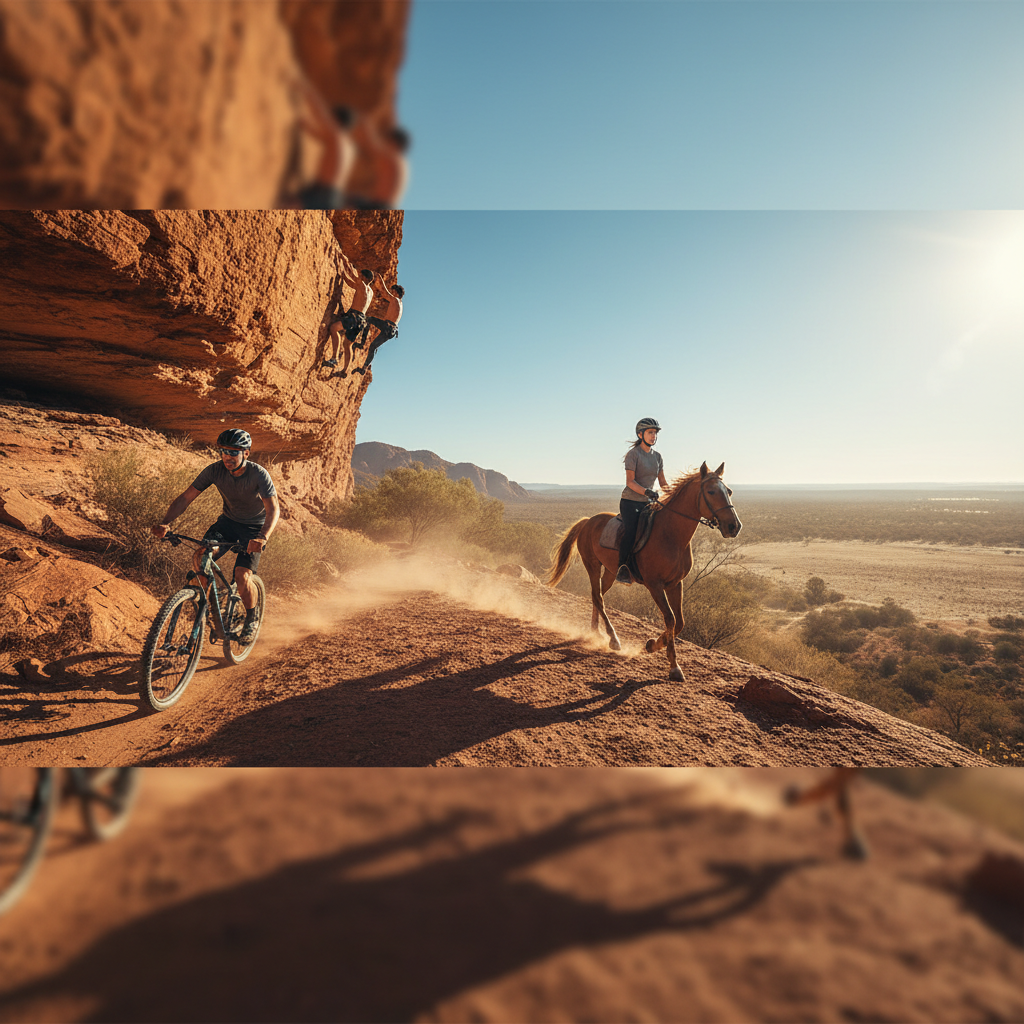
Sunbrims vs. DIY Helmet Brims: Why the Real Deal Wins in the Aussie Sun
Australia. We love it for its sunshine, its wide-open spaces, and its outdoor lifestyle. But as any Aussie who's spent a decent amount of time under our harsh sun knows, it comes with a serious caveat: UV radiation. Whether you're on a construction site, riding your bike, or out for a hike, protecting your skin from the sun is non-negotiable. Helmets are essential safety gear, but often leave your face, neck, and ears exposed.
You might be thinking, "I can rig something up myself to add a brim to my helmet." It's a tempting thought, especially when you're looking at the cost of purpose-built accessories. But let's talk practicalities. We're going to break down why a dedicated sunbrim is a far superior choice for shielding yourself from the unforgiving Australian sun compared to any DIY attempt.
The Harsh Reality of the Australian Sun
It’s not just a bit of sunshine here. Our UV index can regularly hit extreme levels, especially during summer. Long days spent outdoors mean prolonged exposure. We're not talking about a quick dash to the shops; we're talking about hours under that beating sun. Without adequate protection, you're looking at:
Sunburn: Painful, damaging, and a precursor to bigger problems.
Premature Aging: Wrinkles, sunspots – nobody wants those.
Heatstroke & Dehydration: Direct sun on your head and face exacerbates these risks.
Eye Strain and Damage: Glare can be blinding and long-term UV exposure harms your eyes.
Increased Skin Cancer Risk: The most serious consequence of unprotected sun exposure.
Your helmet protects your head, but it doesn't do much for your face. That's where a brim comes in. But not just any brim.
DIY Helmet Brims: The Temptation and The Truth
The idea of a DIY solution is often driven by cost-saving or a belief you can 'make do'. You might consider:
Cutting up a plastic container: Seems cheap and easy.
Using cardboard and tape: Definitely cheap.
Attaching a piece of fabric: Maybe a bandana or a spare cloth.
Let's look at why these are, frankly, rubbish ideas when it comes to effective sun protection under Australian conditions.
The Downsides of DIY
1. Ineffective Coverage: Homemade brims are rarely shaped correctly. They might offer a sliver of shade, but they won't consistently block UV rays from hitting your cheeks, nose, ears, or the back of your neck as the sun moves throughout the day or as you move your head.
2. Poor Fit and Security: How are you going to attach it? Tape? String? Zip ties? These methods are unreliable. A poorly attached brim can fall off, get snagged on things, or constantly need readjusting. This is a huge distraction and a safety hazard, especially if you're operating machinery or riding.
3. Lack of Durability: Cardboard gets soggy, plastic cracks, tape loses its stick. Australian conditions – heat, sweat, dust, rain (yes, it happens!) – will quickly degrade your makeshift solution. It won't last.
4. Material Limitations: What are you making it from? A plastic container might be rigid but potentially sharp if it breaks. Cardboard offers no protection from moisture and degrades quickly. Fabric might block some light but offers minimal UV protection and can get waterlogged.
5. Discomfort and Heat Buildup: A DIY concoction might not be designed to allow airflow. You could end up trapping heat, making your head even hotter, which is the last thing you want in the Aussie heat.
6. Aesthetics (and Professionalism): Let's be blunt: a DIY brim often looks unprofessional and slapped-together. If you're working on a site, this can matter.
7. Compromised Helmet Integrity: Any modification you make to a safety-certified helmet can potentially compromise its structural integrity or its ability to meet safety standards. This is a serious risk.
Purpose-Built Sunbrims: The Smart Investment
Now, let's look at what a dedicated sunbrim, like the ones you can find in our Products range, brings to the table.
The Advantages of a Dedicated Sunbrim
1. Optimised Design for Maximum Coverage: These brims are engineered with sun protection in mind. They are shaped to cast the widest possible shadow over your face, ears, and neck, adapting to the angle of the sun. They are designed to block glare and direct UV rays effectively.
2. Secure and Reliable Attachment: They are designed to fit specific helmet types and attach via robust, tested methods. Installation is usually straightforward – check out our guide on How to Install. They stay put, no matter how much you move.
3. Durable and Weather-Resistant Materials: Built tough for tough conditions. They are made from UV-resistant plastics or other materials that can withstand heat, sun, dust, and moisture without degrading. They are designed to last season after season.
4. Comfort and Ventilation: Many purpose-built brims are designed to work with your helmet's ventilation system. They allow air to flow, reducing heat buildup and keeping you cooler and more comfortable for longer.
5. Professional Appearance: They look good. They integrate seamlessly with your helmet, presenting a professional and prepared image.
6. No Compromise to Helmet Safety: They are designed as accessories, not modifications that affect the helmet's primary safety functions. They attach to the exterior without altering the helmet's structure.
Sunbrim vs. DIY: A Quick Comparison
| Feature | DIY Helmet Brim | Purpose-Built Sunbrim (e.g., DA BRIM) |
|---|---|---|
| UV Protection | Minimal, inconsistent, depends on materials | Engineered for maximum coverage, tested materials |
| Coverage Area | Patchy, unpredictable, shifts with movement | Wide, consistent, covers face, ears, neck |
| Attachment Security | Flimsy (tape, string), prone to detachment | Robust, reliable, designed for helmet |
| Durability | Low; degrades with heat, moisture, UV exposure | High; UV-resistant, weather-proof materials |
| Comfort | Often poor; can trap heat, get in the way | Designed for airflow, reduces heat buildup |
| Safety (Helmet) | Potential to compromise helmet integrity | Designed as an accessory; no compromise |
| Professionalism | Low; looks makeshift | High; integrated, professional appearance |
| Cost | Seemingly low initial cost, high replacement cost | Higher initial cost, long-term value |
When Every Second Counts: Make the Smart Choice
Think about the Australian sun. It doesn't mess around. You're out there working, playing, or travelling, and your primary focus should be on the task at hand, not whether your makeshift sun protection is going to fall off or if it's actually doing its job.
Your Sun Protection Checklist
Does it offer full face, ear, and neck coverage? (DIY: Likely no. Purpose-built: Yes.)
Is it securely attached and won't detach during activity? (DIY: Unlikely. Purpose-built: Yes.)
Is it made from UV-resistant, durable materials built for Australian conditions? (DIY: No. Purpose-built: Yes.)
Does it interfere with helmet ventilation or safety? (DIY: Potentially. Purpose-built: No.)
- Will it last longer than a few uses or a single downpour? (DIY: No. Purpose-built: Yes.)
If you're ticking off your requirements, it becomes clear very quickly where your money and effort are best spent.
Thinking About Installation?
Worried about how complicated attaching a proper brim might be? Don't be. We've made it incredibly simple. Our How to Install page breaks down the process step-by-step. It’s designed to be quick, easy, and secure, so you can get back to what you’re doing with confidence.
Quick Installation Steps (General Guide):
1. Clean Your Helmet: Ensure the rim where the brim will attach is clean and dry.
2. Identify Attachment Points: Most purpose-built brims have specific clips or bands designed to grip your helmet rim.
3. Position the Brim: Align the brim with the front of your helmet, ensuring it's centred.
4. Secure the Attachment: Fasten any clips, straps, or bands according to the product's instructions. Often, this involves pressing down firmly until you hear a click or the band is taut.
5. Test the Fit: Gently pull on the brim to ensure it's firmly attached and won't move.
It's that straightforward. You get a fitted, secure, and effective sun solution in minutes.
Don't Risk It: Invest in Real Protection
Our Australian sun demands respect. When it comes to protecting your skin, your eyes, and your long-term health, making do with a DIY solution is a false economy. The risks far outweigh any perceived savings.
For genuine, reliable, and comfortable sun protection that integrates seamlessly with your safety helmet, explore our range of Products. Don't leave your face to chance. Invest in a purpose-built sunbrim and enjoy the outdoors safely. For more information or to answer any specific questions you might have, our FAQ page is a great resource, or browse our Blog for more practical tips.
Your skin will thank you for it.