
Sun Smarts: Road vs. Gravel Cycling and Your Helmet
Sun exposure isn't a one-size-fits-all for cyclists. Understand the unique sun risks for road and gravel riding and how your helmet brim plays a crucial role.
Sun Smarts: Road vs. Gravel Cycling and Your Helmet
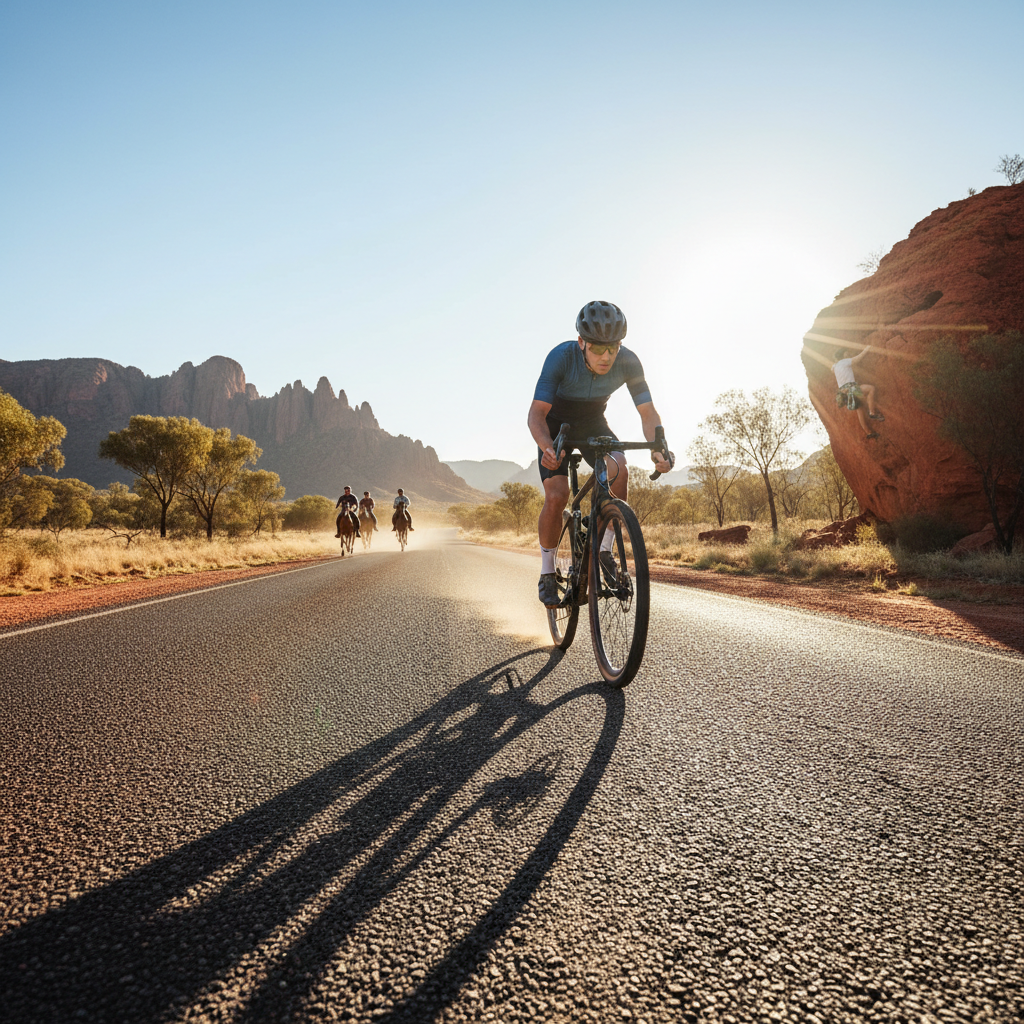
Australia. We love it for its open roads, its rugged trails, and the freedom of two wheels. But with that freedom comes constant sun exposure. Whether you're pounding asphalt or kicking up dust on a gravel track, the sun is your ever-present companion. And while your helmet is for impact protection, it's also a vital piece of your sun-safety arsenal. Let's cut through the fluff: how does the type of cycling – road versus gravel – actually change your sun exposure, and what does that mean for your helmet and your skin?
This isn't about scaremongering; it's about practical, no-nonsense advice for Australian conditions. We've got high UV indices, scorching heat, and days that stretch long into the evening. Ignoring sun exposure is a rookie mistake.
The Great Sun Exposure Divide: Road vs. Gravel
At first glance, you might think sun exposure is the same for all cyclists. Strap on a helmet, slap on the sunscreen, and you're good to go, right? Not entirely. While the sun's rays are constant, the way you interact with them differs significantly between road and gravel cycling.
Road Cycling: The Open Sun
Road cycling often means longer stretches of open, exposed terrain. Think rolling hills, flat plains, and wide-open country roads with minimal tree cover. You're also usually travelling at higher speeds, which can give a misleading sense of cooling. The reality?
Uninterrupted Exposure: For extended periods, your face and neck are directly exposed to the sun. There's less chance of shade from trees or buildings.
Higher Speeds, Higher Risk: While the wind can feel cool, it can also dry out your skin, making you think you're not getting as much sun as you are. High speeds can also mean you're covering more ground and thus, more exposed territory.
Reflective Surfaces: Roads themselves, especially on hot days, can reflect sunlight upwards, adding to the overall UV load.
Concentrated UV: Sunscreen can be sweated off, especially during intense efforts on warm days. Reapplication is key, but often forgotten.
Gravel Cycling: The Shifting Landscape
Gravel cycling offers a different challenge. While you might find yourself on less-travelled paths, often through bushland, forests, or farmland, the sun exposure isn't necessarily less. It's just... different.
Intermittent Shade: You'll get periods of shade from trees, hills, or even passing clouds. This can lead to a false sense of security, where you might forget to reapply sunscreen because you were just in the shade.
Lower Speeds, Slower Exposure (Sometimes): While gravel riding can involve bursts of speed, it's often at a slightly lower average speed than road riding. This can mean less wind chill, but it also means more time spent in direct sun during open sections.
Dust and Dryness: The dusty conditions of gravel riding can dry out your skin rapidly, again masking the true extent of sun exposure.
Unexpected Openings: You might be cycling through dense bush for an hour, only to emerge onto a wide-open, sun-baked plain for the next. This rapid shift in exposure can catch you out.
Your Helmet: More Than Just Protection
Your helmet is your primary defence against physical impact. But we're talking about sun safety here. The structure of your helmet, especially the brim, is a critical, often overlooked, component of sun protection. For cyclists, especially in Australia, a helmet brim is non-negotiable for face and eye protection.
The Crucial Role of the Brim
Think about it: when the sun is high, it beats down on you. When it's low in the sky, it glares directly at you. That brim is your personal, portable awning.
Face Shield: It casts a shadow over your face, protecting your forehead, nose, and cheeks from direct UV radiation. This is where most skin cancers and premature ageing occur.
Eye Protection: It reduces glare, making it easier and safer to see the road or trail ahead, and protecting your eyes from UV damage.
Neck Protection: Depending on the helmet and brim design, it can offer some shade for the back of your neck, an area often forgotten.
Helmet Types and Sun Exposure
Not all helmets are created equal when it comes to sun protection features. Traditional road helmets often have smaller, more aerodynamic brims, or sometimes none at all. This is where adapting your gear becomes important. Many modern helmets designed for trail, mountain bike, or gravel riding incorporate larger, more pronounced brims specifically for increased sun and debris protection.
If your current helmet is lacking in the brim department, it's worth considering an upgrade or an accessory. The UV index in Australia can be extreme, and even short rides can lead to significant sun damage if you're not protected.
Practical Sun Safety for Every Ride
Regardless of whether you're on the bitumen or the gravel, consistent sun safety practices are paramount. Here's what you need to focus on:
The Non-Negotiables Checklist:
Sunscreen (SPF 30 or higher): Apply liberally to all exposed skin at least 20 minutes before riding. Don't forget your ears, neck, and the back of your hands.
Reapplication: Sweat, dust, and time all reduce sunscreen effectiveness. Reapply every two hours, or more frequently if you're sweating heavily or after swimming.
Sunglasses: Essential for both road and gravel. Choose UV-blocking lenses. They protect your eyes from UV damage and reduce glare, improving visibility.
Protective Clothing: While helmets protect your head, consider UPF rated long-sleeved jerseys and cycling knicks. Even on hot days, light-coloured, breathable long sleeves can be more effective than bare skin.
Hydration: Dehydration can mimic the symptoms of sunstroke and heat exhaustion. Drink plenty of water before, during, and after your ride.
Timing: Avoid riding during the peak UV hours (usually between 10 am and 3 pm in Australia) whenever possible. Early mornings and late afternoons are your friends.
The Power of the Brim: Adding UV Protection
This is where your helmet brim truly shines. If you're finding your current helmet doesn't offer enough facial shade, look for solutions. Many cyclists opt for helmets with integrated brims. Others use clip-on accessories designed to extend the shade provided by their existing helmet.
We've developed our Products to address this directly. A well-designed brim can dramatically reduce the amount of UV hitting your face, even during long, exposed rides. Consider how much of your face – especially your nose and cheeks – is exposed when you're looking down at your handlebars. This is prime real estate for sun damage.
---.
Step-by-Step: Optimising Your Ride for Sun Safety
1. Pre-Ride Check: Before you even touch your bike, assess the UV index and temperature for your planned ride. Check the Bureau of Meteorology or relevant weather apps. Make a plan based on this information.
2. Gear Up: Don your sunscreen application. Ensure your helmet is securely fitted – a loose helmet won't protect effectively and can shift, leaving areas exposed. Consider our How to Install guide to ensure optimal positioning.
3. Hydrate: Drink a glass of water. Fill your water bottles.
4. On the Road/Trail: Ride smart. Be aware of sun exposure changes, especially when transitioning between shaded and open areas. Don't rely solely on the perceived cooling effect of wind.
5. Mid-Ride Check: Set a reminder on your watch or phone to reapply sunscreen every two hours. Drink water. Take short breaks in shaded areas if available to cool down and rehydrate.
6. Post-Ride: Continue hydrating. Check your skin for any signs of sunburn. Apply moisturiser. Review your sun protection strategy for next time.
---.
Common Objections and How to Handle Them
Objection 1: "It's too hot to wear long sleeves/a helmet with a big brim."
Response: Modern cycling apparel and helmets are designed with breathability in mind. Light-coloured, UPF rated fabrics wick sweat and allow air circulation. A good helmet brim protects your face, which is often more susceptible to burns than your arms. Prioritise sun protection over perceived heat discomfort – sunburn and long-term skin damage are far worse.
Objection 2: "I'll just put on extra sunscreen."
Response: Sunscreen is essential, but it's not infallible. It can be sweated off, missed in application, and its effectiveness decreases over time. A helmet brim provides a physical barrier that doesn't degrade. It's a passive, reliable layer of defence that complements sunscreen, not replaces it.
Objection 3: "Gravel is through trees, so sun isn't a big issue."
Response: This is where the intermittent nature of shade can be deceptive. You'll spend significant time in direct sun between shaded sections. Moreover, UV rays can penetrate light tree cover, and you're often exposed to reflected UV from the ground and surrounding surfaces.
Objection 4: "Road cycling is fast, the wind cools me down, so I don't burn."
Response:* Wind chill can be misleading. You can be getting a significant UV dose even if you feel cool. Higher speeds mean you might be covering more exposed terrain faster. Sunscreen gets sweated off, and consistent exposure builds up damage over time.
Making the Smart Choice
Whether you're a road warrior or a gravel grinder, your sun exposure risks are real, especially under the Australian sun. Your helmet isn't just for crashes; it's a critical part of your sun-safety kit. Understanding the nuances of each discipline and optimising your gear – particularly with a reliable helmet brim – is key to enjoying your rides safely and protecting your skin for the long haul.
Don't wait for the burn. Check out our Products for solutions that offer superior sun protection on all your cycling adventures. Need more info? Our FAQ section has answers to common questions. For more cycling tips and updates, visit our Blog.
Stay safe, ride on.