
Sun Smart Climbing: Protecting Your Head & Face in Australian Conditions
Climbing in Australia means facing intense sun and heat. This guide covers helmet safety, essential accessories, and practical tips to stay sun smart, reduce glare, and enhance your climbing experience.
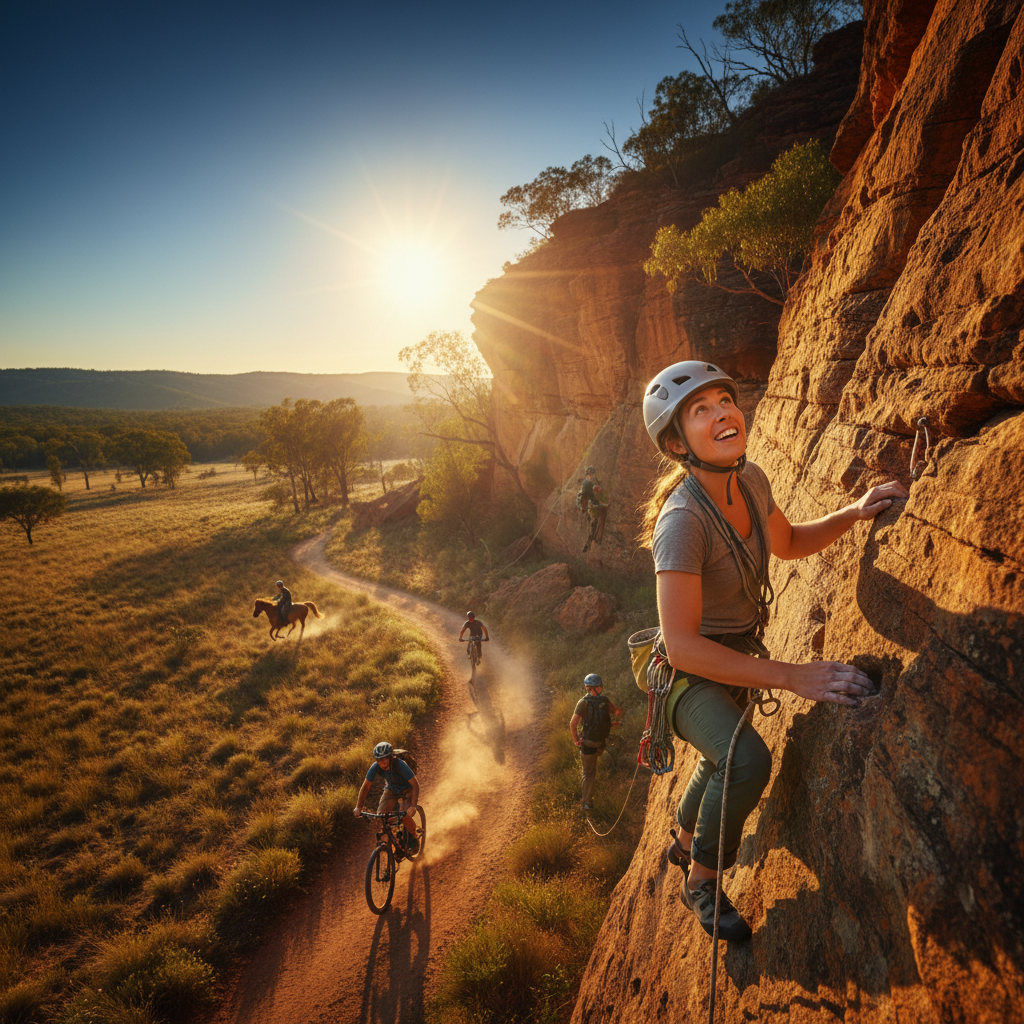
Sun Smart Climbing: Protecting Your Head & Face in Australian Conditions
Heading outdoors to scale some rock in Australia? Brilliant. But let's talk sun. We all know our sun is harsh, and for climbers, this means not just dealing with UV rays but also glare, heat, and long days spent under that relentless Aussie sky. Your helmet is crucial for safety, but is it doing enough to protect your face, neck, and eyes from sun damage?
This isn't about fashion; it's about practical, no-nonsense protection that integrates seamlessly with your climbing setup. We're cutting through the fluff to give you actionable advice on maximising your helmet's sun-protective capabilities, especially when you're out there chasing that next hold under an Australian UV index that can rocket into the danger zone.
The Helmet: Your First Line of Defence (But Not the Only One)
Your climbing helmet is designed to protect you from falling objects, impacts, and bumps. That's non-negotiable. But think about the parts of you it doesn't cover. Your face, ears, and neck are exposed. In Australia, spending hours on a sun-facing wall means significant UV exposure to these areas. This leads to sunburn, premature aging, and increased risk of skin cancer. Not to mention the immediate discomfort of glare, which can impair your vision and compromise safety.
Many modern climbing helmets offer some basic coverage, but often, it's not enough for prolonged exposure. That's where smart accessories come in. We're talking about adding functionality without adding bulk or compromising your helmet's primary safety features.
Beyond the Basic Helmet: Essential Sun Protection Accessories
Let's get practical. You're at the crag. The sun is high. What can you add to your existing helmet setup to make a real difference?
The Helmet Brim: Extending Your Shade
This is the most direct way to add significant sun and glare protection to your helmet. A well-designed helmet brim attaches securely to your existing helmet, extending further forward and/or sideways to shade your face, eyes, and the front of your neck. The key here is design and materials.
Coverage: You need a brim that's wide and long enough to cast a substantial shadow. Think about how the sun moves throughout the day. A brim that offers good coverage from morning light and the harsh midday sun is essential.
Durability: Australian conditions can be rough. Your brim needs to be made from tough, weather-resistant materials. It shouldn't crack, fade, or become brittle easily.
Attachment: This is critical for safety. Any accessory attached to your helmet must not compromise the helmet's structural integrity or its ability to protect you in a fall. Look for secure, non-invasive attachment systems. We've developed our Products with this in mind, ensuring a snug fit that doesn't require permanent modification to your helmet.
Glare Reduction: Beyond just blocking direct sunlight, a good brim can significantly cut down on ambient glare bouncing off rock faces, increasing your visual comfort and ability to focus.
Sun-Reactive Sunglasses or Goggles
While a brim offers passive shade, you still need to protect your eyes from UV and glare. Standard sunglasses can work, but for changing light conditions, sun-reactive (photochromic) lenses are a game-changer.
Adaptability: These lenses darken automatically in bright sunlight and become clear in low light. This means you can keep them on from the approach, through the climb (even if you enter shaded sections), and back down.
UV Protection: Ensure your lenses offer 100% UVA and UVB protection. This is not an optional extra.
Fit and Comfort: They need to fit comfortably under your helmet without creating pressure points or slipping. A secure strap is also vital.
Neck Gaiter or Buff
Don't underestimate the back of your neck. It's a prime spot for sunburn, especially when you're looking up for extended periods. A lightweight, breathable neck gaiter or buff provides excellent protection.
Material: Opt for UPF-rated fabric. These are designed to block UV rays effectively.
Breathability: You don't want to overheat. Breathable fabrics will wick away sweat and keep you cooler.
Versatility: A buff can be worn in multiple ways – around your neck, pulled up over your ears, or even as a headband.
Practical Application: Gear Up for the Australian Sun
Let's put this into a simple checklist for your next climbing trip. Remember, preparedness is key. Don't wait until you're at the crag to realise you're underprepared. Visit our Products page to see options for enhanced sun protection.
Sun Protection Checklist for Climbers
[ ] Helmet: Certified for climbing, in good condition.
[ ] Helmet Brim Attachment: Secure, wide coverage, compatible with your helmet. (Check out our Products options).
[ ] Sun-Reactive Sunglasses/Goggles: 100% UV protection, comfortable fit.
[ ] Neck Gaiter/Buff: UPF-rated, breathable fabric.
[ ] High SPF Sunscreen: For any exposed skin not covered by brim/clothing.
[ ] Lip Balm with SPF: Don't forget your lips.
[ ] Water: Hydration is crucial in the heat and sun.
Integrating Accessories: How to Install and Use
Attaching accessories shouldn't be complicated or compromise your safety. For our specific helmet brim products, we’ve made installation straightforward. That’s why we have a dedicated guide on How to Install. The general principle is a secure, no-fuss attachment.
General Steps for Accessory Integration:
1. Read Instructions: Always read the manufacturer's instructions for your helmet and any accessories. If you're using our Da Brim, our How to Install page walks you through it.
2. Check Helmet Compatibility: Ensure your helmet is designed to accept accessories. Most modern climbing helmets have attachment points or profiles that accommodate add-ons.
3. Secure Fastening: For a brim, this usually involves clips, straps, or a combination that fits snugly around the helmet's edge or suspension system. You want it to feel solid and not shift during activity.
4. Test Fit: Put your helmet on with the accessory attached. Move your head around. Does it stay put? Does it create any points of pressure or discomfort? Is there any interference with helmet ventilation?
5. Vision Check: With the brim attached, check your peripheral vision. A good design shouldn't significantly obstruct your sightlines.
6. Regular Checks: Before each climb, quickly ensure the accessory is still securely attached.
Addressing Common Objections
We often hear a few common concerns when discussing helmet accessories for climbing. Let's tackle them head-on.
Objection 1: "Will it make my helmet less safe?"
Our Response: This is the most important concern. Any accessory should be designed and tested not to compromise your helmet's safety rating or performance. Our Products, including the Da Brim, are engineered with this in mind. They attach securely without altering the helmet's core structure. Always choose accessories from reputable sources that understand climbing safety requirements. If you have specific concerns about your helmet model, our FAQ page might have more information, or you can contact us.
Objection 2: "Won't it be too hot and sweaty?"
Our Response: This is where material choice and design are crucial. Lightweight, breathable materials are key. A good helmet brim, like those we offer, is designed to integrate with your helmet's ventilation system rather than block it. The additional shade can actually make you feel cooler by reducing direct solar radiation on your head. For neck protection, UPF-rated, moisture-wicking fabrics, like those in our neck gaiters, are essential for comfort.
Objection 3: "It looks bulky/unnecessary/not like a 'real' climbing helmet."
Our Response: Functionality trumps traditional aesthetics when it comes to sun protection in harsh Australian conditions. The briefest exposure to our unforgiving sun can cause damage. Practicality and long-term health benefits are the priority. If you're spending long days on sun-facing rock, the added comfort and protection are invaluable. We focus on practical solutions that enhance your climbing experience and safety, not just adherence to a certain look. Check out the latest advancements in our Products.
Objection 4: "It will fall off or get knocked off on routes."
Our Response: Secure attachment is paramount. Our attachment systems are designed for robust use. We recommend following the How to Install guide meticulously. For any climbing accessory, a periodic check during rests or transitions is good practice. If an accessory feels loose at any point, it needs to be re-secured before you continue climbing.
Australian Conditions: A Specific Challenge
Australia's solar radiation levels are among the highest in the world. This isn't just about temperature; it's about UV intensity. Spending hours exposed, even on a mild day, can lead to significant UV damage.
UV Index: When the UV index is 3 or above, protection is recommended. In many parts of Australia, it routinely hits 10, 11, or even higher during peak daylight hours, especially from September to March.
Long Days: Climbing days in Australia can be long. The sun is your constant companion for extended periods.
Heat: High temperatures exacerbate the effects of sun exposure and the need for comfortable, breathable gear.
Glare: The bright, often cloudless skies combined with reflective rock surfaces create intense glare. This isn't just annoying; it can make spotting holds harder and affect your reaction time. A good helmet brim is a highly effective glare shield.
When is a Helmet Brim Most Beneficial?
Approaching routes on exposed trails.
Belaying in direct sun for extended periods.
Climbing sun-facing aspects on hot, clear days.
Multi-pitch climbs where you're exposed for hours.
Anytime you plan on being outdoors for more than 30 minutes during peak sun hours (roughly 10 am to 3 pm).
Long-Term Health and Enjoyment
Investing in sun protection for your head and face isn't just about immediate comfort; it's about safeguarding your long-term health. Skin cancer is a significant concern, and UV damage accumulates over time. By being proactive, you're reducing your risk. Furthermore, being comfortable and free from the distraction of glare means you can focus better on your climbing, leading to a more enjoyable and safer experience.
Don't let the sun dictate the terms of your climbing adventures. Be prepared, be smart, and stay protected. Explore our range of practical accessories on our Products page and check out our FAQ for more information. For more general climbing tips, head over to our Blog.
Climbing is demanding enough without battling the harsh Australian sun. Equip yourself with the right tools and techniques to enjoy every pitch safely and comfortably.