
Sun Smart Climbing: Desert vs. Alpine & Why Your Helmet Needs a Brim
Climbing in Australia means battling the sun. Whether you're sweating it out on desert sandstone or braving alpine chills, sun exposure is a serious risk. Learn how to stay protected.
Sun Smart Climbing: Desert vs. Alpine & Why Your Helmet Needs a Brim
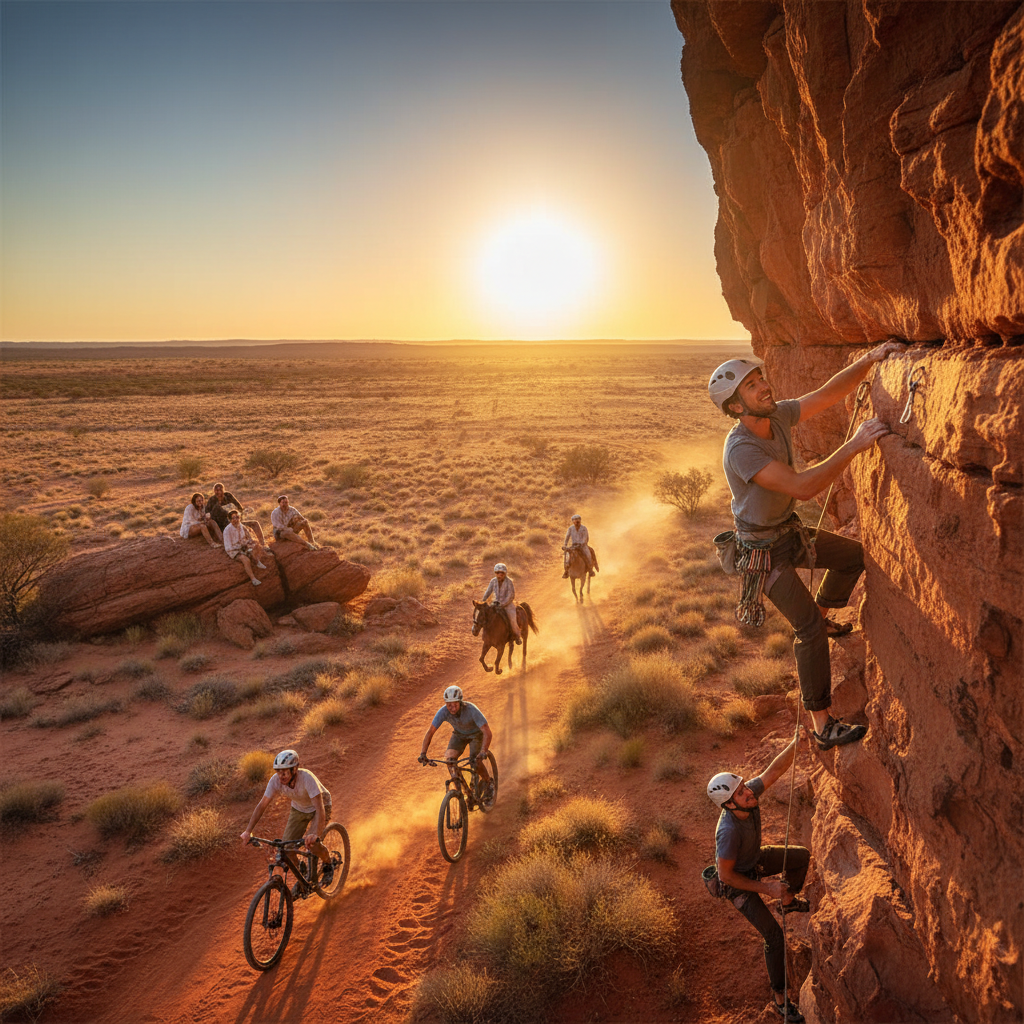
Climbing in Australia. It’s the dream for many. Vast, rugged landscapes, epic routes, and… relentless sun. Whether you’re sweating it out on a scorching desert sandstone wall or feeling the chill on a high alpine ridge, sun exposure is a serious and often underestimated risk for climbers. Many focus on the UV index for beach days, but what about those long days cragging or mountaineering? The truth is, climbing anywhere in Australia demands a robust sun-protection strategy, and your helmet is your first line of defence.
This isn't about fairy tales of perfect shade. This is about practical, no-BS advice for staying safe and healthy so you can keep climbing. We'll break down the unique challenges of sun exposure in Australia’s iconic climbing environments – the desert vs. the alpine – and explain why a simple addition to your helmet could be a game-changer.
The Sun: Your Constant Uninvited Climbing Partner
Australia is known for its high UV radiation. Even on cloudy days, UV rays can penetrate. When you’re out climbing, you’re often exposed for extended periods, at altitude, and the sun’s rays are amplified by reflection off rock and snow. This isn't just about getting a tan or a mild sunburn; prolonged and unprotected exposure can lead to:
Heatstroke and Heat Exhaustion: Especially critical in desert environments, but can occur anywhere in hot Australian conditions.
Dehydration: Aggravated by heat and direct sun.
Sunburn: Painful, damaging, and increases your risk of skin cancer.
Eye Damage: Cataracts and other long-term vision problems.
Skin Cancer: The most serious long-term consequence.
Most climbers think about sunscreen and hats. Great. Essential. But what about when you’re wearing your climbing helmet? A helmet is mandatory for safety, but its sun-blocking capabilities are often non-existent.
Desert Climbing: The Inferno Edition
Australian desert climbing is iconic. Think Flinders Ranges, Murchison Gorge, or the remote sandstone towers of the Outback. These environments present a unique set of solar challenges:
Intense Heat: Temperatures can soar well above 40°C. Sweat evaporates quickly, but your body can still overheat.
Direct, Unfiltered Sun: Long, open approaches and climbs mean minimal natural shade. The rock itself soars in temperature.
Reflective Surfaces: Sand, dry earth, and pale rock can reflect intense sunlight back up at you.
Long Days: Australian summer days are long, stretching your exposure time.
When you’re focused on a difficult desert climb, the last thing you want is sweat dripping into your eyes, stinging, and obscuring your vision. A helmet often offers little respite, with the sun beating down directly on your face, or your helmet’s peak (if it has one) being too small or positioned poorly. The temptation is to keep your lid off for a bit of relief on the approach or descent, but this is precisely when a lot of sun damage occurs. Wearing your helmet consistently is key, and that’s where effective sun protection integrated with your helmet becomes vital.
Alpine Climbing: The High-Altitude Sun Trap
Australia might not have the Himalayas, but our alpine regions (like Kosciuszko National Park or parts of Tasmania) present their own formidable solar challenges:
Higher UV Index: At higher elevations, the atmosphere is thinner, offering less protection from UV rays. Even on a cool day, the UV can be brutal.
Snow and Ice Reflection: If you're climbing in alpine conditions with snow or ice, the reflection factor is immense, significantly increasing your UV exposure.
Cool Air Deception: The cooler air can trick you into thinking the sun isn’t that strong. You can get a severe sunburn and suffer heatstroke without realising how much damage is being done until it's too late.
Longer Days & Exposure: Alpine ascents can be gruelling, multi-hour endeavours where you are consistently exposed to the elements.
In the alpine, hydration is still critical, but the immediate threat might feel less like heatstroke and more like sunburn and gradual dehydration. The sun beating down on your exposed face, neck, and ears while you’re roped up can be debilitating, leading to distraction and discomfort.
The Common Denominator: Your Helmet
No matter the environment, your helmet is your primary safety gear. Yet, most climbing helmets are designed with ventilation and impact protection in mind, not comprehensive sun shielding. This leaves your face, eyes, and neck vulnerable.
Many climbers resort to wearing a wide-brimmed hat under their helmet. This is a recipe for disaster. It’s bulky, uncomfortable, impairs your helmet’s fit and effectiveness, and can even be a safety hazard if it interferes with your vision or snagging points. Plus, it’s a hassle to constantly adjust or remove.
Introducing the Solution: The Helmet Brim
The obvious question is: can your helmet itself provide better sun protection? Yes. This is where a well-designed helmet brim comes in. Think of it as an integrated solution – a simple, effective addition that dramatically enhances your helmet’s ability to shield you from the sun’s harsh rays.
How it Works:
A brim attached to the front of your helmet extends outwards, creating shade for your face, nose, and eyes. This is particularly effective at reducing glare and preventing direct UV radiation from hitting your most sensitive areas. It’s a practical, no-fuss way to increase your comfort and safety.
Objection Handling:
“Will it get in the way?” A well-designed brim fits snugly and is shaped to avoid interfering with your vision upwards or when looking at your feet. It’s designed to complement, not compromise, your helmet’s function.
“Is it just another thing to break or lose?” High-quality brims are made from durable materials that can withstand the rigours of climbing. They are designed for a secure, permanent (or easily removable for maintenance) fit.
“Can I just use a cap under my helmet?” We already covered this. It’s uncomfortable, unsafe, and ineffective. A brim is a superior, integrated solution.
“Is it overkill for cloudy days?” UV rays penetrate clouds. Furthermore, even on cooler cloudy days, prolonged exposure can still cause damage. It’s better to be protected than sorry.
The Da Brim Advantage
This is precisely why we developed the Da Brim. It’s not just a bit of plastic; it's a thoughtfully engineered expansion for your existing helmet. It’s designed to offer maximum protection without sacrificing comfort or functionality.
Our brims are built to withstand the harsh Australian elements. They are lightweight, durable, and designed to integrate seamlessly with a wide range of climbing helmets. They significantly reduce glare, protect your face from direct sun, and minimise the risk of sweat dripping into your eyes. This means you can stay focused on the climb, not on fending off the sun.
Comparing Sun Exposure: Desert vs. Alpine in a Nutshell
Here’s a simplified look at the key differences from a sun-exposure perspective:
| Factor | Desert Climbing | Alpine Climbing | Shared Concerns |
|---|---|---|---|
| Primary Threat | Intense heat, dehydration, sunburn | High UV, glare (snow/ice), sunburn, dehydration | Sunburn, skin cancer, eye damage, distraction |
| Temperature | Extreme heat (>40°C common) | Cool to cold, but sun can still bake | Variable, but sun’s effect is potent regardless |
| UV Intensity | High, especially on clear days | Extremely high due to altitude | Australia-wide high UV index is a general factor |
| Reflectivity | Sand, light-coloured rock | Snow, ice, rock | Increased exposure |
| Cooling Effect | Minimal; direct sun is dominant | Cool air masks sun’s intensity | Deception leads to under-protection |
Your Sun-Smart Climbing Checklist
Regardless of where you’re climbing in Australia, adopt these habits:
Wear your helmet: Always, without exception, when climbing or on exposed approaches/descents.
Integrate sun protection: Use a helmet brim to shield your face. It’s the most effective way to protect your head and face while wearing a helmet.
Apply sunscreen diligently: Use broad-spectrum SPF 50+ sunscreen on all exposed skin, including your ears and the back of your neck. Reapply every two hours, or more often if sweating heavily.
Protect your eyes: Wear high-quality sunglasses (Category 3 or 4 for alpine/desert) when not actively climbing and exposed to glare. Ensure your helmet brim works with your eyewear.
Hydrate, hydrate, hydrate: Carry more water than you think you’ll need, especially in desert environments. Sip frequently.
Wear UPF-rated clothing: Long sleeves and pants are crucial. Consider lightweight, breathable fabrics for hot conditions.
Seek shade when possible: Plan breaks in shaded areas during long pitches or approaches.
- Check the UV index: Be aware of the daily UV forecast, but always err on the side of caution. High numbers mean extreme danger.
Step-by-Step: Optimising Your Helmet for Sun Protection
1. Assess your current helmet: Does it have any brim? Is it effective at shading your face? If not, it’s time for an upgrade.
2. Choose a compatible helmet brim: Look for brims specifically designed to fit climbing helmets. Ensure it’s made from durable, UV-resistant material.
3. Install your brim correctly: Follow the manufacturer’s instructions carefully. A secure fit is paramount for safety and effectiveness. For Da Brim, installation is straightforward – check out our How to Install guide.
4. Test in varying light: Wear your helmet with the brim on your approach, during rests, and while climbing. See how it affects your vision and comfort in direct sun and glare.
5. Combine with other PPE: Ensure your brim works well with sunglasses and sunscreen for complete protection.
Don't Let the Sun Beat You
Climbing in Australia offers unparalleled experiences, but it demands respect for the environment, especially the sun. Whether you're tackling the rugged beauty of the Red Centre or the windswept peaks of the Australian Alps, sun protection is non-negotiable. Don’t let a sunburn or heatstroke cut your trip short or lead to long-term health issues.
By understanding the risks specific to different environments and implementing practical solutions like a helmet brim, you can significantly enhance your safety and enjoyment. A simple addition to your helmet can make a world of difference, allowing you to focus on what you love: climbing.
Ready to upgrade your sun protection? Explore our range of Products. Have questions? Our FAQ page has answers, or feel free to reach out to us. Keep exploring, and most importantly, keep climbing smart.
For more on staying safe and making the most of your climbing adventures, check out our Blog.