
Sun Smart Climbing: Desert vs. Alpine Extremes in Australia
Don't let sun exposure derail your climb. Understand the unique challenges of desert and alpine environments in Australia and how to stay protected with your helmet and a Da'Brim.
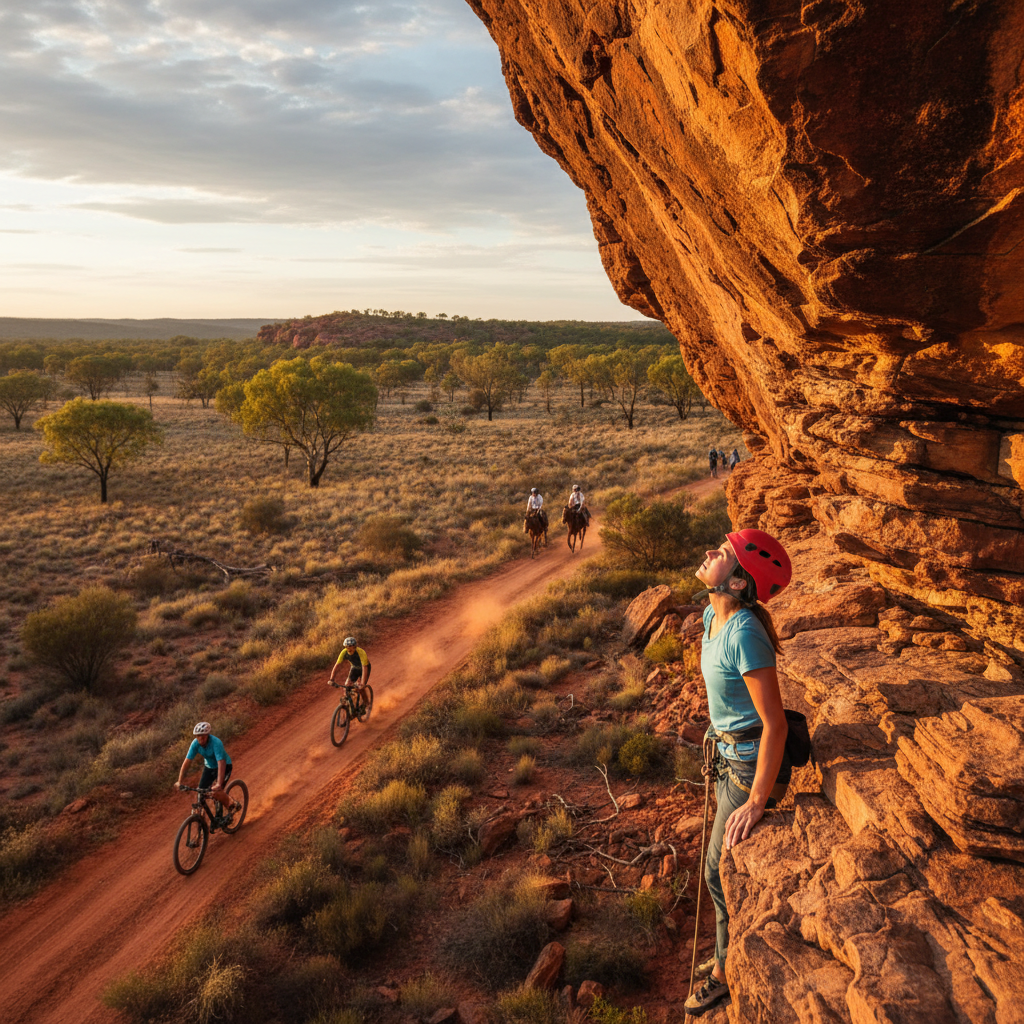
Sun Smart Climbing: Desert vs. Alpine Extremes in Australia
Climbing in Australia presents a broad spectrum of environmental challenges, and sun exposure is a major one. While we often associate intense sun with our vast deserts, alpine environments, though cooler, can pose equally insidious solar risks. Ignoring sun protection, regardless of your climbing location, is a fast track to discomfort, reduced performance, and long-term skin damage. This post cuts through the noise to give you practical, no-nonsense advice for staying safe under the Australian sun, whether you're scaling a desert monolith or a windswept alpine ridge.
The Sun's Fury: It's Not Just About the Heat
When we talk about sun damage, we're mostly concerned with ultraviolet (UV) radiation. Australia's UV levels are notoriously high, especially during the summer months and in areas with less atmospheric shielding. High altitudes and reflective surfaces amplify this risk. Your helmet is your primary defence against significant impacts, but it's only part of the picture when it comes to beating the sun.
Desert Climbing: The Direct Assault
Australian deserts are synonymous with relentless sun. Think of regions like the Flinders Ranges, Karijini, or the Red Centre. Here, the risks are:
Intense Direct UV Radiation: The Australian sun doesn't mess around. UV levels can be extreme, often peaking well into the 'Very High' or 'Extreme' categories for prolonged periods.
High Ambient Temperatures: The heat makes you vulnerable. Dehydration can lead to poor judgment and heatstroke, making you less aware of your sun exposure and more likely to neglect protective measures.
Long Exposure Times: Desert climbing often involves long approaches, multi-pitch routes, and potentially long days out. Every minute counts towards cumulative UV damage.
Lack of Shade: Open, arid environments offer little to no natural shade. You're in the firing line from dawn till dusk.
Reflective Surfaces: Sand and rock can reflect UV radiation, meaning you can be exposed from multiple angles even when your direct line of sight to the sun is partially obscured.
Alpine Climbing: The Deceptive Danger
While the Australian Alps (like Kosciuszko National Park) offer a cooler climate, the sun's bite can be just as severe, if not more so, due to different factors:
Higher Altitude = Increased UV: For every 1000 metres you ascend, UV radiation increases by approximately 10-12%. Australian alpine areas, while not Everest, are high enough for this to be a significant factor.
Snow and Ice Reflection: Snow and ice are highly reflective surfaces, bouncing UV radiation around. You can easily get a double dose of UV from above and below, leading to severe sunburn and snow blindness.
Cooler Temperatures Masking Risk: The cold can lull you into a false sense of security. You might feel less hot, so you're less inclined to believe you're getting a serious dose of UV. This is where the real danger lies – a massive UV hit with no immediate heat discomfort to warn you.
Windy Conditions: Wind can make it feel cooler, further masking the UV threat. It also increases evaporation, contributing to dehydration, which, as we've seen, impacts judgment.
Your Helmet and Sun Protection: A Unified Front
Your helmet's primary role is impact protection. However, its design, particularly the brim, plays a crucial role in sun safety for your face and neck. Standard climbing helmets often have minimal brims, leaving large areas of your face and neck exposed. This is where external solutions become essential.
The Da'Brim Solution
This is not a fashion statement; it's a practical necessity. A Da'Brim attaches securely to your helmet to extend the brim, offering significantly more shade. Why is this crucial for helmet wearers?
Extended Face and Neck Shade: A larger brim casts a shadow over your eyes, nose, cheeks, and the back of your neck – areas often missed by standard helmets. This directly reduces UV exposure to sensitive skin.
Reduced Glare: A well-designed brim helps block direct sunlight from reaching your eyes, improving visibility and reducing eye strain.
Protection from Sunburn: Minimising direct UV contact significantly reduces the risk of painful sunburn on your face and neck, which can be debilitating on a multi-day trip or even a long day out.
No Compromise on Safety: Da'Brims are designed to integrate with your helmet without compromising its impact protection capabilities. They are engineered for durability and security.
Practical Protection Strategies: Desert vs. Alpine Checklist
Regardless of the environment, a layered approach to sun protection is key. This isn't just about sunscreen; it's a holistic strategy.
Essential Sun Protection Gear:
Helmet with Extended Brim: A standard climbing helmet plus a Da'Brim is non-negotiable for prolonged exposure.
Sunscreen (SPF 50+): Apply liberally and frequently. Look for broad-spectrum protection and water-resistance.
Lip Balm with SPF: Lips are highly susceptible to sunburn and skin cancer.
Sunglasses: Crucial for alpine environments and blinding desert sun. Ensure they offer UV protection.
Long-Sleeved, Lightweight Clothing: UPF-rated clothing is ideal.
Wide-Brimmed Hat (under helmet? No!): This is where the Da'Brim excels. A separate hat won't fit under most climbing helmets. The Da'Brim is your external hat/brim solution.
Neck Gaiter/Buff: Can be pulled up over your nose and mouth for extra protection.
Environment-Specific Considerations:
| Feature | Desert Climbing Considerations | Alpine Climbing Considerations |
|---|---|---|
| Primary UV Risk | Extreme direct UV from a high-placed sun; high ambient temps | Increased UV due to altitude; extreme reflection from snow/ice; cold temps |
| Key Protection | Maximise shade on face/neck; manage heat; hydration | Maximize shade on face/neck; protect eyes; consider cold and UV |
| Special Needs | Extra water, electrolytes; focus on staying cool where possible | High SPF; wrap-around sunglasses; awareness of deceptive cold |
| Helmet Brim Focus | Shade eyes/face/neck from direct, harsh sun. Essential for visibility. | Shade eyes/face/neck from direct & reflected UV. Crucial for glare reduction. |
Your Pre-Climb Sun Prep Checklist:
[ ] Check the UV Index: Know what you're up against for the day.
[ ] Apply Sunscreen: 20-30 minutes before sun exposure, ensure face, neck, ears, and any exposed skin are covered. Reapply often.
[ ] Prepare Hydration: Pack more water than you think you'll need. Add electrolytes.
[ ] Secure Your Da'Brim: Ensure your Da'Brim is firmly attached to your helmet. This is your primary UV shield.
[ ] Sunglasses Ready: If you're climbing in alpine conditions or a very bright desert environment, have them accessible.
[ ] Clothing Check: Long sleeves and pants? UPF rated?
Step-by-Step Sun Safety During Your Climb
Sun protection isn't a 'set it and forget it' job. It requires constant vigilance. Here’s how to integrate it into your climbing routine:
Step 1: Pre-Climb Application
30 Minutes Before: Apply a generous amount of SPF 50+ sunscreen to all exposed skin, including ears, neck, and the back of your hands. Don't forget your lips.
Helmet On, Sun Protection Integrated: Ensure your Da'Brim is attached and your helmet is comfortable. This combination is your primary defence.
Step 2: During the Climb – Reapplication is Key
At Belay Stations/Rests: This is your prime reapplication window. If you've been climbing for 2 hours, mentally note to reapply sunscreen. Even if it doesn't feel hot, UV rays are still active.
Hydration Breaks: Combine rehydrating with a quick sunscreen top-up on your face and neck. Consider a quick swipe of lip balm.
Eyes on the Prize, Not the Sun: Rely on your Da'Brim's shade to keep direct sun out of your eyes. This improves focus and reduces fatigue. If the glare is still too much, your sunglasses (especially in alpine conditions) are your next line of defence.
Step 3: Post-Climb Assessment & Recovery
Skin Check: Once off the rock, check your skin for any signs of redness or burning, even if you protected yourself. A quick visual inspection can catch early signs.
Moisturise: After showering, apply a good moisturiser to help skin recover. Aloe vera can be soothing if you do get a bit sun-kissed.
Hydration Continues: Keep drinking fluids well after your activity, especially in desert conditions.
Common Objections and How to Handle Them
Objection 1: "It's cloudy, I don't need much sun protection."
Reality: UV rays penetrate clouds. Even on an overcast day, especially in alpine areas, you can get a significant UV dose. Don't be fooled by the temperature.
Objection 2: "My helmet has a brim, that's enough."
Reality: Most standard climbing helmet brims are narrow and designed more for minor impact protection or a bit of splatter. They offer minimal facial and neck shade. A Da'Brim significantly extends this protection. See our range of Products to find the right fit.
Objection 3: "I tan easily, I don't burn."
Reality: Tanning is your skin's response to UV damage. It's a sign of injury. Cumulative UV exposure, even without visible burning, significantly increases your risk of premature aging and skin cancer. Australia has the highest skin cancer rates in the world. Don't rely on your skin's 'resilience'; protect it.
Objection 4: "Sunscreen is greasy and annoying during climbing."
Reality: Modern sunscreens are much better. Look for lightweight, non-greasy formulas. Applying it correctly – before you start and reapplying at belays – is critical. The discomfort of reapplying is nothing compared to the pain of sunburn or the long-term consequences of skin cancer. Learn How to Install your Da'Brim; once attached, it's a permanent addition to your helmet's protective capabilities, reducing the need for constant manual adjustments.
Objection 5: "I'll just wear a hat under my helmet."
Reality: Wearing a standard hat under a climbing helmet is a major safety hazard. It can compromise the helmet’s fit and its ability to protect you in an impact. A Da'Brim is designed to attach externally and securely, working with* your helmet, not against it.
Conclusion: Smash Your Goals, Not Your Skin
Whether you're staring down a sun-baked desert crack or a snow-dusted alpine face, Australia's sun demands respect. Your helmet is vital for safety, but augmented sun protection through a device like the Da'Brim is non-negotiable for protecting your skin. Don't let preventable sun exposure cut your adventures short or lead to serious health issues. Stay informed, stay equipped, and stay safe out there. For more answers to your questions, check out our FAQ. And if you're ready to upgrade your helmet's sun defence, explore our Products.
Remember to check out our other Blog posts for more climbing and safety tips.