
Sun Safe: Road vs. Gravel Cycling and Your Helmet Brim
Are you getting enough sun protection on your rides? We break down the sun exposure differences between road and gravel cycling and how your helmet brim makes a difference.
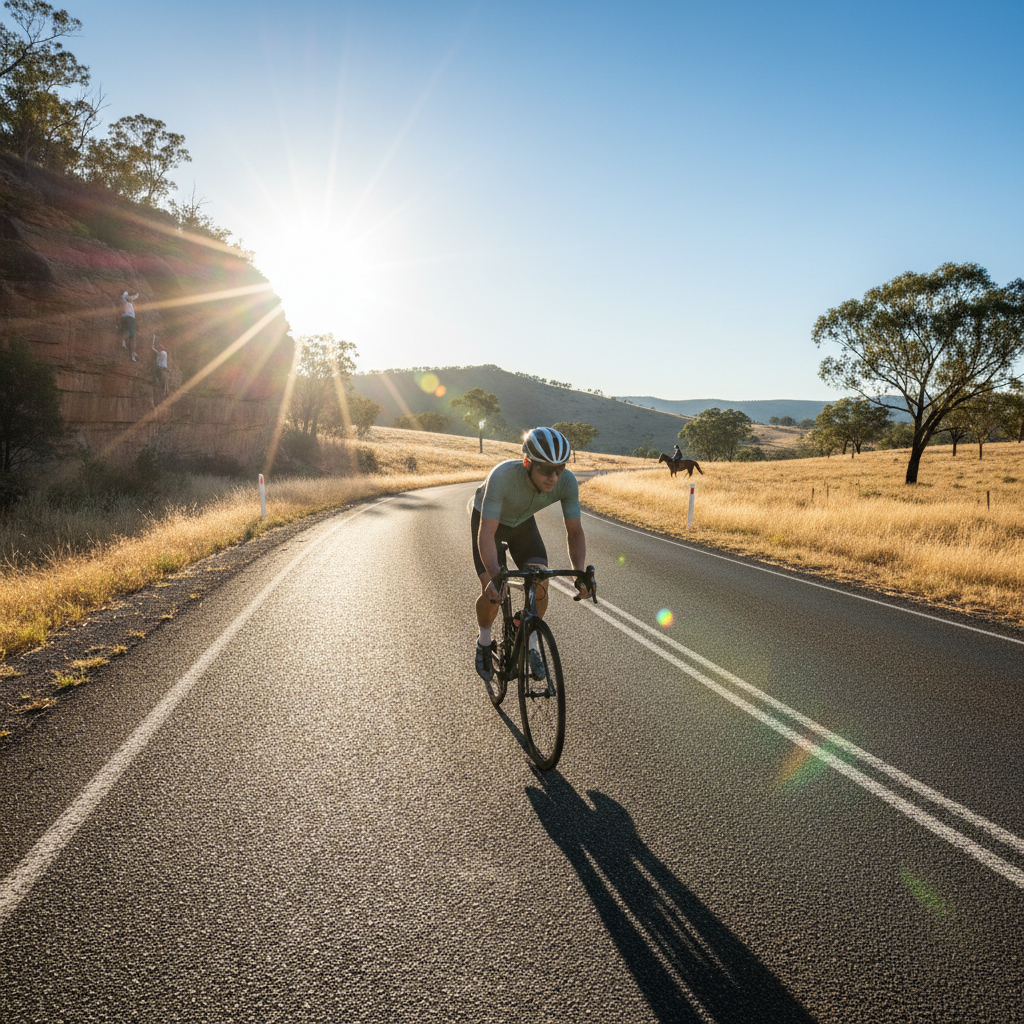
Road Cycling vs. Gravel Cycling: Understand Sun Exposure, Protect Your Skin
Australia. We love our cycling here. Long summer days, scenic routes, and the thrill of the ride. But with that sunshine comes serious UV radiation. Whether you're a road warrior or a gravel grinder, understanding how your chosen discipline impacts your sun exposure is crucial for staying safe.
Many cyclists think their helmet is enough. And while it’s a vital piece of safety gear, it’s not a complete sun shield. This is where our helmet brims come in. They’re designed to add that extra layer of protection, and understanding the nuances of road versus gravel cycling will help you see why.
The Core Difference: What You See, What You Get
At first glance, the sun exposure might seem similar. You’re outdoors, under the Australian sky. But the details matter.
Road Cycling:
Exposure: Generally more direct. You’re often on open roads, sometimes with less overhead canopy. While there might be occasional shade from trees or buildings, a significant portion of your ride can be in direct sunlight. The sun’s angle throughout the day will dictate the intensity. Midday sun is the most potent.
Head Position: Road cyclists tend to keep their heads relatively level, looking forward for traffic and the road ahead. This means the top and front of their head, and their face, are consistently exposed.
Speed: Higher speeds mean less time spent in any single spot, but the intensity of the sun hitting you remains.
Gravel Cycling:
Exposure: Can be more varied. Gravel rides often take you down quieter backroads, fire trails, and singletrack. These routes can offer more natural shade from trees and varied terrain. However, there are also long stretches of open gravel where the sun beats down relentlessly, often reflected off the light-coloured gravel dust.
Head Position: While looking ahead is important, gravel riders may find themselves looking down more frequently to navigate obstacles – ruts, rocks, washouts. This can slightly alter the angle of sun exposure, but the face and scalp are still prime targets.
Speed: Generally slower than road cycling, meaning you spend more time in specific sunny spots. The dusty, reflective nature of gravel can also amplify sun intensity.
The UV Factor: It's Not Just About Heat
Australia’s UV Index can be extreme, especially during summer. We’re talking levels that require serious protection for even short periods.
UV Intensity: The UV radiation is strongest when the sun is highest in the sky, typically between 10 am and 3 pm. Regardless of whether you're on the bitumen or the dirt, if you're riding during these hours, you're at significant risk.
Duration: Australian summer days are long. This means more hours available to ride, and consequently, more hours of potential sun exposure. A leisurely 3-hour gravel ride in the afternoon can still rack up significant UV damage.
Reflection: Light-coloured surfaces like roads and especially gravel can reflect UV rays, increasing your overall exposure. Dirty gravel can be particularly bad.
How Your Helmet and Brim Interact with Sun Exposure
Your standard cycling helmet offers some protection. It shields the very top of your head from direct impact, and some models have small peaks. But let’s be honest, those built-in peaks are often more for aerodynamics or aesthetics than serious sun-blocking.
Our DA BRIM helmet brims are designed to significantly reduce sun exposure to your face, neck, and ears. This is crucial.
Road Cyclists: A brim helps shade your eyes, reducing glare and improving vision. More importantly, it blocks direct UV rays from hitting your face and scalp, areas often exposed when tucked into an aero position or simply looking ahead.
Gravel Cyclists: Your face is still exposed, and the added benefit of shade can be a game-changer. The brim protects your eyes from sun glare as you scan the terrain. It also shields your nose and cheeks, which can get baked on long, open gravel sections.
Common Objections and Why They Don't Hold Up
We hear it all the time. Cyclists have reasons for not adopting extra sun protection. Let's tackle them head-on.
Objection 1: "My helmet has a peak already."
Reality: Most helmet peaks are small and designed for different purposes (like keeping mud or rain off your goggles, or a minimal sun shade). They simply don't offer the comprehensive facial coverage needed for prolonged Australian sun exposure. Our DA BRIM is significantly larger and strategically shaped to block more rays.
Objection 2: "I only ride in the morning/evening."
Reality: While this helps, UV rays are still present, especially during peak hours. UV radiation can penetrate clouds and reflect off surfaces. Even an early morning ride can expose you to harmful UV levels, particularly in summer. Furthermore, Australian daylight hours in summer can mean you're still riding into the UV-intense midday period.
Objection 3: "I wear sunscreen."
Reality: Sunscreen is essential, but it’s not infallible. Sweat can wash it off, reapplication can be difficult on the move, and it’s easy to miss spots. A physical barrier like a helmet brim offers consistent, reliable protection to the areas it covers, reducing your reliance on sunscreen for those critical zones.
Objection 4: "It will look silly / I'll get too hot."
Reality: Safety comes first. What looks silly is sunburn and premature aging. Our brims are designed to be lightweight and aerodynamic. They don't impede airflow significantly and are engineered to integrate seamlessly with most helmets, enhancing your look rather than detracting from it. Comfort is a priority, and the slight increase in shade can even make you feel cooler.
Sun Exposure Checklist: Be Prepared
Here’s a quick checklist to ensure you're sun-smart, whether you're hitting the tarmac or the trails:
Helmet Check: Is your helmet properly fitted and in good condition?
Brim Attachment: Do you have a quality helmet brim (like our DA BRIM) attached for maximum facial coverage?
Sunscreen: Apply broad-spectrum SPF 50+ sunscreen to all exposed skin 20 minutes before riding.
Lip Balm: Don't forget a lip balm with SPF.
Sunglasses: Wear UV-protective sunglasses to shield your eyes.
Apparel: Consider long-sleeved jerseys and leg warmers for extended rides, even in warmer weather, if the UV index is high.
Timing: Plan your rides for cooler parts of the day if possible, but always assume you need full protection.
- Hydration: Stay hydrated. Dehydration can exacerbate the effects of heat and sun exposure.
Installation: Simple, Secure, Sun Safe
Worried about setup? Don't be. How to Install is a breeze. Our brims attach securely to your helmet in seconds with a simple, robust clip system. No tools, no fuss. You can be sun-ready before your next ride.
Comparing Road and Gravel Sun Exposure: A Quick Look
| Factor | Road Cycling | Gravel Cycling |
|---|---|---|
| Environment | Open roads, occasional shade | Varied: open trails, wooded paths, dusty roads |
| Head Position | Mostly forward-facing | Forward-facing with more scanning/downward focus |
| Sun Reflection | Moderate (from road surface) | Higher (from light-coloured gravel/dust) |
| Shade | Less predictable | More varied, but potentially longer exposed stretches |
| Speed | Generally higher | Generally lower |
| Brim Benefit | Eye protection, facial shade | Eye protection, facial shade, glare reduction |
Frequently Asked Questions
Got more questions? You're not alone. Visit our FAQ page for more details on our products and how they can enhance your cycling experience.
Conclusion: Sun Protection is Non-Negotiable
Whether you prefer the smooth hum of the road or the rumble of gravel, the sun doesn't discriminate. Australia's UV levels demand respect. Your helmet is essential for impact protection. Adding a DA BRIM helmet brim is essential for superior sun protection. It’s a simple, effective upgrade that protects your skin, your eyes, and your long-term health. Don’t let the sun dictate your health or your enjoyment of cycling. Ride smart, ride protected.
For more insights and tips on cycling safety and gear, check out our Blog.