
Sun Protection on Long Road Rides: Your Helmet is Only Half the Story
Don't let the Australian sun cut your ride short. This practical guide covers everything you need for ultimate sun protection on long road cycling adventures, beyond just your helmet.
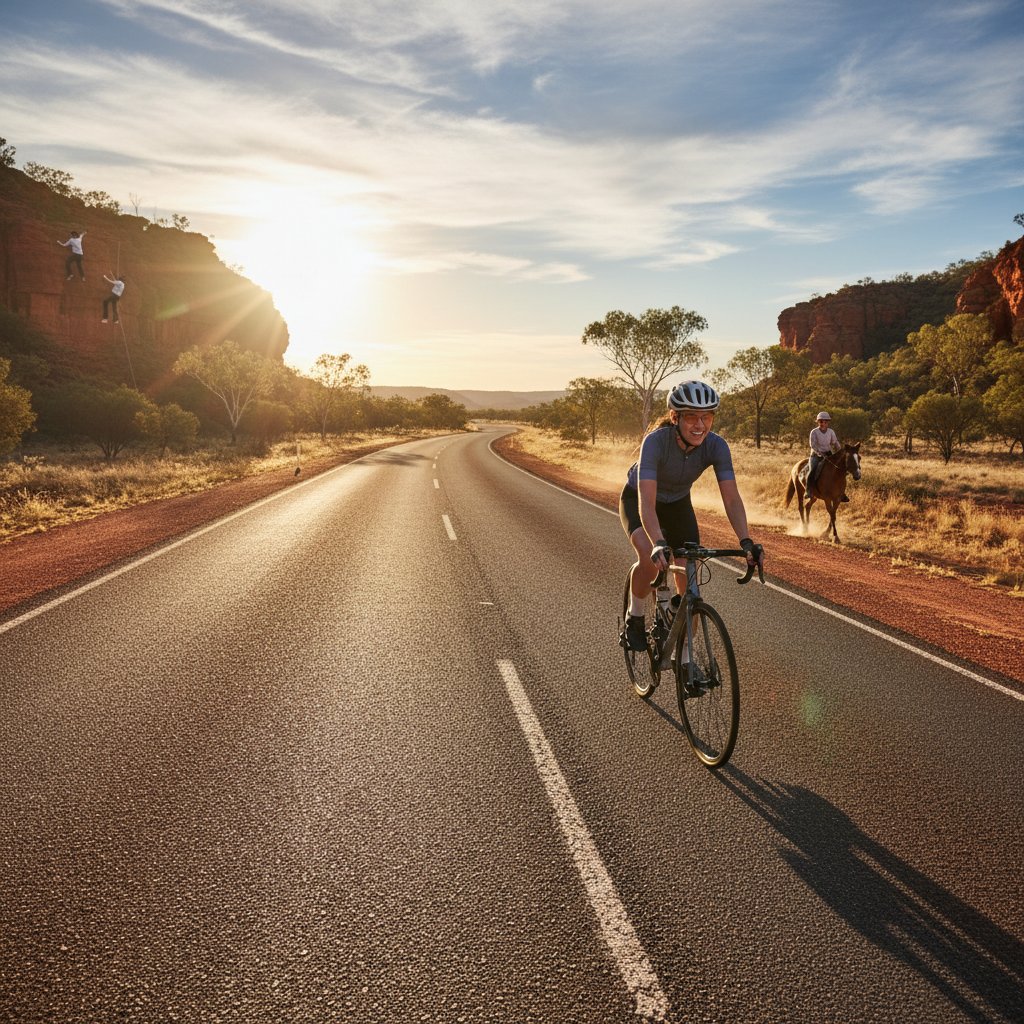
Sun Protection on Long Road Rides: Your Helmet is Only Half the Story
Australia. Beautiful country, brutal sun. If you're a road cyclist here, you know the score. Long rides often mean extended exposure to intense UV radiation, even on what feels like a mild day. Your trusty helmet is essential, but it's only one piece of the sun protection puzzle. Get it wrong, and you're looking at sunburn, premature aging, and a significantly less enjoyable ride. This guide is for serious cyclists who want to stay protected and keep pedalling, no matter the UV index.
The Harsh Reality of the Australian Sun
We say it often, but it bears repeating: Australia has some of the highest UV levels in the world. The UV Index can hit extreme levels year-round, especially during peak sun hours. Long road rides, by definition, mean more time spent under this relentless glare. It’s not just about getting a tan or a mild burn; prolonged, unprotected sun exposure is a serious health risk. We're talking increased risk of skin cancer, cataracts, and premature skin aging (think leathery skin and wrinkles). Don't be the cyclist who only realises the damage after the fact. Proactive protection is non-negotiable.
Beyond the Helmet: Your Essential Sun Protection Arsenal
Your helmet is your primary defence against head injuries, and modern cycling helmets offer some shade. But how much? The peak of your head, your ears, your neck, your face – these areas are often left exposed. This is where a comprehensive strategy comes in. We're talking about a layered approach to keep every bit of exposed skin shielded.
1. The Helmet Brim – Maximising What You Already Have
Many cyclists think their helmet is enough. Look down at your helmet brim. How much does it actually shadow your face? For most standard road helmets, not much. This is where a helmet brim extension becomes a game-changer. These attachable brims are designed to extend the shadow cast by your helmet, offering significantly more protection to your eyes, nose, and cheeks. They’re lightweight, easy to install, and can make a huge difference in reducing glare and direct sun exposure. Think of it as an upgrade to your existing sun protection – no need for a whole new helmet.
Check out our range of Products for durable, effective helmet brim options.
2. Sunscreen: Your Second Skin
This is non-negotiable. And no, that tiny bit of residual SPF from your morning moisturiser doesn't cut it. You need dedicated, high-SPF, broad-spectrum sunscreen. Look for SPF 50+ and water-resistant formulas, as you'll be sweating. Apply it generously and consistently. Think about the areas that get the most exposure: face, neck (especially the back of the neck), ears, and any exposed skin on your arms or legs. Reapplication is key. On a long ride, especially in the heat, you will sweat it off. Carry a small tube or a sunscreen stick you can reapply at rest stops.
Objection Handling: "Sunscreen makes me greasy and breaks me out."
We hear you. But the alternatives are worse. Modern sunscreens come in many formulations. Look for lightweight, non-comedogenic, and sweat-resistant options. Mineral-based sunscreens (zinc oxide, titanium dioxide) can be a good choice for sensitive skin. Apply it 15-20 minutes before you head out to allow it to absorb. And a quick cleansing of your skin after a ride can help prevent breakouts. The risk of melanoma from not wearing sunscreen far outweighs the hassle of dealing with a few pimples.
3. Sunglasses: More Than Just Style
Good cycling sunglasses do more than just make you look the part. They are crucial for protecting your eyes from UV radiation and glare, which can cause fatigue and impair vision. Choose sunglasses that offer 100% UV protection and have a wrap-around design to minimise light entering from the sides. Lens colour can also help with different conditions – amber or brown tints are great for contrast on variable days, while darker grey lenses are ideal for bright, consistent sun.
4. Sun-Protective Clothing: The Unsung Hero
While you might think of jerseys and bibs, dedicated sun-protective clothing is a serious consideration for long rides.
Arm Sleeves: These are brilliant. Lightweight, breathable, and offering UPF (Ultraviolet Protection Factor) ratings, they cover your arms, protecting your skin from direct sun. They also offer a bit of compression and can help regulate temperature by wicking sweat.
Neck Gaiters/Buffs: A simple neck gaiter can be pulled up over your face and ears on particularly hot, sunny days, or worn around your neck for constant protection. Many are made from moisture-wicking, UPF-rated materials.
Lightweight, Long-Sleeve Jerseys: Not all cycling jerseys are created equal. Look for lightweight, breathable fabrics with a UPF rating. Some are specifically designed for sun protection, often in lighter colours to reflect heat.
Even if you use sunscreen, layering up with UPF-rated clothing adds a significant barrier.
5. Hydration and Electrolytes: Indirect Sun Protection
This might seem counter-intuitive to direct sun protection, but it's vital for long rides in the Australian heat. Dehydration and heatstroke are serious risks that are exacerbated by prolonged sun exposure. Staying well-hydrated and replenishing electrolytes helps your body regulate its temperature more effectively, making you more resilient to the heat and its stresses. Carry enough water and consider electrolyte tablets or drinks for longer efforts.
Integrating Sun Protection into Your Ride Plan
It’s not just about what you wear or apply; it's about how you plan. This is where practicality kicks in.
Pre-Ride Checklist
Before you clip in for a long haul, run through this quick checklist:
[ ] Helmet Brim: Is it securely attached? Is it clean?
[ ] Sunscreen: Applied liberally to face, neck, ears, arms. SPF 50+, broad spectrum.
[ ] Sunglasses: Clean lenses, 100% UV protection, no cracks.
[ ] Arm Sleeves/Neck Gaiter: Packed or worn, if using.
[ ] Water Bottles/Hydration Pack: Filled with fresh water, plus electrolytes if needed.
[ ] Ride Plan: Account for sun intensity and peak UV hours. Plan rest stops.
During the Ride: Reapplication and Awareness
You wouldn't plan a long ride without food and water; don't plan it without a sun protection strategy.
Step-by-Step Reapplication Strategy:
1. Identify Rest Stops: As you plan your route, mark potential spots for breaks – cafes, shops, even shaded park benches.
2. Pre-Plan Reapplication Times: For rides over 3-4 hours, plan at least one reapplication of sunscreen.
3. Pack Appropriately: Ensure you have a small, travel-sized sunscreen or stick.
4. At the Stop: Take a moment. Drink water, refuel, and crucially, reapply sunscreen to your face, neck, and ears. Don't forget the back of your neck – it's often missed when riding.
5. Listen to Your Body: If your skin feels hot or starts to prickle, even if it’s not visible redness, it’s time to seek shade and reapply, regardless of your plan. Early intervention is key.
Table: Sun Protection Effectiveness Comparison
| Method | Primary Protection Against | Effectiveness Rating | Notes |
|---|---|---|---|
| Helmet Brim Extension | Face, Eyes, Neck Decolletage | High | Easy to add; significantly reduces direct glare. |
| SPF 50+ Sunscreen | All Exposed Skin | High | Requires consistent reapplication; choose sweat-resistant. |
| 100% UV Sunglasses | Eyes | High | Essential for glare reduction and eye health. |
| UPF Clothing (Sleeves) | Arms, Legs | High | Lightweight, breathable, adds a strong UV barrier. |
| Neck Gaiter/Buff | Neck, Face, Ears | Medium-High | Versatile, can be used for multiple areas. |
Common Misconceptions and What You Need to Know
Let's bust some myths. You might think:
"I won't burn, I have a good tan." Tanning is skin damage. Your skin is already compromised if you're relying on a tan for protection. Long-term, this is a recipe for disaster.
"It's cloudy, so I'm safe." UV rays penetrate clouds. Significant UV can still reach your skin on overcast days. Don't skip protection just because the sun isn't directly visible.
"I only need sunscreen for my face." Your ears, neck, and the backs of your hands (if not covered) are highly vulnerable areas. Don't neglect them.
- "My helmet has a peak, that's enough." As discussed, most standard helmet peaks offer minimal shade. An extension dramatically increases coverage.
For more detailed information on safeguarding your gear and yourself, visit our FAQ.
Staying Safe and Enjoying the Ride
Your passion for cycling shouldn't be curtailed by the sun. By adopting a comprehensive sun protection strategy, you can significantly reduce your risk of sun damage and discomfort. It's about being smart, being prepared, and investing in the right gear. A good helmet brim extension, a reliable sunscreen, quality sunglasses, and appropriate clothing are not luxuries; they are essential tools for any serious Australian cyclist spending hours on the road.
Remember, consistent application and reapplication are key. Check the Products page for solutions to enhance your sun protection. For advice on installation and care, see our How to Install guide. Stay protected, stay healthy, and keep those pedals turning. For more tips and updates, explore the Blog.