
Sun Protection for Long Road Rides: Your Helmet is Only Half the Battle
Australian sun is brutal. Long road rides demand serious sun protection beyond your helmet. Learn how to beat the burn and glare, keeping you safe and comfortable.
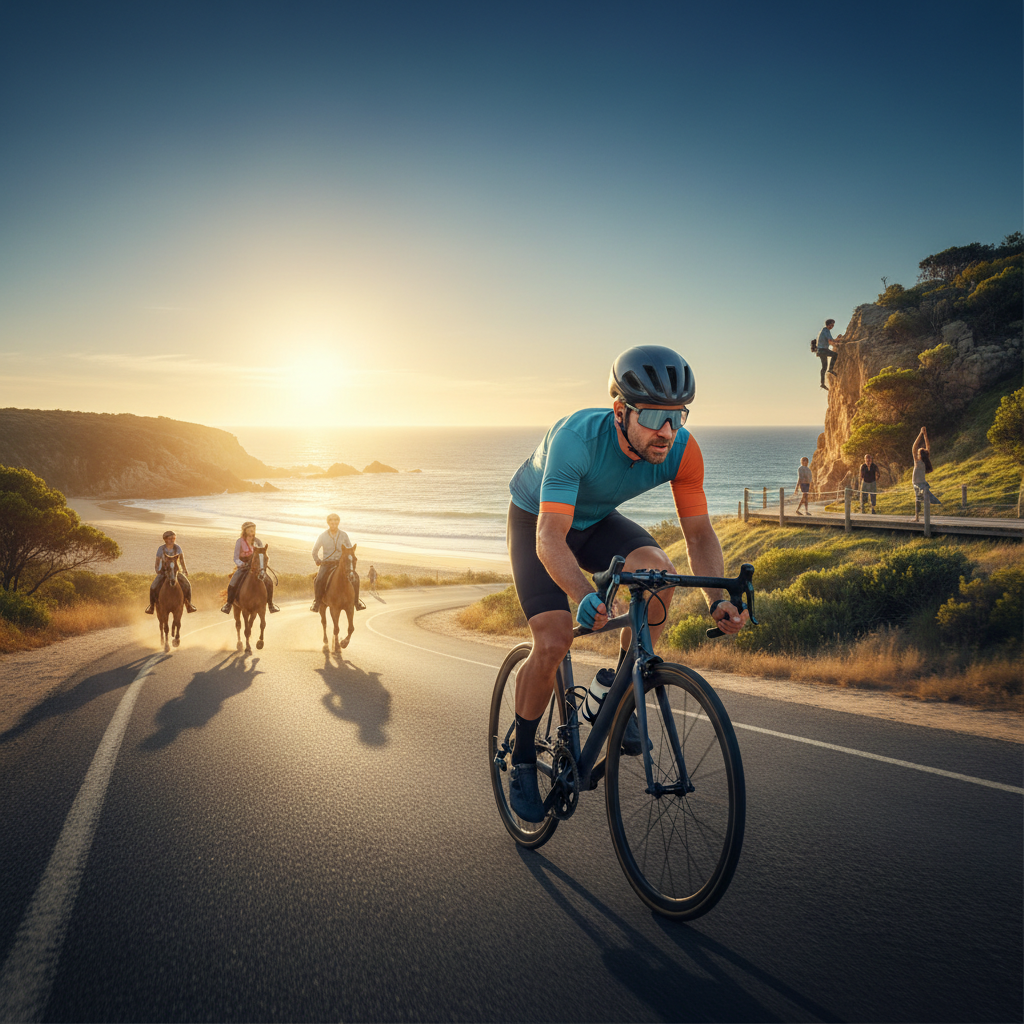
Sun Protection for Long Road Rides: Your Helmet is Only Half the Battle
Australia. We love it. We love our long road rides. But let's be honest, the sun here isn't just a bit of warmth; it's a serious force. On a long ride, especially during the hotter months or in the more exposed parts of the country, that sun can turn your epic journey into a painful, dehydrated sunburnfest if you're not prepared. Your helmet is crucial for safety, but it's only part of the sun protection puzzle.
We're not here for fluff. We're here for practical advice that works. If you're spending hours in the saddle, you need to shield yourself effectively. Ignoring sun protection on long rides is asking for trouble: premature skin aging, increased risk of skin cancer, and simply being too uncomfortable to enjoy yourself, let alone perform at your best.
The Reality of the Australian Sun on Long Rides
Think about it. You're exposed for hours. Even if you're wearing a helmet, gaps exist. Your neck, your ears, the tops of your hands, your face – they're all prime targets. The UV index in Australia can soar, even on cloudy days. Long road rides mean sustained exposure. You can't just duck for cover for an hour; the road stretches on.
Common Objections and Why They Don't Cut It
"I just use sunscreen." Great for a short spin, but reapplication on a long ride is a pain, often messy, and sometimes impossible without stopping for an extended break. Plus, it can run into your eyes. It's a baseline, not a complete solution.
"My helmet has vents, it's fine." Vents are for cooling, not sun protection. They're often precisely where the sun's rays get in, especially when you're looking around or cycling at different angles. And they offer zero protection for your lower face, neck, or ears.
"I just wear sunglasses." Sunglasses protect your eyes, which is vital, but they do nothing for the rest of your exposed skin. They also don't stop rays hitting the top of your head or sides of your face.
"I've never really burned on a ride before." Complacency is dangerous. UV damage is cumulative. You might not see the acute burn today, but you're still damaging your skin. And one bad burn is usually enough to change your tune.
Beyond the Helmet: Essential Sun Protection Gear
Your helmet is your primary safety device. Let's enhance its protective capabilities and cover the gaps. This isn't about looking a certain way; it's about practical well-being.
1. The Helmet Brim: A Game Changer
This is where you can make a significant immediate improvement. A good helmet brim extends the shade provided by your helmet, significantly reducing sun exposure to your face, eyes, and even the front of your neck. Look for brims designed for cycling helmets that attach securely and don't obstruct your vision or ventilation.
Why it works: It casts a shadow. Simple physics, highly effective. It shields your eyes from direct glare, reducing squinting and fatigue. It protects your forehead and nose, areas notorious for burning.
What to look for: Durability, secure attachment (you don't want it flying off), and adequate coverage without being cumbersome.
2. High SPF Sunscreen: Strategic Application
Sunscreen is still a must, but think strategically. Focus on areas the brim and clothing can't cover: your neck (especially the back), lower ears, tops of hands, and any exposed skin on your legs. Use a broad-spectrum, high SPF (50+), sweat-resistant formula. For longer rides, consider a cream or stick rather than a spray, as they're easier to apply accurately and less likely to drift.
3. Protective Clothing: More Than Just Lycra
While your cycling jersey covers your torso, consider what else you're wearing:
Arm Sleeves: Lightweight, UV-protective arm sleeves are fantastic. They offer UPF (Ultraviolet Protection Factor) rating, far more reliable than just fabric thickness. They also help regulate temperature by wicking sweat.
Neck Gaiters/Buffs: A simple neck gaiter can be pulled up to cover your neck and lower face, providing excellent protection. Choose breathable, moisture-wicking fabrics.
Gloves: Ensure your gloves cover as much of your hand as possible, especially the tops, which are highly exposed. Look for gloves with UPF ratings if possible.
4. Sunglasses: Not Just for Style
Choose sunglasses with good UV protection. Wrap-around styles that sit close to your face offer the best defense against sun and wind getting around the lenses. Polarised lenses can significantly reduce glare, making for a more comfortable ride and better visibility. Remember, they complement your brim, they don't replace it.
Sun Protection Checklist for Long Rides
Before you roll out, run through this quick checklist. It's designed to be practical and effective for Australian conditions.
[ ] Helmet Brim: Securely attached, providing good facial shade.
[ ] Sunscreen (SPF 50+): Applied liberally to neck, ears, hands, and any other exposed skin 20-30 minutes before riding.
[ ] UV-Protective Gloves: Covering the tops of your hands.
[ ] Arm Sleeves (UPF rated): If you're seeking maximum limb protection.
[ ] Neck Gaiter/Buff: Ready to pull up for neck and lower face coverage.
[ ] UV-Protective Sunglasses: Good fit, wrap-around style with adequate UV blocking.
[ ] Hydration: Crucial for overall comfort and body temperature regulation, which indirectly aids sun tolerance.
Sun Protection During the Ride: Reapplication & Adjustment
Reapplication is key for long days. Don't wait until you feel the burn.
Step-by-step Reapplication Guide:
1. Identify Hotspots: Mentally (or visually if you have a reflective surface) check areas like the back of your neck, ears, nose, and the backs of your hands. These are the most common and often most exposed areas.
2. Choose Your Moment: The easiest time to reapply is during a planned stop – a cafe break, refuelling at a shop, or a pre-arranged meet-up point. If you're truly in the middle of nowhere, a brief roadside stop is better than nothing.
3. Use the Right Product: Carry a small tube of cream or a stick sunscreen. These are less messy than sprays in breezy conditions and allow for targeted application.
4. Apply Effectively: Wipe off sweat or dirt from the target area first. Apply a generous layer. If using a stick, rub it in well. If using cream, ensure it's evenly distributed.
5. Don't Forget Your Scalp (if applicable): If you have thinning hair or a bald patch, apply sunscreen there too, or better yet, wear a thin cycling cap under your helmet on very hot days. Ensure your helmet brim covers this zone as much as possible.
6. Adjust Garments: If you're feeling the sun on your neck, pull up your neck gaiter. If your arms are feeling it, ensure your arm sleeves are fully extended.
Table: Sun Exposure Risk vs. Protection Method
| Body Part | Primary Risk | Recommended Protection |
|---|---|---|
| Face (Forehead/Nose) | Direct sun glare, sunburn | Extended helmet brim, sunscreen |
| Eyes | Glare, UV damage, fatigue | UV-blocking sunglasses (wrap-around), helmet brim |
| Neck (Front/Back) | Sunburn, heat stress | Neck gaiter, high SPF sunscreen (reapply) |
| Ears | Sunburn, skin cancer | High SPF sunscreen (reapply), neck gaiter, helmet fit |
| Tops of Hands | Sunburn, aging, dark spots | UV-protective gloves, sunscreen (reapply) |
| Scalp | Sunburn (especially with thinning hair) | Thin cycling cap under helmet, helmet brim coverage |
Where to Find Your Essential Gear
Don't let the sun dictate your riding season. Investing in the right gear makes a massive difference to your comfort, safety, and long-term health.
We offer a range of practical solutions designed for cyclists. Check out our Products to find the best helmet brim and other accessories to shield you on your next long road ride. It's a small investment for significant protection and comfort.
Final Thoughts: Sun Safety Isn't Optional
On long road rides in Australia, sun protection beyond what your helmet offers is not a luxury; it's a necessity. Be proactive. Equip yourself with the right tools – a good helmet brim, effective sunscreen, and appropriate clothing. Regular checks and reapplication are non-negotiable.
Don't let sun damage cut your rides short or compromise your health. For more information on helmet accessories and how to fit them, visit our How to Install guide. Have questions? Our FAQ page has answers. And for more cycling tips, head to our Blog.
Ride smart. Ride protected.