
Sun Protection for Long Road Rides: Don't Get Cooked Down Under
Australian sun is brutal. Long road rides demand serious sun protection for your helmeted head and face. This no-nonsense guide covers what you need to know.
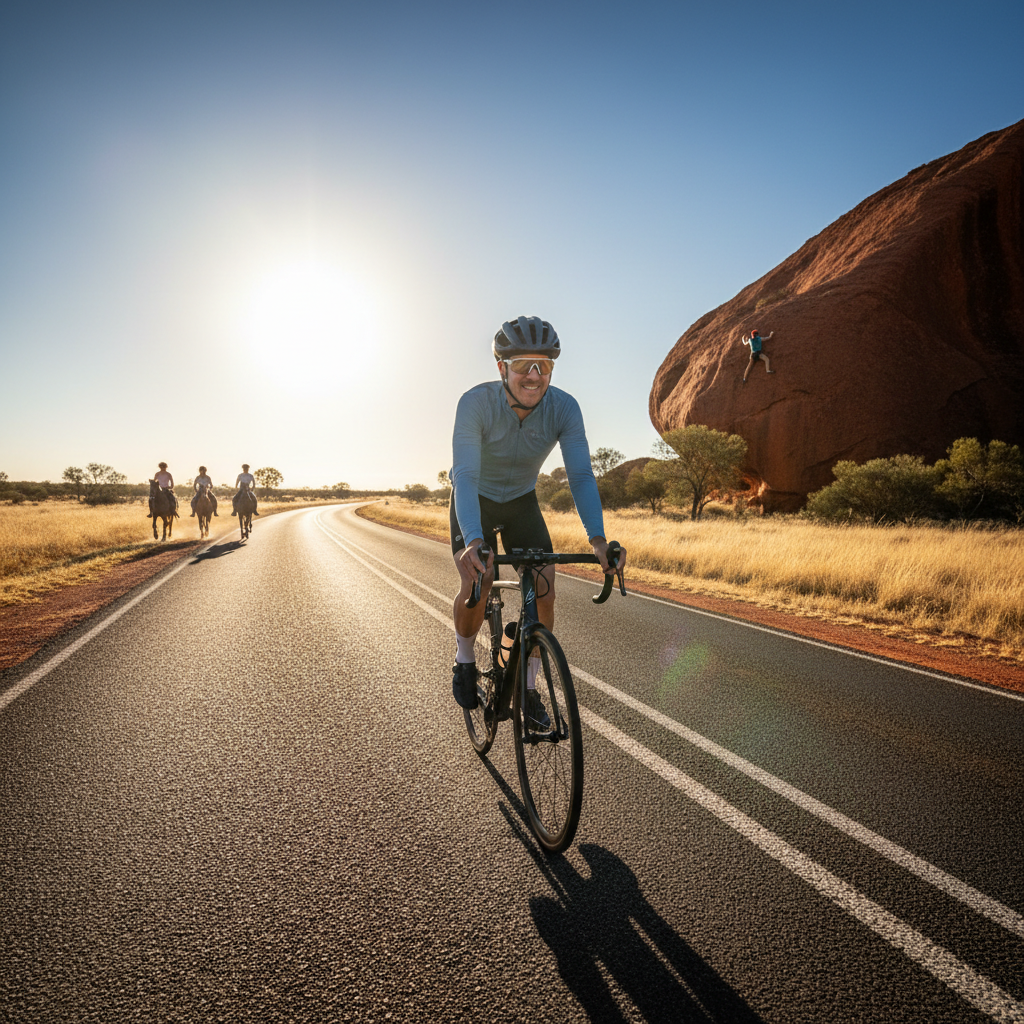
Sun Protection for Long Road Rides: Don't Get Cooked Down Under
Australia. The land of sunshine, vast open spaces, and brutal UV rays. If you're a road cyclist embarking on long rides Down Under, you're not just battling fatigue and distance; you're battling the sun. And believe us, Australian conditions demand respect. High UV indexes, relentless heat, and days that stretch on forever mean casual sun protection just won't cut it. This is your practical, no-fluff guide to keeping your helmeted head and face protected on those epic rides.
The Real Risks of Sun Exposure on Long Rides
Many cyclists think, "I'm just out for a few hours, I'll be fine." That's a dangerous mindset. Extended exposure, especially during peak UV hours (even on cloudy days), can lead to:
Sunburn: Obvious, but often underestimated for its long-term impact on skin health and potential for blistering and peeling, which is miserable on a bike.
Heatstroke/Heat Exhaustion: Your head is a significant site for heat loss. Overheating can rapidly lead to disorientation, nausea, and in severe cases, serious medical emergencies. Dehydration exacerbates this.
Eye Strain and Damage: Intense glare and UV exposure can cause eye fatigue, temporary vision impairment, and increase the risk of cataracts and macular degeneration over time.
Long-Term Skin Damage: Repeated, unprotected sun exposure is a primary cause of premature aging, sunspots, and significantly increases your risk of skin cancer.
Think about where the sun hits you most on a bike: your face, neck, and ears. Your helmet covers your scalp, but the periphery is exposed. And that glare? It's constant.
Beyond the Helmet: Core Sun Protection Strategies
The helmet is king for safety, but it's not a complete sun shield. You need to layer your protection.
1. Sunscreen is Non-Negotiable
This is your baseline. Don't even think about leaving the house without it.
High SPF and Broad Spectrum: Aim for SPF 50+ and ensure it protects against both UVA and UVB rays. UVA penetrates deeper and causes aging, UVB causes burning. You need both covered.
Water/Sweat Resistant: Crucial for cycling. Look for formulations designed to stay put, or be prepared to reapply.
Apply Generously, Apply Early: Slather it on at least 15-20 minutes before you head out to allow it to absorb. Don't forget your ears, neck (especially the back where it might be exposed under your jersey collar), and the tops of your feet if you wear open shoes.
Reapplication Strategy: For rides longer than 2-3 hours, particularly in the Australian heat, reapplying is vital. Small travel-sized tubes are your friend. Apply at a planned stop.
2. Headwear Under the Helmet (Yes, Really)
This sounds counter-intuitive to some, but a thin skullcap or cycling cap can offer an extra layer of defence for your scalp and forehead, and crucially, can absorb sweat to prevent it from running into your eyes and stinging.
Material Matters: Choose lightweight, breathable, moisture-wicking materials. Cotton is a no-go; it just holds sweat and gets heavy.
Brim Benefits: A cycling cap with a small brim can offer some additional shade for your eyes, though its effectiveness is limited.
3. Eye Protection: More Than Just Cool Shades
Your eyes are vulnerable. Sunglasses are essential, but not all are created equal for cycling.
UV Protection: Ensure your lenses offer 100% UVA and UVB protection. This is non-negotiable.
Coverage: Look for wraparound styles that minimise glare from the sides.
Lens Tint: Lighter tints can be good for lower light conditions, but for bright Australian days, darker or photochromic (transition) lenses that adapt to light levels are ideal. Yellow or orange tints can enhance contrast in varied conditions.
Ventilation: Vents in the frame or lenses help prevent fogging.
4. Clothing and Coverage
While your helmet covers your head, your neck and shoulders are prime real estate for sun damage. Consider:
Lightweight, UPF-Rated Jerseys: Many cycling jerseys now come with UPF (Ultraviolet Protection Factor) ratings. These are designed to block UV rays.
Neck Gaiters/Buffs: A lightweight, breathable neck gaiter can be pulled up to protect your neck and lower face. Choose light colours that reflect heat.
The Helmet Brim: A Game Changer for Direct Face Shading
This is where many riders overlook a critical piece of their sun protection puzzle. The standard cycling helmet, designed primarily for impact and ventilation, often leaves your face exposed to direct sunlight. This is especially true when the sun is high or at an angle.
This is where a dedicated helmet brim comes in. Think of it as a shield.
Why a Helmet Brim is Essential for Long Rides:
Direct Glare Reduction: The most significant benefit. A brim casts a shadow directly over your eyes and the bridge of your nose, drastically reducing glare and UV exposure to these sensitive areas.
Prevents 'Rider's Goggle Tan': You know the look – a tan line around your eyes because your sunglasses didn't offer full coverage. A brim shades this area, leading to more even tanning (or less burning!).
Increased Comfort: Less glare means less squinting, reducing eye strain and headaches. It also makes looking ahead on the road far more comfortable.
Protection from Grit and Bugs: While not its primary sun-protection function, a brim can also offer a small amount of defence against windblown dust and smaller insects.
Choosing the Right Brim
Not all brims are created equal. For serious road cycling, practicality and effectiveness are key.
Universally Compatible: Can it attach securely to most standard cycling helmets? This is crucial. You don't want a flimsy attachment that vibrates loose.
Aerodynamics: While shade is the priority, excessive drag is undesirable. Look for designs that minimise wind resistance.
Durability: It needs to withstand the elements and occasional bumps.
Adjustability: Some brims offer slight adjustability, which can be useful.
For a reliable, no-fuss option designed specifically for Australian conditions, look for brims that are robust and offer significant coverage. We’ve seen them designed for the harsh Australian sun, offering that crucial extra shade. You can find these practical solutions on our Products page.
Table: Sun Protection Essentials for Long Road Rides
| Item | Key Features for Riding in Australia | Why It's Crucial for Long Rides | Notes |
|---|---|---|---|
| Helmet | Well-ventilated, fits properly | Primary safety gear, but needs augmentation for sun protection. | Doesn't cover face directly. |
| Helmet Brim | Wide brim, secure attachment, aerodynamic design | Direct shade for eyes and face, reduces glare, prevents sunburn | Essential for Australian sun on long rides. |
| Sunscreen | SPF 50+, Broad Spectrum, Water/Sweat Resistant | Prevents sunburn, long-term skin damage, and skin cancer. | Reapply every 2-3 hours. |
| Sunglasses | 100% UV protection, wraparound, good ventilation, appropriate tint | Protects eyes from UV damage, glare, and strain. | Choose based on light conditions. |
| Cycling Cap | Thin, moisture-wicking material | Extra scalp protection, sweat absorption. | Can add minor shade if it has a brim. |
| Neck Gaiter | Lightweight, breathable, UPF rating (optional) | Protects neck and lower face from sun and heat. | Light colours reflect heat better. |
| Hydration | Water bottles/hydration pack, electrolytes | Prevents dehydration and heat-related illnesses. | Crucial for overall rider performance and safety in the heat. |
| Lightweight Jersey | Breathable, UPF rated (ideal) | Protects shoulders and arms from UV exposure. | Light colours are best for reflecting sun. |
Practical Application: My Long Ride Sun Protection Checklist
Before every multi-hour ride during daylight hours in Australia, run through this:
[ ] Helmet Check: Is it clean and in good condition? Any old sticker residue that might increase UV absorption?
[ ] Sunscreen Applied: Generously to face, neck, ears, arms, and any other exposed skin. At least 20 mins before leaving.
[ ] Sunglass Ready: Clean lenses, no scratches, 100% UV protection confirmed.
[ ] Helmet Brim Attached: Securely fitted. (See How to Install for tips).
[ ] Hydration Pack/Bottles Filled: Chilled water and electrolytes.
[ ] Lightweight Jersey: Worn, or packed if the day is variable.
[ ] Neck Gaiter/Buff: Rolled and ready to deploy if needed.
[ ] Plan Reapplication Stop: Identify a point on your route for a quick sunscreen top-up and hydration break.
Step-by-Step: Maximising Sun Protection on the Go
This isn't just about what you apply or wear; it's about how you manage it during the ride.
1. Pre-Ride Application (20-30 mins before): Apply sunscreen to all exposed areas. This is your primary defence. Don't skip this.
2. On the Bike: Ensure sunglasses are positioned correctly and helmet brim is not obscuring your vision.
3. Mid-Ride Stop (Every 2-3 hours, or sooner if sweating heavily):
Find shade if possible.
Wipe sweat from your face with a clean towel (not your jersey sleeve – you'll just spread sunscreen and sweat).
Reapply sunscreen generously, paying attention to areas that might have been missed or rubbed off.
Rehydrate with water and electrolytes.
Give your skin a moment to breathe if possible.
4. Post-Ride: Cleanse your skin and apply a good moisturiser, ideally with some soothing ingredients if you suspect any mild exposure.
Common Objections & How to Handle Them
"A brim looks dorky." Dorky? Or practical and smart, preventing a painful sunburn and reducing glare? We prioritise function over fleeting fashion trends on the bike. A good brim is a tool, not an accessory.
"It'll make my helmet too hot." Modern brims are designed to be lightweight and often don't impede ventilation significantly. The shade it provides can actually make you feel cooler by reducing direct solar radiation on your face.
"My sunglasses are enough." They're a vital part, but sunglasses don't shade the bridge of your nose, your forehead at certain angles, or potentially your ears. A brim complements your sunglasses.
- "I run hot; I can't wear anything else." That's precisely why lightweight, breathable options like specific helmet brims and UPF jerseys are so important. They offer protection without adding excessive heat.
Conclusion: Protect Yourself, Enjoy the Ride
Long road rides in Australia are epic. The views, the challenge, the camaraderie. But the sun is a constant adversary. Don't let painful sunburn, heatstroke, or long-term skin damage ruin your passion. Layer your protection: diligent sunscreen application, quality eyewear, appropriate clothing, and crucially, a practical helmet brim.
Investing in proper sun protection, including a quality helmet brim from our Products range, is as important as investing in a good bike. It's about safety, comfort, and the longevity of your cycling adventures. Ready to upgrade your sun defence? Explore our range of solutions designed for riders like you. For further tips and answers to common questions, check out our FAQ or browse our Blog for more insights.
Ride smart, ride protected. Your future self (and your skin) will thank you.