
Sun Protection for Horse Riders: What Most People Miss
Horse riders face relentless sun. Your helmet is a start, but are you truly protected? We break down the often-overlooked sun protection strategies crucial for Australian conditions.
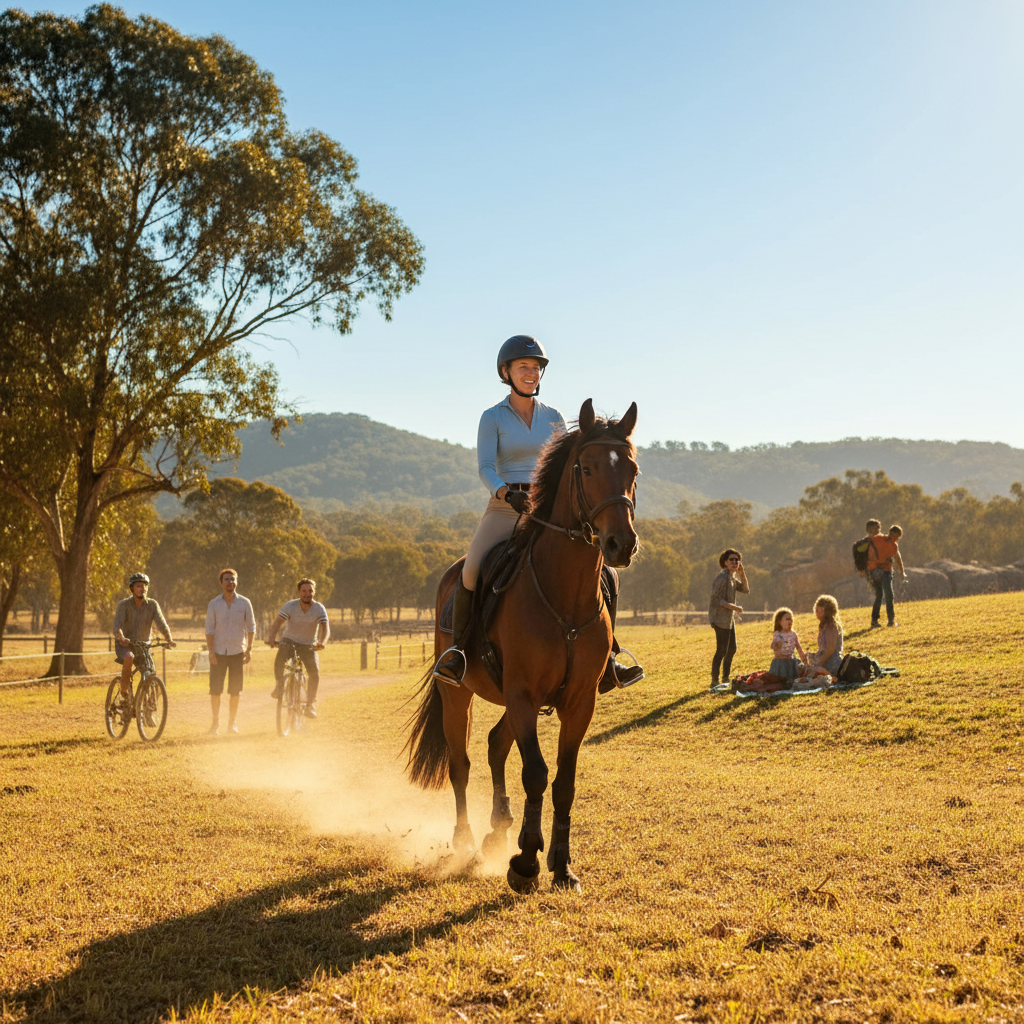
Sun Protection for Horse Riders: What Most People Miss
Australian sun is no joke. If you spend time outdoors, you know it. For horse riders, this means extended hours under a relentless sun, often with limited shade. Even with a helmet, many riders aren't adequately protected. Let's cut the fluff and talk practical sun protection tailored for your riding life.
Your Helmet: A Good Start, But Not the Whole Story
Your helmet is a critical piece of safety equipment, and it counts towards sun protection for your head. But what about your face, neck, and ears? These areas are constantly exposed, even with a helmet. Think about it: the sun's rays don't just come from directly above. They bounce off the ground, your horse, and are amplified during peak UV hours.
Australia's UV index can reach extreme levels, especially during summer. Long riding days, common in our country lifestyle, mean cumulative sun exposure. That subtle burn after an afternoon hack can contribute to long-term skin damage and increase your risk of skin cancer.
The "Missed" Areas: Where Riders Need More Protection
Most riders get the helmet part right. They understand the importance of head protection. But the sun will find all the gaps. Here's what’s often overlooked:
Face and Neck: Your face, particularly your ears and the back of your neck, are prime real estate for sun damage. These spots are hard to reach with sunscreen alone, especially when you're sweating.
Eyes: Sunglasses are vital, but not all are suitable for riding. The wrong pair can fog up, slip, or offer poor peripheral vision. Long-term UV exposure to your eyes can lead to cataracts and other vision problems.
Lips: Often forgotten, your lips are delicate skin that can burn easily and develop pre-cancerous lesions.
Scalp: If your helmet has a lot of ventilation or you ride with your hair pulled back, your scalp can still get sunburnt. This is particularly concerning for long-term skin cancer risk.
Australian Sun: It's Different
We don't say this to scare you, but to inform you. Australian conditions are harsher. The UV radiation is stronger, the days can be longer, and we spend more time outdoors. This means:
Higher UV Index: Even on cloudy days, UV rays can penetrate. The Bureau of Meteorology recommends checking the UV index daily. During peak times (10 am – 3 pm), it can be dangerous without protection.
Heat Stress: Beyond UV, intense heat can lead to dehydration and heatstroke, conditions exacerbated by prolonged sun exposure. Proper sun protection also means minimising heat absorption.
Cumulative Exposure: Every bit of sun you get adds up. What seems like a mild burn today can have effects years down the line. Skin cancer is incredibly common in Australia.
Practical Sun Protection Strategies for Riders
Let's move beyond just slapping on some sunscreen and calling it a day. Effective sun protection is a layered approach.
1. Your Helmet and Beyond: Headwear Innovations
While your standard riding helmet is essential, there are ways to enhance its sun protection.
Helmet Brims: This is where innovative solutions come in. A well-designed helmet brim can significantly extend the shade over your face and neck. Crucially, ensure it's designed for airflow and doesn't interfere with helmet safety standards. We’ve seen many riders struggle with traditional wide-brimmed hats that don’t fit safely under a helmet. That’s why we developed the DA BRIM.
DA BRIM Helmet Brim: Attaches to most riding helmets, offering extended brim coverage to shield your face, ears, and neck from direct sunlight without compromising helmet fit or safety. It’s lightweight, adaptable, and designed for Australian conditions.
Under-Helmet Liners: Some moisture-wicking caps or liners can help manage sweat and provide a minor barrier against UV. However, these are rarely sufficient on their own for full protection.
2. Sunscreen: The Non-Negotiable Base Layer
Even with enhanced headwear, sunscreen is vital for exposed skin.
High SPF: Always use broad-spectrum SPF 50+ sunscreen.
Water-Resistant: Riding often means sweating. Opt for water-resistant formulas that won't run into your eyes.
Application: Apply generously at least 20 minutes before going out. Don't forget your ears, the back of your neck, and any exposed skin on your arms and legs. Reapply every two hours, or more often if sweating heavily or swimming.
3. Protective Clothing: Your Second Skin
Think beyond just a t-shirt.
Long Sleeves: Lightweight, breathable long-sleeved shirts made from UPF (Ultraviolet Protection Factor) rated fabric are your best bet. This provides a physical barrier against UV rays that sunscreen alone can't consistently offer.
Leggings/Trousers: Full-length riding pants or leggings offer more protection than shorts.
Neck Gaiters/Buffs: These are incredibly versatile. They can be worn around your neck to protect your nape, pulled up over your nose and mouth on hot days for dust and sun protection, or even as a headband under your helmet.
4. Eye Protection: Seeing Clearly and Safely
Your eyes need protection too.
UV-Blocking Sunglasses: Ensure your sunglasses block 100% of UVA and UVB rays. Look for the UV 400 rating.
Fit for Riding: Choose sunglasses that fit snugly, won't slip when you sweat, and offer good peripheral vision. Wraparound styles are often best.
Consider Riding Glasses: Some brands offer specific riding glasses designed to be worn comfortably under helmet eyeports and provide excellent UV protection without fogging.
5. Lip Protection: The Forgotten Area
Your lips are susceptible to sunburn and long-term damage.
SPF Lip Balm: Use a lip balm with an SPF of at least 30. Reapply frequently, especially after drinking water.
Putting It All Together: Daily Riding Checklist
Here’s a simple checklist to ensure you’re covered before you head out:
[ ] Helmet: Securely fitted and approved safety standard.
[ ] Helmet Brim: Extra shade for face, neck, ears (e.g., DA BRIM).
[ ] SPF 50+ Sunscreen: Applied generously to all exposed skin (face, neck, ears, arms, legs).
[ ] Protective Clothing: UPF rated long sleeves, long pants/leggings.
[ ] UV-Blocking Sunglasses: Snug fit, good vision.
[ ] SPF Lip Balm: Applied and accessible for reapplication.
- [ ] Water Bottle: Stay hydrated!
Addressing Common Rider Objections
"It's too hot to wear long sleeves and pants!"
We get it. Australian heat can be intense. The key is fabric choice. Look for lightweight, breathable, moisture-wicking, and UPF-rated materials. These fabrics are designed to keep you cool while blocking UV rays. Thin, dark, and tightly woven synthetics might feel hot, but advanced UPF fabrics are engineered for comfort and protection. Think of it as a second skin that shields you, rather than traps heat.
"Sunscreen feels greasy and I don't like applying it every time."
Modern sunscreens are far better than they used to be. There are many lightweight, non-greasy formulas available. For riders, a good quality water-resistant SPF 50+ is worth the effort. Consider mineral sunscreens if you have sensitive skin. The key is consistent application. If you find it a chore, integrate it into your pre-ride grooming routine. It’s a small effort compared to the risks of skin cancer.
"My helmet gives me enough shade."
Most standard riding helmets offer minimal shade beyond the immediate brim. Think about the sun's angle during early mornings or late afternoons. Think about the glare bouncing off the arena or the field. The sides and back of your face and neck are often left exposed. Enhancing this coverage with a brim designed for extra shade is a significant upgrade to your protection. Explore solutions like DA BRIM designed specifically for this purpose.
"I only ride for a short time, I won't burn."
This is the most dangerous thinking. UV radiation is cumulative. Even short, frequent exposures add up over a lifetime. A little bit of sunburn now, a gradual tan over time, all contribute to increased skin cancer risk later on. Australian sun is potent enough to cause damage even on brief rides. Protection is necessary every single time you're outdoors.
The Bottom Line: Protect Your Skin Like You Protect Your Horse
You meticulously groom your horse, ensure their tack is safe, and provide them with the best care. Your own health and safety should be just as high a priority. Your skin is your body's largest organ, and it deserves robust protection, especially under the demanding Australian sun while riding.
Investing in the right gear and establishing good habits can make a world of difference. Don't let the "missed" areas of sun protection put you at unnecessary risk. Explore our range of products designed to enhance your riding experience and safety, including innovative solutions for sun protection. If you have questions, our FAQ page is a great resource, or you can check out more tips on our Blog.
Ride safe, ride smart, and ride protected.