
Sun Protection for Horse Riders: What Most People Miss
Horse riders often overlook crucial sun protection. Learn the risks and simple ways to stay safe under Australian skies.
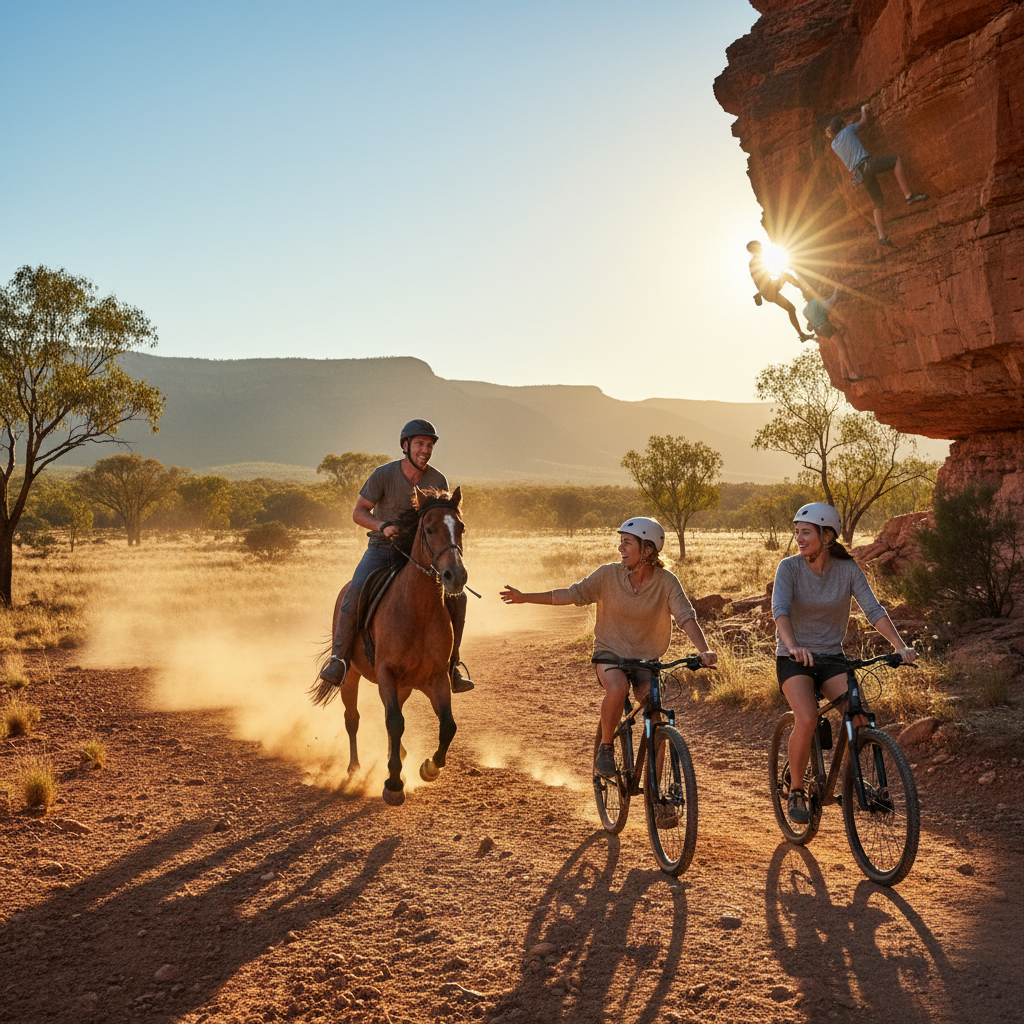
Sun Protection for Horse Riders: What Most People Miss
Australia. Beautiful country. Vast open spaces. Perfect for horse riding. But also, a place where the sun doesn't muck around. If you’re a rider, you probably think about sun protection to some extent. Sunscreen? Tick. Hat before you mount? Usually. But are you truly covered? Most riders aren't, and it’s not about a lack of effort, it's about what most people miss.
Let’s cut to the chase. The Australian sun is harsh. High UV levels aren't just a summer thing; they're a year-round concern, especially when you're out in the open, often at higher elevations, with fewer natural shade options. For horse riders, this exposure is amplified. You're in the saddle for extended periods, whether for training, trail riding, or competing. That means prolonged, direct sun exposure on your face, neck, and scalp – areas often only partially protected by standard helmets.
The Hidden Dangers: Beyond a Bad Burn
Most people think of sunburn and perhaps a bit of heat discomfort. That’s the shallow end of the pool. The real risks for horse riders are more insidious and potentially dangerous:
Accelerated Skin Ageing: Fine lines, wrinkles, and sunspots are not just cosmetic. They’re signs of cumulative sun damage that can lead to more serious issues down the track.
Increased Skin Cancer Risk: Australia has one of the highest rates of skin cancer in the world. Every hour spent unprotected under the Australian sun increases your lifetime risk. Horse riders, often spending hours outdoors, are particularly vulnerable.
Heat Stress and Heatstroke: Dehydration is a constant threat in Australia. Combine it with the physical exertion of riding, the insulation of riding gear, and direct sun on your head, and the risk of heat exhaustion or even life-threatening heatstroke skyrockets. Symptoms like dizziness, nausea, and confusion can also impact your ability to control your horse, creating an immediate safety hazard.
Eye Damage: Long-term UV exposure can contribute to cataracts and other eye conditions. Glare from the sun can also impair your vision while riding, affecting your ability to spot hazards.
Scalp Sunburn and Hair Damage: The top of your head and your hairline are easy to miss with sunscreen, and standard helmets offer little to no brim protection for your face, ears, and neck.
What Most Helmets Don’t Cover
This is where most riders fall short. Standard riding helmets are designed for impact protection, not comprehensive sun defence. They often leave your face, ears, and the back of your neck exposed. Even with sunscreen, reapplying is a hassle, and it can sweat off. The common solutions are often inadequate:
Wearing a cap under your helmet: This offers minimal brim coverage and can trap heat, increasing discomfort.
Relying solely on sunscreen: Sunscreen needs to be applied diligently, reapplied frequently (especially if sweating), and even then, it’s never 100% effective. Many people miss spots, and UV can still penetrate.
Using a small riding visor: These are often flimsy and only offer limited shade directly in front, leaving sides and neck exposed.
The Solution: Integrating Shade into Your Ride
It’s not about ditching your safety-approved helmet. It’s about enhancing it. The most practical and effective solution is adding a substantial brim to your existing helmet. Think of it as adding a wide-brimmed hat's protection to your helmet's safety.
Introducing the DA BRIM Helmet Brim
This is where products like the DA BRIM come in. Designed specifically for riders, it attaches securely to your helmet, providing significant shade for your face, ears, and neck. It’s a simple, effective way to boost your sun protection without compromising helmet integrity.
Key Benefits of DA BRIM:
Extended Shade: Covers significantly more area than standard helmet visors.
UV Protection: Made with materials that block harmful UV rays.
Reduced Glare: Helps you see better by cutting down on harsh sunlight.
Heat Reduction: Shades your face and neck, helping you feel cooler.
Easy Attachment: Attaches securely and can be removed quickly. Our How to Install guide makes it a breeze.
Durable and Lightweight: Built to withstand outdoor conditions without adding bulk.
A Rider's Practical Guide to Sun Safety
Beyond adding a brim, a comprehensive approach is vital. Here’s a checklist and a step-by-step plan:
Sun Safety Checklist for Riders
[ ] Quality Helmet: Ensure your helmet meets current safety standards.
[ ] Helmet Brim: Invest in a DA BRIM or similar for extended face, ear, and neck shade.
[ ] Sunscreen: High SPF (30+) broad-spectrum sunscreen for any exposed skin not covered by the brim or clothing (back of neck, hands).
[ ] Lip Balm: With SPF of 15 or higher.
[ ] Sunglasses: UV-protective sunglasses for off-horse activities and potentially during long, exposed rides if glare is a major issue and doesn't impede vision.
[ ] Protective Clothing: Long sleeves and trousers made of lightweight, breathable, UPF-rated fabric are ideal.
[ ] Hat (Off-Horse): A wide-brimmed hat for before and after riding.
[ ] Hydration: Carry plenty of water.
[ ] Timing: Avoid riding during peak UV hours (10 am - 4 pm) whenever possible.
Step-by-Step Sun Protection Plan
1. Before You Ride:
Apply a generous amount of broad-spectrum sunscreen (SPF 30+) to all exposed skin, including ears, neck, and hands. Don't forget your lips – use SPF lip balm.
If not using a helmet brim, consider a lightweight, long-sleeved shirt and trousers. UPF-rated clothing is best.
Attach your DA BRIM to your helmet if you haven't already. Follow the simple How to Install instructions.
Ensure you have your water bottle filled.
2. During Your Ride:
Wear your helmet with the DA BRIM securely fitted. This is your primary defence against direct facial and neck sun.
Take regular sips of water, even if you don't feel thirsty.
If you notice excessive glare or your eyes feel strained, consider if sunglasses are appropriate for the ride (balancing vision needs and sun protection).
Be mindful of the time of day and the UV index. The higher the UV index, the more critical your protection.
3. After Your Ride:
Gently cleanse your face and neck to remove sweat and sunscreen residue that could irritate skin.
Apply a soothing after-sun lotion if needed.
Rehydrate thoroughly.
Check your skin for any signs of redness or irritation. Address them promptly.
Addressing Common Objections
"It's too hot with extra gear." Actual heat stress is far worse. The DA BRIM is designed to be lightweight and allows for airflow. Shading your face and neck from direct sun can actually help you feel cooler than the harsh direct rays. Compare the discomfort of a little extra shade to the pain of a severe sunburn or the danger of heatstroke.
"It looks silly." Safety and health are never silly. Plus, a well-fitted solution like DA BRIM is designed to integrate seamlessly with your helmet. The real silliness is risking serious health issues for a perceived fashion faux pas. Functionality for serious protection is key here. Check out our Products page to see how it looks.
"I only ride for a short time." Even 30 minutes in direct Australian sun can cause damage. If you’re a casual rider, your exposures might be less intense, but cumulative damage is still a factor. If you're a serious rider, those short rides add up quickly over weeks and months.
"My helmet is already dark." Helmet colour offers minimal UV protection. It's the material and coverage* that matter. Protection against the sun is separate from impact protection.
Long-Term Investment in Your Health
Think of investing in proper sun protection, like a helmet brim, not as an expense, but as an investment in your long-term health and ability to continue enjoying your passion. The Australian sun demands respect, and as riders, we can't afford to underestimate it. Don't wait for a painful sunburn or a serious health scare to rethink your sun safety strategy. It’s time to get serious about sun protection for every ride. For more information, our FAQ page has answers to common questions.
Remember, staying safe and protected means you can focus on the joy of the ride, the connection with your horse, and the stunning Australian scenery, all without the hidden dangers of the sun.